


Via a recent, public, and official statement, PlayStation defends its approach to digital game purchases in a lawsuit that could ultimately impact current PS5 owners and future PS6 owners, specifically in how digital game purchases are presented to consumers. In a recent filing in California’s Northern District Court, PlayStation argued that reasonable consumers should already understand that purchasing a digital game does not mean they legally own the software.
In short, PlayStation’s argument relies on the distinction between physical property and digital licensing, though it creates a confusing standard for ownership and what that exactly means in a digital era. PlayStation’s lawyers also argue that the nature of digital games should make this distinction apparent, since a digital copy can be distributed to millions of PlayStation users instead of functioning like a single physical object sitting on someone’s shelf.
PlayStation Pushes Back Against Lawsuit, Calls Digital Ownership “Impossible”

Nonetheless, the aforementioned lawsuit, filed in June, argues that Sony’s PlayStation Store disclosures are not sufficient under a California law that took effect in 2025. The law requires companies selling digital goods to clearly tell customers, in plain language, that purchasing a digital product provides a license instead of permanent ownership. For someone buying a PS5 game through the PlayStation Store, clicking the purchase button may feel identical to buying a game outright, but Sony’s legal position is that the customer is actually receiving permission to use licensed software under certain terms, all as reported by Game File.

Find the odd one out before the timer hits zero.
Given that the PS6 is all-but-officially-confirmed to be digital only, too, there’s the question of being locked into this ecosystem with few rights and no real sense of ownership. As to what that ownership means, PlayStation officially stated:
“In the digital age, it is not plausible to allege that reasonable consumers believed they were obtaining ‘ownership’ of a digital game.”
For current PS5 owners, Sony’s argument creates an important distinction between having a game in a digital library and actually owning that game in the traditional sense. A player can purchase a PS5 game, download it, and potentially keep using it for years, but Sony’s position is that the underlying software remains licensed. That does not mean Sony is suddenly telling PS5 owners that their libraries are going away, nor does the lawsuit establish that purchased games can simply be revoked whenever Sony wants. But PlayStation has removed purchased games and media directly from PS4/PS5 libraries before.
-
-

-


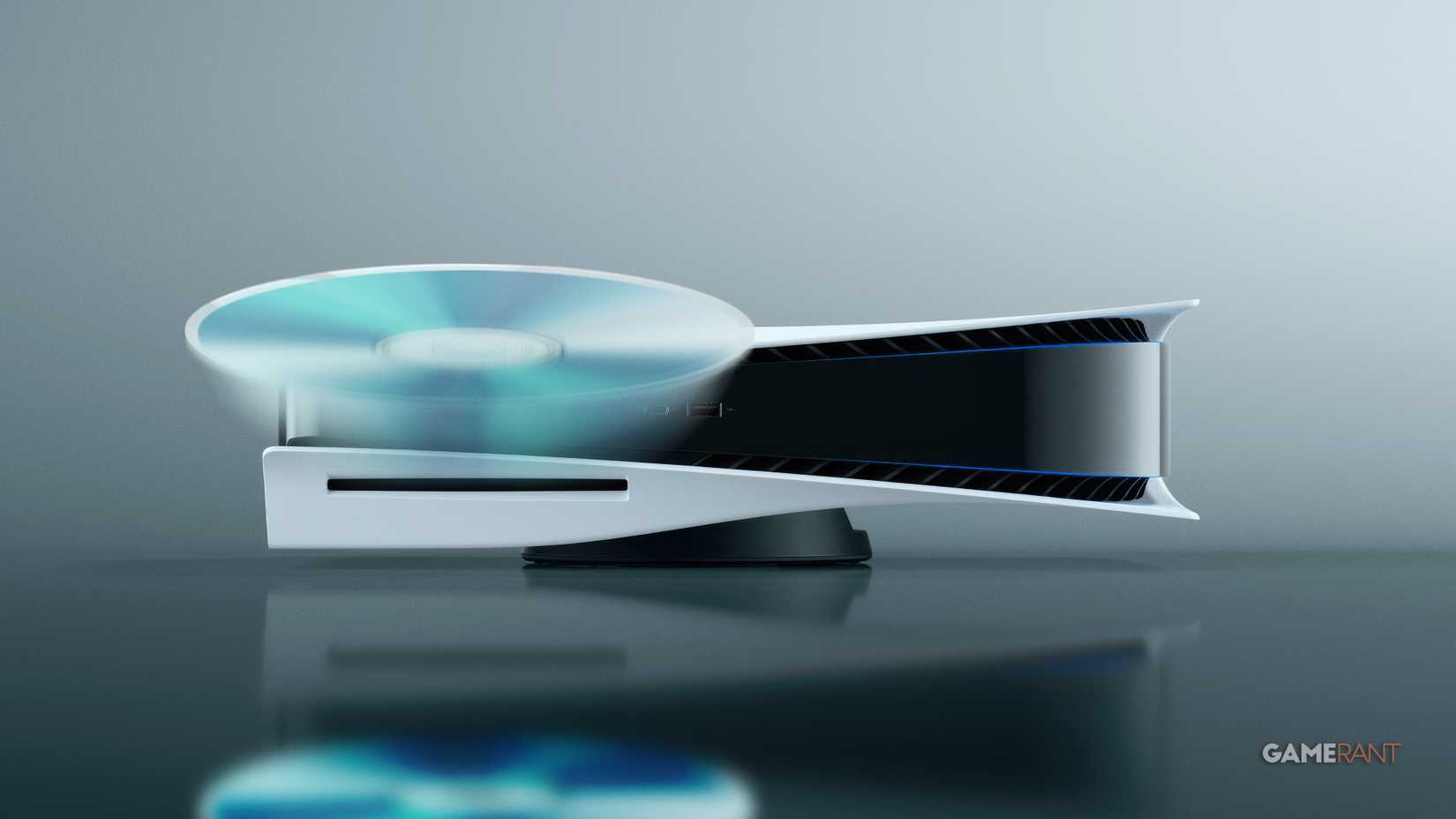
Digital ownership, at least a consensus on what that means, is going to be even more important for the PS6. With PlayStation ending physical disc production in January 2028, the PS6 is expected to be a digital-only console. And if players cannot “own” games under any definition, then it’s going to be a potentially $1000 rental box. In practical terms, that could make the PS6 games feel even more ephemeral to the player while remaining legally dependent on Sony’s licensing system. It also gives players another reason to consider what they are actually getting when they spend $70 or more on a digital game compared with purchasing a physical copy; $70 for a license is steep.
None of this means PS5 or PS6 digital games are inherently temporary. A reasonable conclusion from Sony’s argument is simply that players should not equate a digital purchase with traditional ownership, but clear definitions on digital ownership, licensing, and what companies can do years afterward are important. The PS5 has already pushed PlayStation further into digital distribution, and whatever Sony does with PS6 could take that model even further. If the company’s current legal position remains its approach going forward, PlayStation players may increasingly have to think of their digital libraries as collections of licensed games that they are permitted to use, not games they own.