






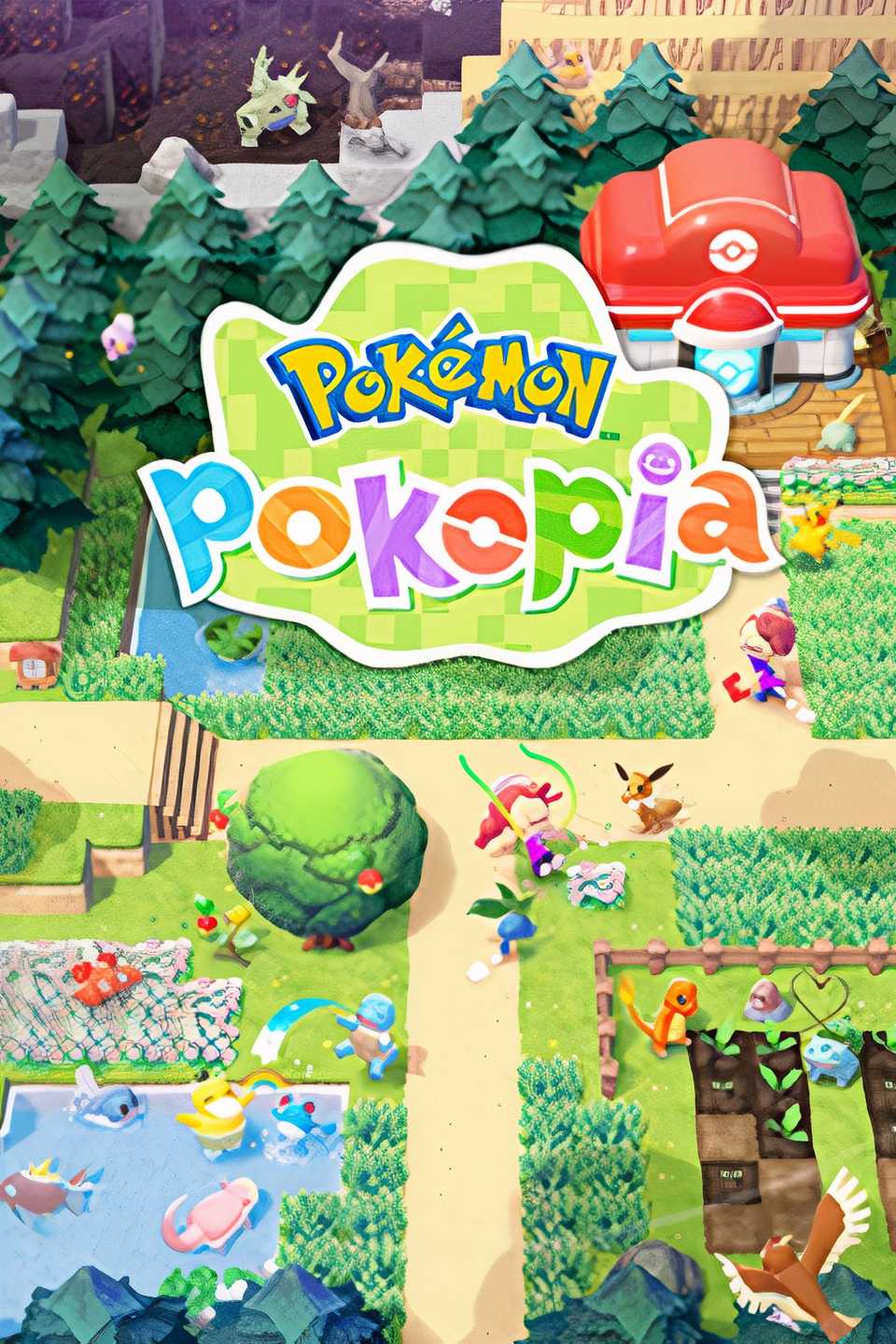
Pokemon Pokopia has found a clever way to make one of the most tedious parts of building games less frustrating. Its Portal Pods allow players to retrieve stored items from different locations, even across separate areas. It is a simple quality-of-life feature, but one that makes a difference in a game built around gathering resources, crafting items, and creating habitats for Pokemon.
The concept will feel familiar to anyone who has played Minecraft. Mojang’s sandbox game has offered similar convenience through Ender Chests for years, letting players access the same personal inventory from multiple locations. Pokemon Pokopia reinforces something crucial: that interconnected storage should become standard in large-scale cozy builders. These games encourage players to spend hours collecting materials and shaping their surroundings, so repeatedly traveling between storage locations feels like an unnecessary chore.
Pokemon Pokopia’s Portal Pods Simplify Resource Management
Resource management is an unavoidable part of building games, but organizing materials is different from wasting time retrieving them. In Pokemon Pokopia, players gather resources to restore the world, improve habitats, and create comfortable spaces for Pokemon. As settlements grow and players explore new areas, keeping track of everything becomes more demanding. Ordinary storage containers help with organization, but separate inventories can turn a straightforward building project into an inconvenient trip.
Portal Pods address this problem by connecting storage across locations. Players can retrieve items from different pods without returning to the place where they originally stored them. This makes it easier to work on projects wherever inspiration strikes. Rather than retracing their steps for materials they already collected, players can focus on designing habitats and improving their surroundings. That is exactly the kind of convenience a cozy builder should offer.
Minecraft’s Ender Chests Have Long Solved This Problem

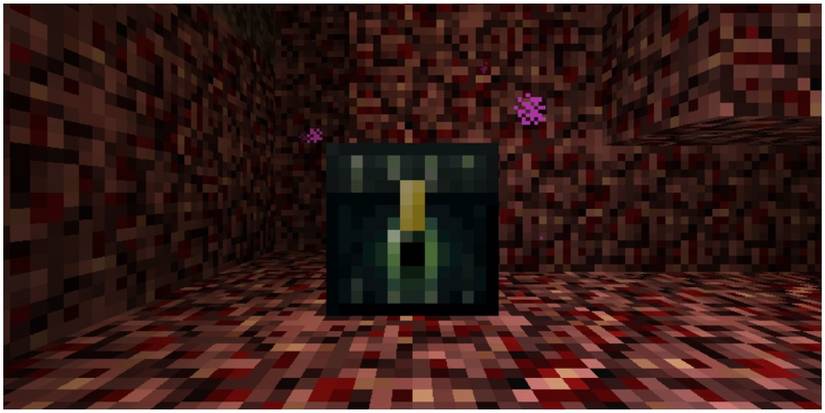
Minecraft provides a strong example of interconnected storage done well. Ender Chests let players access the same personal inventory wherever they open one, making it easier to carry important supplies between distant bases and expeditions. Because the contents are tied to the player rather than each individual chest, there is no need to maintain several separate inventories. Exploration becomes more convenient without removing the need to gather resources.
In a game where players might build a main base, establish a remote mining outpost, or travel far from home, Ender Chests keep those activities connected, regardless of distance. Pokemon Pokopia applies the same principle to a more relaxed experience centered on crafting and environmental restoration. Its Portal Pods feel like a natural fit, demonstrating how a familiar mechanic can improve a different genre without losing its practical value.
Cozy Building Games Should Make Shared Storage Standard
Cozy builders often encourage players to create several distinct spaces, from themed neighborhoods to farms and production areas. That freedom becomes less appealing when each location has an isolated storage system. Players may collect materials in one region, need them elsewhere, and have to travel back and forth to retrieve them. Repeating that process throughout a long playthrough can turn a relaxing routine into busywork.
I think interconnected storage is one of the simplest ways developers can respect players’ time. Games such as Stardew Valley and Animal Crossing: New Horizons revolve around gradually improving a personal space, often through substantial resource gathering and crafting. Shared storage would not eliminate those requirements. It would simply make collected materials easier to use. Progression should come from working toward a goal, not repeatedly overcoming logistical obstacles along the way. Stardew Valley also provides a solution in the form of Junimo Chests, a similar tool that can be purchased from Qi’s Walnut Room in the late game.
Shared Storage Still Needs Meaningful Limits

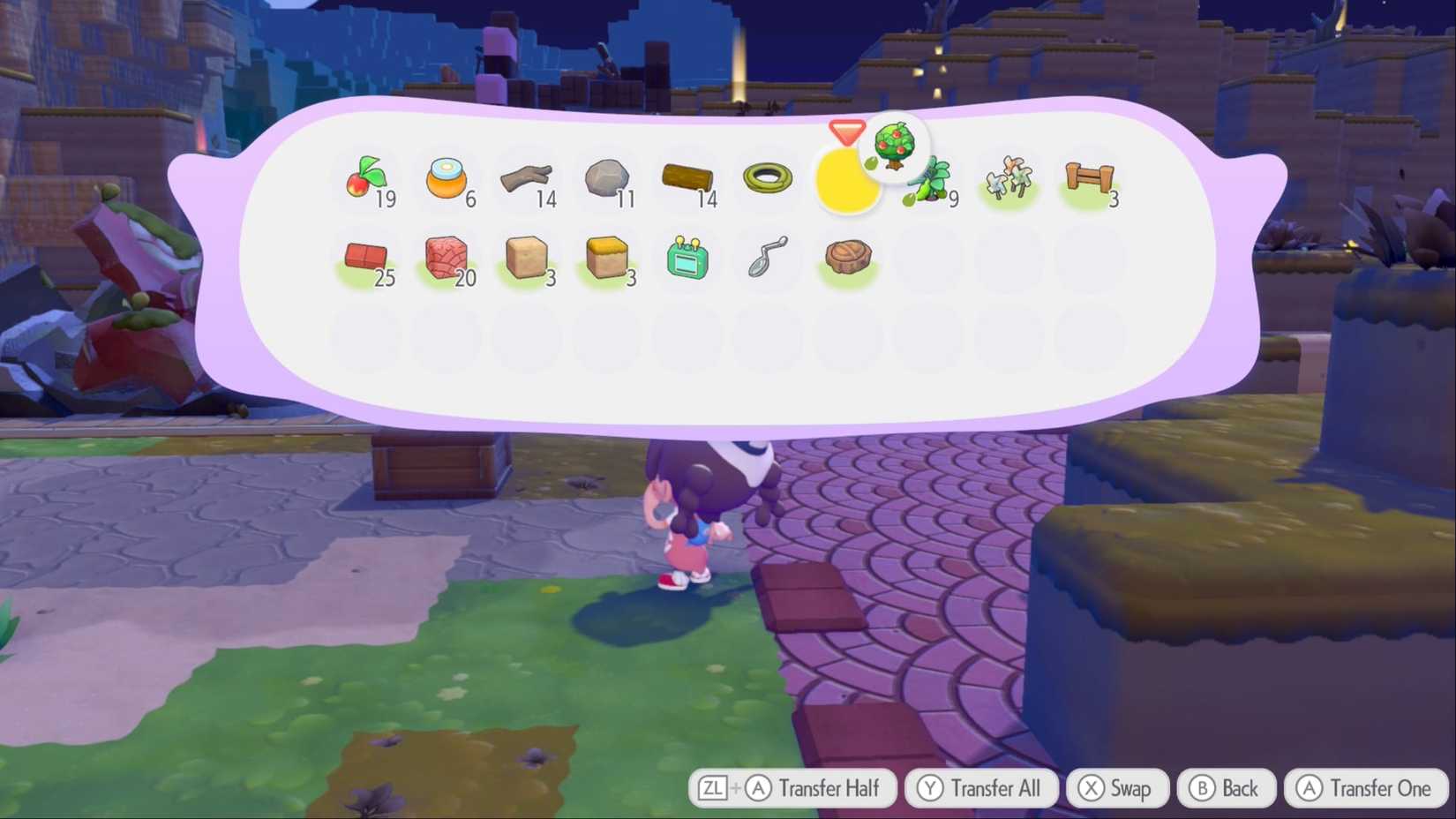
Interconnected storage will not suit every game in the same way. Inventory restrictions can encourage players to plan ahead and decide which materials to carry, particularly in survival games where preparation matters. Removing every storage limitation could undermine mechanics built around scarcity and careful resource management. Developers should consider the experience they want to create before making every item accessible everywhere.
There are ways to balance convenience with meaningful limitations. Developers could restrict shared storage capacity, require resources to unlock it, or introduce it later in the game, as in Stardew Valley. Pokemon Pokopia shows how interconnected storage can complement a relaxed building experience, while more demanding survival games could treat it as a progression reward. The goal should be to make inventory management support the gameplay loop rather than constantly interrupt it.
The Portal Pod gives Pokemon Pokopia a familiar convenience with a cozy twist, and other building games would benefit from the same idea. Players should have to earn their resources, but they should not have to waste time traveling between distant containers to use what they already own. Interconnected storage makes large worlds easier to manage and leaves more room for the creative activities that make these games enjoyable. For cozy builders, it deserves to become a standard feature rather than a welcome exception.



- Released
-
March 5, 2026
- ESRB
-
Everyone / Users Interact, In-Game Purchases