





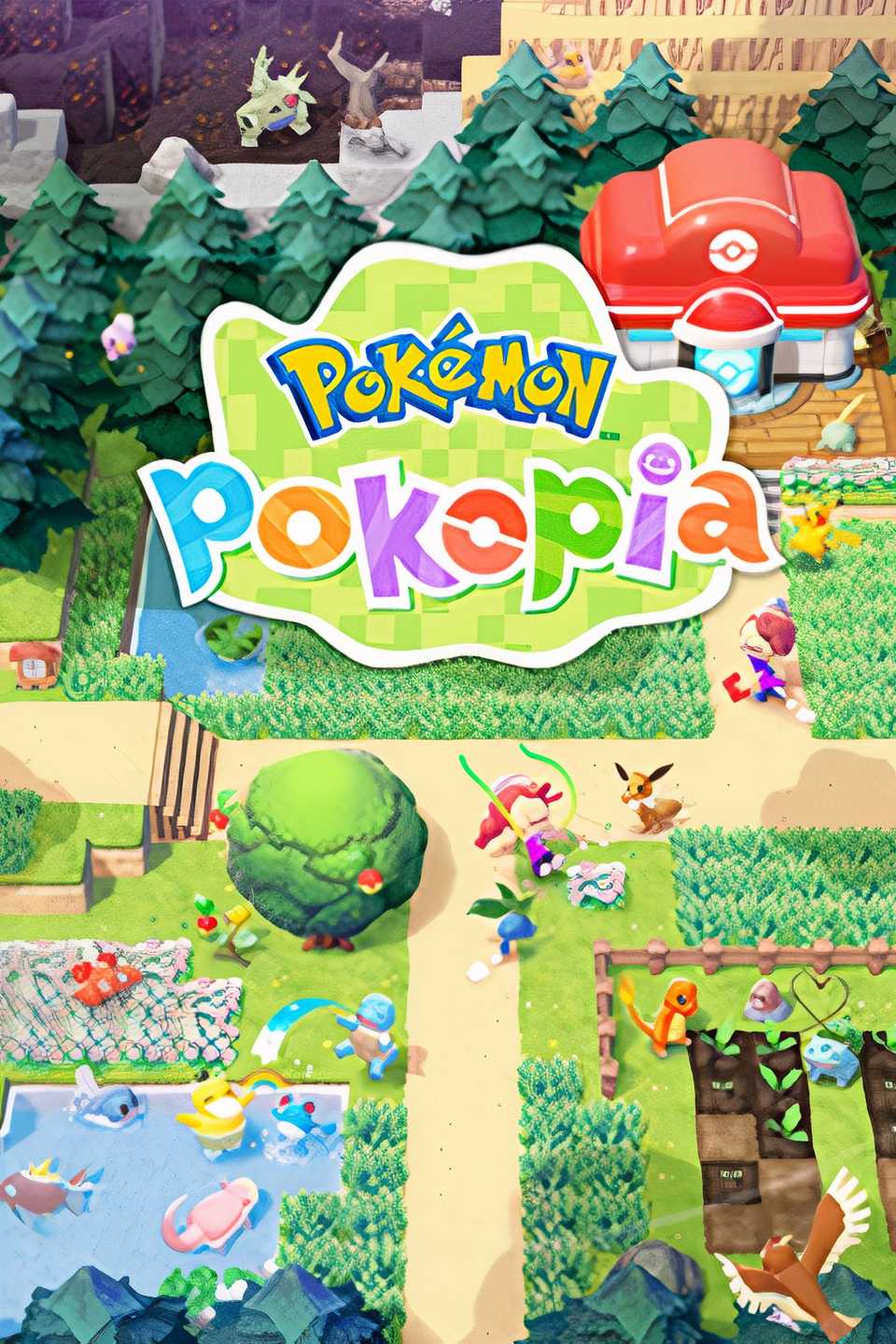
For decades, the Pokemon franchise has revolved around catching Pokemon, training a team, and battling other trainers. That formula has helped make the series one of gaming’s most recognizable names, but some of its most memorable games have found ways to make Pokemon appealing without relying on traditional battles. Pokemon Pokopia takes this idea further than ever, turning the familiar creatures into neighbors, collaborators, and companions in a cozy life simulation. Rather than asking players to become the strongest Trainer, it encourages them to build a world where Pokemon can thrive together.
This approach has a long history in the franchise. Pokemon Mystery Dungeon showed that Pokemon could carry an emotional adventure of their own, while Pokemon Snap made observing them in their natural habitats the central attraction. Each series gives players a different way to connect with creatures that they might otherwise view primarily as battle partners. Pokemon Pokopia builds on that tradition, and its success as a creative direction could offer some valuable lessons for the mainline games.
Pokemon Pokopia Makes Living With Pokemon the Main Attraction
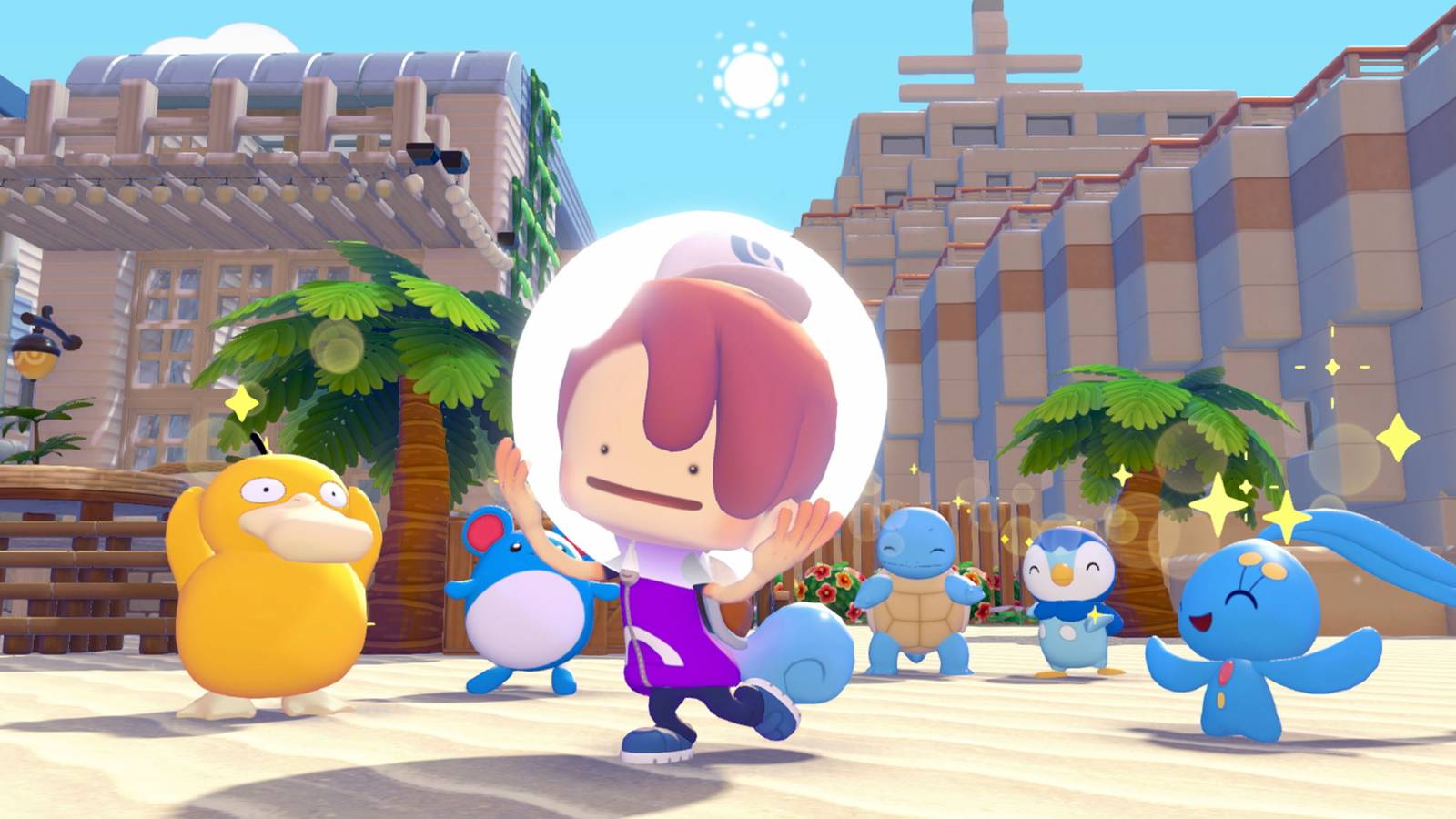
In Pokemon Pokopia, players control a Ditto that has transformed into a human and sets out to restore a desolate world. The game replaces the usual journey through Gyms and rival battles with crafting, gardening, and building habitats that encourage Pokemon to settle in. Pokemon can even teach Ditto moves that serve practical purposes, such as using Bulbasaur’s Leafage to grow greenery or Squirtle’s Water Gun to water plants. These abilities give familiar moves a different purpose, turning Pokemon into active participants in rebuilding their surroundings.


Put the consoles in the correct order.
What makes this concept appealing is how naturally it changes the relationship between players and Pokemon. Instead of catching a creature because it fills a gap in a battle team, players can welcome it because it contributes something to their growing community. Creating a suitable habitat becomes a way to encourage Pokemon to visit, while building homes gives players another reason to care about who lives nearby. Pokemon Pokopia demonstrates that the creatures can remain the heart of the experience even when battling is removed entirely. The franchise has plenty of room to explore what it means to share a world with Pokemon, and this life simulation offers a particularly inviting interpretation.
Pokemon Mystery Dungeon Proves Pokemon Can Tell Their Own Stories


Long before Pokemon Pokopia, Pokemon Mystery Dungeon explored a different way to put Pokemon at the center of an adventure. The series casts players as Pokemon themselves, with dungeon exploration and turn-based combat replacing the traditional Trainer journey. Its battles still matter, but the story gives the creatures personalities, relationships, and motivations that extend beyond their usefulness in a team. In Pokemon Mystery Dungeon: Explorers of Sky, the relationship between the protagonist, their partner, and Grovyle becomes the foundation of a story about friendship, sacrifice, and the future of the world.
I still feel betrayed whenever I see Dusknoir because of Pokemon Mystery Dungeon. His role in Explorers of Sky makes him a particularly memorable example of how much personality the franchise can give its Pokemon. Initially, Dusknoir presents himself as a helpful ally, but his connection to the future and his eventual betrayal of Grovyle reveal a far more complicated character. And he’s literally a Dusknoir. That revelation works because the game gives players time to trust him before pulling the rug out from under them. Dusknoir becomes more than a recognizable species or a powerful opponent; he is a character whose actions leave a lasting impression.
Pokemon Snap Makes Observing Pokemon Rewarding
Pokemon Snap takes an even more focused approach by making photography the central mechanic. Rather than catching Pokemon in Poke Balls or battling them into submission, players travel through carefully designed environments and photograph creatures as they go about their lives. New Pokemon Snap expands on this idea with different habitats and a research-focused Photodex, encouraging players to notice how Pokemon behave in the wild. A successful photograph depends on finding the right moment, which can mean watching a Pokemon interact with another creature or catching an unusual pose.
This perspective gives familiar Pokemon a different kind of appeal. A creature that players might normally value for its battle strength can become fascinating simply because of how it behaves in its environment. Photographing Pokemon encourages curiosity, patience, and attention to detail, qualities that traditional battles do not necessarily reward. The experience also reinforces the idea that Pokemon have lives beyond their interactions with Trainers. Pokemon Snap succeeds because it builds its entire identity around that observation, proving that a spin-off can feel unmistakably like Pokemon without reproducing the mainline games’ core gameplay loop.
Mainline Pokemon Games Could Learn From These Spin-Offs

The mainline games do not need to abandon catching, battling, or collecting to benefit from these ideas. Those mechanics are central to the franchise’s identity, and there is still plenty of room to develop them. However, Pokemon Pokopia, Pokemon Mystery Dungeon, and Pokemon Snap demonstrate how much more the series can do with its creatures. The mainline games could give Pokemon more opportunities to interact with their environments, behave in distinctive ways outside battle, or contribute to the world in ways that players can appreciate directly. Even relatively small additions could help make each Pokemon feel like a living creature rather than another entry on a team-building checklist.
There is also an opportunity to make the world itself more meaningful. Pokemon Pokopia ties its progression to creating places where Pokemon want to live, while Pokemon Snap rewards players for learning about their behavior. Pokemon Mystery Dungeon builds emotional investment through its characters and their relationships. Mainline entries could draw from these strengths without turning into life simulations or story-driven dungeon crawlers. Imagine a Pokemon journey in which helping local species restore a habitat matters as much as defeating a Gym Leader, or where a Pokemon’s behavior outside battle gives players another reason to bond with it. These ideas would complement the existing formula rather than replace it, making the world feel richer and the Pokemon within it more memorable.
Pokemon Pokopia is another reminder that the franchise’s greatest strength is the creatures themselves, not any single mechanic associated with them. Pokemon Mystery Dungeon made me care about a betrayal involving Dusknoir, while Pokemon Snap showed how rewarding it can be to simply watch Pokemon exist in their natural environments. Now, Pokemon Pokopia lets players build a place where those creatures can live and flourish. The mainline games can continue to build on their established formula, but they should also take these spin-offs seriously as sources of inspiration. Catching them all will always be part of Pokemon‘s appeal. Giving players more reasons to care about the Pokemon they find could make the series even better.



- Released
-
March 5, 2026
- ESRB
-
Everyone / Users Interact, In-Game Purchases