




Legendary Pokemon have always held a special place in the franchise. They are meant to feel rare, powerful, and deeply tied to the lore of their respective regions. However, in many modern mainline Pokemon games, that sense of mystique has slowly eroded. What were once elusive, almost mythological encounters have, at times, become predictable story checkpoints or late-game collectibles. That’s what makes Pokopia’s approach stand out. Even without introducing entirely new Legendary species, the game rethinks how these iconic creatures are presented and interacted with.
Spin-offs rarely get credit for understanding what makes Pokemon feel special, but Pokopia quietly nails something the mainline series has struggled with for years: how to treat Legendary Pokemon like actual legends. In most modern entries, Legendary Pokemon have become expected checkpoints rather than awe-inspiring encounters. Pokopia resists that structure, instead framing these creatures as rare presences that feel discovered rather than handed to the player. That shift alone restores a sense of wonder, making each interaction feel intentional instead of inevitable.
Pokopia: Burning Questions Answered
Shiny Pokemon, evolutions, multiplayer, Switch 1 compatibility, and many more Pokopia questions answered.
Legendary Pokemon in Pokopia Feel Like Discoveries, Not Obligations
Games like Pokemon Scarlet and Violet and Pokemon Sword and Shield build entire narratives around their box art mascots. They position these creatures as central, unavoidable figures in the story. While this gives them narrative weight, it also makes them feel less rare. When every player is guaranteed to catch a god-like being before the credits roll, that sense of myth starts to erode. Pokopia takes the opposite approach and benefits greatly from it.
Who’s That Character?


Identify the silhouettes before time runs out.
Identify the silhouettes before time runs out.
Easy (7.5s)Medium (5.0s)Hard (2.5s)Permadeath (2.5s)
Rather than anchoring its story around a single, all-important Legendary, Pokopia scatters them across its ecosystems. Not only does that approach fit well with Pokopia‘s premise, but it also creates a scattering that feels intentional and, more importantly, missable. Their presence is felt long before it is understood, and in some cases, never fully grasped at all for non-Pokemon fans. That design philosophy creates a different kind of relationship between player and Pokemon—one rooted in curiosity instead of completionism or endgame.
Legendary Encounters Are Built Around Circumstance, Not Certainty


What truly sets Pokopia apart is how it frames Legendary Pokemon as conditional experiences rather than guaranteed rewards. Encounters are often tied to specific behaviors, environments, or patterns that players must learn over time in order to find Pokemon.
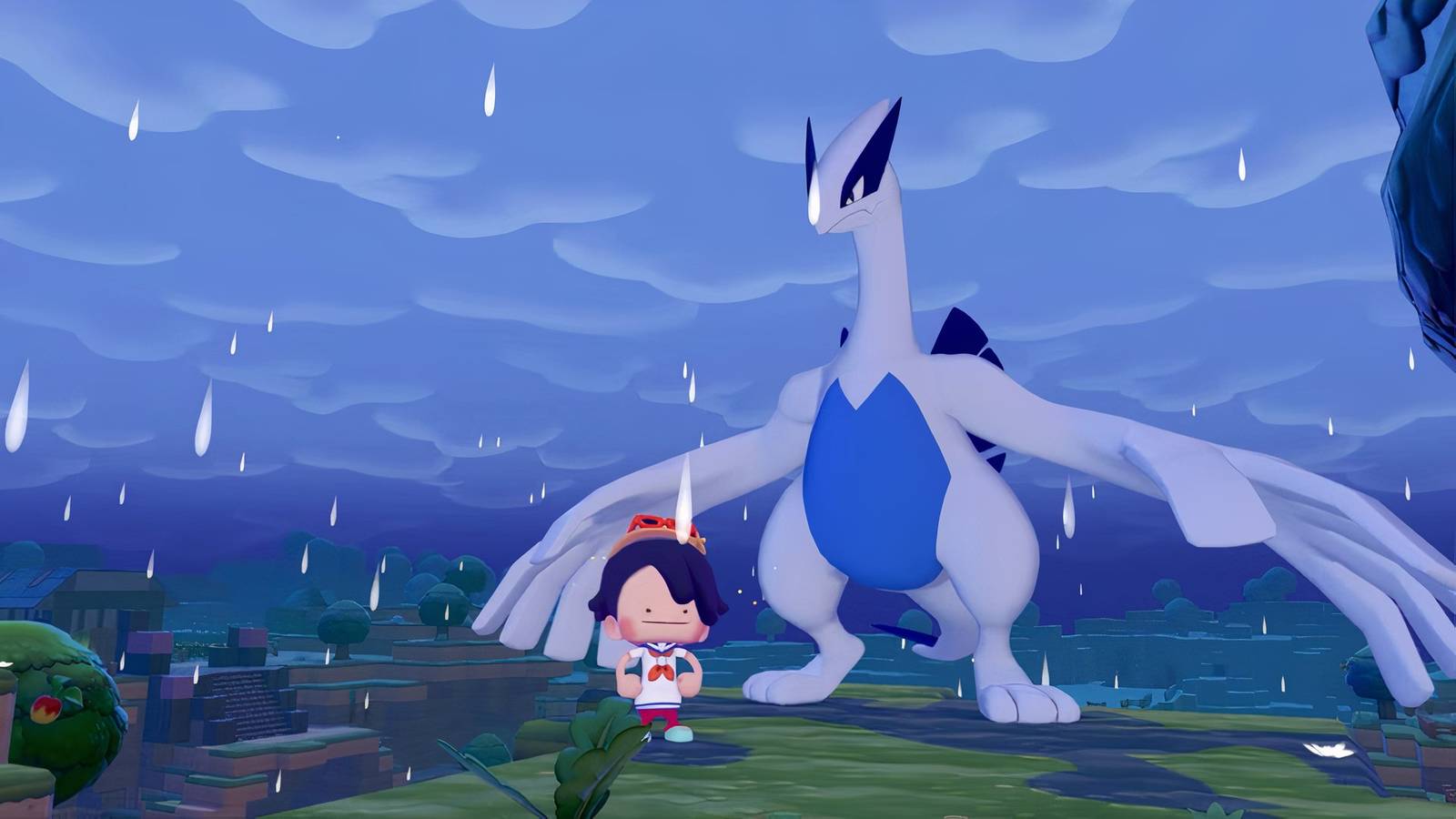
- Environmental influence before interaction: Pokemon like Kyogre and Lugia may alter weather patterns or appear in the distance long before players ever get close, reinforcing their scale and power.
- Rare, behavior-driven spawns: Roaming Legendaries such as Raikou, Entei, and Suicune appear unpredictably, often requiring players to revisit areas or experiment with different approaches.
- Trial-and-error triggers: Some encounters rely on creating specific habitats in Pokopia or fulfilling hidden conditions, making discovery feel organic rather than scripted.
- Systems that encourage observation: Instead of pointing directly to these Pokemon, the game nudges players through subtle cues, rewarding attention to detail.
The result is a loop driven by intrigue. Instead of checking boxes off a list, players are chasing moments that feel unscripted, even when they are carefully designed behind the scenes.
Power Without Overexposure

Even when Pokopia allows players to recruit certain Legendary or Mythical Pokemon like Mewtwo or Volcanion, it ties them to layered conditions rather than story progression alone. These Pokemon aren’t handed over as a reward for simply finishing a chapter; they exist behind systems that encourage experimentation, exploration, and time investment.
At the same time, the game draws a clear line. Some Legendary Pokemon simply refuse to be owned. Ho-Oh and Lugia can be summoned and registered, but they remain transient presences rather than permanent residents on the island. That distinction preserves their scale; not everything powerful needs to be possessed. Mainline Pokemon games often blur this line, turning Legendary Pokemon into just another team slot by the endgame. Pokopia resists that impulse, and the difference is immediately noticeable.


Pokemon Pokopia Reveals Plans for Future Updates and Game Improvements
Pokemon Pokopia gives players a heads up regarding known issues within the game and provides insight into future plans and game improvements.
Legendary Pokemon Should Feel Untouchable, Pokopia Understands That
The word “legendary” carries an inherent expectation for a player: rarity, mystery, and significance beyond the ordinary. When games overuse or overexpose these Pokemon, they risk flattening that identity. A Legendary Pokemon that appears in every playthrough, tied to the same scripted sequence, becomes predictable rather than mythical. By contrast, Pokopia treats Legendary Pokemon as part of the world rather than the center of it. They exist independently of the player’s journey, occasionally intersecting with it in ways that feel organic instead of mandatory.
It’s a subtle shift, but an important one. When Legendary Pokemon are allowed to remain elusive—when they can surprise, resist, or even ignore the player—they regain the mystique that defined them in earlier generations.
A Better Blueprint for the Future

Pokopia doesn’t diminish Legendary Pokemon by making them accessible. Rather, it enhances them by making access feel earned, inconsistent, and sometimes incomplete. That balance keeps them from becoming routine. Future Pokemon games that want to restore the sense of wonder that once defined encounters with creatures like Mew may need to take notes. Not every Legendary needs to be an end goal. And not every player needs to walk away with one. Sometimes, the most powerful thing a Legendary Pokemon can do is remain just out of reach.

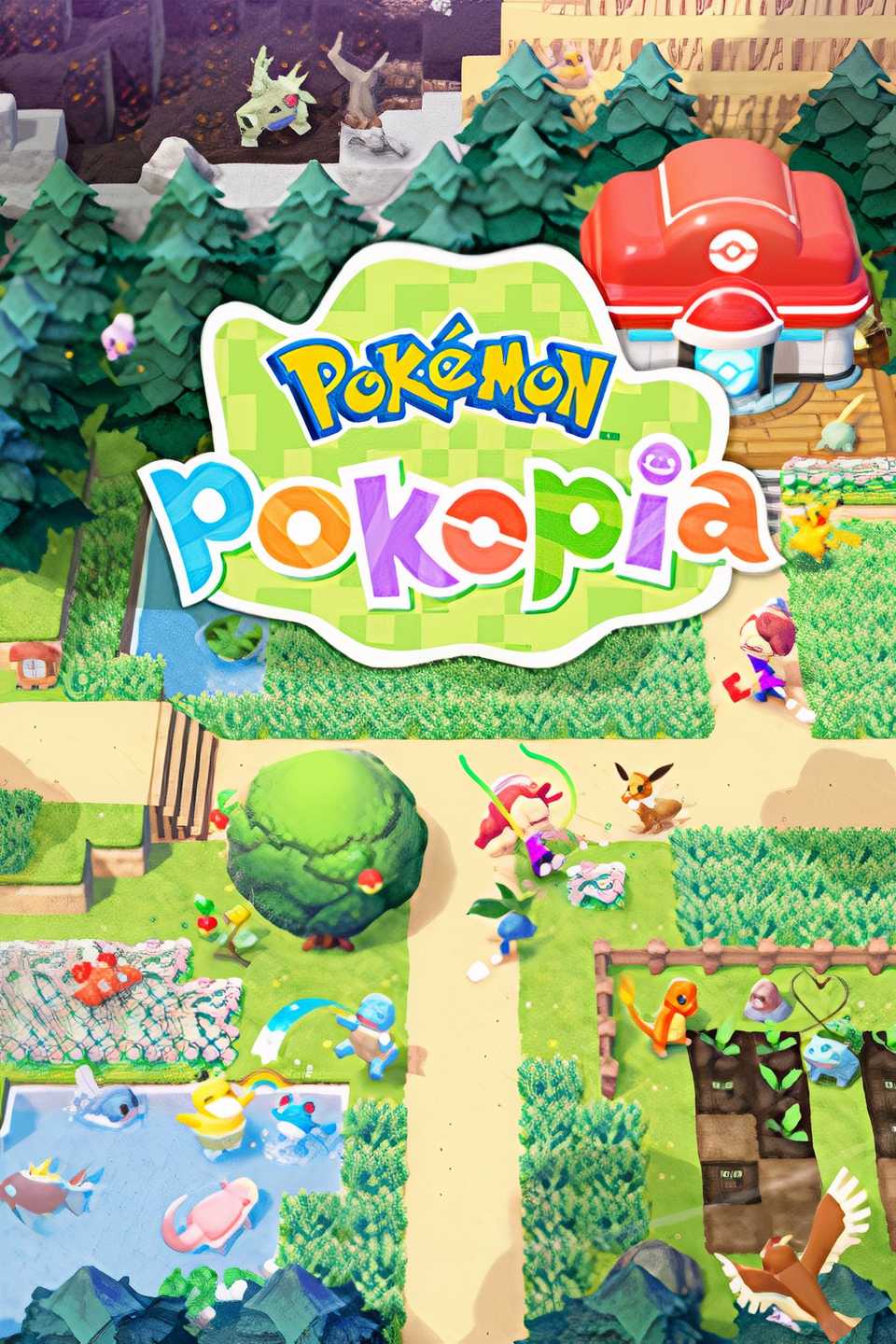
Pokemon Pokopia




9/10
- Released
-
March 5, 2026
- ESRB
-
Everyone / Users Interact, In-Game Purchases