






For years, gaming news spread in a relatively predictable pattern: an insider at a major game studio whispers to a YouTuber with a developed community, who then posts a vague albeit alluring video, and within hours Reddit threads are investigating each and every word. Gaming news relied on secrecy — who knew who, who would be willing to talk, and who could be trusted not to get a source fired.
That era of connections is quietly ending, and prediction markets are coming in its stead.
The End of the Leak Economy
The leak economy didn’t collapse all at once. Video game studios recognized the pattern of insiders leaking exclusive information and decided to do something about it. Rockstar Games, for example, has historically been a major victim of insider knowledge becoming front-page news. As a result, the studio has reportedly been using “canary trap” tactics to muddy the waters on Grand Theft Auto 6 information by sharing slightly altered versions of the information throughout the company to track what surfaced online.
The strategy worked. Reece Reilly, known online as Kiwi Talkz, wrote in a February X post that Rockstar was “currently locked up like Area 51,” adding that getting information on GTA 6 was “almost impossible.” Leakers are effectively guaranteed to be caught and punished, drying up the well as a whole.
Enter prediction markets.
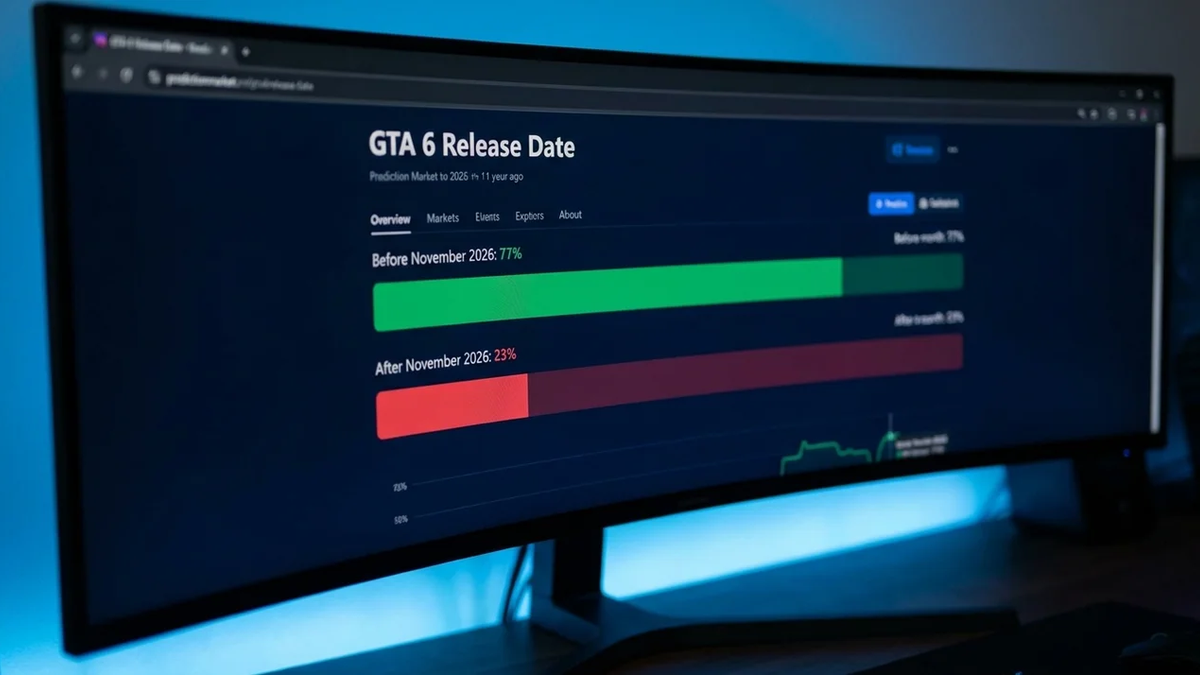
Kalshi is one of many platforms that host dozens of markets built entirely around predicting the next big break in gaming. How much will GTA 6 cost? Will a new trailer drop before June? Even the in-game radio soundtrack is receiving thousands of dollars in predictions. These markets aren’t just community polls; they represent millions of dollars from real people with money at stake.
One aspect of prediction markets gives them a great advantage over leaks: the financial penalty for being wrong. When a YouTuber passes along false information, the cost is little more than a disappointed community. When Kalshi traders bet on the wrong release date, they don’t lose reputation — they lose money. The financial underpinning of the system enforces quality information. The best traders do not simply guess; they research. Cross-referencing patterns, examining past performance, earnings calls, and job postings serve as signals for prediction market traders. Markets then aggregate each individual’s research into a price that reflects the best judgment of everyone with something at stake.
The numbers back that up. When Rockstar announced that the release of GTA 6 would be delayed to November 2026, Kalshi traders who had priced a 77% chance of a February 2026 release crashed that number to 7% within hours. No YouTubers, industry insiders, or Reddit threads reacted quite as fast. The market knew.
Of course, leaks still occur. Some of the biggest pieces of information in recent gaming history have been revealed through leaks — a teenager released 90 GTA 6 videos straight from Rockstar’s Slack channel. But as studios improve their information security and prediction markets become more sophisticated in the questions they ask, the balance of power in gaming speculation will continue to shift. The new opinion leaders don’t have sources inside Rockstar — they’re trading on Kalshi.
