
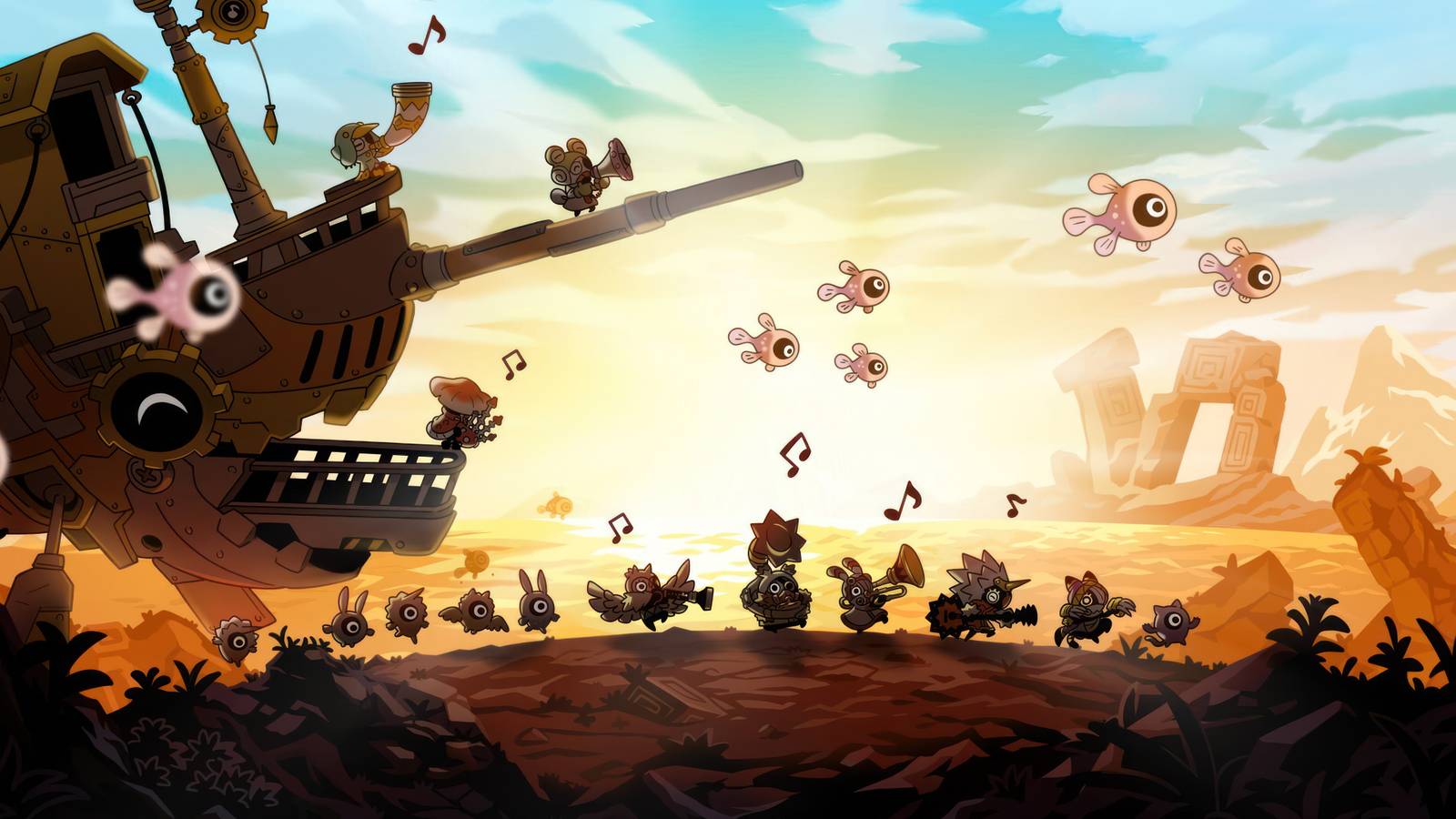



Sure, it’s true that PlayStation has introduced some pretty weird games over the years, and Papaton is definitely one of the most unusual titles out there. It doesn’t just give players control over an army; instead, it asks them to issue commands through musical rhythms, which is definitely an interesting approach to strategy. And even though Papaton might not be the first franchise that comes to mind when we are talking about PlayStation’s biggest hits, its concept is definitely peculiar enough to not only catch people’s eye but to also deserve some recognition. Interestingly, Ratatan seems determined to prove that this idea has plenty of potential.
Ratatan was released recently, and it is a spiritual successor developed with the involvement of some of the original Papaton creators. However, rather than simply recreating and repeating the original experience, the title introduces a few additional mechanics to keep things more interesting. This raises an interesting point about whether forgotten PlayStation concepts would benefit more from being reinvented instead of receiving another remaster.
Ratatan Proves That Old Rhythm Mechanics Can Support Modern Progression Systems

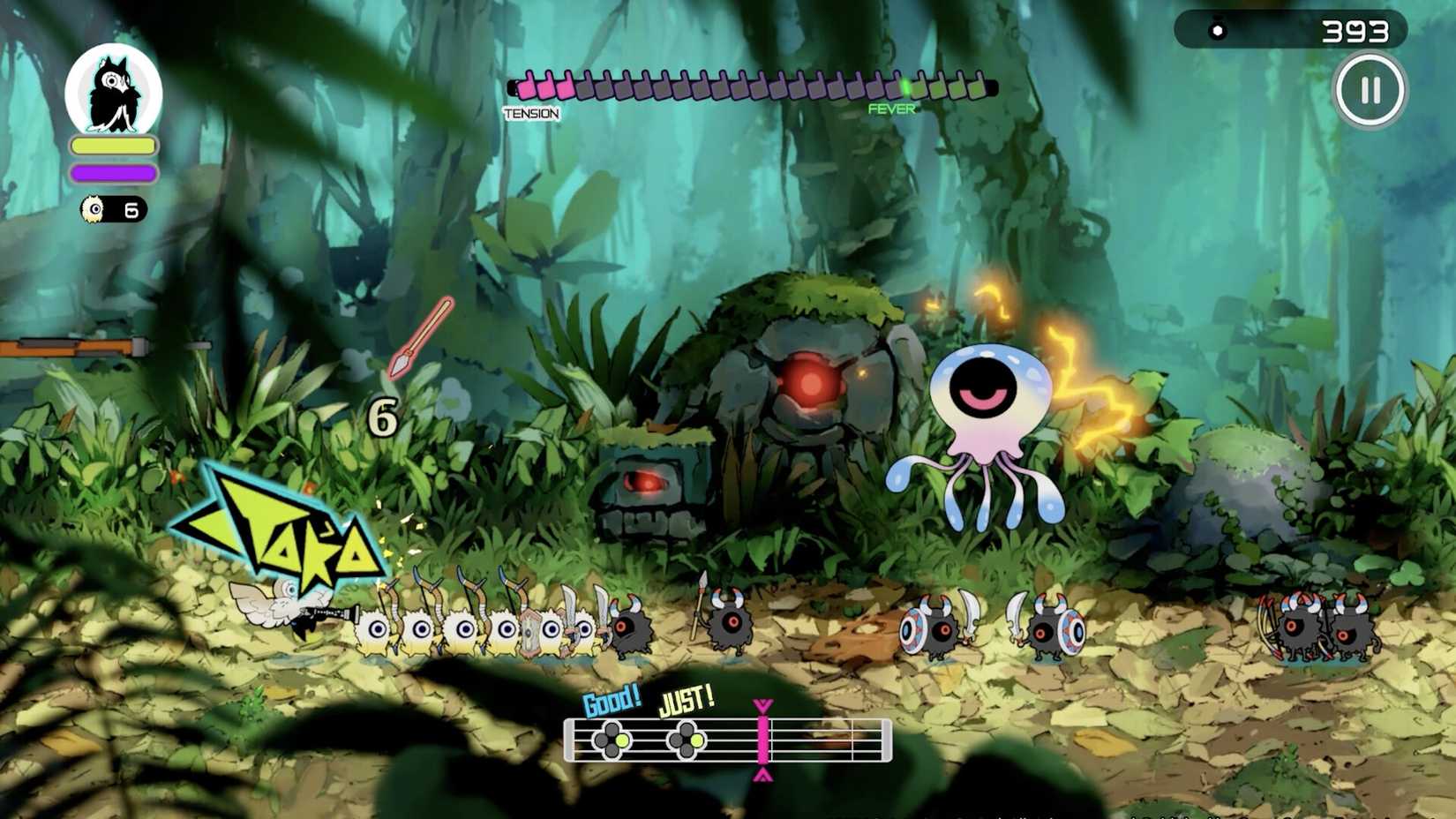
In all honesty, one of the best things about Ratatan is how it combines rhythm-based combat with roguelike mechanics. Sure, players still have to use musical commands to control their armies, but there are also plenty of random events and progression systems that influence their journey. This basically means that there is another layer of complexity there, as players also have to adapt to changing circumstances instead of just relying on the same approach every single time. This is very important when it comes to replayability.


Guess the games from the emojis.
Moreover, unlike Papaton, Ratatan introduces online multiplayer for up to four players. This doesn’t mean that the battles are any easier, though. People really have to learn how to properly coordinate their actions and pay attention to positioning more than ever. Many would agree that there is something appealing about taking a concept traditionally associated with single-player gameplay and turning it into a cooperative experience; after all, not everyone likes playing alone. In this case, adding multiplayer could help a game like Ratatan reach people who might otherwise overlook the game. However, what’s more important is that it achieves this without replacing the musical commands that define the original concept.
Ratatan’s Full Release Shows Why Reinvention Needs More Than a Clever Concept
-

-

-


It makes sense that introducing new and interesting mechanics is just one part of the job. Developers really need to think about whether these features could actually work well together as well; if these features are all there is, then there’s not much point in keeping playing. For example, Ratatan reached version 1.0 on October 14, 2026, following its Early Access period. The full release introduced Episodes 3 and 4, the final world, additional bosses, and the conclusion of its story.
Ratatan is currently available on PC via Steam, PlayStation 5, Xbox Series X|S, and Nintendo Switch 2.
This is important because even though the interesting mechanics have the potential to attract a lot of players initially, there still needs to be a substantial adventure behind it as well. In this case, the developers have acknowledged that combining rhythm-based gameplay with direct controls, roguelike mechanics, and multiplayer made the development of the game way more complicated than it was supposed to be. And quite frankly, maybe it is for the better. After all, even though adding more systems doesn’t necessarily improve a game, it could definitely be a breath of fresh air as long as everything included has a purpose and the different mechanics work well together.
Ratatan Could Encourage Developers to Take More Risks With Forgotten Franchises

Generally, there is absolutely nothing wrong with remasters, especially if you feel like taking a nostalgic walk down memory lane. And it’s true that some titles genuinely deserve to be preserved; not everyone wants their childhood game completely redesigned. However, remasters generally focus on bringing back an existing experience rather than exploring what the original ideas could have achieved if they were created in the modern day. And considering all the unusual concepts that PlayStation has introduced over the years, it would be a shame if nostalgia were the only reason to ever revisit them. It’s worth considering that bringing back an old franchise is usually not the definition of a safe investment, especially when there is just no guarantee that modern audiences will even be interested in playing it.
This is usually where developers have to really decide whether they will try to appeal to longtime fans or take some risks that might attract entirely new audiences. Of course, trying to please everyone is simply impossible, and it tends to bring a lot of trouble, but Ratatan is proof that building on a familiar concept is not necessarily something that needs to be avoided. Sure, it’s still too early to tell whether this approach will encourage other developers to revisit their old ideas, but maybe it could serve as a reminder that there is still freedom to experiment. If anything, some of the most successful games have started with an unconventional idea.


- Released
-
October 15, 2026
- ESRB
-
Everyone 10+ / Fantasy Violence, Mild Language, Alcohol Reference, In-Game Purchases
- Developer(s)
-
Ratata Arts, TVT Co. Ltd.
- Publisher(s)
-
Game Source Entertainment
- Engine
-
Theory Engine