







Metaphor: ReFantazio is finally making its way to Nintendo Switch 2 on November 12, and Atlus is giving players a pretty good reason to pick it up. The acclaimed RPG is launching at a lower price than it did back in 2024, with early-purchase bonuses thrown in for good measure. Considering how often older games arrive on new platforms at full price, this is a welcome change.
I’ve been looking forward to seeing more of Atlus’ RPGs on Switch 2, and Metaphor: ReFantazio feels particularly well suited to the console. It’s a massive game, and having the freedom to play it away from a television is appealing enough on its own. But what really caught my attention was the price. I think Atlus is handling this release exactly how publishers should approach bringing older games to new hardware, and I’d love to see more of them follow suit.
There’s something frustrating about seeing a game that’s been available for years turn up on a new platform with a full-price tag attached. I understand that ports take work, and developers deserve to be compensated for that work, but there’s a limit to how much I’m willing to spend on a game I could already have played elsewhere. Metaphor: ReFantazio will be over two years old by the time it launches on Switch 2, so I’m glad Atlus isn’t treating it like a completely new release. The lower price makes it easier for newcomers to take a chance on the game, and it also gives returning players a better reason to consider buying it again.


Guess the games from the emojis.
That’s important for a console like the Switch 2, where ports of existing games are helping to fill out the library. I’ve never had a problem with older titles getting another release, particularly when they’re games worth revisiting. The issue comes when publishers expect players to pay the same price they would for something brand-new. Some people will happily do that for the convenience of playing on Nintendo hardware, but I imagine plenty of others would rather wait for a sale. By launching Metaphor: ReFantazio at a lower price, Atlus is giving those players less reason to hold off. It’s a sensible decision, and one that makes the release more appealing from the outset.
The early-purchase bonuses are a nice touch as well. Players who buy the Switch 2 version early will receive the Archetype EXP Chest Set and Adventurer’s Journey Pack, which provide items and resources to help them along. I wouldn’t say these bonuses are enough to convince someone to buy the game on their own, but I appreciate that Atlus is including them alongside the reduced price. Early-purchase incentives can sometimes feel a little cynical, especially when they’re attached to expensive releases. Here, they come across as a reasonable extra for people who were already planning to jump in. The lower price does most of the heavy lifting, but I certainly wouldn’t complain about getting a few useful items to start the adventure.
And there’s plenty of adventure to get through. Metaphor: ReFantazio is a huge RPG, with a lengthy story and a combat system that encourages players to experiment with different Archetypes. Its calendar system will also be familiar to anyone who has spent time with the modern Persona games, although Metaphor puts its own spin on the formula. I can see myself getting absorbed in that sort of experience on Switch 2, particularly when I don’t feel like sitting at my desk for hours. It’s the kind of game where being able to make a little progress whenever I have some free time would be genuinely useful. Of course, that appeal depends on how well the port actually runs, but the idea of having Metaphor available in handheld mode is already a strong selling point.


One of the things I like about ports is that they give games another chance to reach people who missed them the first time around. Metaphor: ReFantazio was one of 2024’s biggest RPG releases, but that doesn’t mean everyone who was interested in it actually found the time to play it. A game this long can be a difficult commitment, especially when there’s always something else competing for attention. Having it on a portable system could make that commitment easier. I know I’ve found myself making more progress in lengthy RPGs when I can play them in smaller chunks, and I suspect Metaphor will benefit from that flexibility. The reduced price makes the prospect of finally getting around to it even more tempting.
I also think there’s a broader lesson here for publishers bringing their back catalogs to Switch 2. It’s great that the console is getting access to games that previously skipped Nintendo hardware, but players shouldn’t automatically be expected to pay a premium for the privilege. A port can still be worth buying years after the original release, especially when it offers a convenient new way to play. That doesn’t mean it needs to carry the same price tag it did at launch. Atlus seems to have found a reasonable balance with Metaphor: ReFantazio, and I hope the decision pays off. I’d much rather see publishers encourage more people to give an older game a chance than rely on the enthusiasm of existing fans to justify a higher price.

I’m excited to see Metaphor: ReFantazio arrive on Switch 2, and I think Atlus deserves credit for how it’s approaching the release. The ability to play such a substantial RPG on a handheld is already appealing, and the early-purchase bonuses are a welcome extra. Still, it’s the lower price that makes the whole thing easier to recommend.
I’ve seen enough older games return at full price to appreciate when a publisher takes a more reasonable approach, particularly when it’s bringing a game to an entirely new audience. There’s no guarantee that the Switch 2 port will be perfect, and I’ll be interested to see how it performs once it’s in players’ hands. For now, though, Atlus has made a good first impression. I hope more publishers recognize that a fairer price can go a long way toward making an older game feel worth picking up again.

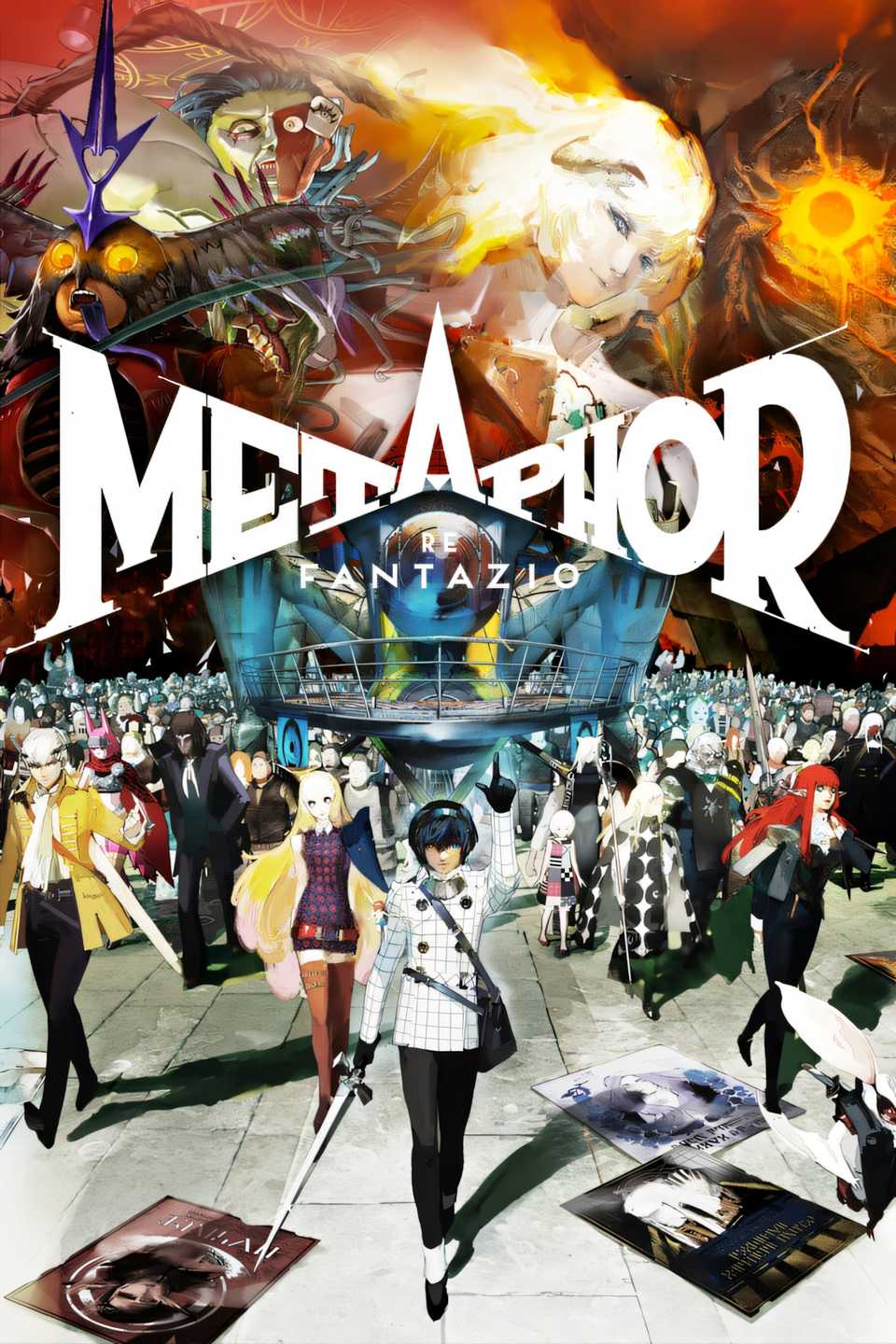
- Released
-
October 11, 2024
- ESRB
-
Teen / Blood, Language, Mild Suggestive Themes, Use of Alcohol, Violence
- Developer(s)
-
Studio Zero