









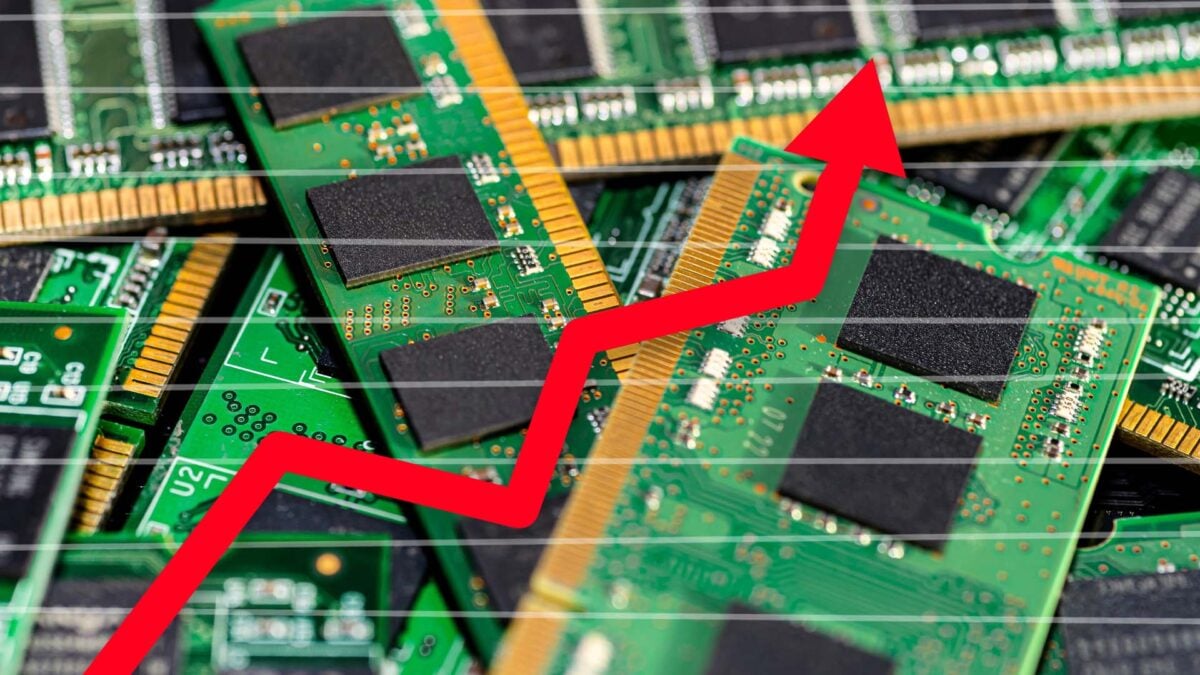
Nearly every piece of modern technology, including consoles and computers, is more expensive today than it was a year or two ago due to ongoing memory shortages fueled primarily by AI hyperscalers. And if you were hoping that maybe the situation would start to level off or even improve going into 2027, well, I’ve got bad news. Samsung, one of the largest memory chip makers around, expects things to get worse, not better, next year.
As reported by TechCrunch on July 31, Samsung said in its Q2 earnings call that AI companies and labs have been “sharing their medium- to long-term demand forecasts” directly with the memory maker in the desperate hope of trying to secure enough future supplies of chips.
So this means that Samsung, which produces and sells around a third of the world’s memory chip supply, has been able to glimpse the future of the memory shortage crisis, and what it has seen has convinced it that demand for memory will increase even further in 2027. This will lead to even more supply constraints and likely more price increases on tablets, PCs, consoles, and phones. And during that same call, Samsung also explained that it expects the high-demand, low-supply memory situation to continue at least into 2028.
The ongoing DRAM shortage, often referred to online as RAMageddon, has been the driving factor behind the last 16 months or so of tech price hikes. Xbox and PlayStation consoles cost more than ever. Apple is increasing prices on its cheaper devices and has instituted pay-later options. Even retro devices and kid-friendly mini-consoles are seeing price increases as companies like Valve struggle to compete with AI hyperscalers, labs, and data center builders.
For Samsung, this situation is working out for it pretty well. Sure, its consumer devices aren’t selling as well as before, but it’s making a ton of money prioritizing larger clients who are signing long-term contracts to secure memory chips for months and years to come. And if companies like Valve don’t want to play ball with Samsung or other memory chip makers and pay their increasingly high prices, they might end up losing the necessary access to buy any RAM at all. It’s a bad situation that is only going to get worse next year.
