
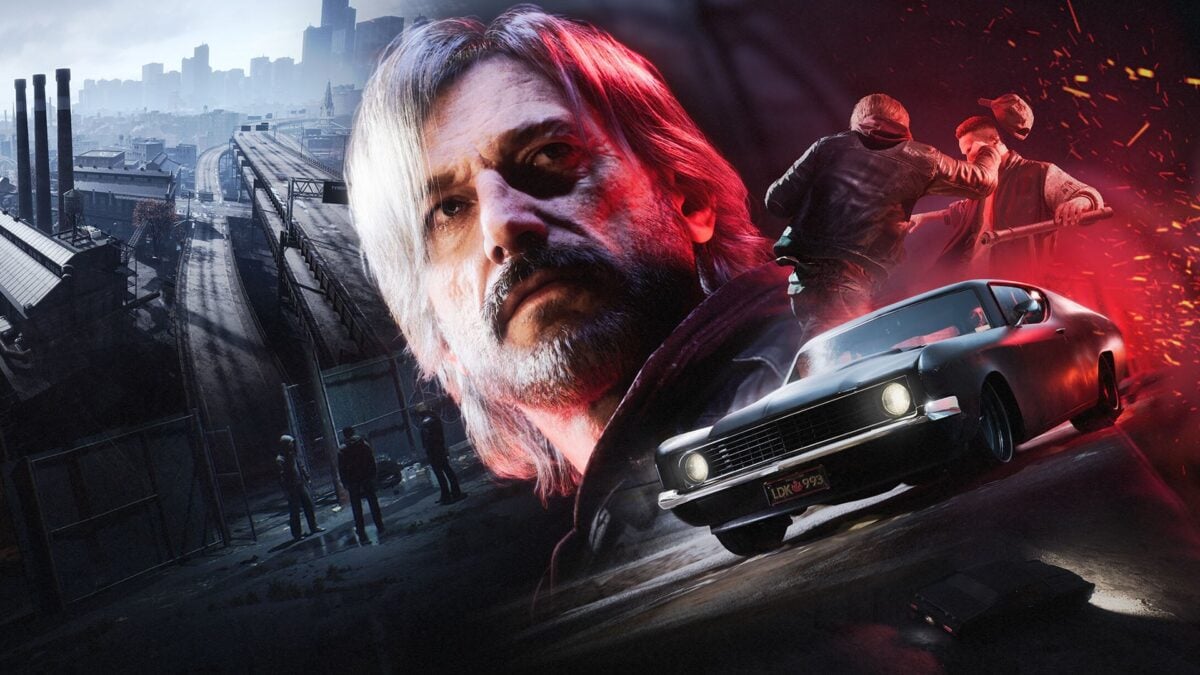



Creating a worthy sequel is hard. The first game sets certain expectations, and many developers fall into the common trend of making sure the second chapter is bigger in nearly every single way. That’s not really a bad thing, of course, but The Sinking City 2 has proven that a sequel can actually succeed at being a better game while also being much smaller. The Sinking City 2 completely turns away from the foundation its predecessor laid, and it’s better off for it.
It’s been seven years since the first Sinking City was released. Developer Frogwares’ Lovecraftian mystery had plenty of interesting concepts, but the game didn’t quite deliver on what it could have been, making for some heavily mixed reviews. However, Frogwares went back to the drawing board with the sequel, and the new direction has made feedback to The Sinking City 2 far more positive. There are several key reasons why The Sinking City 2 is a stronger experience than its predecessor, but the core game-changer is that Frogwares scaled back the game’s overall scope.
The Sinking City 2 Is a Great Demonstration of How Sequels Don’t Always Have to Go Bigger to Be Great

Whether it’s a video game, a movie, or even a book, sequels tend to expand the lore and world by going bigger. It only makes sense, but that approach simply doesn’t work for every kind of story. Going bigger sometimes risks losing sight of what made a story so compelling in the first place. What’s so interesting is that The Sinking City‘s story actually started off too big.

Guess the games from the emojis.
Guess the games from the emojis.
Easy (120s)Medium (90s)Hard (60s)
The first game featured an open-world investigation formula, and even though it worked in some instances, it often made the experience feel more repetitive and tedious over time. This time around, Frogwares decided to opt for a linear survival horror story akin to games like Resident Evil Requiem and Alan Wake 2. Fans of the first Sinking City who loved the investigative elements will still be able to scratch that detective fantasy itch with this sequel, but it will just be within a more tight-knit world design and isn’t as central to the plot.
Games With Sequels That Went Bigger Than the Previous Chapter
- Horizon Zero Dawn Horizon Forbidden West
- Red Dead Redemption Red Dead Redemption 2
- The Legend of Zelda: Breath of the Wild The Legend of Zelda: Tears of the Kingdom
- The Witcher 2: Assassins of Kings The Witcher 3: Wild Hunt
- Batman: Arkham Origins Batman: Arkham Knight
The games listed above make it clear that going bigger with a sequel often works incredibly well. Expanding a game with every new entry can be a great way to make in-game exploration more exciting. It’s just that Frogwares realized that that kind of approach wouldn’t work for The Sinking City 2. The first game’s open-world design held it back, and Frogwares’ decision to rein in the sequel was a risky leap into the unknown that ended up being the foundation of a much better iteration of a Lovecraftian world. Games inspired by Lovecraft are all about the atmosphere, and a survival horror formula is a much stronger genre to bring that kind of cosmic dread to life.
The Sinking City 2 Is Resident Evil and Silent Hill Wrapped Up in a Cosmic Nightmare
Because of its pivot into the survival horror genre, a lot of reviews have been comparing The Sinking City 2 to the Resident Evil and Silent Hill games. Resident Evil‘s resource scarcity is a defining feature of the franchise, while Silent Hill is focused heavily on psychological torment and dread. The Sinking City 2 combines both of these, and it enhances the game’s bleak atmosphere.
Frogwares’ decision to rein in the sequel was a risky leap into the unknown that ended up being the foundation of a much better iteration of a Lovecraftian world.
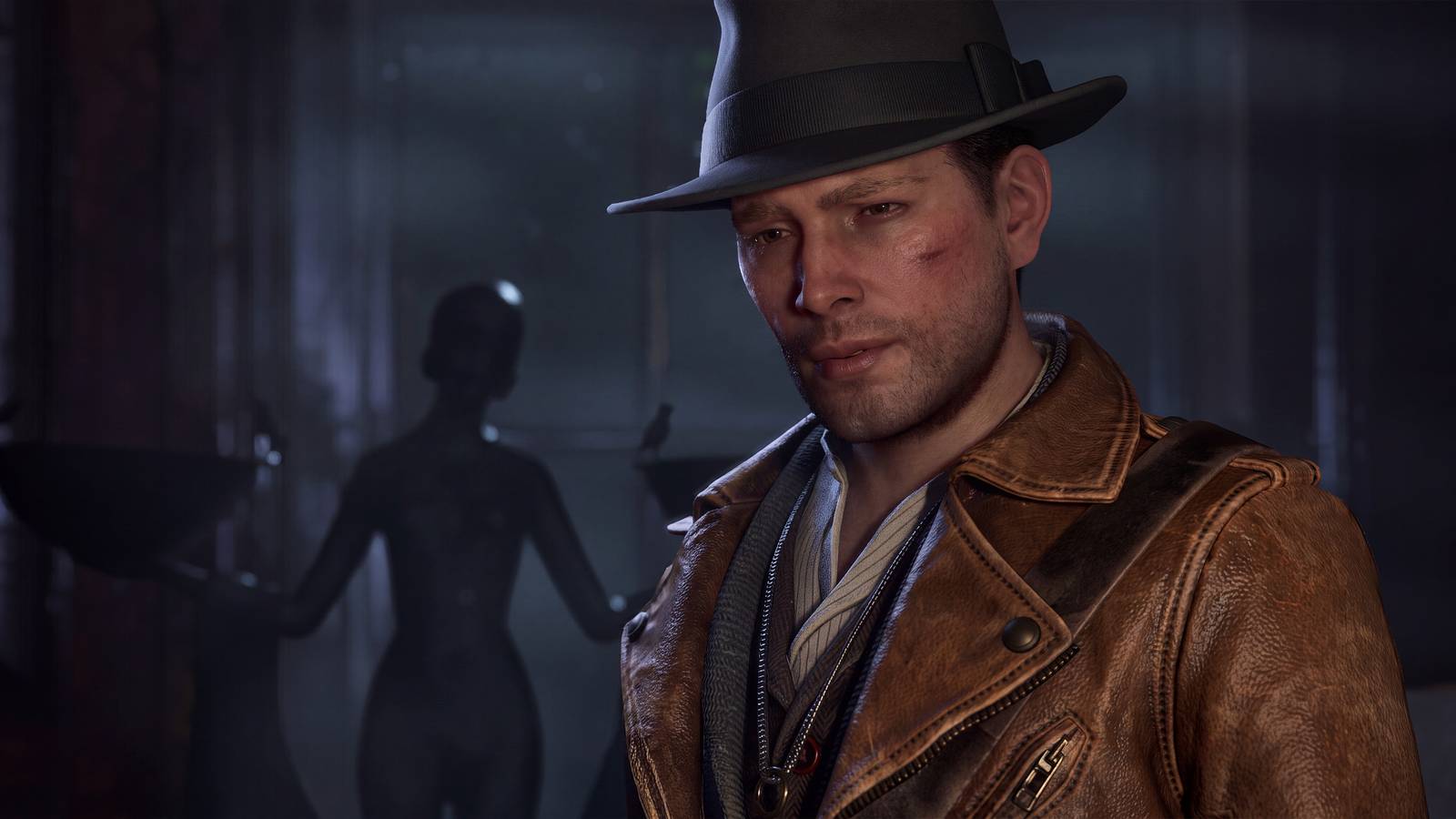
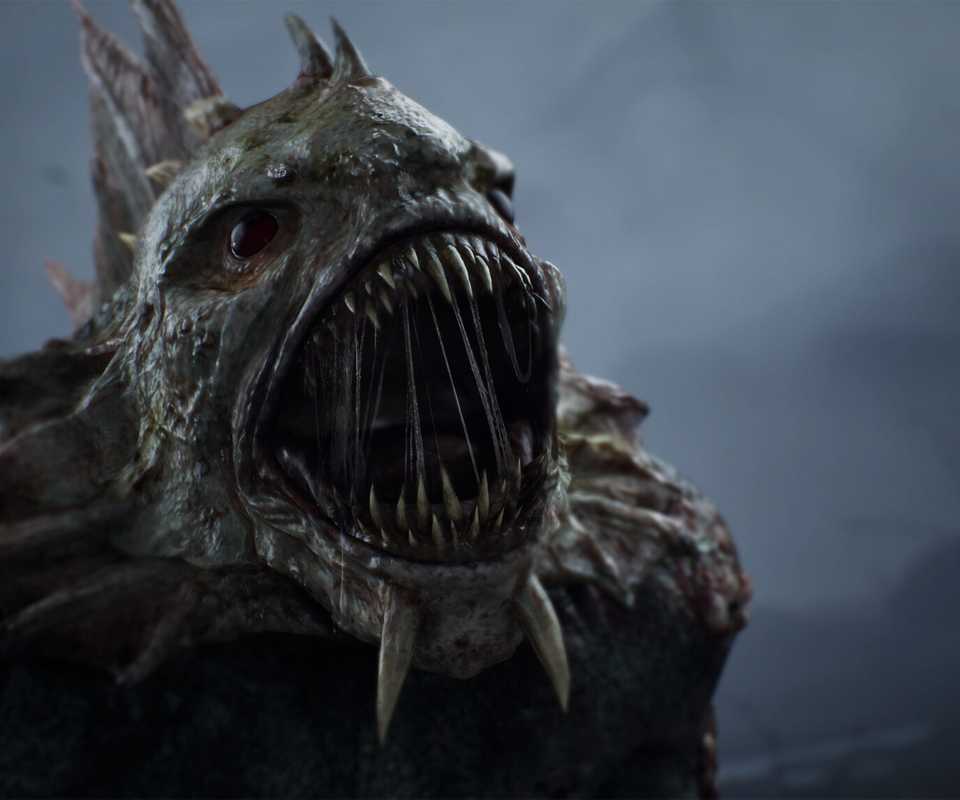
Protagonist Calvin Raffery has to investigate the town of Arkham’s mysterious flood that harbors disgusting water-dwelling parasites called the Slither. These stomach-churning hive mind slugs take over the bodies of corpses, giving rise to one of the scariest body horror monsters of 2026. The Slither requires players to be strategic and careful when being dealt with, and these moments are when the Resident Evil and Silent Hill influences become quite clear. GamesRadar’s review had some compelling points about this combo:
Plenty of moments throughout The Sinking City 2, ammo and health feel scarce enough to the point I have to seriously consider which enemies are worth blasting out of my way or simply trying to dodge my way around. Because, even when felled, The Slither can keep coming. Even now, I don’t fully understand how this works, but the wormy abominations that burst forth from a defeated enemy can dart across to a new corpse to animate, making some areas feel like slaughterhouses with how many Slither keep coming.
The Slither creates a sense of helplessness that is essential for any great survival horror game. It’s completely possible for open-world games to be scary, but The Sinky City 2 showcases how much more effective the survival horror genre is at creating such a deep and sweat-inducing helpless feeling. The linear design makes you feel cornered and claustrophobic, which is needed in order to make the Slither feel like a true threat.
Frogwares Didn’t Have to Change The Sinking City 2’s Formula, But This Decision Probably Saved the Game
As a developer, it can’t be easy deciding to tone down the original vision’s scope. However, Frogwares wanted to tell a scarier story and understood that this required a significant rework. There are plenty of game sequels that are better than the original, but that isn’t an easy thing to achieve.
Frogwares took a risk that has made The Sinking City 2 one of the most intriguing horror games of 2026. After the success of Resident Evil Requiem and the upcoming Silent Hill: Townfall release at the end of September, it’s going to be fascinating to see how this dread-filled Lovecraftian mystery stacks up against these larger horror franchise entries.


- Released
-
August 18, 2026
- Engine
-
Unreal Engine 5
- Franchise
-
The Sinking City