






Star Wars Zero Company is finally here, pivoting the inimitable space-faring franchise into the realm of turn-based tactics a la XCOM. As someone who played and reviewed Star Wars Zero Company ahead of launch, I naturally have a lot of thoughts and feelings about it, nearly all of them positive.
There’s been quite a bit of praise heaped upon Star Wars Zero Company‘s simple-but-effective combat design and writing, but it’s the manner in which these disparate elements combine that makes the game truly special. It’s more than the sum of its parts, in other words. Something that’s stuck with me quite a bit in this respect, especially as I contemplate a second playthrough, is Zero Company‘s approach to progression. Coming from the likes of Mass Effect, I had a fairly solid idea of how both mechanical and narrative progression (e.g. NPC questlines) were handled in these sorts of RPGs. But Star Wars Zero Company shakes up these concepts, welcoming them into its larger, more cohesive whole.
How Star Wars Zero Company’s Companion Progression Differs from Its Contemporaries
To demonstrate how Zero Company distinguishes its companion system from other RPGs, it’s useful to compare it to Mass Effect 2, which seems to be one of Bit Reactor’s influences. In ME2, players can deepen their bonds with NPCs by speaking to them between missions and earning their approval through certain dialog choices. This will eventually culminate in a character-specific loyalty mission, the completion of which rewards a new ability and outfit for the NPC in question. This system has its unique quirks, but it’s quite similar to how most RPGs handle companion systems: talk to a character as much as possible, relentlessly agree with them, and pick up some gameplay bonuses along the way.
It’s a similar story in Star Wars Zero Company, but one that’s decidedly more holistic and smoothly integrated. You can speak to your companions back at base like in Mass Effect, but these are almost always brief, to-the-point conversations. There’s no small-talk or forced humor, just characters with their own personal missions, talking to the player-character for a specific, understandable reason. But that’s what happens when a game is as well-written as Star Wars Zero Company.
There are dialog choices in Zero Company, but not many. When they do show up, they are unlikely to make a major difference in Hawks’ relationship with a given character. Rather, Hawks’ bond with a companion goes up or down on an 8-level scale, depending on a number of different factors, the greatest of which occur during moment-to-moment gameplay. Using support skills or Zero Company‘s free tag-team ability on a fellow operator will increase the bond between them and Hawks, as will reviving them during combat missions and aligning with their preferences in the game’s text-based Operations.
As Hawks increases their bond level with a companion, they will each be upgraded with one of three permanent stat buffs, like an increase in ranged damage or movement distance. What’s more is that this system doesn’t just apply to Hawks’ relationship with NPCs: every single two-character combination has its own dedicated bond level, which can be increased by having them sortie together on missions and support each other in the aforementioned ways.
Why Star Wars Zero Company’s Character Bonding System Is Such a Breath of Fresh Air
Bonds between different playable characters in Star Wars Zero Company increase incrementally, with rewards issued to players for each level gained. This creates an incredibly high power ceiling for each character, and you’re guaranteed to get at least one bond level increase (translating to two upgrades, one for each bonded character) per mission. When you factor in Zero Company‘s recruitment system, which allows you to create and dismiss custom characters at will, the power ceiling for each squad member becomes virtually boundless, as there are always new bonds that can be developed.
The notion of endless progression is a compelling one. The magic of Zero Company is that, in your mission to upgrade your favorite characters as much as possible, you will basically be forced to experiment with different team combinations. For example, my favorite team comp in Zero Company consists of Hawks, BR-1, Tel-Rea, and Cly, but if I only ever sortied with these four, I would reach their respective progression ceilings very quickly. To make my favorite characters even more powerful, I had to pair them with different teammates, oftentimes ones I wouldn’t have first considered.
This sort of experimentation can be wonderful in a tactical RPG, but sadly, precious few entries in the genre successfully encourage it. In a game like Final Fantasy Tactics or even Baldur’s Gate 3, it’s remarkably easy to fall into a routine with your party comp and playstyle, leaning on the same tried-and-true methods to cheese encounters that would otherwise be difficult. Star Wars Zero Company still lets you do this, but it incentivizes stepping out of your comfort zone by offering tantalizing rewards.
To make my favorite characters even more powerful, I had to pair them with different teammates, oftentimes ones I wouldn’t have first considered.
Worth noting is how this dynamic kicks back to the Star Wars Zero Company‘s narrative. For one thing, the more generalized fantasy of being on a team of Star Wars mercenaries is buttressed by party experimentation: you’ll inevitably feel closer to various NPCs, even custom ones without pre-baked backstories, if you spend time with them, as it were, on the battlefield. But Star Wars Zero Company also has classic, BioWare-esque companion quests, as the core members of Zero Company all have multiple specific missions, which both them and Hawks must sortie on together. In this sense, the game offers players the best of both worlds: an organic, freeform bond progression model, and a more traditional, structured one.
By giving players greater and more frequent control over characters’ relationships with one another, Star Wars Company‘s social sim elements are able to succeed where similar systems in other games fall short. To those accustomed to sprawling dialog trees, Zero Company‘s approach may seem a bit barebones, but stick with it, and its full complexity will flourish.

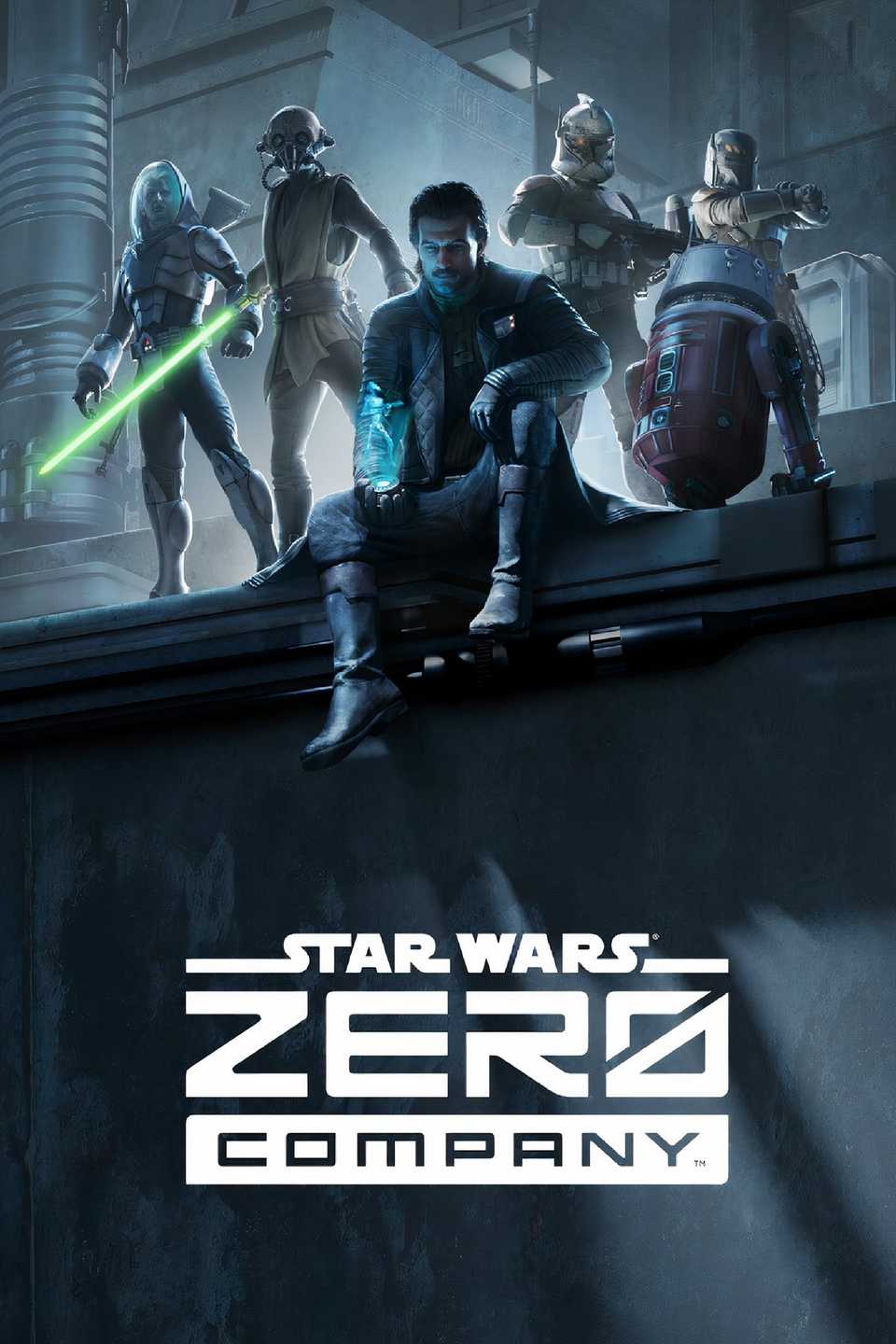
- Released
-
August 27, 2026
- Developer(s)
-
Bit Reactor
- PC Release Date
-
August 27, 2026