


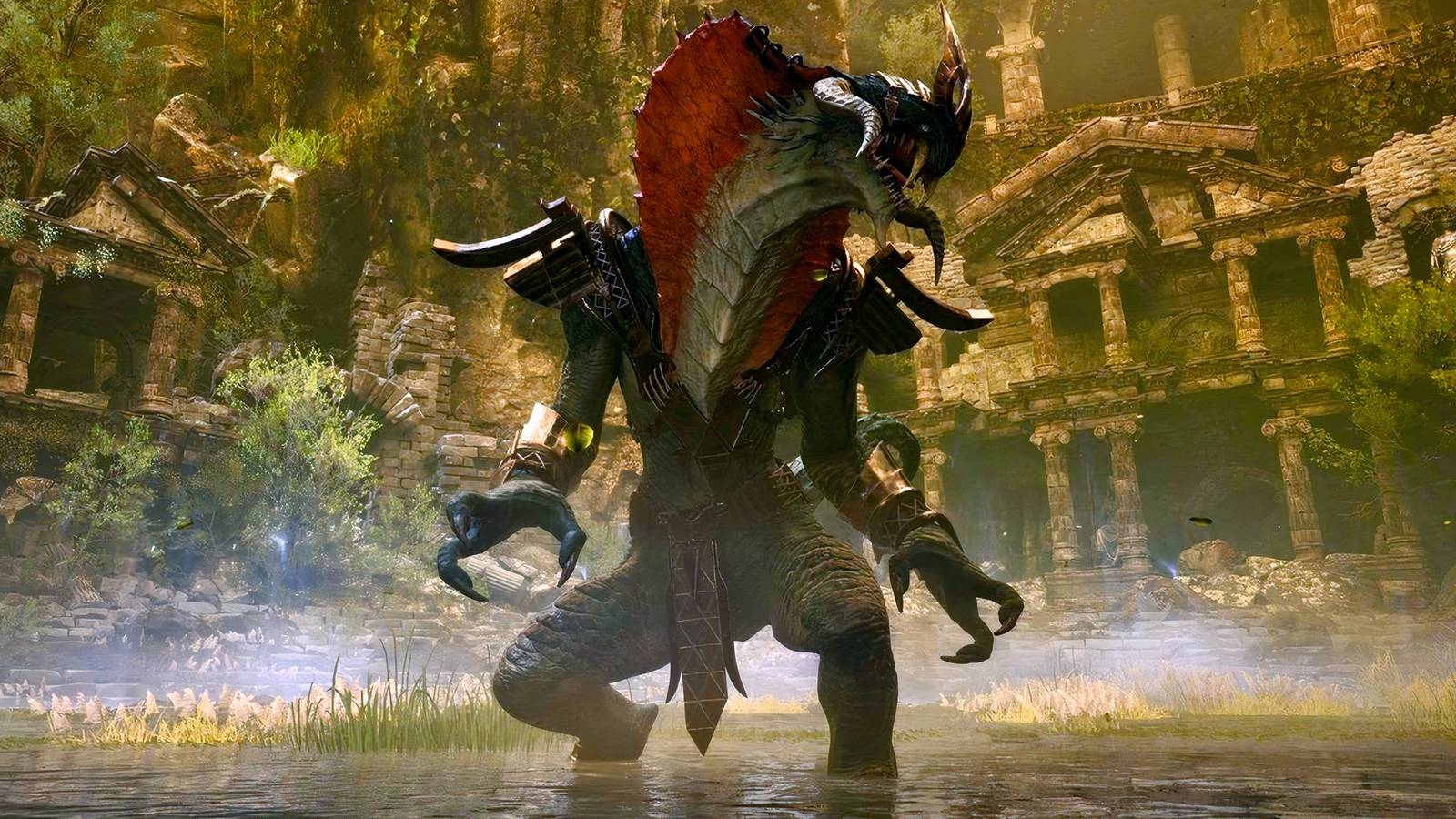



The indie game world has exploded on Steam, in particular, over the past few years, spearheaded by world-class developers who have enough creativity and a healthy dose of crazy to deliver some of the greatest games the world has ever seen. But with the market being so crowded, it can be very difficult to stand out, with everyone trying to get a piece of the same pie without any clear ways of reaching the top. However, what we have seen is that there is certainly a correlation between taking an existing concept or idea and putting an insane spin on it, whether it be giving a dinosaur a sword in Dinoblade, or turning creature collecting into an open-world adventure that just so happens to include a few guns like in Palworld.
The latter is perhaps the best example of ridiculous ideas seeing ridiculous success on Steam, as the game has some pretty incredible accolades both in terms of player counts and overall sales volume. Because of how popular Palworld has become, I think it is the ideal case study for future indie devs to look at and take heavy inspiration from, not in a literal sense but a psychological one. The common thread that ties break-out indies together is the willingness to give in to the “what ifs?” and to accept outlandish ideas and creative thoughts, rather than rejecting them in place of safety. If you want to break away from the crowd and have a real impact on the industry, then the only way to do it in the indie world is to be different and to let those talents flow in whatever silly or borderline nonsensical direction you see fit.
Palworld Takes A Familiar Idea And Puts A Ridiculous Spin On It
-

palworld PvP multiplayer update -

-

Palworld Sakurajima Island Tori


The original marketing pitch for Palworld was pretty basic, and because of how familiar it felt, so many players instantly gravitated toward it. The idea of Pokemon with guns isn’t too far from the realm of normalcy, but the devs were the first to execute it as well as they did, gifting us with an incredibly polished and well-thought-out survival adventure that could keep you and your friends invested for anywhere from two to 200+ hours. Lawsuits and arguments aside about copyright, the fact remains that Palworld wasn’t afraid to use existing ideas from other well-known IPs and put their own spin on it to deliver something pretty unique that many would consider to be more fun than the inspiration.
This trend of simple concept to crazy execution has now shown itself to be the secret sauce that drives indie game success, outside a few cases where hitting a current trend is more important than having a unique idea. Another indie game, Dinoblade, started as nothing more than a simple tech demo showing what a greatsword-wielding dinosaur would look like. Fast-forward a few years, and we can now actually play a full soulslike RPG from the prehistoric era, with large-scale boss fights and a decent enough combat system that will be satisfying enough even for the biggest diehard of the genre. In this case, the project is a lot smaller in scale than Palworld, yet I would argue it is actually more important to the conversation surrounding indie ideas. We might not know the exact details behind the scenes, but I imagine the creator and the rest of the team basically thought it would be cool or funny to see a Spinosaurus running around with a sword and decided to make that whimsical dream a reality, showing first-hand the power that passion and wonder can have.
Part of why the relationship between creativity and reality is so interesting to me nowadays is because of how much more accessible video games have become for creators. Back in the day, AA or indie developers were still on the outskirts of the market, making products that would see some mainstream success but never really took center stage. That has all changed thanks to the countless recent successes by smaller creators who have demonstrated that it is not only feasible, but possible to take up a large position within the market, scooping up sales and high review scores that would otherwise be reserved for much bigger games. Look at games like Hollow Knight, Hades, or more recently, Clair Obscur, all independent creations that have fundamentally changed how we look at the industry as a whole. Then there’s the crazier ones, games like Palworld and Dinoblade that are taking that bold step into the unknown and finding that there is a sizable audience waiting for them out there.
Strange Yet Successful Steam Indie Games
- Shotgun King
- Denshattack!
- Stonemachia
- Dread Delusion
- Cruelty Squad
What we can see is that, for the most part, there isn’t a whole new genre or a groundbreaking revelation being made by these games. Instead, they are building on the groundwork laid by decades of other developers and showing off their unique spin or idea that may be very simple or completely bonkers, but it is the courage to do so that has given them a platform that would otherwise never have existed. Take Denshattack!, for instance, a game that takes notes from skating, racing, and platforming, with a nice hint of anime sprinkled in between, with the result being the ideal blend of fun and excitement that manages to make the concept of jumping trains and obstacle courses seem like a match made in heaven. Or Cruelty Squad, a shooter that forgoes any sense of normalcy for a psychedelic fever dream that still achieves the absurd vision laid out by the creators and now stands as one of the most celebrated FPS games in the history of the genre.
-

-

Palworld gun crafting factory -

Palworld Pal Sphere Aim
At the end of the day, the biggest takeaway from these games is the love of the medium and desire to escape predetermined boxes into whatever world the developers are aiming for. It doesn’t matter if the goal is to create an immersive horror experience using nothing but basic polygons, an open-world adventure filled with inflatable animals, a PvP arena full of color and vibrancy, or to try and merge a beloved IP with rifles and glocks; the essence of creativity remains the same throughout. Given how well a lot of these recent and historic releases have done, I am optimistic about the future of the indie space, with so many incredible new and crazy games releasing every day and down the line that it feels nearly impossible not to find something to get excited for.
On the other hand, I do think it is worth factoring in the new conversation starter of AI, which has already shown itself to be a real force within the games industry. We have AI thumbnails and AI code, and AI assets that are making game dev even more accessible, but also taking away a lot of the creative spirit that makes so many of these outstanding projects so special in the first place. Moreover, I see a world where AI becomes significantly more integrated into the day-to-day creative process, but much like how the industry is set up now, only the most interesting, best, and craziest ideas will be able to make it to the top of the charts. There will be an untold amount of brilliant ideas and absurd genre blends lost in the masses of releases, yet if the art is to come first, then I would say that physically bringing your ridiculous ideas to life is where the value should come from, rather than hitting sales targets.