

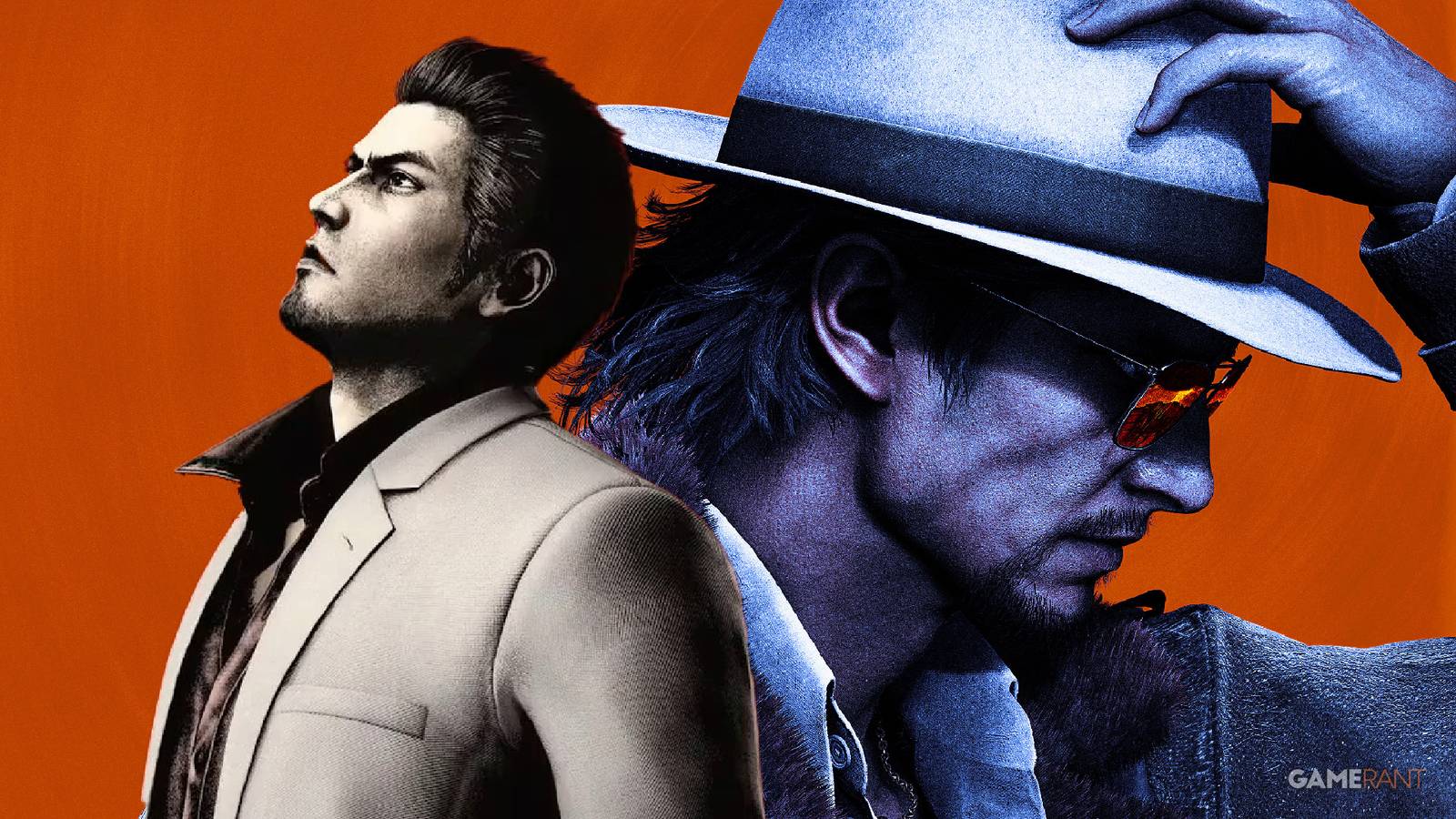



Following the release of Yakuza Kiwami 3 & Dark Ties earlier this year, RGG Studio’s brand-new IP, Stranger Than Heaven, is slated to be the developer’s next major release. While the wait for Like a Dragon 9 might be a bit longer still, Stranger Than Heaven will be the next best thing, carrying the torch for RGG’s signature crime drama storytelling and brutal beat ’em up combat. However, there may be a stronger connection between the two franchises than meets the eye, potentially setting Stranger Than Heaven up to be a cornerstone of the broader Like a Dragon universe.
Not a ton of details have been shared about Stranger Than Heaven so far, with RGG and Sega only drip-feeding fans with updates on the game in the time since it was initially revealed as “Project Century” at The Game Awards 2024. The recent Xbox Partner Preview showcase included a new trailer for Stranger Than Heaven, which revealed the five eras and cities that players will get to experience in the game. This new trailer makes it clearer than ever that Stranger Than Heaven is secretly a Like a Dragon game masquerading as a new IP.
Stranger Than Heaven is getting a deeper dive in a dedicated broadcast coming May 6.
Yakuza Creator’s New Game Gang of Dragon is Suddenly in Serious Trouble
Gang of Dragon, the upcoming game from Nagoshi Studio and Yakuza creator Toshihiro Nagoshi, may be heading for financial jeopardy.
Stranger Than Heaven is a Like a Dragon Game in All But Name
Although Sega and RGG Studio aren’t likely to admit it, the more that is shown of Stranger Than Heaven, the more obvious it becomes that the game connects to the Like a Dragon franchise in a major way. It may not carry the Like a Dragon name or feature any of the franchise’s iconic protagonists like Kazuma Kiryu, Goro Majima, or Ichiban Kasuga, but Stranger Than Heaven has all the hallmarks of the Like a Dragon series. Gritty combat and detailed historical depictions of Japan’s underworld across five eras give Stranger Than Heaven‘s main character, Mako Daito, the look and feel of a Like a Dragon protagonist in that franchise’s world, but the connection seems to run even deeper than that.
Stranger Than Heaven Basically Confirms That It’s Set in the Like a Dragon Universe
A major detail revealed in the latest trailer for Stranger Than Heaven is the five different cities across five eras in which the game will take place. These eras include:
- 1915
- 1929
- 1943 — Sotenbori
- 1951
- 1965 — Kamurocho
While only two of the five cities have been confirmed, these are the two most important locations for connecting Stranger Than Heaven to Like a Dragon. The 1943 era of Stranger Than Heaven will be set in Sotenbori, Osaka, the fictionalized version of Dotonbori that appears in games like Yakuza 0, Yakuza Kiwami 2, and Yakuza: Like a Dragon. The other dead giveaway that Stranger Than Heaven is set in the Like a Dragon universe is the presence of Kamurocho as the setting for the final 1965 era. Kamurocho is Like a Dragon‘s iconic fictionalized version of Kabukicho, Tokyo, and plays a key role in almost every Like a Dragon game.
The other three locations that Stranger Than Heaven will take players to have not yet been confirmed, but based on the footage shown in the latest trailer, there are a couple of standout options. A popular theory for the 1915 era’s location is somewhere in Yokohama, such as Ijincho from Yakuza: Like a Dragon, or perhaps a new location like Kitakyushu, which is historically home to early yakuza clans. The 1929 era’s location looks cold, likely placing it somewhere in Hokkaido, like Tsukimino, Sapporo, from Yakuza 5. The 1951 era’s city doesn’t immediately have an obvious real-world comparison, but some theorize it could be set in Japan’s Gunma prefecture.
Stranger Than Heaven Isn’t the First Non-LaD Game Set in the Same Universe

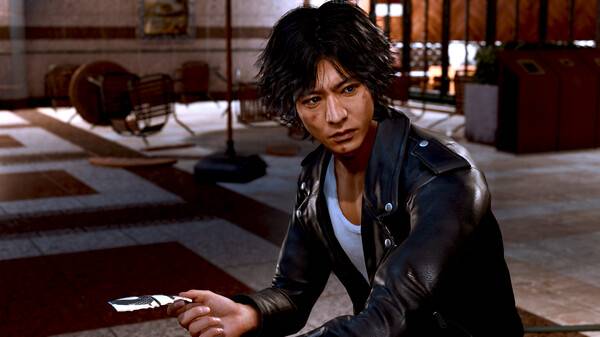
Like a Dragon‘s universe already extends beyond the games in the titular franchise. The Judgment series has helped expand that world outside of the confines of the Tojo Clan and its yakuza-centric storytelling while still keeping games grounded in the same locations players are familiar with, like Kamurocho in Judgment and Ijincho in Lost Judgment. As such, it’s likely that Stranger Than Heaven‘s use of places like Sotenbori and Kamurocho is an intentional way of fleshing out this same universe in a game that is all but Like a Dragon in name, and it wouldn’t be surprising to see past locations from the Like a Dragon series show up in the other eras as well.
How Stranger Than Heaven Might Connect to the Broader Like a Dragon Franchise
If Stranger Than Heaven is really part of the Like a Dragon expanded universe, there has to be a reason for keeping its connection to the franchise obscured. One of the prevailing theories about Stranger Than Heaven‘s Like a Dragon connection is that it will detail the founding of the Tojo Clan. Although the Like a Dragon series has never delved into the early days of the Tojo Clan’s history, 1965 would be around the time that Makoto Tojo would have founded the criminal organization based on the succession of Tojo Clan Chairmen.


Another potential connection is that Stranger Than Heaven could tell the story of how the Daidoji Faction was created. It’s possible that Minoru Daidoji, the founder of the organization, could appear in Stranger Than Heaven since the organization was founded in the aftermath of World War 2, which Stranger Than Heaven‘s 1951 and 1965 era would cover. Perhaps Mako Daito becomes entangled with Minoru Daidoji’s military funding embezzlement scheme and ends up as one of the Daidoji Faction’s first fixers.


Regardless of how Stranger Than Heaven ends up connecting to Like a Dragon, the writing is very clearly on the wall that this game will be a pivotal title for the larger Like a Dragon universe. As more information comes out about the story of Stranger Than Heaven, its connections to the Like a Dragon franchise will likely only become stronger.