



We’ve only gotten small hints about The Legend of Zelda film adaptation, but most gaming fans can likely agree that it’s going to be a rather significant project. After all, The Legend of Zelda is one of the most enduring video game franchises of all time, and any live-action movie based on it needs to do it justice. This goes double for the first-ever live-action Zelda film.
If this Legend of Zelda adaptation were being made, say, fifteen years ago, there may be greater cause for concern, but the 2020s have seen a surprising amount of good video game movie and TV adaptations. There are projects like The Last of Us and Fallout, which have been dominating the television landscape by appealing to more than just fans of the respective IP, but also more family-friendly pieces like The Super Mario Movie, and more recently, The Super Mario Galaxy Movie. The success of these films is even more impressive than something like The Last of Us since, unlike Naughty Dog’s seminal post-apocalypse franchise, Mario doesn’t have much in the way of storytelling to dig into. This means that the Super Mario adaptations can be more flexible and less stringent with certain elements of plot and tone, but this approach won’t work for every property.
The Legend of Zelda Movie Would Be Wise to Tap Into Recurring Characters, With An Asterisk Attached
While recurring characters in the Legend of Zelda franchise would be a welcome addition to the upcoming movie, caution would serve the film best.
The Super Mario Movies Can Be All Low-Stakes Fluff, but the Zelda Movie Can’t
The main reason why Super Mario works well as a movie despite not having much of an established plot is fairly obvious: the iconic but loosely defined nature of the Super Mario world lends itself to a lot of improvisation and creativity in an adaptation. Mario doesn’t even have a voice, so you could theoretically have anyone play him—even Chris Pratt, for whatever reason.
Fit the 9 games into the grid.
This is why the Super Mario movies are such fun, lighthearted romps: they don’t need to adhere to complex lore or storylines, just the most recognizable tropes and symbols of the ubiquitous Super Mario IP. Not only is it enough for the Super Mario films to focus on references, fluff, and low-stakes humor, it’s actually beneficial. One only needs to look at the infamous 1993 Super Mario Bros. film to see how detrimental it can be to try to “flesh out” the Mario universe, or place it within the context of the real world.
Zelda certainly has traditions and iconography of its own, but most of it is quite different from what’s seen in the Mario games. Mario staples like Fire Flowers and Red Mushrooms exist almost exclusively to flavor and alter gameplay, whereas something like the Triforce or Master Sword plays a crucial narrative role in Zelda.
In other words, The Legend of Zelda, while not exhibiting Naughty Dog or BioWare levels of mature, cinematic storytelling, is considerably more serious and complex than something like Super Mario. At the end of the day, the stories of Super Mario games are little more than formalities to facilitate gameplay, whereas the stories of Zelda games are often intimately linked to their gameplay, structure, and tone. Thus, the Zelda movie has to contend with actual plot, stakes, lore, and the like, incorporating core series elements in a coherent and engaging way. It’s not as free to be frivolous.
This tracks with what Zelda movie director Wes Ball said back in 2024, before the film was announced. When describing the kind of Zelda movie he would want to create, he said it would be “something serious and cool, but fun and whimsical.”
The Legend of Zelda Movie Will Probably Have to Take a Lot of Creative Liberties
Even with all that said, the Zelda film adaptation is in a curious position as far as adaptations go. There is technically an overarching Legend of Zelda narrative, with individual entries connecting to each other through at-times convoluted and indirect means, but each story is mostly self-contained. Moreover, they are often variations on a familiar plot featuring Link, Zelda, and Ganon, so the story of the Zelda movie might just be another rendition of this core concept. This could actually be the least creatively restrictive approach, as the filmmakers wouldn’t need to include key plot points, characters, or world elements from a specific entry, but could if they wanted to. It could be like the Uncharted movie, which mashes up elements from all four mainline Uncharted games.
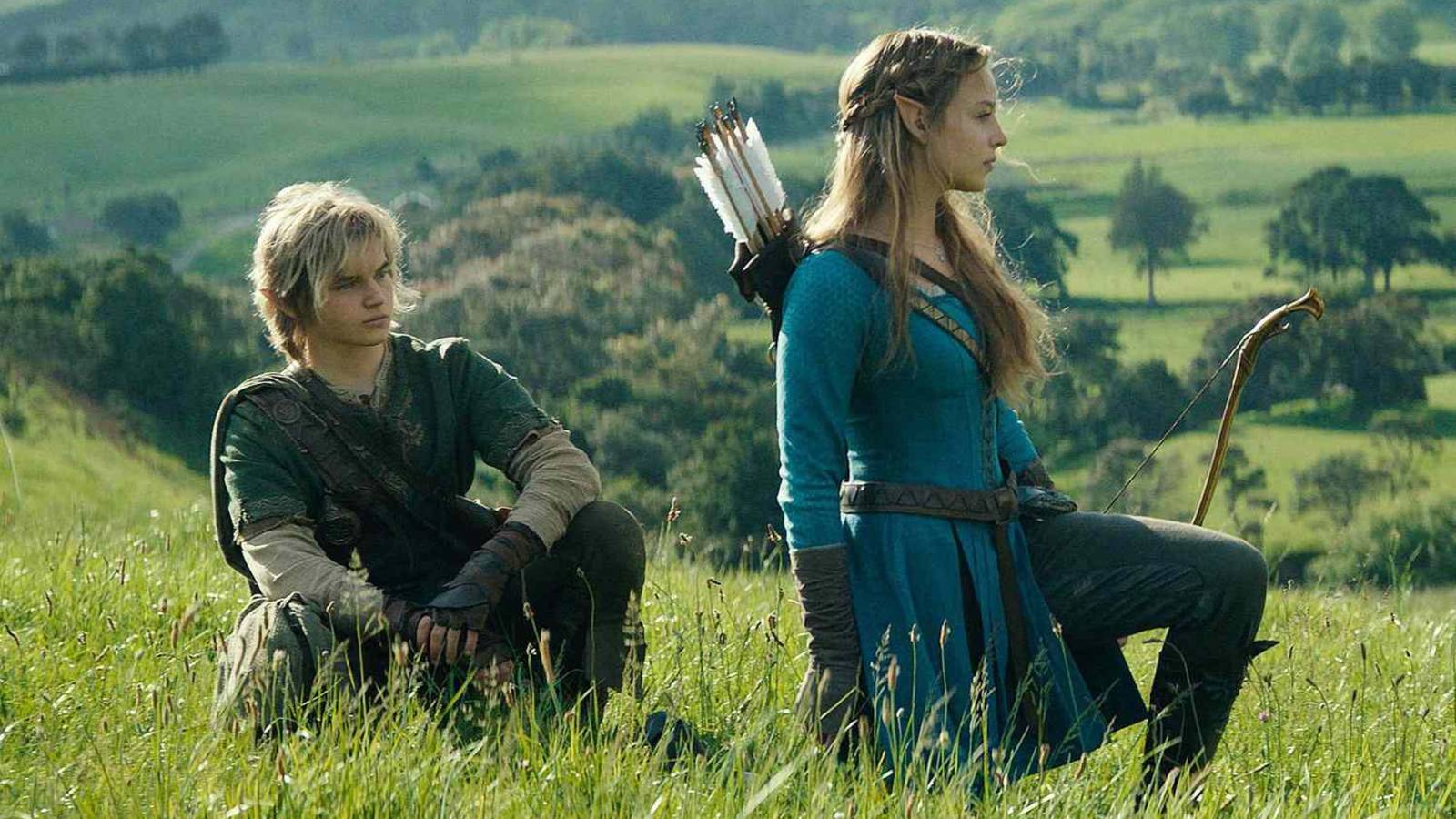
Even if the Zelda movie were to adapt a specific Zelda title (it’s been speculated that it will follow Breath of the Wild’s story, mostly due to Benjamin Evan Ainsworth’s Link costume), it will still face some major hurdles in the translation of mediums. For instance, will Link speak? The voiceless protagonist trope works in a video game, but not so much in a movie. This kinds of problems were easily solved in the silly and cartoonish Super Mario movies, but solving them in the Zelda film could be more complicated.