


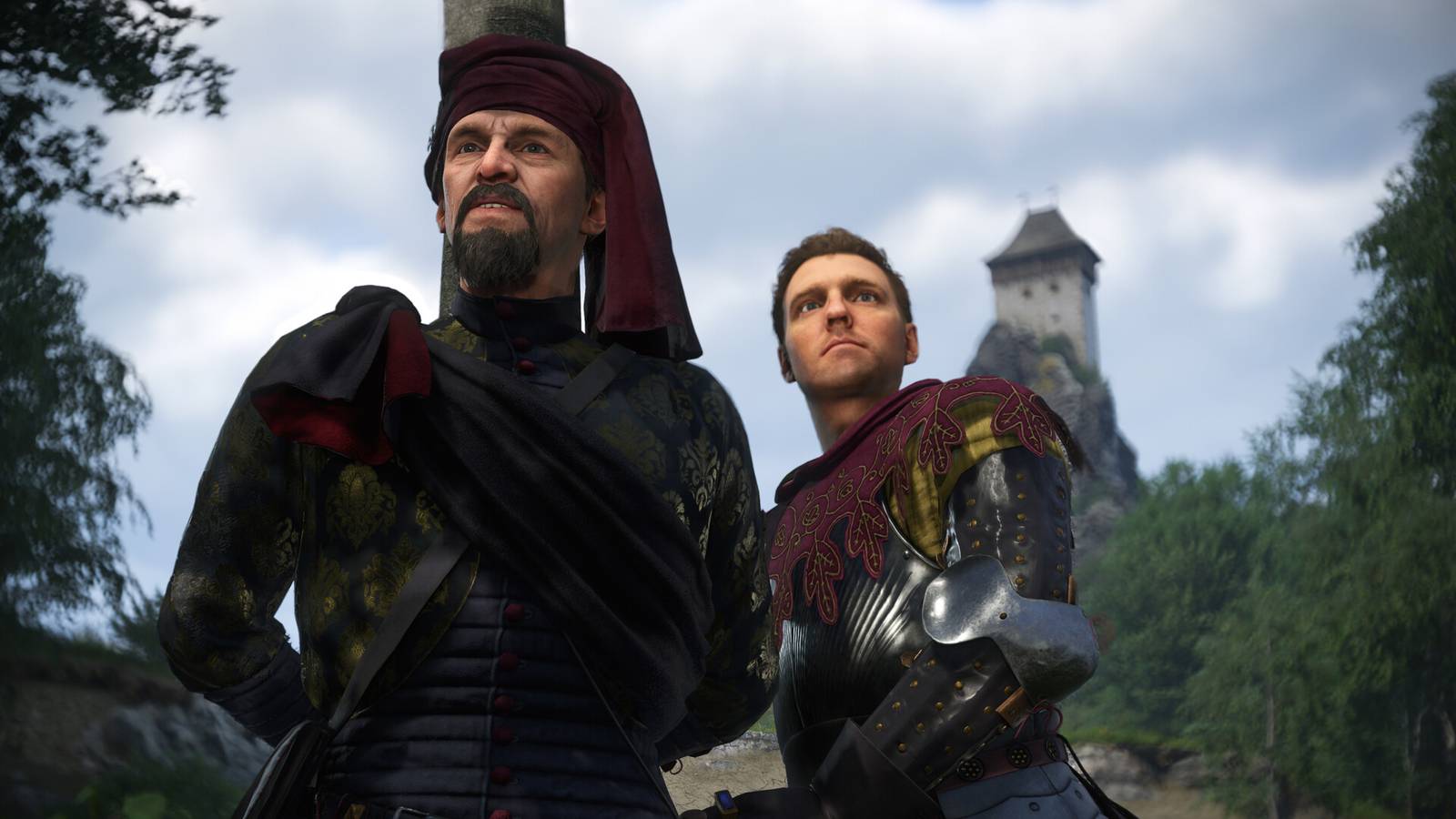



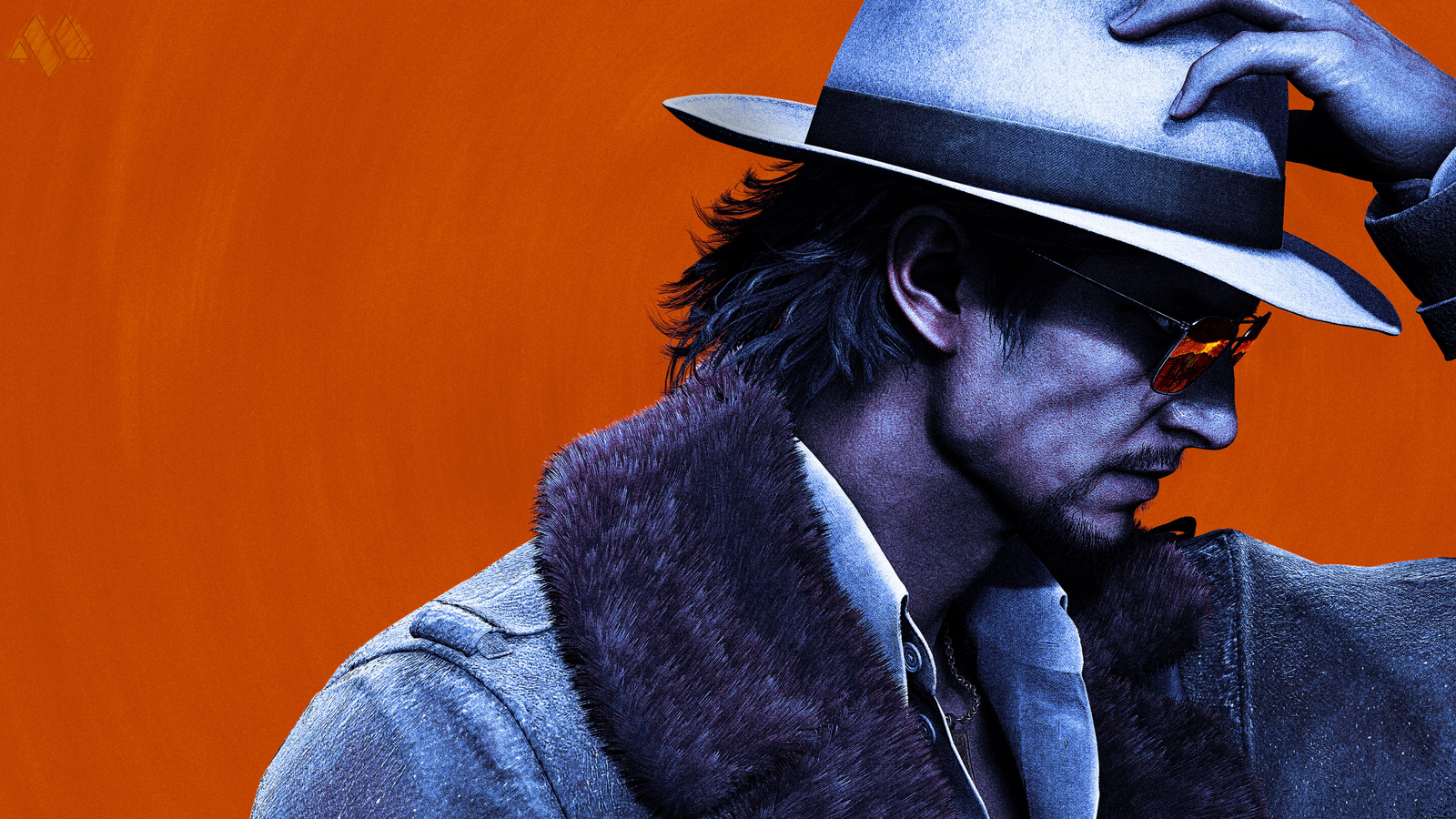
It turns out that Stranger Than Heaven, Ryu Ga Gotaku’s next action-adventure crime game, is going to be something of a spiritual origin story for the Yakuza franchise. The game probably won’t feature too many familiar faces and remain distinctly its own thing, as each of the five eras it’s set in takes place long before the births of many key Yakuza characters, but there’s shared history for sure. It seems like Stranger Than Heaven is going to focus more on the social, economic, and political backdrop of the franchise, blending Japanese history with RGG’s crime world.
One of the most important elements of the Yakuza/Like a Dragon franchise is its uncompromised Japanese perspective: even when the series pivots to new settings like Hawaii, everything is depicted through the eyes of Japanese culture. This may go deeper than ever before in Stranger of Heaven, which jumps between 1915, 1929, 1943, 1951, and 1965—all transformative years for the country. Understanding what occurred during these eras may illuminate what we can expect from Stranger Than Heaven’s narrative and tone, even if the game will inevitably take certain liberties.
Any claims about how real-world history may impact the events of Stranger than Heaven are pure speculation—neither RGG nor SEGA has revealed the specific role of history in the game at the time of writing.
Yakuza Creator’s New Game Gang of Dragon is Suddenly in Serious Trouble
Gang of Dragon, the upcoming game from Nagoshi Studio and Yakuza creator Toshihiro Nagoshi, may be heading for financial jeopardy.
1915 – World War 1 and Japan’s Twenty-One Demands
1915 was the second year of World War 1, which Japan had entered in August 1914 on the side of the Allies against Germany. Japan’s condition for formally declaring war on Germany alongside the Allies was that it would be allowed to capture German-owned territories, but it also planned to take advantage of the opportunity to expand its influence over China—Japan was in a period of aggressive colonialism, generally considered to have begun in 1895.


Find all 10 pairs
Find all 10 pairs
This culminated in 1915’s Twenty-One Demands, which Japan presented to China in January without the Allies’ knowledge. The Twenty-One Demands proposed a radical and decisive increase in Japan’s control over China, to the detriment of Western interests as well as Chinese ones. Japan ultimately abandoned its course with these demands, though the incident sparked escalating tensions between Japan and China, the United States, and Europe, groups that viewed the demands as unsavory and imperialist.
Effectively, 1915 marked a downturn in Japan’s global reputation, characterized by boycotts of Japanese products and significant political strife. As for how this could impact Stranger Than Heaven’s story and world, perhaps the game will offer a look at how both everyday citizens and Yakuza members may have viewed this growing conflict. It’s certainly not hard to imagine how organized crime may have capitalized on its country’s weaknesses.
1929 – The Great Depression
Japan’s global ambitions during WWI were mirrored by its industry at home: businesses ramped up production greatly over the course of the decade, in what may be thought of as the Japanese “roaring twenties.” Eventually, the economic bubble burst, and the country-wide increase in business investment triggered a massive financial panic in 1927. This preceded the onset of the Great Depression in 1929, which further diminished Japan’s income as exports and agriculture declined.
Jumping from the early years of WWI to the beginning of Japan’s Great Depression (sometimes called the Showa Depression) could allow Stranger Than Heaven to offer more context about the economic conditions presaging the growth of the Yakuza in the 20th century. As faith in institutions wanes, space is often made for organized crime, for better or worse.
At the start of 1943, Japan was at the height of its imperial power, occupying several Asian states, including the entirety of Malaysia, Thailand, Vietnam, South Korea, Indonesia, and the Philippines. It also controlled large portions of China. However, it would seem that the empire was beginning to buckle, as Japan failed many key military operations over the course of the year, withdrawing from several territories and suffering heavy losses in troops and resources.
Civilian life during this time was largely characterized by obedience and reverence for the nation’s war efforts. With mass resources being poured into capturing and maintaining new territories, Japanese citizens found food and other commodities scarce, and many eligible young men were drafted. It’s reported that nearly 6 million Japanese men served during WW2, with well over 2-million being killed in battle. This intense, nationalist, and often bleak historical backdrop could influence Stranger Than Heaven in several interesting ways.
Predictably, Yakuza activity during this period is not particularly well-documented, which gives Stranger Than Heaven additional freedom when building its fictionalized vision of criminal life. Perhaps the game could focus on the increasingly jingoistic and isolationist nationalism unfolding in the country at the time, or allow its idealized gangsters to help alleviate their community’s economic and psychological hardships. More likely, though, is that it will set up the Yakuza for greater growth in the coming years.
1951 – The End of the Allied Occupation in Japan
In the aftermath of the devastating nuclear attacks on Hiroshima and Nagasaki, which claimed the lives of over 200,000 people, Japan negotiated peace and reparation agreements through the Treaty of San Francisco, putting an end to the horrors of the previous decades. With the treaty signed in 1951, Allied forces withdrew from the country, and it began to flourish.
This era of peace was capitalized on by the Yakuza, which had grown considerable black market operations in the wake of the war. With power systems in flux, Yakuza clans were able to better solidify their power in pre-existing industries, such as street commerce and construction, greatly increasing their income and influence. Public perception of Yakuza seems to have shifted during this period as well, as stories emerged of the criminals’ heroic actions during WW2, although the veracity of such stories is often debated.
The Yakuza blossomed in post-war society, injecting itself into the deepest layers of Japan, so that when the Allied forces withdrew from the country in 1951, the syndicates were in a better position than ever. The decade was one of rapid and decisive expansion of organized crime, which Stranger of Heaven may explore in any number of ways.
1965 – The Peak of the Yakuza and the First Operation Summit
The 1960s are generally considered the peak of the Yakuza’s size and power, with nearly 200,000 nationwide members reported in 1963. With organized crime embedded into the fabric of Japanese society, the Yakuza wielded considerable power and influence, though their notoriety was also growing. This led to the First Operation Summit, a series of police operations in 1964 and 1965 that saw the arrest of several powerful Yakuza figures throughout Japan.
The result was a decrease in Yakuza membership and a retreat further into the shadows, trends that would continue over the coming decades. Perhaps Stranger Than Heaven could depict the First Operation Summit as something of a “war” between Yakuza and police, a period defined by legend, heritage, and success, but also strife and chaos. Since this will presumably be the era that the game ends in, RGG could use this social context for an explosive and compelling finale.