






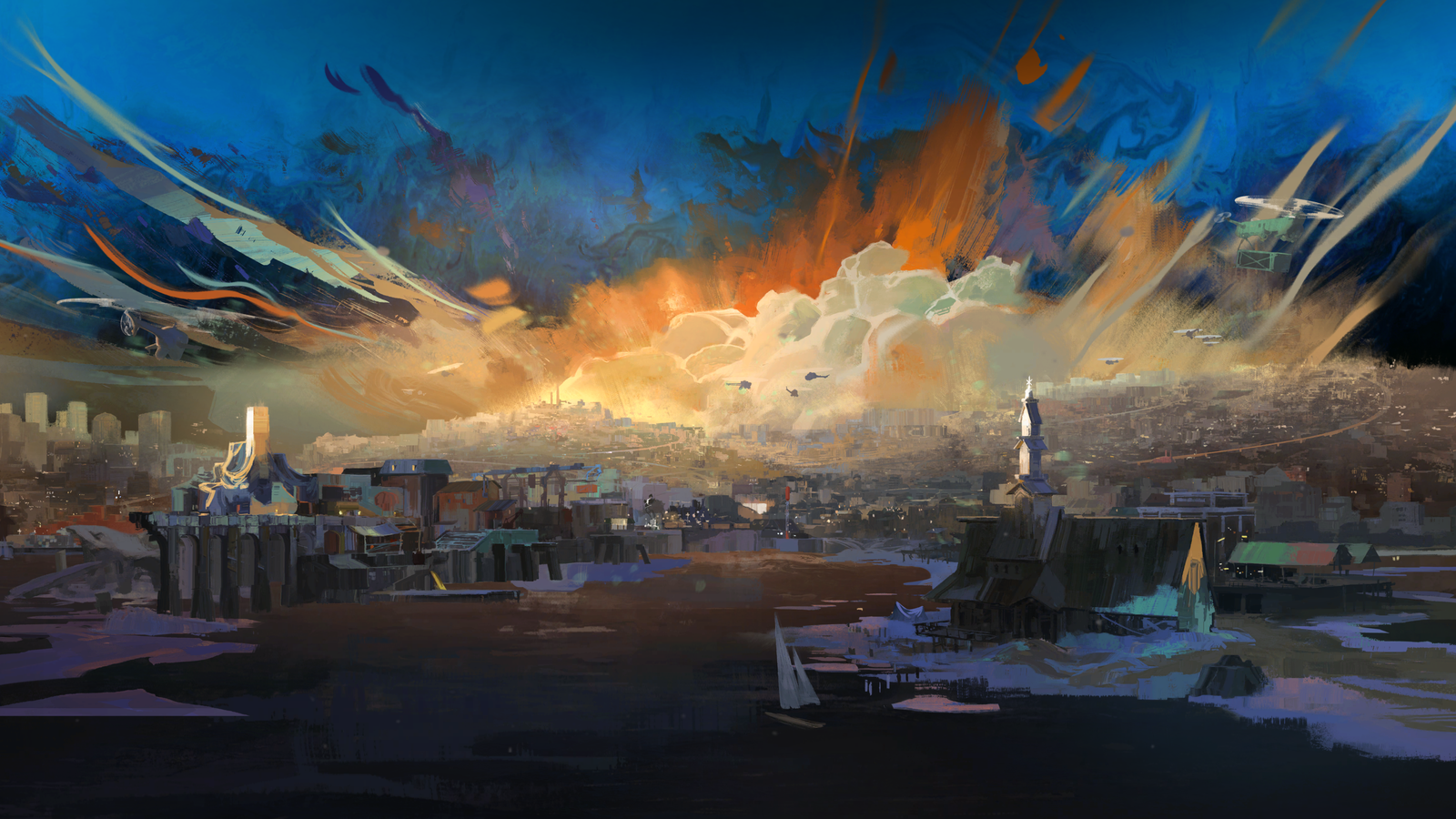
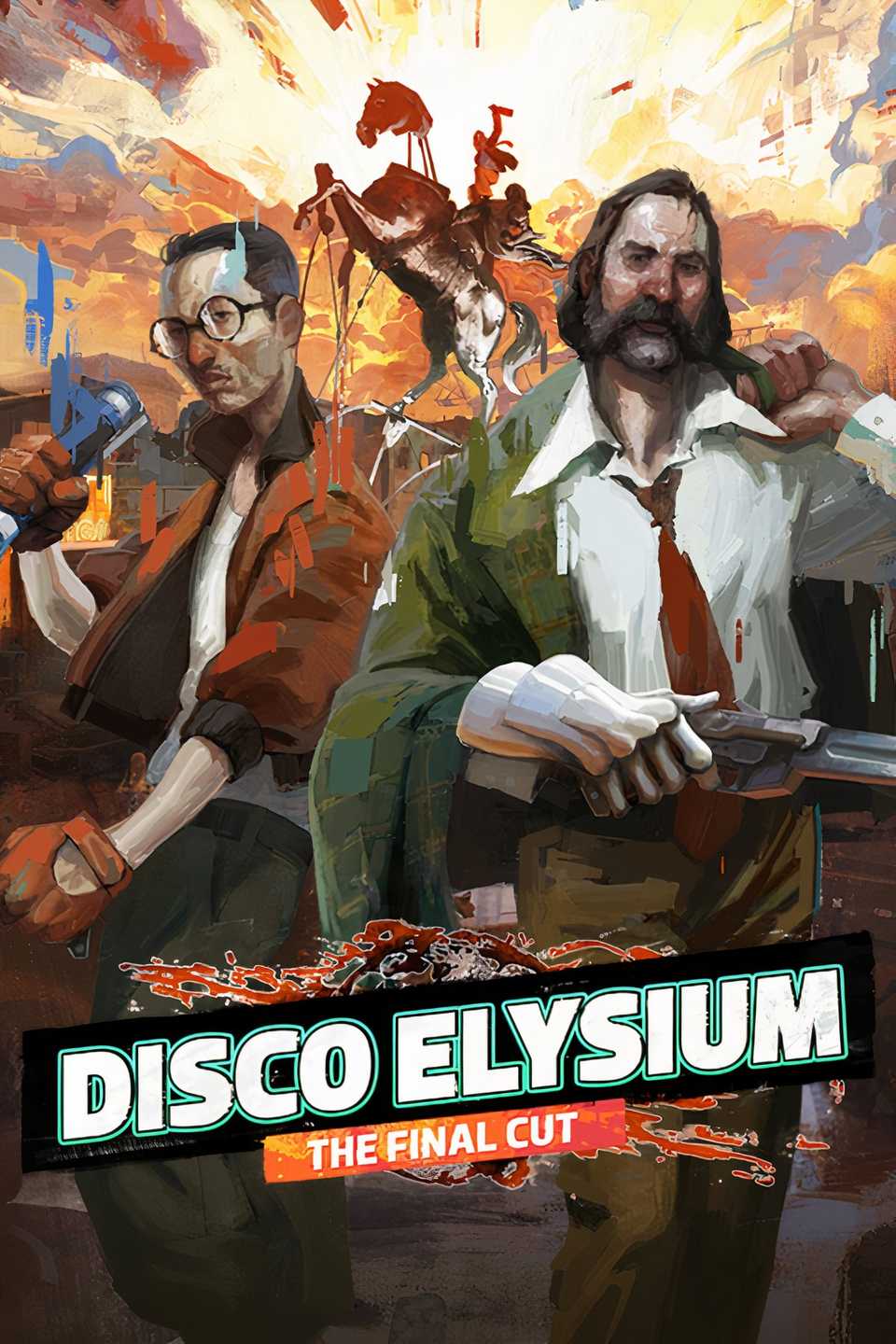
Disco Elysium is one of the best games ever made, if you ask me. I know that’s some lofty praise, one that not everyone else who’s played Disco Elysium will necessarily agree with—but still–ZA/UM’s debut is a masterpiece and I stand by that. It’s worth looking back on the 2019 masterpiece for a few reasons, including the recent release of Zero Parades: For Dead Spies, ZA/UM’s second game, which has struggled to extricate itself from the shadow of Disco.
Granted, internal shake-ups at ZA/UM, which culminated in the departure of studio founder and Disco Elysium creator Robert Kurvitz, didn’t help Zero Parades much. It’s also worth noting that Zero Parades isn’t a sequel or spin-off of Disco, nor is it meant to be a spiritual successor, according to ZA/UM. But let’s be honest: it was never going to fully evade comparisons to its predecessor, which is a brutally tough act to follow. Zooming out a bit, we can see this phenomenon applied to several video games, both high-and low-profile, released over the past few years. These games, defined by the same pillars that define Disco Elysium, have effectively formed their own burgeoning subgenre.
New Steam Game Has Serious Disco Elysium Vibes
An unexpected premiere trailer at Gamescom Opening Night Live 2025 showcases a new Steam game that has serious Disco Elysium vibes.
Disco Elysium’s Soul Lingers in the Indie Scene
It’s fair to say that Disco Elysium helped popularize narrative-centric experiences in the indie scene. Of course, it’s not solely responsible for this rise of bold, narrative indies—that was a much more complex and multifaceted trend—but it definitely spotlighted the indie space as a potential hotbed for genre-defining storytelling. To be more specific, Disco Elysium helped popularize a certain flavor of narrative-driven RPG, one characterized by unforgettable hand-drawn art, punchy writing inspired by the likes of China Mieville and Charles Bukowski, poignant and often labyrinthine themes, and bare-minimum combat, if any. At the end of the day, you know a game is Disco-inspired when you see it.


Rearrange the covers into the correct US release order.
Rearrange the covers into the correct US release order.
Easy (5)Medium (7)Hard (10)
Notable Post-2019 Games Inspired by Disco Elysium
- Esoteric Ebb
- The Thaumaturge
- Citizen Sleeper
- Sovereign Syndicate
- Norco
- Gamedec
Games like Esoteric Ebb, The Thaumaturge, and Citizen Sleeper are all remarkably similar to Disco Elysium, even at a glance; the vertical dialog box, character portraits, and chance-based conversation systems are all dead giveaways. The similarities will often go deeper than the surface level, too. For instance, Norco and Citizen Sleeper explore similar themes of class and governance, while Esoteric Ebb cranks up Disco Elysium’s often-overlooked humor to 11.
But is the rise of the Disco-like subgenre simply because Disco Elysium is such a great game? It very well could be. Demon’s Souls invented the now-ubiquitous soulslike genre, and you could argue that uber-successful games like The Last of Us and Overwatch kick-started subgenres as well. In other words, big hits can single-handedly birth new genre classifications, especially in a medium as multifaceted and ephemeral as gaming. But the flood of Disco-like games is part of a larger artistic conversation that’s been unfolding for decades.
Disco Elysium Built on What Planescape Torment Started
No studio was more influential on ZA/UM’s storytelling style than Black Isle Studios, creator of the first two Fallout games, Icewind Dale, and, of course, Planescape: Torment, which is perhaps the closest parallel to Disco Elysium in particular. Planescape’s unique and existential narrative premise about an immortal being with amnesia, granular exploration of complex metaphysical themes and ideas, and seeming disdain for convention and moralism are all mirrored in Disco Elysium. I could go on, but this link is honestly self-evident: play both Disco and Planescape for an hour each, and the similarities are impossible to ignore.
But Disco Elysium was a success from the jump, whereas Planescape: Torment was commercially underwhelming, only establishing itself as a cult classic in the succeeding years. Some of this can be chalked up to luck and the evolution of the industry–gamers in 2019 were much more receptive to an artsy narrative RPG than gamers in 1999–but Disco Elysium is also a refinement of Planescape’s admittedly outdated design.
Scratch & Peek


Identify the cover art while scratching off as little foil as
possible.
Identify the cover art while scratching off as little foil as possible.
EasyMediumHardPermadeath
For instance, Planescape: Torment doesn’t focus much on combat, but it still has a combat system, which feels phoned-in and tacked-on. It’s widely considered the game’s greatest flaw. Disco Elysium, perhaps emboldened by previous “growth spurts” in the gaming medium, omits combat altogether, which is a much more consistent and elegant way to manifest this particular sort of creative vision. When Disco first launched, the lack of combat was discussed as though it were a bold revelation. Now, we hardly bat an eye when an indie game, even if it’s an RPG, omits combat.
Disco Elysium is a more approachable, accessible, and focused experience than Planescape: Torment. This isn’t to say that it’s necessarily better across the board, but it’s definitely more palatable to the average player. When it comes to establishing a subgenre or lineage of creatively similar experiences, this kind of streamlined accessibility, relative to the likes of Planescape, at least, makes a big difference.

- Released
-
October 15, 2019
- ESRB
-
M For Mature 17+ due to Blood, Sexual Themes, Strong Language, Use of Drugs, Violence
- Developer(s)
-
ZA/UM
- Publisher(s)
-
ZA/UM