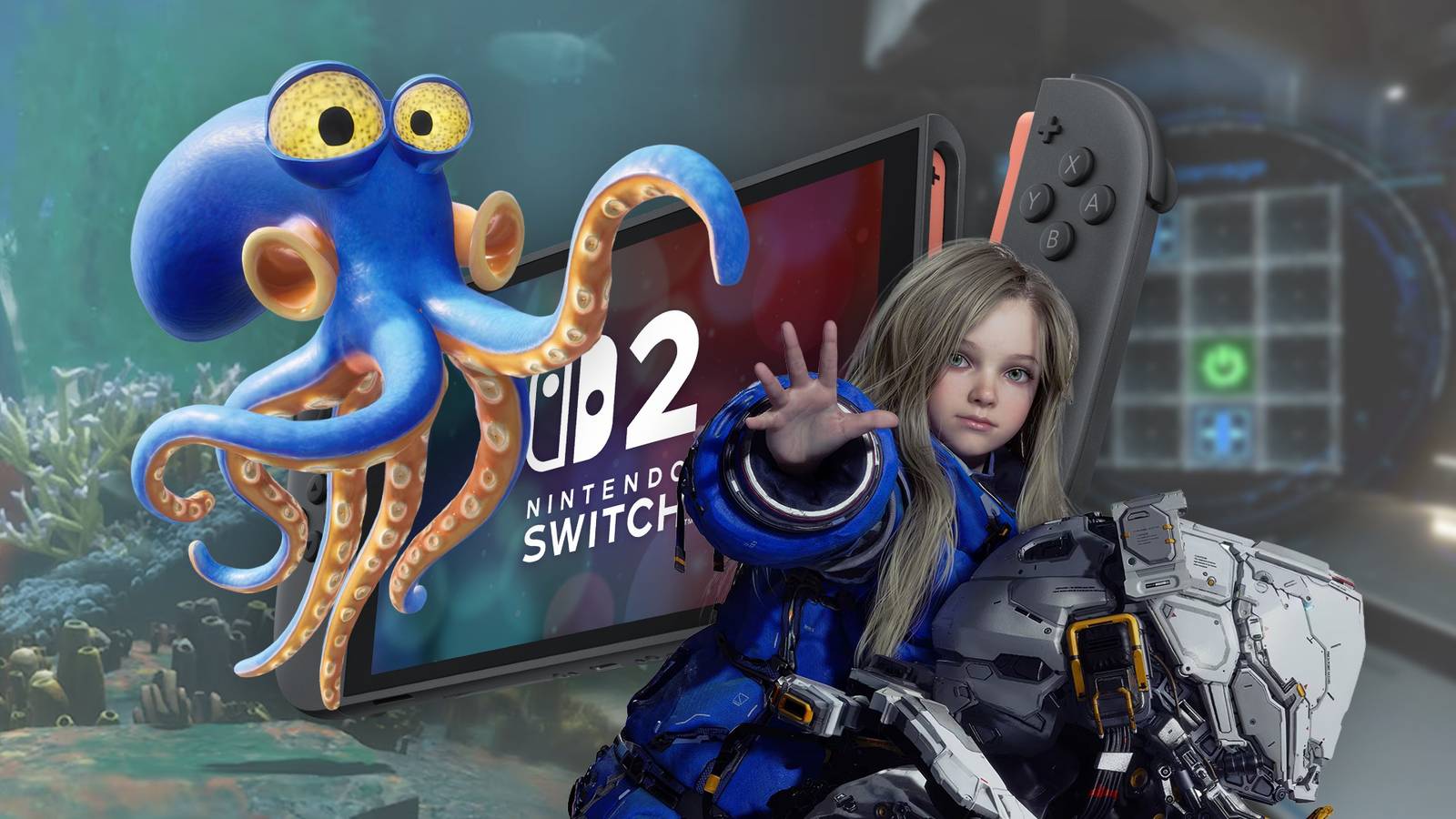





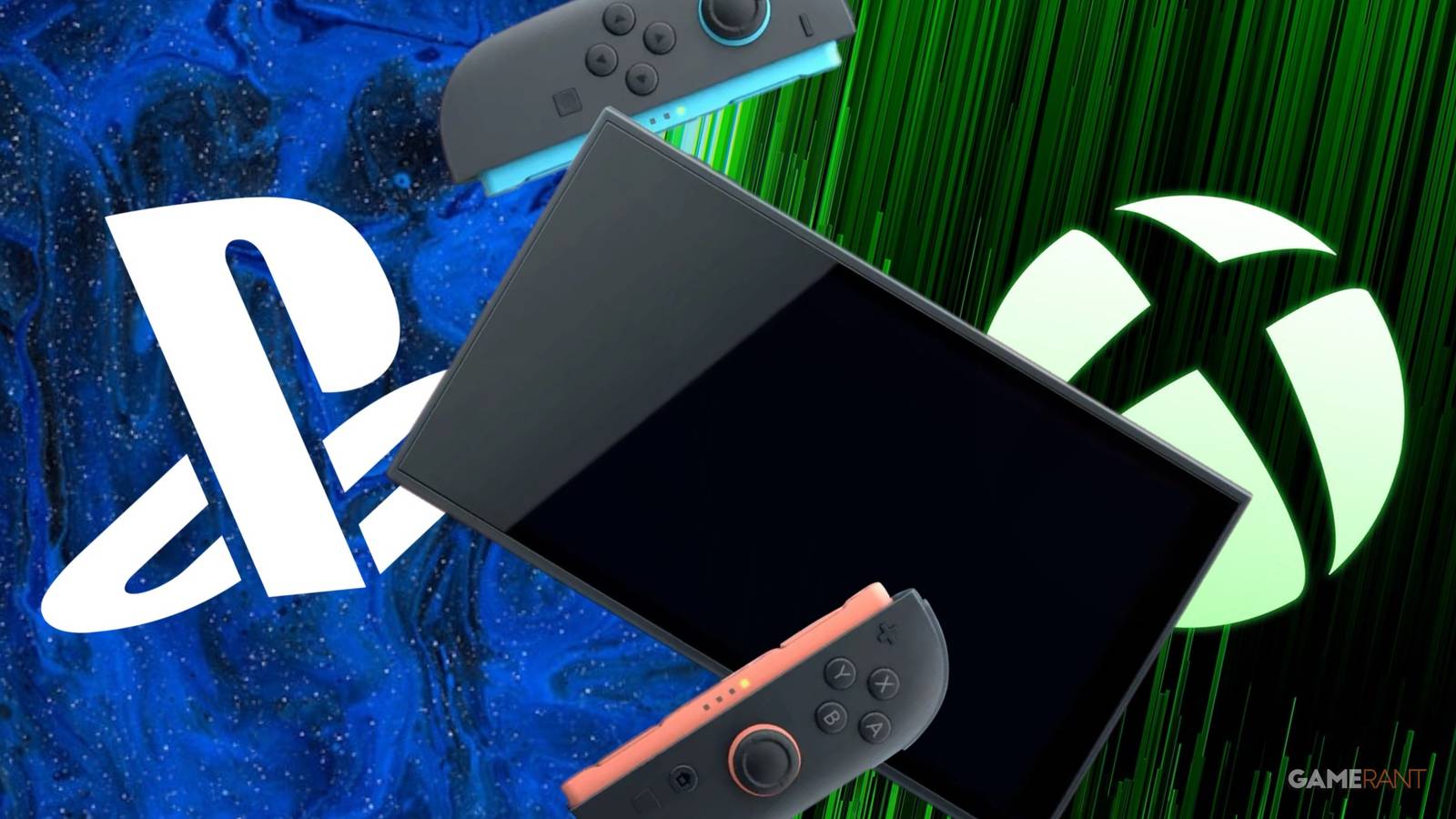
Nintendo recently made a surprising move by announcing that many of its Switch 2 games will be embracing split pricing. This means that digital games will be cheaper, while physical copies of Nintendo games will remain at their standard price. It really only makes sense, considering that the packaging of physical games requires extra costs. With Nintendo being the first company to embrace the $80 price tag for some exclusives, going cheaper with digital copies is a pleasant surprise for many gamers.
This price will vary, of course, but it’s a solid step in the right direction. Game pricing has been a hot topic in the past year, especially after Nintendo priced Mario Kart World and the Switch 2 version of Tears of the Kingdom at $80. Xbox even tried to follow suit with The Outer Worlds 2. Obsidian Entertainment’s sci-fi RPG was originally going to be $80, but fan backlash caused Xbox to revert to the $70 price that still remains the standard for a lot of AAA games. Now, it’s time for Xbox and PlayStation to follow Nintendo’s footsteps with split pricing.
One of the Scariest Horror Games of the Last Decade is Officially Coming to the Switch 2
The Switch 2 is porting a horror survival title from a popular franchise with a big cult following, and it’s coming really soon.
PlayStation and Xbox Following Nintendo’s Split Pricing Feels Like It’s Only a Matter of Time
Nintendo has confirmed that the upcoming Yoshi and the Mysterious Book is going to feature this split pricing. The digital version is currently priced at $59.99, while the physical pre-order copy is listed for $69.99. Nintendo’s game price changes aren’t going to apply to every single Switch 2 release, though. This is mainly for first-party exclusives. Still, it could be a pretty big game-changer for exclusives industry-wide.

Rearrange the covers into the correct US release order.
Rearrange the covers into the correct US release order.
Easy (5)Medium (7)Hard (10)
The Ball is Now in PlayStation and Xbox’s Court
PlayStation in particular has recently seen itself in hot water with pricing. Rumors about PlayStation trying out dynamic pricing began to circulate earlier this month, and the annual Spring Sale has apparently proven these rumors true. Gamers have been comparing the discounts that show up for them on the PlayStation Store, with many seeing drastically different price cuts. For example, one gamer got Stellar Blade for a whopping 70% off. Others who bought the same game reportedly only received a 43% discount. This has raised a lot of questions about how PlayStation’s dynamic pricing even works. Some have theorized that the system looks at players’ wish lists and the number of games purchased, but the company has yet to confirm how it decides price points for each gamer. Regardless of how it works, it’s a system that is set up for nothing but controversy and backlash.
Xbox’s aforementioned attempt at making $80 dollar games the new normal failed at the first attempt, but there is always the chance that the company will try it again. With Xbox moving away from exclusives, this also makes it a little more difficult for the company to justify such a price hike. Now that the company is already teasing Xbox’s Project Helix as the next-gen console, it’s going to be interesting to see if this sets the stage for the desired price increase.
No matter what PlayStation and Xbox decide about their pricing models, it only makes sense for the digital and physical copies to be priced differently at this point. Physical copies of games are seen mostly as collector’s items now, anyway. Discs are just access keys, so the box is simply for nostalgia purposes. I’m in the camp that prefers owning physical copies, and I’m willing to pay 10 extra dollars for that. Not everyone will, but as manufacturing costs get more expensive and the majority of gamers have embraced digital-only gaming, asking to pay the same price for a copy you don’t actually physically own is outdated.
The recent PS5 price increase and Xbox’s controversial decision to make Game Pass more expensive last year are bringing the companies to a turning point. If almost everything inevitably has to become more expensive, then there needs to be something to offset the strain. Cheaper digital copies are more of a band-aid than a cure, but it’s better than nothing.
This Year’s Biggest Games Are Ideal Candidates to See if Split Pricing is Here to Stay
There have already been some big releases this year, but 2026 is simply getting started. Some of the biggest games of 2026 have yet to release, and they could be the perfect choices for PlayStation and Xbox to experiment with split pricing.
- Saros (PlayStation)
- Marvel’s Wolverine (PlayStation)
- Marvel Tokon: Fighting Souls (PlayStation)
- Forza Horizon 6 (Xbox and PlayStation)
- Fable (Xbox and PlayStation)
- Halo: Campaign Evolved (Xbox and PlayStation)
All Eyes Are Still on GTA 6’s Price Announcement
PlayStation and Xbox are also probably watching Rockstar incredibly closely to see what its price point is going to be. GTA 6‘s price is bound to be influential in many ways. There are expectations from many that GTA 6 could cement $80 AAA games as the norm, while other industry insiders think that it’s going to stick with the current $70 price. It’s going to be fascinating to see specifically how GTA 6‘s physical and digital copies are handled, though. If the two companies haven’t embraced split pricing by November, PlayStation and Xbox may be even more influenced to adopt the pricing method if GTA 6 goes that route, too.
Nintendo is Making the Right Move With Split Pricing
Either way, Nintendo changing its first-party exclusive pricing method has put both PlayStation and Xbox at a crossroads. The video game industry isn’t the only thing facing serious pricing changes. Everything across the board feels like it’s getting more expensive, and cheaper digital copies could be a relief to a lot of people who are gaming on a budget. A $10 price difference may not be a crazy price gap, but it can be incredibly helpful in a world that is becoming increasingly harder on people’s wallets. Nintendo hasn’t always made the most consumer-friendly moves, but split pricing is a great choice. Making digital games cheaper is something that should have been done a long time ago, and PlayStation and Xbox hopefully copy Nintendo.