



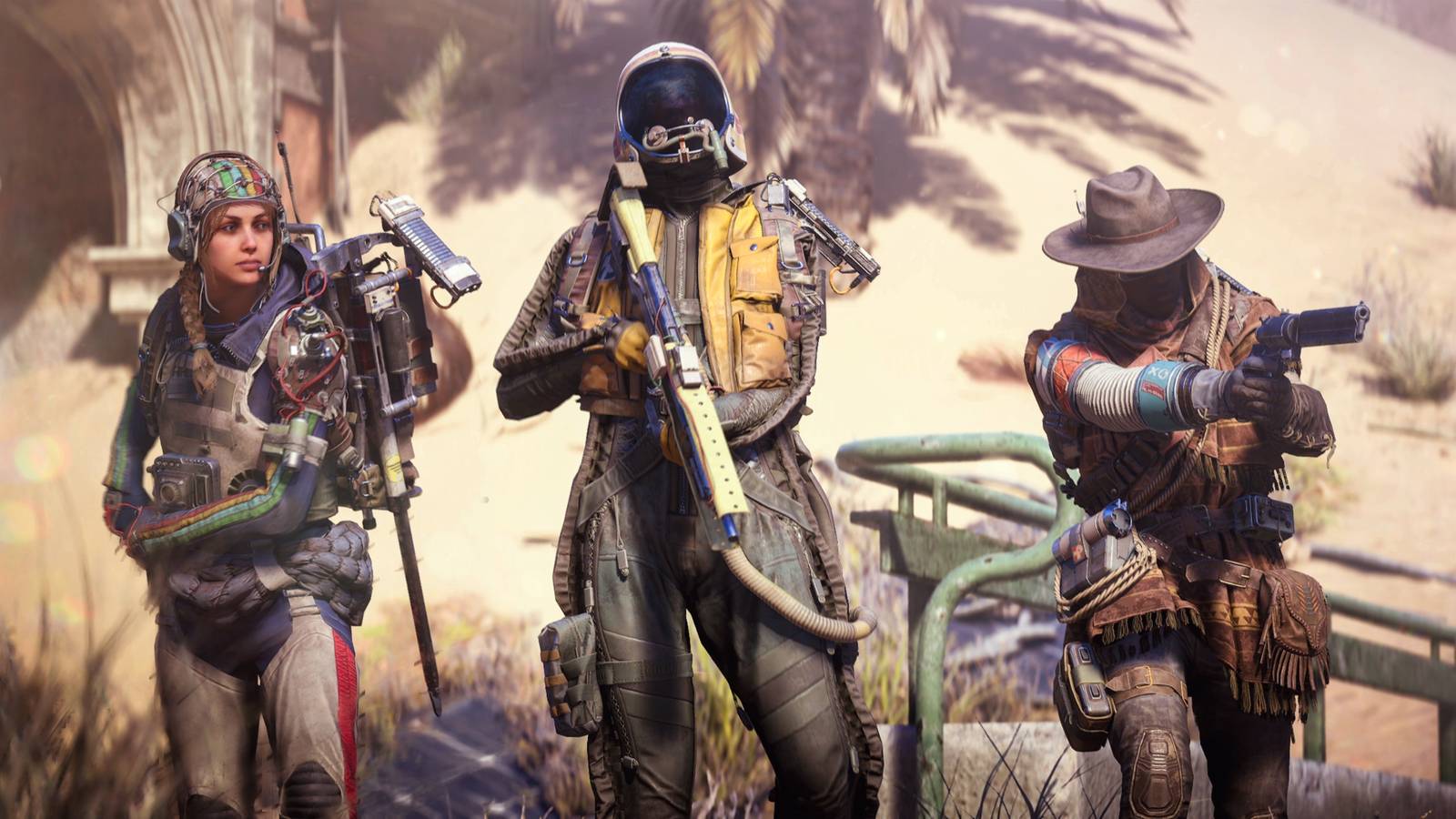




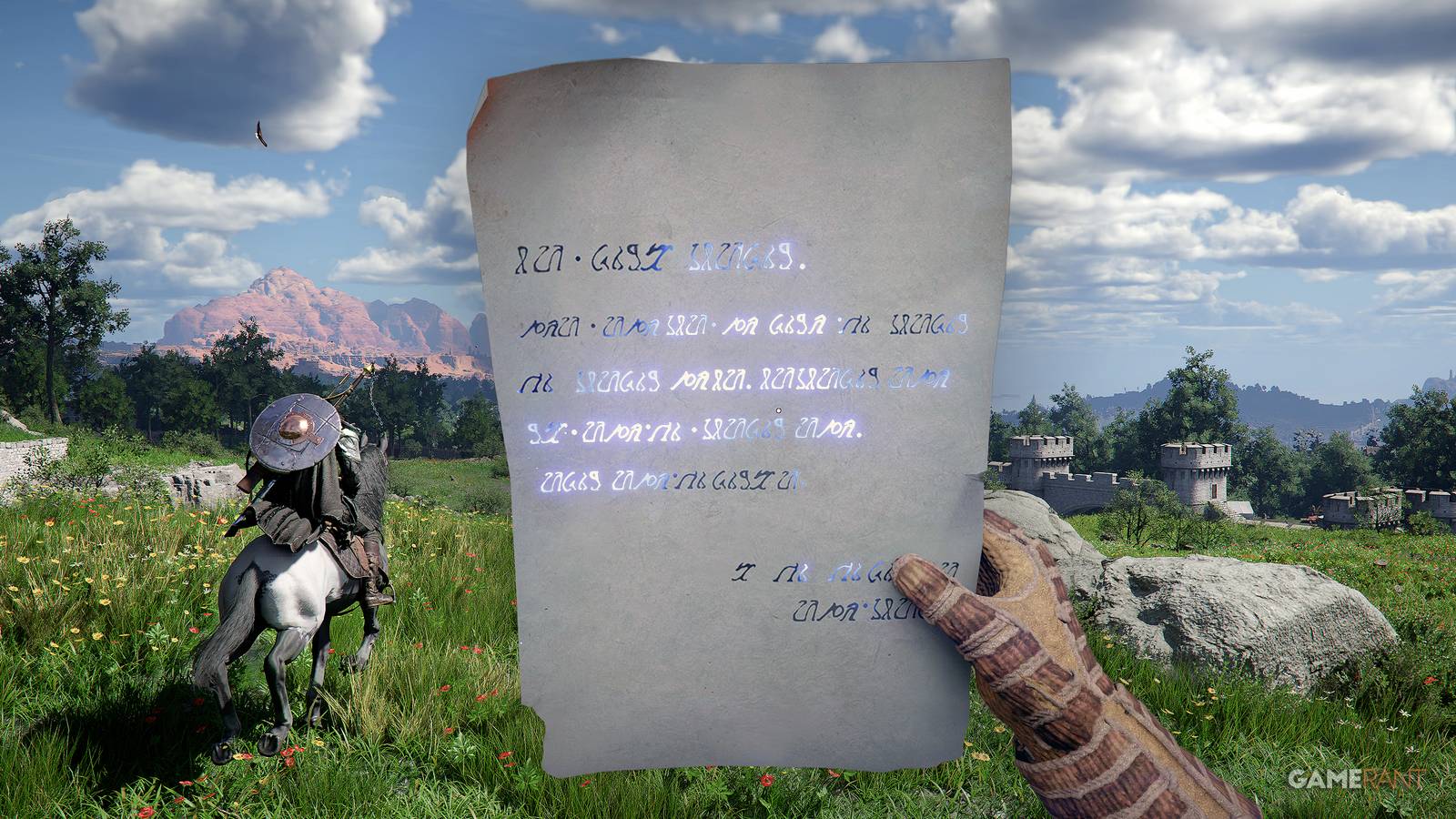
Crimson Desert is a massive game, and not just because of its square mileage either. There is so much to do in the game and so many different secrets to find, that creating a guide book big enough to cover it all would clear out half the rainforest. Because of its scale, then, it feels impossible to detail every one of its unwritten rules without going overboard. However, there are a handful that will serve players much better than others will when it comes to Crimson Desert‘s open world, its combat, and its story.
Some of these unwrittten rules are easy to miss early on, while others only reveal themselves after things have already gone wrong, but all of them fundamentally change how Crimson Desert is meant to be played. From letting the path through the story stay on the sidelines to cooking and adequately preparing before major encounters, knowing these rules can mean the difference between success and constant failure in Pearl Abyss’ latest open-world action-adventure game.
Crimson Desert, Curiosity, and the Zelda: Breath of the Wild Effect
Crimson Desert is recreating a kind of discovery where players rely on each other, echoing a feeling many remember from Breath of the Wild in 2017.
Don’t Mainline Crimson Desert’s Story
The single, perhaps most important, rule all Crimson Desert players should learn early is that attempting to mainline the story is a terrible idea, as it can quickly lead to frustration and burnout. It’s not often an open-world game makes its story bosses just as challenging (if not more challenging) as its optional bosses, but that is certainly the case here. Trying to mainline Crimson Desert‘s story without taking time to explore the world and reap its many benefits will likely leave players hitting roadblock after roadblock as the game’s main bosses repeatedly pummel them to death. More than likely, this is because Pearly Abyss wanted the game’s open world to be the star of the show—and that’s actually made pretty clear in how shallow its narrative can feel.
Who’s That Character?


Identify the silhouettes before time runs out.
Identify the silhouettes before time runs out.
Easy (7.5s)Medium (5.0s)Hard (2.5s)Permadeath (2.5s)
In Crimson Desert, the story should be treated as a side gig rather than the main event, as exploring the game’s open world can offer players anything from increased inventory space and an abundance of raw crafting materials to powerful gear pieces and valuable Abyss Artifacts for skill and stat growth. Some might find it weird that anyone would want to focus on a game’s story when there’s a massive world waiting to be uncovered, but it’s nonetheless a playstyle that exists, and therefore one that should be addressed. If players pace themselves and let Crimson Desert‘s open world guide them, though, once they finally do decide to invest in the main story, they’ll find it much easier to tackle.
Focus on Crimson Desert’s Story Until Chapter 3, Then Get Out There and Explore
That said, players shouldn’t skip out on the story entirely at first. Rather, playing it through until at least Chapter 3 is probably the best way to go about it, as that’s when one of the game’s first considerable difficulty spikes occurs. But the main reason progressing the story up to this point is a good idea is because it opens players up to Crimson Desert‘s best quest line. From this point in the narrative, players will be given access to the Greymane camp-building quest line in the game, and should they choose to focus on it, they can turn their camp into a one-stop shop for pretty much everything they will need in the game.
Scour the Internet for Secrets From Other Crimson Desert Players
The second most important rule Crimson Desert players should be mindful of happens to be rooted in the game’s size as well. Essentially, because there is so much to discover in the game, and because it all but refuses to hold the player’s hand, there are going to be things that one player finds that another never knew existed. Zelda: Breath of the Wild‘s open world created a similar sort of asynchronous multiplayer experience, where players share their discoveries online for others to benefit from.
It might feel unnecessary to suggest that players stay online, but at the very least, it’s worth mentioning they should ensure their algorithms keep Crimson Desert at the top. Performing regular Google searches for the action-adventure title and clicking or tapping on posts across social media sites like Reddit, X, YouTube, and Facebook will bring posts about the game to the forefront, to the point where it’s the first thing players see when they open those platforms. From there, they are more likely to learn about valuable resource locations, points of interest worth visiting, and even gear sets or weapons that will ultimately make their journey through Crimson Desert much easier.
Invest in Stamina Before Anything Else
Just as it is in similar open-world games like Zelda: Breath of the Wild, stamina is everything in Crimson Desert. It governs nearly every action players take, from sprinting and climbing to blocking attacks and executing special abilities in combat. Without enough stamina, even basic encounters can spiral out of control, as players are left unable to defend themselves or capitalize on openings. That’s why investing in stamina early is widely considered one of the smartest decisions players can make, as it directly impacts both survivability and freedom of movement across the world.
In Crimson Desert, the story should be treated as a side gig rather than the main event.
Because of that, Stamina in Crimson Desert is almost a gatekeeper of sorts for the entire experience. Players who ignore it will feel restricted in how they explore, fight, and even escape dangerous situations, while those who prioritize it gain a level of flexibility that makes everything else in the game more manageable. Of course, upgrading it beyond a certain point will require some precious resources that aren’t immediately available, which means players will need to make some decent progress in the game before they can fully upgrade it. However, it is nonetheless the stat players should invest in before others, especially if they take the aforementioned advice of largely avoiding the story and exploring the world instead.
Cook Meals and Plan Ahead of Major Encounters
One of the easiest mistakes players can make in Crimson Desert is treating food like an afterthought, when in reality, it’s one of the most important resources in the game. Cooking in Crimson Desert essentially functions as a built-in buff system that can restore health, stamina, and even give players the edge they need to survive some of the game’s toughest encounters. Higher-quality meals can dramatically increase survivability, especially in boss fights where every bit of recovery matters. Because of that, players should always keep a stockpile of cooked meals ready and even equip them for quick use rather than scrambling through menus mid-fight.
Vendor stocks refresh daily, so if players have enough money, they should consider buying out those stocks for use in cooking.
More importantly, preparation should happen before the fight ever begins. If a major encounter is coming up, it’s worth taking a few minutes to cook multiple servings, gather ingredients, and think ahead about what kind of buffs or recovery options might be needed. The game rarely gives players a fair warning when things are about to escalate, so walking into a boss fight with limited food or no plan almost always ends badly. In fact, some of Crimson Desert‘s toughest boss fights (like the Reed Devil) can be won simply by having enough meals on hand.
Track Down the Best Weapons and Equipment Before Investing in the Small Stuff
One of the more subtle traps in the game is how easy it is to start upgrading whatever gear players happen to be using early on. Refinement at Crimson Desert‘s Smithy feels cheap at first, since lower tiers only require common materials like iron and copper, which are found just about everywhere. However, that creates a false sense of security, encouraging players to invest in weapons and armor they may end up replacing not long after. As progression continues, though, those upgrades begin demanding rarer resources like Bloodstone and eventually Abyss Artifacts, which are far more limited and much harder to justify spending on gear that isn’t part of a long-term build.
Because of that, it’s usually better to take a step back and figure out what kind of weapons and equipment actually fit one’s playstyle before committing to upgrades. This becomes even more important once Abyss Artifacts enter the equation, since they’re also needed for skill and stat progression, forcing players to balance where those resources go. In a game where experimentation is encouraged but resources are still finite, holding off on heavy investment until players know what they’re building toward can save a lot of frustration down the line.

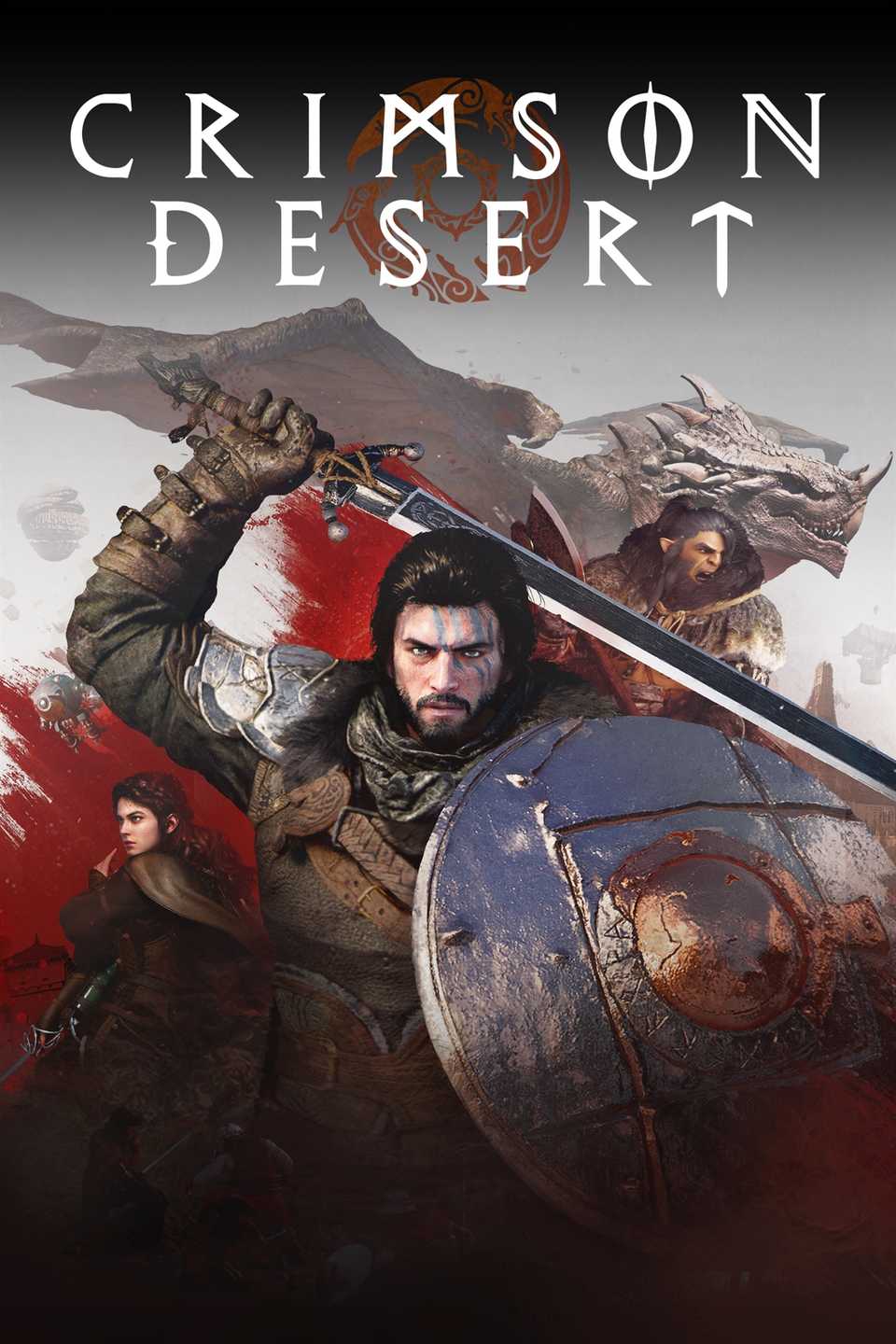
- Released
-
March 19, 2026
- ESRB
-
Mature 17+ / Blood, Drug Reference, Intense Violence, Strong Language
- Developer(s)
-
Pearl Abyss
- Publisher(s)
-
Pearl Abyss