



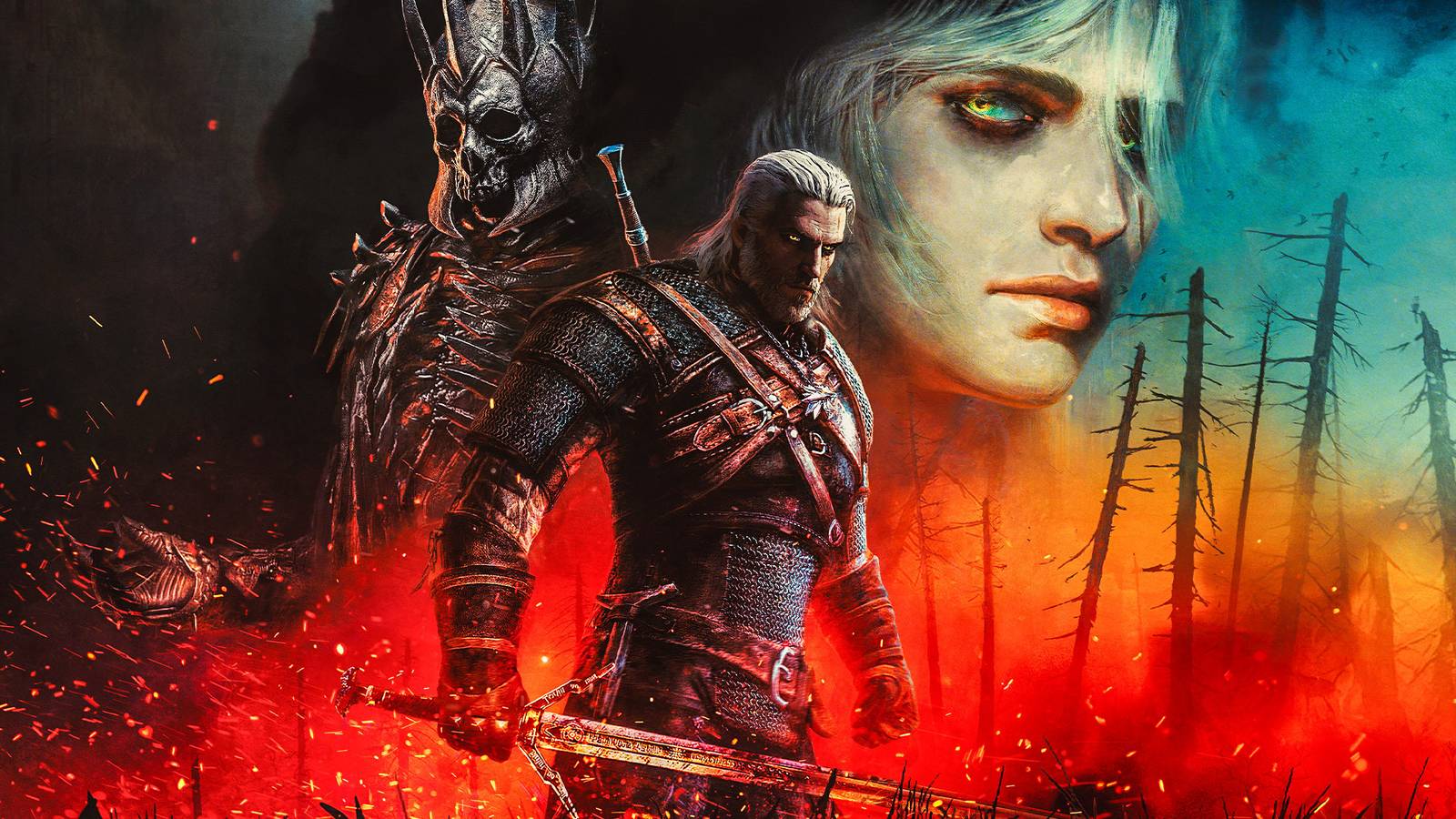
Gaming as an industry has evolved incredibly quickly over the past decade or so, and that progress is most obvious in larger titles like big open-world RPGs. One of the ways that developers have been using that progression is by updating or even remastering some of their older titles, fixing bugs, and bringing things more in line with the standards that we go by now. In the case of The Witcher 3, while the game has aged pretty well, the remaster aims to improve just about every mechanic and aspect in some way, which in turn reveals a lot of the modern conveniences that we now take for granted that simply didn’t exist at the time.
Gameplay elements like the looting and the animations that felt fine 10 years ago are being updated, different combat menus are being streamlined, and a whole host of additional QoL features are being added, whilst keeping the core game mostly intact. It is clear that The Witcher 3 Remastered is going to be a welcome addition to many people’s favorite RPG, but at the same time, it feels strange to introduce a sweep of changes to an older title that is widely regarded to be among the best ever made. The question then becomes: is any game truly timeless if, in a few short years, the mechanics, gameplay, and visuals become outdated and require updates to feel playable, when at launch, they were accepted and even loved?
The Witcher 3 Remastered Is Fixing Many Problems That Didn’t Exist At Launch
Remakes and remasters have been all the rage in recent times, with so many iconic games from Oblivion to Final Fantasy VII getting a fresh lick of paint to reignite the flame in some classic titles. A big reason for a lot of these revisions is how outdated many older games have become due to the passage of time. If you look at something like Resident Evil 2, the remaster for which was received with universal praise, the experience in the 2019 version is significantly smoother, more modern, and arguably more enjoyable than the one from the 90s, which used old-school tank controls and other mechanics that were normal at the time, but archaic today.
I don’t think there is a single person out there who dislikes the idea of their favorite game being remastered, but there is an argument to be had about how far you can take something from the original vision. For The Witcher 3 Remastered, the devs are abundantly aware of the kinds of things players complained about and even chose to mod into the game, and are looking to make it feel like any other launch today (via PCGamer). The list of changes is frankly impressive, ranging from graphical updates to sweeping gameplay tweaks, and when you look at everything that is being revised, it really puts into perspective just how far the genre and wider industry have evolved in that time.
Is any game truly timeless if, in a few short years, the mechanics, gameplay, and visuals become outdated and require updates to feel playable, when at launch, they were accepted and even loved?
Back in 2015, The Witcher 3 felt like a major step up from the previous entry in the franchise, and a real force to be reckoned with in the RPG world. There were a handful of complaints at launch, such as the clunky movement and performance, but over time, the game has been slowly updated into a much cleaner state. Now the Remaster is going to go further than ever before in that direction, and as a result, the older version starts to look a whole lot less impressive by comparison given how many additional things are being added or changed in one go.
I can understand some things, like support for modern graphical settings and a few touch-ups here and there, but the update is treading a strange line between a full-blown remake and a simple patch. By modernizing the signs or adjusting how Geralt moves around the map, the game starts to look like a vastly different beast, and as you continue to alter older ideas and introduce new conveniences that many players have grown accustomed to, I fear that we may be entering a territory where homogeneity becomes the norm, even for the top dogs.
Is There Such A Thing As Too Convenient?
Let’s compare the original version of The Witcher 3 and a modern RPG like Elden Ring. FromSoftware’s first foray into the open world brought with it none of the awkward map clutter, the satisfying soulslike gameplay of their previous titles, and far less tedious looting that allows you to keep the action going on the move. That’s not to say that Elden Ring is a better game than The Witcher 3, but there are very obvious strides taken in certain directions to do away with the issues players had in the past, both for the better and sometimes for worse.
The point is that game developers are moving towards a frictionless future, where you don’t have to struggle with your character’s movement or be stuck awkwardly swapping between menus like so many older RPGs, and instead, can focus on the content that really matters. However, as a result, you are losing a lot of the souls that made these games so interesting to begin with, and also, if we have all agreed on a set number of principles that every game needs to have, then eventually, we are going to end up with a dozen or so open-world RPGs in one year that are all practically identical.
I think the distinction comes from which gameplay and design components were intentional and which ones were a result of limited resources, time, or technology. Not every game was intended to last for decades after launch, with the devs making design choices that will no/doubt become outdated at some point down the line. But others have chosen to lean into less convenient ideas in the name of chasing a timeless experience that will never need to be updated. Kingdom Come: Deliverance is the perfect example of this, where because it is so heavily focused on realism, the lack of objective conveniences in the quests and normal gameplay vanish from your mind, as the immersion takes over and you no longer care about getting things done in the blink of an eye.
At the end of the day, I am all for remasters, and I am itching to play The Witcher 3 Remastered and to see more of the universe down the line, but I do believe we need to think carefully about how and why we are revising older games. A remake, in essence, is a fix for a game; a series of updates that fundamentally alter how you play and see the game before you. There is a broad spectrum of what that can entail, and we as players need to decide if certain games would be better if they were given the modern treatment. Would The Witcher 3 be a better game overall if it launched today with all those additional patches? Maybe. But no amount of patches or convenient updates can change that initial experience and the story that millions of players fell in love with all those years ago.

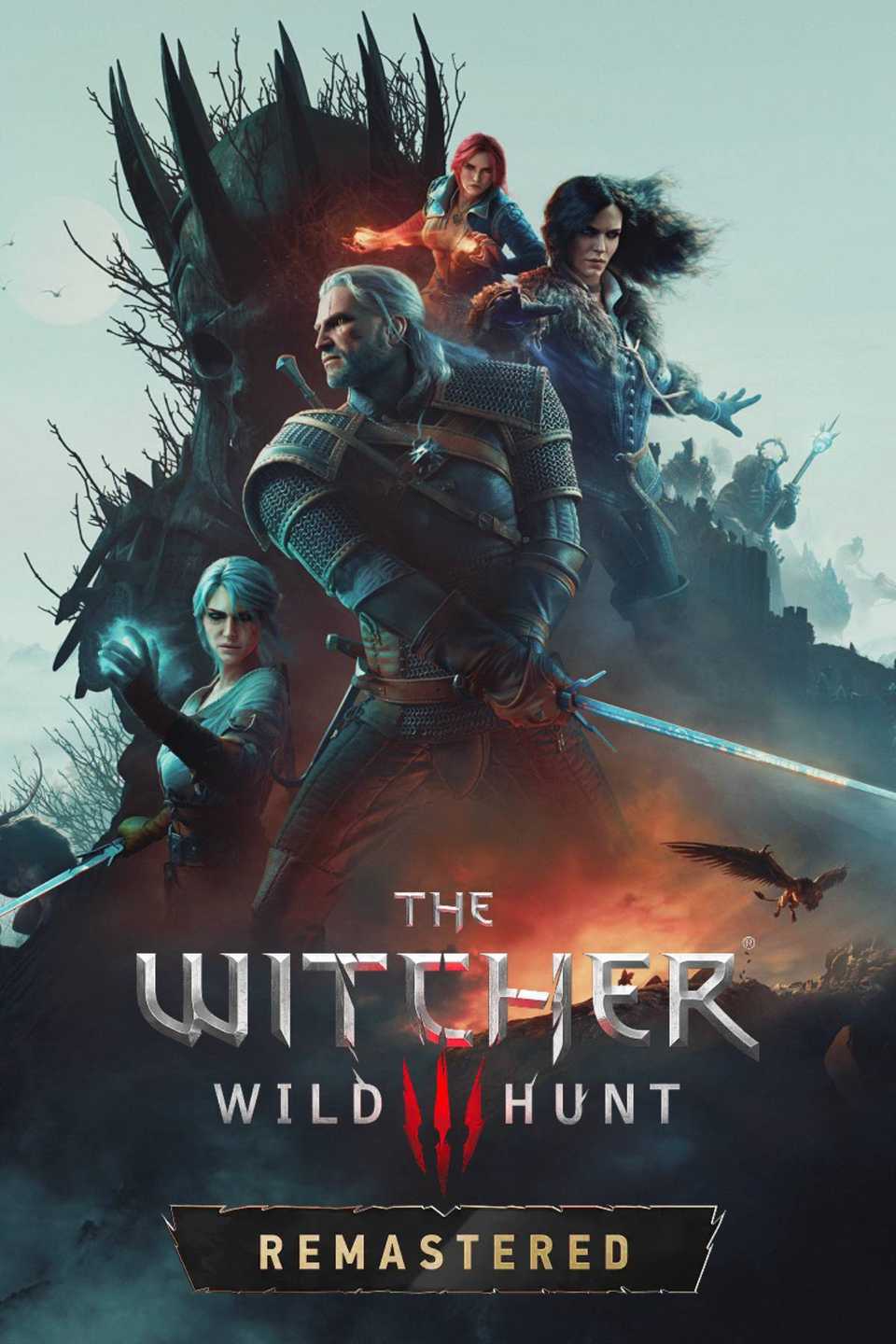
The Witcher 3: Wild Hunt – Remastered
- Released
-
September 29, 2026
- ESRB
-
Mature 17+ / Blood and Gore, Crude Humor, Intense Violence, Nudity, Sexual Content, Strong Language, Use of Drugs and Alcohol
- Number of Players
-
Single-player