





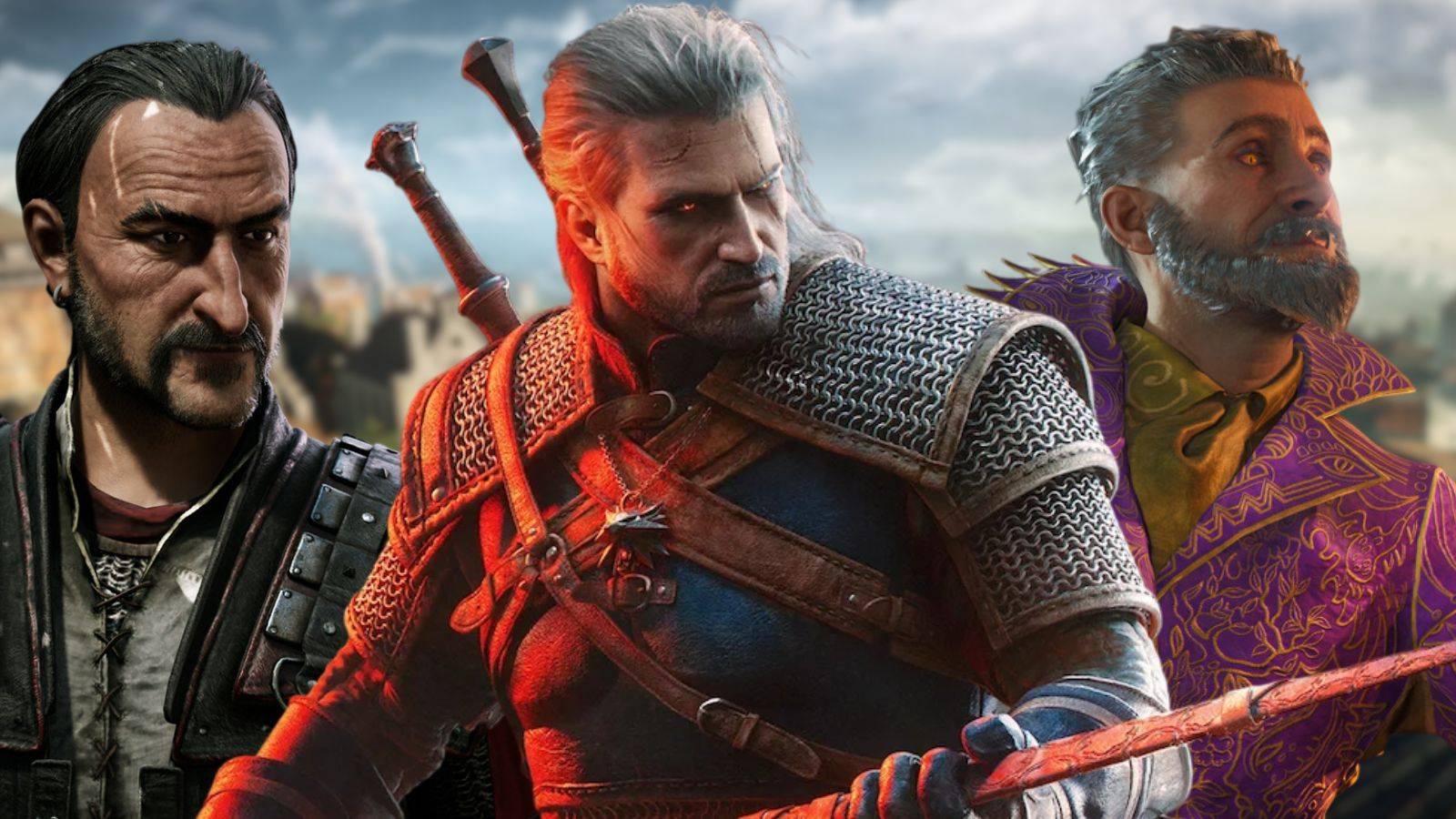
CD Projekt Red already had a pretty impressive set of upcoming releases, from The Witcher 4 to the original Witcher Remake, but no one expected to see anything else at Gamescom 2026 Opening Night Live. However, to everyone’s surprise, we are actually getting a remastered update for The Witcher 3: Wild Hunt for free, well ahead of the third DLC release in 2027 and the sequel in 2028. Arriving on September 29, 2026, we are going to get to see a whole different side to the game both visually and mechanically, the latter of which seems to be solving a problem that many other RPGs struggle with due to the passage of time.
Rather than overhauling all the graphics and changing the assets across the board, the developers are going above and beyond to update everything from the enemy behaviors to the way we move around in The Witcher 3, as well as a few handy visual updates for modern upscaling tech and settings like HDR and Ray Tracing. By choosing to overhaul and fix so many more mechanics and details, the devs are looking to modernize the title and give it a much more timeless feel, as aspects such as the combat and mobility are often the biggest pain points when looking back on older titles. Wild Hunt has certainly aged far better than a lot of similar open-world RPGs, but these additions should make it feel even better than ever, and potentially give us a glimpse at what we can expect from future CD Projekt Red remakes.
1
The Witcher 3 Remastered Fixes Updates More Than Just the Visuals

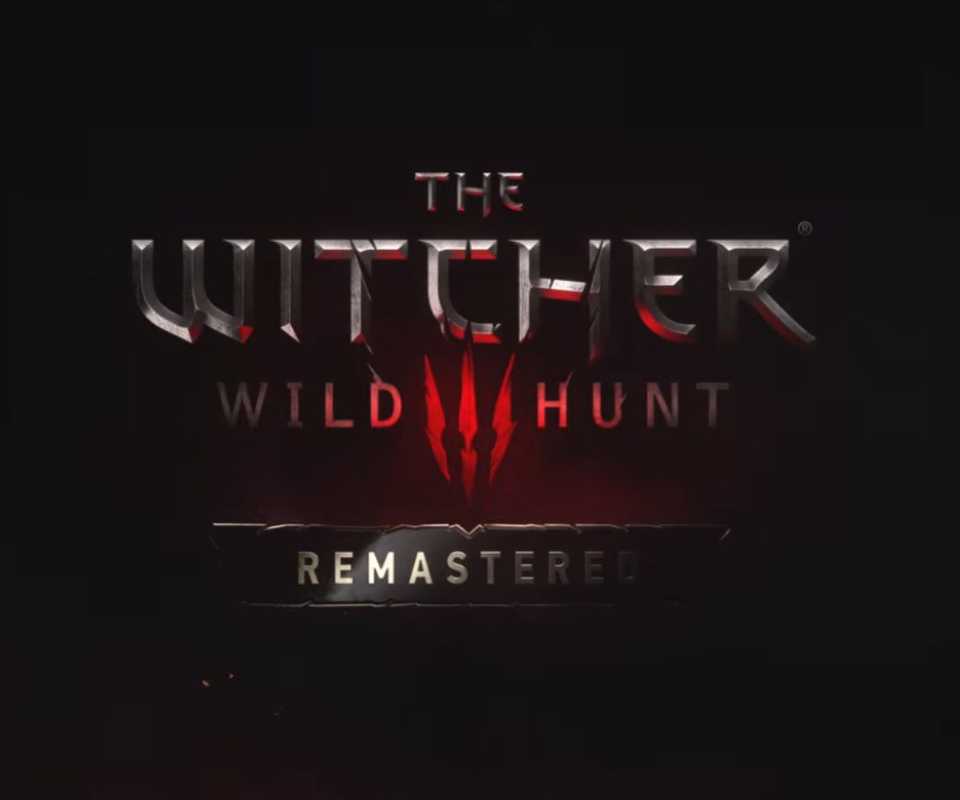
The terms “remake” and “remaster” have been used pretty interchangeably over the past few years, with the former often meaning a much more extensive overhaul, and the latter more of a light polish that keeps the core game intact. With that said, games like Oblivion Remastered clearly fall into that first category, but the more important thing than the definitions is the actual content included with the new releases and patches. In any case, there is an expectation that any kind of update is going to mainly focus on updating the visuals of a game, usually porting it to a new engine that allows the devs to incorporate all kinds of fancy lighting and graphical technology to bring iconic worlds into the modern day.
However, we are seeing a substantial push for more exhaustive remakes that not only change how the original looks, but also update the gameplay to bring it more in line with contemporary standards and to remove a lot of the jankiness that many players consider to be the biggest problems with older games. And, in the case of The Witcher 3 Remastered, we are seeing a middle ground that doesn’t completely rebuild the game from the ground up and, instead, changes, fixes, and updates almost every mechanic and feature in some way to make an otherwise decade-old game feel more like a 2026 release.
Rather than overhauling all the graphics and changing the assets across the board, the developers are going above and beyond to update everything from the enemy behaviors to the way we move around in The Witcher 3.
I think this is a great move for CD Projekt Red, as, although they could have very easily chosen to leave the game as is and focus all their attention on the content within the upcoming DLC, by addressing a lot of the issues people had in the past, they are going to be able to draw in far more players who had previously played the game, as well as potentially open the door just a little wider for those who had given up before due to gripes about the gameplay. If they had gone ahead and dropped Songs of the Past by itself, with no additional updates, then ít would have obviously captivated so many existing Witcher 3 fans and sold an ungodly amount, even without drawing in a huge number of newcomers.
But, they ignored the safe route and opted for a more wide-reaching approach that should hopefully appeal to the long-time fans who have already played the game to death and likely modded it into the ground with numerous fixes, and those on-the-fence players that had tried the game in the past, but never quite stuck around for the long haul. You aren’t changing or remaking anything about what makes the game incredible to begin with; you are only bolstering the existing content with a more well-rounded system that better fits modern tastes and removes many of the mechanical issues related to the combat and more that were, in the past, the only major complaint that anyone ever brought up.
The Witcher Franchise Is Already Set to Grow Beyond The Witcher 4
Another factor to consider is how The Witcher 3 Remastered and Songs of the Past fit into the future of the series. Right now, we know about Ciri’s standalone adventure in The Witcher 4, and that her story will continue on for a full trilogy, and alongside those releases, we will at the very least be seeing a full remake of the original and maybe even the second game at some point down the line. That’s a lot of additional ground to add to an already expansive franchise, and that’s exactly why modernizing the best game in it is the perfect way to lead us into the next generation of Witcher action.
The crucial part is making the jump between games feel as natural as possible, which, for a 13-year gap, seems borderline impossible. What makes it so hard is that you want to be able to innovate and try new things, both visually and mechanically, but if you stray too far from what the series is known for, then you may end up erasing the identity of the franchise and will struggle to pull in your existing fanbase that is hungry for more content.
Look at another open-world RPG franchise like Fallout, where the early games look like an entirely different genre to the later ones, and so, if you want to go back and experience the earlier stories, you have to deal with the growing pains of relearning an arguably archaic design philosophy that more often than not proves too annoying for players to learn. For The Witcher, the contrast isn’t as drastic, but there are some clear issues in the older titles that need to be solved and updated in the later entries and remakes in order for you to maintain that goodwill that has ebbed and flowed over the past two decades.
My personal hope is we see more iterative updates and remakes like this for other games and franchises that help bridge the gap between entries going forward. Imagine a Skyrim remake update on a smaller scale than Oblivion, one that shows us how Bethesda is hoping to update their gameplay approach for The Elder Scrolls 6, or a Gothic 2 patch that takes influence from the Gothic 1 Remake whilst showing us how they will adapt the rest of the game for a future fully-fledged remaster. In essence, new releases and updates for older games should always look to bring something genuinely new to the table, instead of giving us some nice eye candy to look at, and forgetting about the abysmal gameplay that weaves it all together.

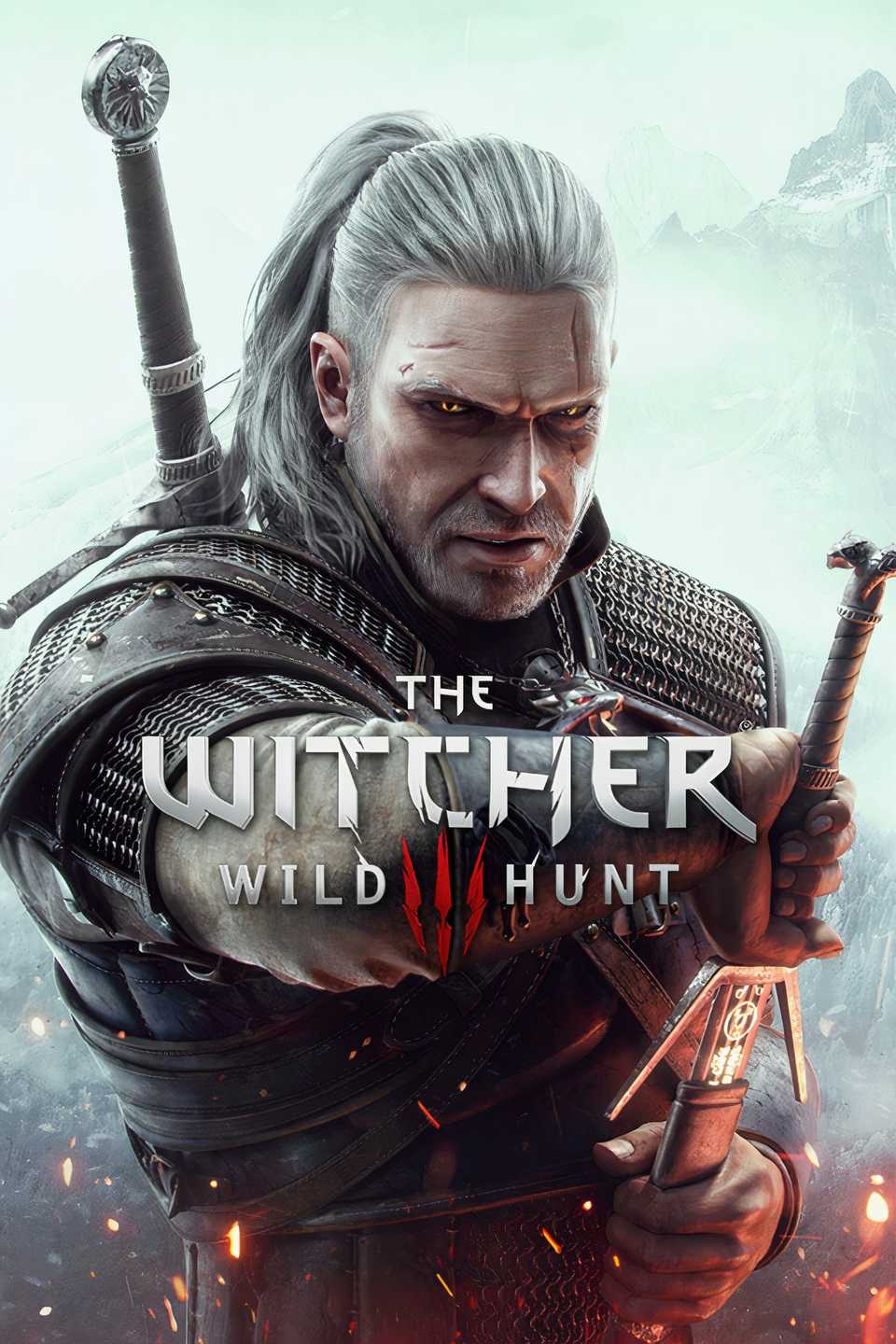
The Witcher 3: Wild Hunt


9/10
- Released
-
May 19, 2015
- ESRB
-
M for Mature: Use of Alcohol, Blood and Gore, Intense Violence, Nudity, Strong Language, Strong Sexual Content