



The release of The Witcher 3: Wild Hunt Remastered on September 29 brings to mind how vague some of this industry’s most popular current conventions are. That’s not any dig, of course; CD Projekt Red really seems to have spent a decade listening to players with a release like this. But the fact that The Witcher 3: Wild Hunt Remastered just as easily could’ve been a resolution bump with a price tag stapled to it matters, as it means that the term “remaster” has become more than a little ambiguous.
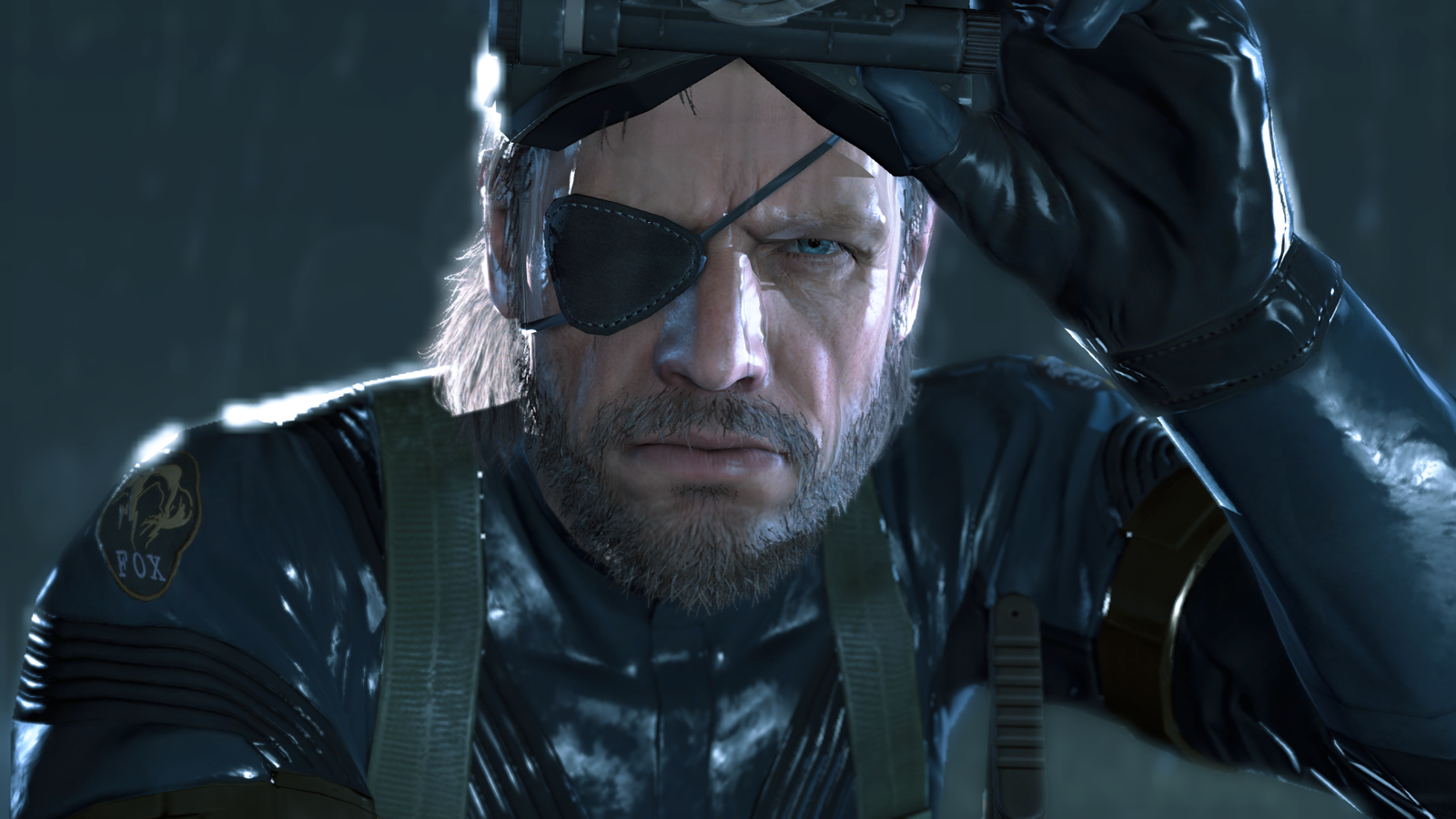
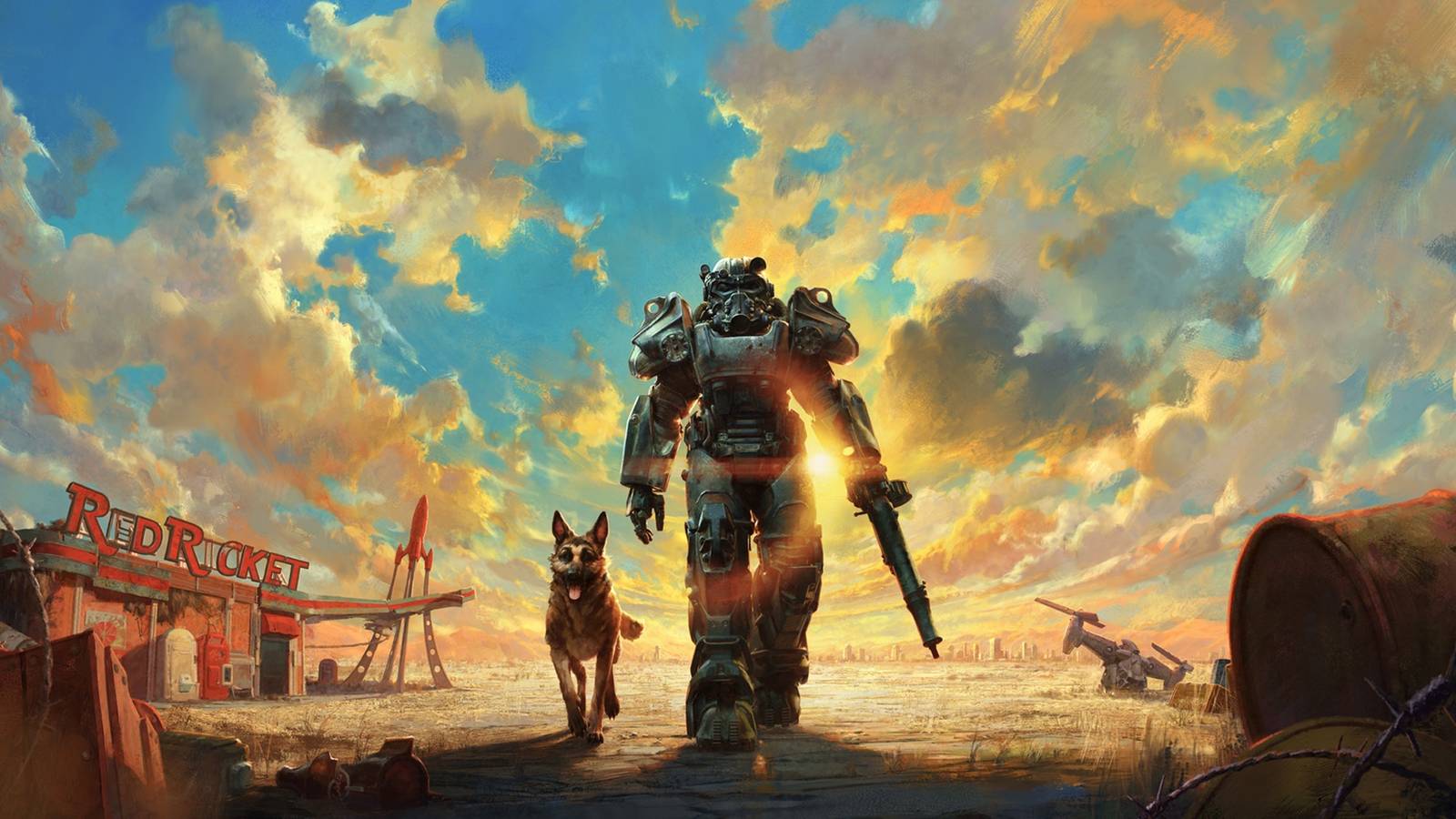
The words we use to classify these re-releases have come apart at the seams: Oblivion Remastered, Black Flag Resynced, Halo: Campaign Evolved, Gears of War: Reloaded, Dead Space, Tony Hawk’s Pro Skater 3+4. Six different games, with six different labels, and off the bat, there’s no reliable way to tell what you’re actually buying beyond the name. It’s unlikely this practice will change anytime soon, but at the very least, one can appreciate how The Witcher 3 Remastered demonstrates, with ease, that what truly separates the good from the bad goes beyond the label, into what should change and what ought to be.
CDPR’s Remaster and “The Witcher 3 2.0”
Given the way terms like remake and remaster have been used over the last few years, it’s notable that CDPR associate game director Paweł Sasko—a quest designer on the original game—likened The Witcher 3: Wild Hunt Remastered to a sort of “2.0 overhaul” when he spoke to Kotaku at Gamescom 2026. He described an intentional focus on what has truly aged poorly since the original 2015 release. As a remaster, it’s admirable that it attempts to address both specific and sweeping pain points, ones that have existed in reviews and forum threads for a decade.
Considering the title already saw an upgrade back in December 2022 (which was mostly a fresh coat of paint for the newer-generation consoles), it’s impressive that none of this remaster’s shine seems to rely on a single headline feature. Combat, traversal, mount handling, monster behavior, signs, the skill tree, and photo mode are all moving forward at once, in an eleven-year-old game, for free. It sounds great, though distinctly familiar, which makes it all the more interesting that Sasko reached for a Cyberpunk 2077 comparison himself:
Having worked on update 2.0 for Cyberpunk, when we think about this remaster, it’s almost like a 2.0 overhaul [for The Witcher 3]. We applied the same design principles to RedEngine 3 that we learned from RedEngine 4 on Cyberpunk. We analyzed what annoyed people most—like exploration, Geralt’s movement controls, and the lack of finisher [attacks]. That has all been addressed, and it makes the biggest difference in how the game feels to play.
The distinction there is important because, though they both act as pieces of the same puzzle, technology and game design age differently. Higher-resolution textures may make for a more pleasurable viewing experience, but they don’t necessarily make a game feel modern on their own. If a remaster can identify why a game feels dated and address those problems without replacing the things that made the original work, it can accomplish considerably more than another graphical pass.
Remakes, Remasters, and Broken (Yet Necessary) Labels
Additionally, in marketing-language terms, The Witcher 3: Wild Hunt Remastered stands in interesting contrast to some other recent re-releases—Oblivion Remastered being the most notable and confusing example. That game had revised combat, leveling, movement, and a mix of Unreal Engine 5 and the original Gamebryo engine that felt truly uncanny. The title on the box clearly read Oblivion Remastered, but in practice, it’s hard to argue that Bethesda and Virtuos didn’t blur the lines.
If Oblivion Remastered lies in the middle of a binary spectrum, something like Gears of War: Reloaded sits at one end as a remaster, and Dead Space 2023 sits at the other as a remake. A package deal like Tony Hawk’s Pro Skater 3+4 muddies the waters again, and everything else seems to lie in the middle somewhere. The point is that it’s all very confusing, and that’s a problem when all of these titles sit on the same shelf and cost roughly the same sixty dollars.
Learning to Live With Marketing Mumbo Jumbo


The tempting conclusion, then, is that these words— remake, remaster, resynced, reloaded — have stopped meaning anything, and I’d argue that’s subjective. What’s clear, though, is that none of these terms are particularly reliable, and that’s a worse problem, because these labels are the first and often only information a buyer gets before any money changes hands. The Witcher 3 remaster solves this problem through CPDR’s transparent-enough intentions, and for anyone worried about this problem moving forward, it might be worth taking note.
Intent: What A Game Could Be Vs. What It Should Have Been


When it comes to remakes and remasters, most debate springs from two seemingly conflicting ideas:
- Games are works of art that carry a distinct authorial intent worth protecting.
- Re-released games would be better served by having the courage to modernize.
But both work in concert if the intentions behind a remake or remaster are clear enough; good examples ask what a game could be—what it was already reaching for and missed, whether because of the hardware it shipped on or the design thinking of the year it shipped in. Bad ones don’t have that drive, and the makers often simply decide what it ought to have been instead, and build that.
I’d argue that Halo: Campaign Evolved fails across the board in this context; Halo Studios was working on the next title in a new engine already, so it isn’t a stretch to imagine this remake was mostly an efficient business decision. A multiplayer would cost a lot of money to maintain, but a $50 campaign makeover costs decidedly less. And while the remake’s new additions—three prequel missions, revised art direction, and edition-exclusive cosmetics—may have their defenders, they also raise a more fundamental question about whether Halo Studios is addressing something Combat Evolved needed, or simply changing a classic because a new version needs new things to sell.
Black Flag Resynced Gets Half-marks

A title like Assassin’s Creed Black Flag Resynced is harder to read, because lots of it is very good: the Caribbean is stunning, the QoL stuff is solid, and the naval combat still has no real competition. That said, Ubisoft bolted an in-game Store onto a full-price package, premium currency and day-one cosmetic packs included, and on launch day—after moving two million copies and setting an Assassin’s Creed concurrency record on Steam—Ubisoft Barcelona lost 51 people, close to a third of the studio. These decisions make the project’s purpose harder to separate from the business surrounding it, and a remaster should ideally make a case for why the game itself deserves another look—not merely why the publisher believes the property is still valuable.
The Witcher 3 Is Fixing What Didn’t Work, Not Replacing What Did
-

-

-


Set those projects against The Witcher 3 Remastered, and it already feels pretty night-and-day different. It’s free for anyone who owns the game; it ships as an update to the existing client rather than a new storefront listing, and CD Projekt Red handed Hearts of Stone and Blood and Wine to every base-game owner on announcement day. Profit is still in play: Songs of the Past is going to be paid DLC, and The Witcher 4 is right behind it—but the structure of the remaster itself is both understandable and decidedly fair.


Find all 10 pairs
Find all 10 pairs
Regular Cover ArtClean Cover Art
Beyond the laundry list of additions and improvements to existing systems, what’s most encouraging is the history here. Cyberpunk 2077‘s 2.0 update was largely repair work on a launch that went catastrophically wrong, but The Witcher 3 has never needed repairing. Applying that same class of intervention to a game nobody was calling broken means somebody at the studio decided that a statement like “this has aged badly in these specific ways” was worth addressing, and it seems it’ll be to everyone’s benefit.
The Questions Beyond the Labels
Ultimately, CDPR’s approach may prove to be the most useful model for modern remasters. The goal shouldn’t necessarily be to make an old game indistinguishable from something released this year. It should be to understand what has aged, why it has aged, and whether changing it would bring the original experience closer to what it was always trying to be.
The broader question of classification between remakes, remasters, and all those other catchy marketing terms has fallen by the wayside beyond the first thirty seconds of the relationship between a game and the person buying it. That doesn’t seem to be changing, at least not anytime soon. But The Witcher 3: Wild Hunt Remastered offers a more compelling alternative to game makers trying to re-release games in that context: to identify what has aged, leave what still works alone, and modernize the parts that keep an excellent game from feeling as good as it should.

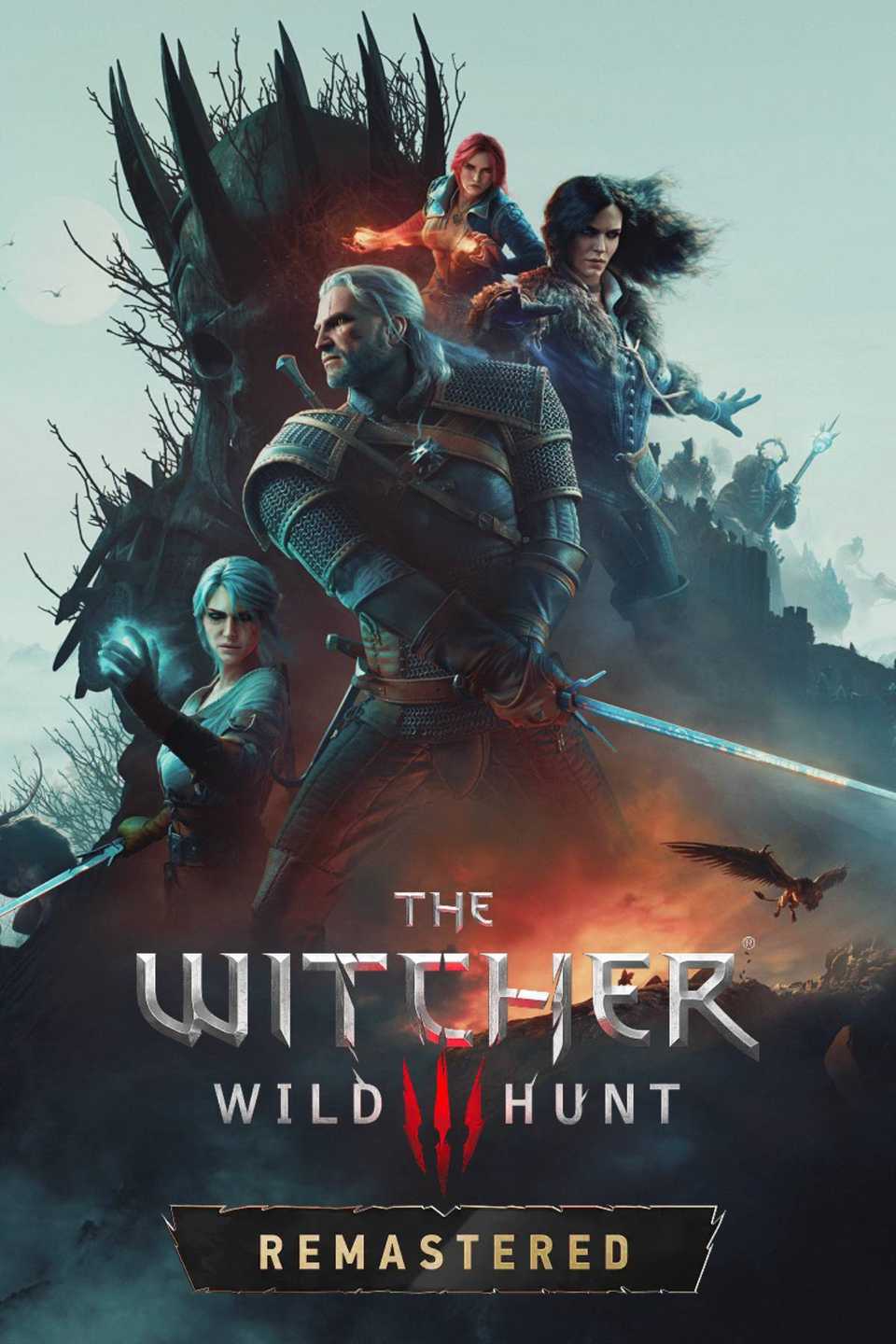
- Released
-
September 29, 2026
- ESRB
-
Mature 17+ / Blood and Gore, Crude Humor, Intense Violence, Nudity, Sexual Content, Strong Language, Use of Drugs and Alcohol