


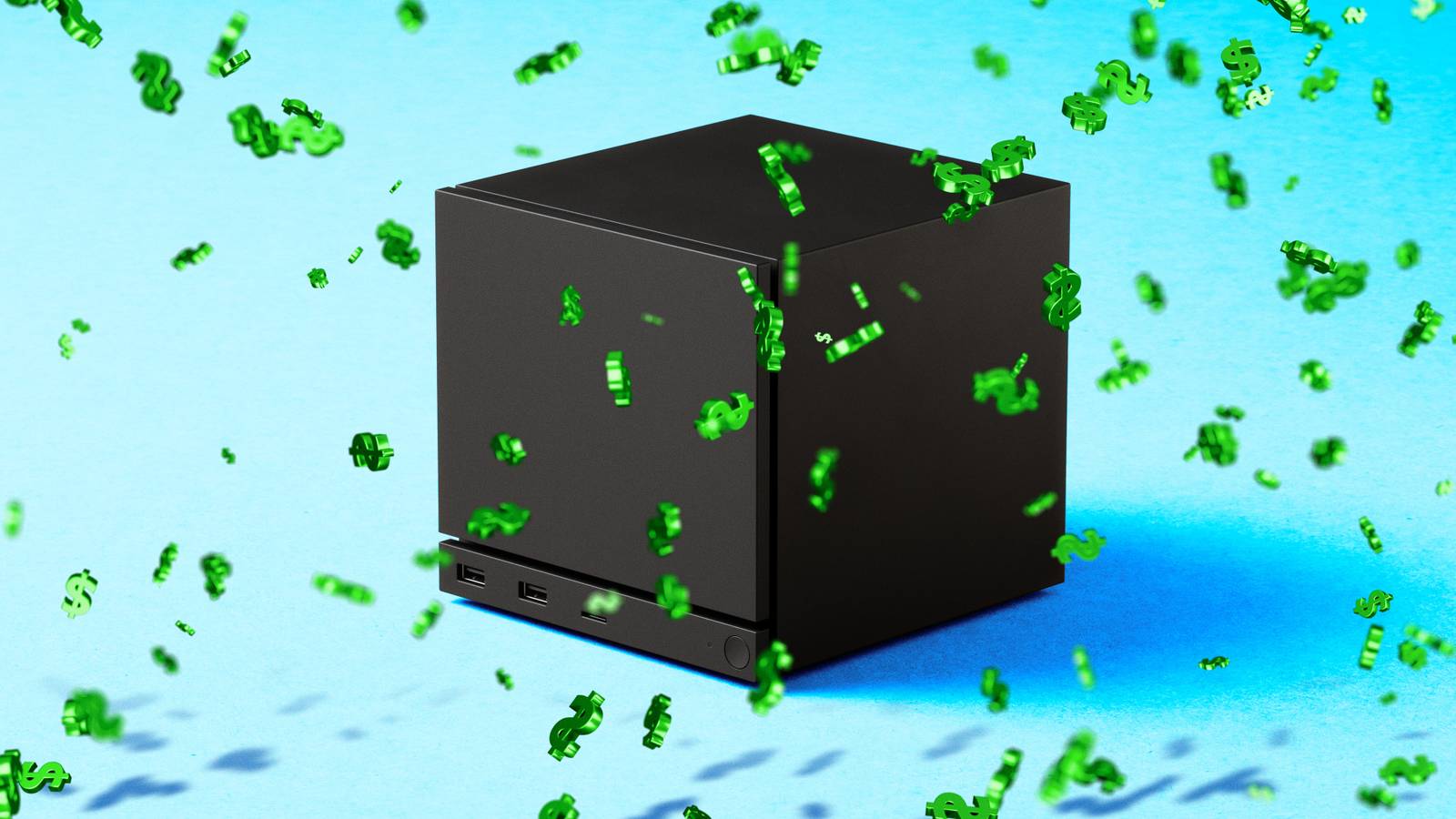




Starting today, Xbox Game Pass Ultimate subscribers enjoy something few ever get to experience in the age of the subscription model: a price drop. It’s been six months since the price of Game Pass Ultimate went up to $30 a month, but under the new Xbox CEO, Asha Sharma, the cost is unexpectedly falling back down to $23 a month. It’s not without caveats–this tier no longer includes Call of Duty entries on their respective launch days–but for the likely millions of players who subscribe to Game Pass Ultimate and don’t play Call of Duty, this is only a good thing.
This news comes less than a week after an internal memo written by Sharma spoke to how the price of Game Pass had risen too much. In the wake of today’s official price reduction, the “leaked” internal memo feels more like an intended tease, otherwise known as a controlled leak. That’s all fine by me. It’s a tried-and-true means of communicating your brand’s ideas to the public, and it’s at least interesting to begin to see what shape Xbox will take under Sharma. But controlled leak or not, today’s headline feels like it guarantees another major change is coming, and it’s that next one that worries me.
Since 2017, Game Pass has changed many times, but one figurative line it hasn’t crossed yet is the involvement of specific types of ads. There are many ways these could be implemented, from picture-in-picture or banner ads to video ads that interrupt gameplay, and more. Plenty of games, even some in Game Pass, do use ads, but they’re usually of the sort that players don’t balk at. I don’t want my time with NBA 2K to be interrupted by an ad for the new Jordans, but I don’t mind that there’s a Jordan store inside the series’ social hub, The City.
But mobile-style ads–the really annoying ones that pause your game, or offer you a re-do or some currency in exchange for 30 seconds of your time, or unskippable ads that appear when you enter certain menus–remain a line that console and PC gaming, for the most part, has not crossed. Such interference remains the enshittified aesthetic of mobile games. It feels like major players in the “core” gaming world are waiting for someone else to go first and shift the Overton Window on what is permissible regarding ad breaks in video games.
Now, it feels like Game Pass will be the first one to break that seal. There’s been so much chatter around this subject, especially lately. Since October of last year, when Xbox Game Pass prices were last increased, we’ve heard one prominent analyst predict an ad-supported tier of Game Pass may be coming. Another did more than predict ads: He said Xbox should embrace ads. Though these are outside parties weighing in on the industry, similar chatter has been coming out of Team Xbox itself, too.
In 2025, Microsoft was testing an ad-supported tier of Game Pass. As much as the price drop of Game Pass Ultimate is a salve for the highest-paying Game Pass consumers, this doesn’t address the players who want to get in for cheaper and are okay with having fewer perks. An ad-supported tier may be as cheap as free, which certainly solves the pricing obstacle some are met with today. In light of what looks like a controlled leak to promote some good news for Xbox, it feels like this talk of Game Pass with ads represents a similarly formulated campaign to get players comfortable with the idea now–or at least more used to hearing about it being possible–so it won’t be such a shock later.
The problem is, once console games and platforms start using ads in this way that they’ve intentionally shied away from for so long, it feels disappointingly likely that the use of ads will skyrocket. The line will be crossed, and others will follow suit. Time after time, companies have shown they will min-max to the last cent, especially if they’ve already got you ensnared in their subscription services.
Amazon Prime used to be ad-free, but now you have to pay an additional fee to remove them. NFL RedZone was once gloriously sold as “seven hours of commercial-free football” before adding ads last season and offering no way to remove them. The NFL said it would use these sparingly, but the rate at which it used ads increased dramatically within a few months. You used to get all of WWE’s history and ongoing premium events, complete with helpful bookmarks via the ad-free WWE Network. Now you have to pay $30 a month for those live events with frequent ad breaks via the remarkably broken ESPN app, while losing out on the entire back catalog–not to mention the many ads that now litter the ring itself. The playbook is all too common and, frankly, demoralizing.
Most companies don’t find a fruitful new revenue stream and simply hold back due to a commitment to consumer goodwill. I don’t expect Xbox will be so kind once it crosses that line and starts placing ads in its user experience. And I definitely do expect major players like Sony, EA, and Ubisoft to quickly follow in their footsteps once it feels like they’ve been granted permission. The distance between ads and no ads seems small when compared to the distance between what ad implementation may look like when it arrives versus what it’ll look like just a few years later.
Worst of all, I don’t know how to prevent this from happening. I don’t want to say it’s inevitable, or else I fear I’ll help, in some small way, normalize the enshittification of an industry, a medium, an art form I care deeply about. For now, I just hope to sound the alarm loudly and often enough to delay this new normal indefinitely. Gaming companies are eagerly tripping over the starting line, waiting for someone to go first and usher in an obviously worse experience for players that we’ll never get to undo. Game Pass may or may not be the first, but whoever is, it won’t be the last.
