


Ubisoft development team Red Storm is currently undergoing layoffs that will completely end its ability to work on 10 upcoming games. This decision by Ubisoft follows a series of internal changes designed to save money across the entire company. Specifically, 105 employees are losing their positions as the office is being forced to walk away from game development entirely. While Ubisoft has dealt with plenty of turbulence lately, this latest move marks a significant change in how this studio will operate from now on. The move appears to be part of a much larger plan to reorganize how the company builds its biggest hits.
Before these recent changes, Red Storm had a lengthy history in the games industry. It was founded in North Carolina in 1996, with the famous author Tom Clancy serving as one of its co-founders. For nearly thirty years, the team was synonymous with tactical shooters and high-stakes military action. After being purchased by its current parent company in 2000, it became the primary engine behind some of the most successful stealth and combat franchises in gaming history. The group’s early years were spent perfecting the mechanics of team-based combat, leading to a golden era of tactical experiences. Over time, however, the team’s role began to shift, moving from leading its own massive projects to providing essential support for other major titles across the globe.
Ubisoft Announces Studio Closure and Layoffs
Ubisoft announces the closure of one of its studios and downsizing at other locations as layoffs continue to plague the gaming industry.
A Look at the Projects Lost to Layoffs at Red Storm

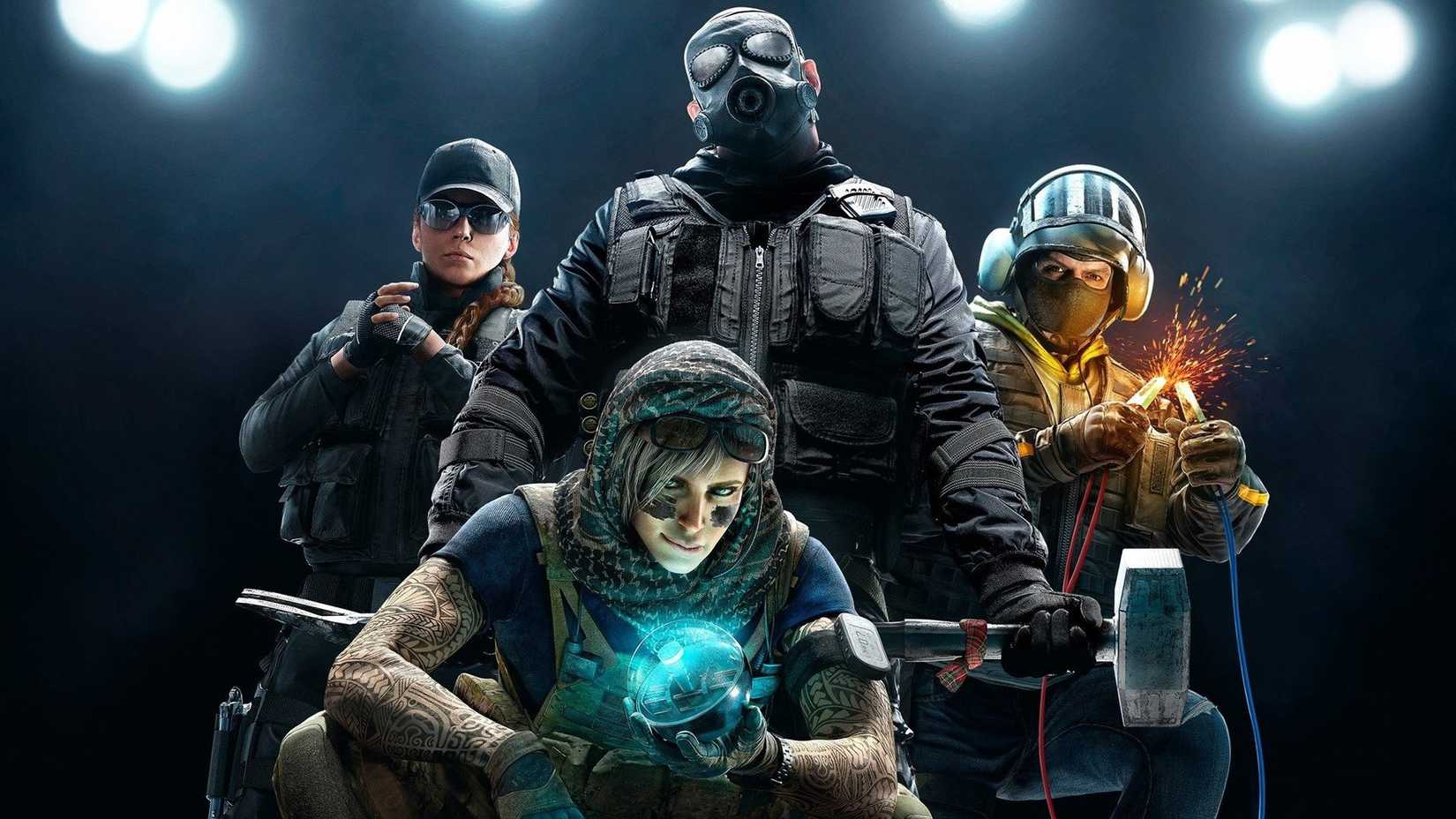
The true scale of the studio’s involvement in the company’s lineup has only recently come to light following the news of the job cuts. According to Insider Gaming, the team was actually juggling at least 10 different projects at the time it was told to stop making games. These weren’t just small tasks. The studio was helping to build the seasonal content for Rainbow Six Siege and was working on the next big Ghost Recon title, which is currently being referred to as Project OVR. The list of work also included the long-awaited Beyond Good & Evil 2 and the ongoing development of Brawlhalla. It was also handling a smaller Rainbow Six project called Slice & Dice and was in the early stages of planning what The Division 3 could eventually look like. Other tasks involved creating audio for The Division 2, assisting with a new version of Watch Dogs, and working on the Splinter Cell series. One final project was so early in development that it hadn’t even been given a public name yet.
This sudden shutdown of game development comes after a string of difficult years and high-profile project failures for the North Carolina team. Red Storm had already dealt with previous rounds of layoffs in both 2024 and 2025 as the company tried to find its footing. Recently, the studio had been focusing heavily on virtual reality, creating Assassin’s Creed Nexus VR and leading the way on titles like Star Trek: Bridge Crew and Werewolves Within. However, many of their biggest hopes were dashed when key projects were canned. A VR-focused Splinter Cell game was stopped in 2022, and the free-to-play shooter The Division Heartland was officially scrapped in 2024 after facing multiple delays and development hurdles. These cancellations left the team in a vulnerable position, making Red Storm a primary target for the company’s wider “global savings plan.”
The studio isn’t closing its doors entirely, but its new purpose will be a far cry from its days of creating legendary shooters. The remaining staff will now function as a support hub, focusing on technical assistance and IT services rather than creative game design. A major part of their new job will be maintaining Ubisoft’s Snowdrop engine, which is the powerful technology used to run games like The Division and Star Wars Outlaws. This pivot is part of a major reset where the company is splitting itself into five core “creative houses” that will handle all the main game-making duties. Any studio that sits outside of these five main pillars, like the North Carolina team, is now relegated to the “Creative Network,” a supportive structure meant to help the main houses finish their roadmaps.
Fit the 9 games into the grid.
These layoffs are just one piece of a financial goal to cut costs by a staggering €200 million across the entire organization. The year 2026 has already been incredibly tough for the company’s workers, with staff at Massive Entertainment and the team behind the Splinter Cell remake also facing job losses. Seven games have been canceled recently, including the Prince of Persia: The Sands of Time remake, which had been in development for years. Beyond the studio closures, the publisher has also faced internal tension due to a new policy requiring all employees to return to the office full-time, which sparked a strike among workers earlier this year. While the company has promised to give departing employees generous severance packages and support to help them find new roles, the atmosphere remains tense. Even more cost-cutting measures at Ubisoft are expected to be announced in the near future as the publisher continues to tighten its belt and focus only on its biggest, most profitable brands.


- Date Founded
-
March 28, 1986
- Headquarters
-
Saint Mandé, France
- CEO
-
Yves Guillemot
Source: Insider Gaming