




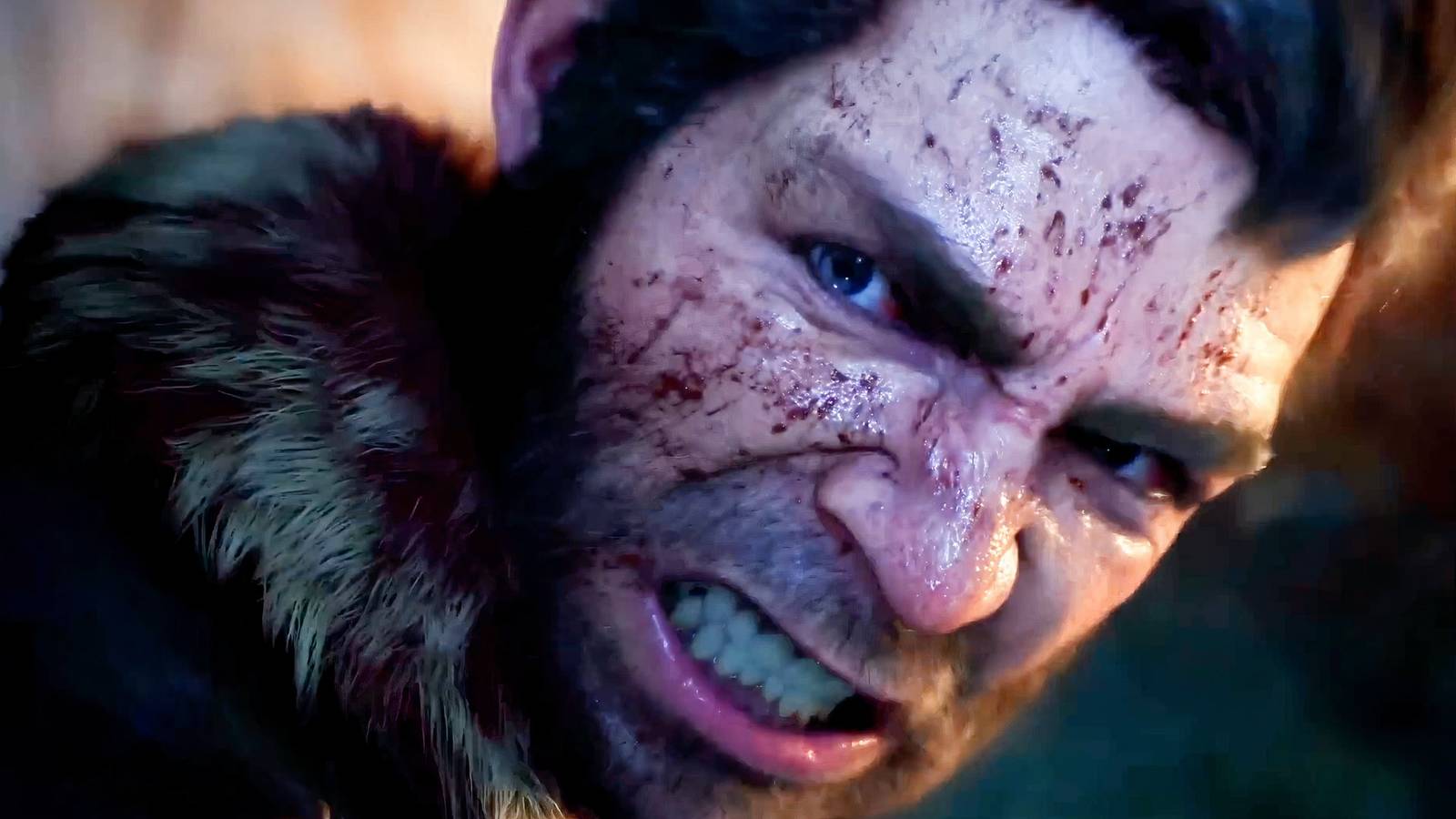



When it announced its AI-powered DLSS 5 raytracing tech earlier this year, Nvidia inadvertently made headlines when users criticized how much the tech apparently changed the faces of game characters, including Grace Ashcroft of Resident Evil Requiem. According to Requiem producer Masato Kumzawa, the uproar about how DLSS 5 might unilaterally change characters’ faces contrary to the intent of the developers who created them shows how well Capcom got Grace’s design right from the start.
“The fact a lot of players commented they really liked the original design of Grace and didn’t want to see it changed was a positive,” Kumzawa told Eurogamer. “It meant we got the design right [and] points to the fact that Grace quickly established herself as a fan favorite, that people had such strong opinions on her design.”
Kumzawa didn’t comment directly on how Capcom was involved with the announcement. When DLSS 5 was initially announced, Capcom’s Jun Takeuchi, and executive producer on Resident Evil Requiem, stated that “DLSS 5 represents another important step in pushing visual fidelity forward, helping players become even more immersed in the world of Resident Evil.”
After criticism from consumers and developers alike, Nvidia’s Jensen Huang reiterated that developers have full control of the output of DLSS 5, and denied that the technology made fundamental changes to a character’s geometry, despite evidence to the contrary.

