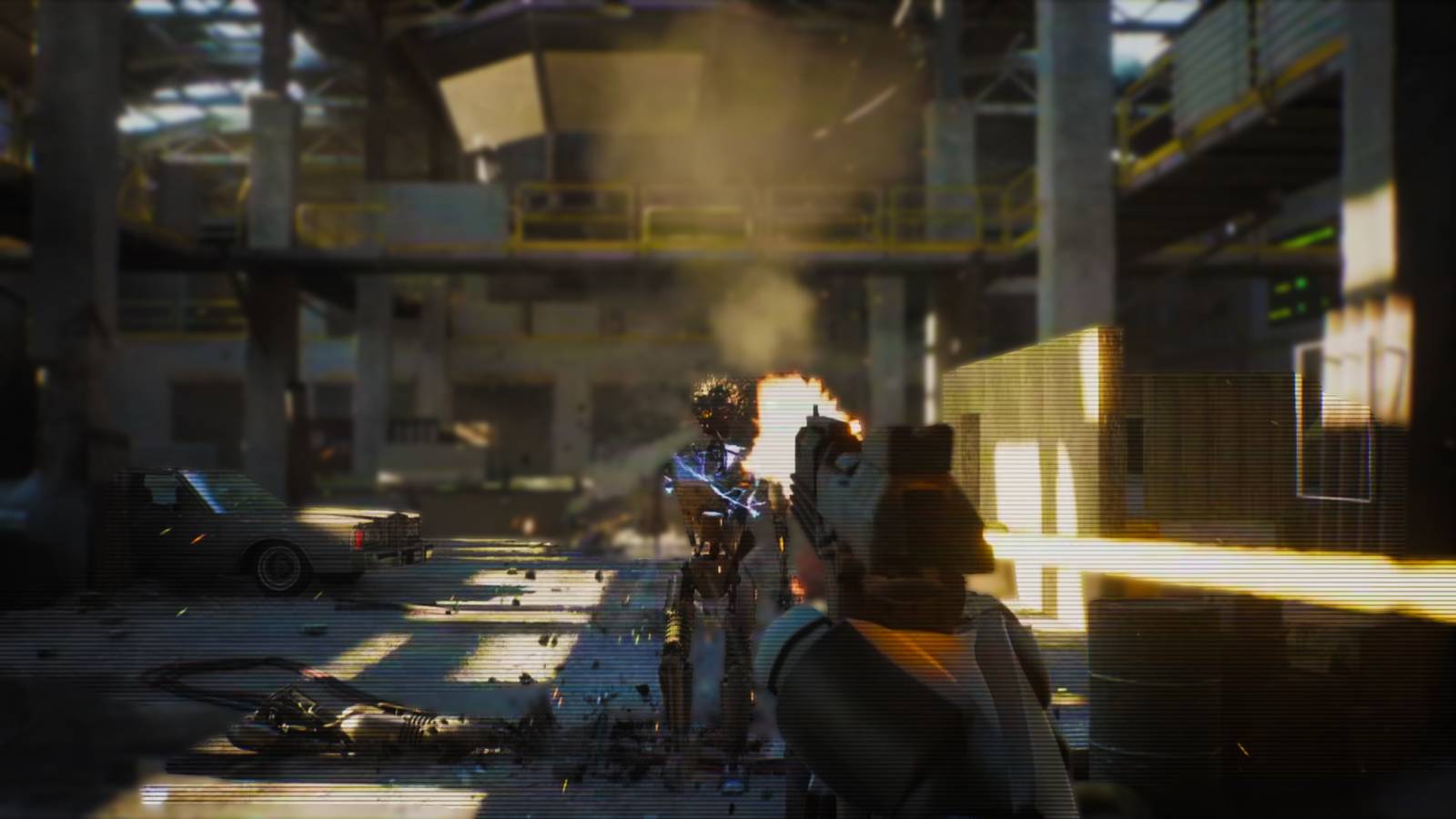




For as gripping as the FPS underdog really is, I must admit that I find the standoff that happens at the start of every WARDOGS match truly vexing. Everybody spam-clicks on the teams tab, hoping to end up as either Manticore (the green guys) or Valkyra (the red guys), all while Lonestar (the blue guys) sits half empty. Much like in life, it seems that nobody who plays WARDOGS wants to be blue.
Morgan Park at PC Gamer was the first to put this community sentiment on the page, and I haven’t been able to get that piece out of my head since, because it seems totally true. I’ve been playing since the last of the code-closed betas, and somewhere around thirty hours later, I can attest that Manticore and Valkyra close matches out at rates Lonestar doesn’t match—not nearly. But nobody seems to agree on whether Lonestar is truly, actually, materially disadvantaged either, and I find that fascinating—especially when believing that to be true might have become the real disadvantage after all.
WARDOGS’ Color Problem Seems Real, If Only Modestly So.
-
-

-

Wardogs Tower Image via GameRant; Source: Bulkhead

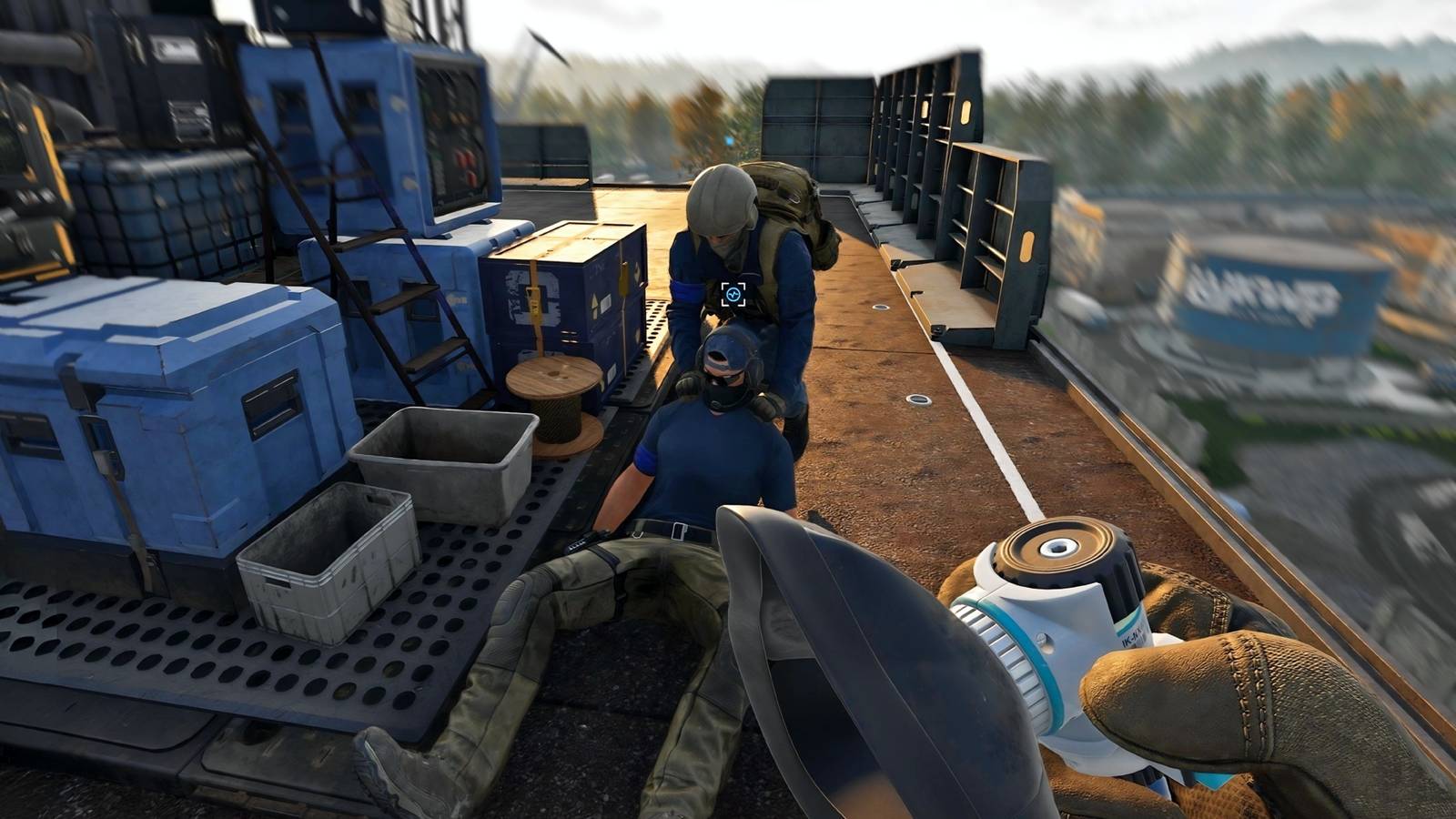
While first documenting the standoff, Park floated several theories about why the Blue team seems to be so troubled. The first was cosmetic: Lonestar’s blue pants and patches make its players easier to spot in forested terrain, and I want to back that up before taking it somewhere else. First, though, an admission — in certain FPS circles, I would be called a Bush-Wookie — which means I spend matches lying in foliage trying to remove heads at whatever range the map allows with any one of WARDOGS snipers. Yes, I am proud of it.
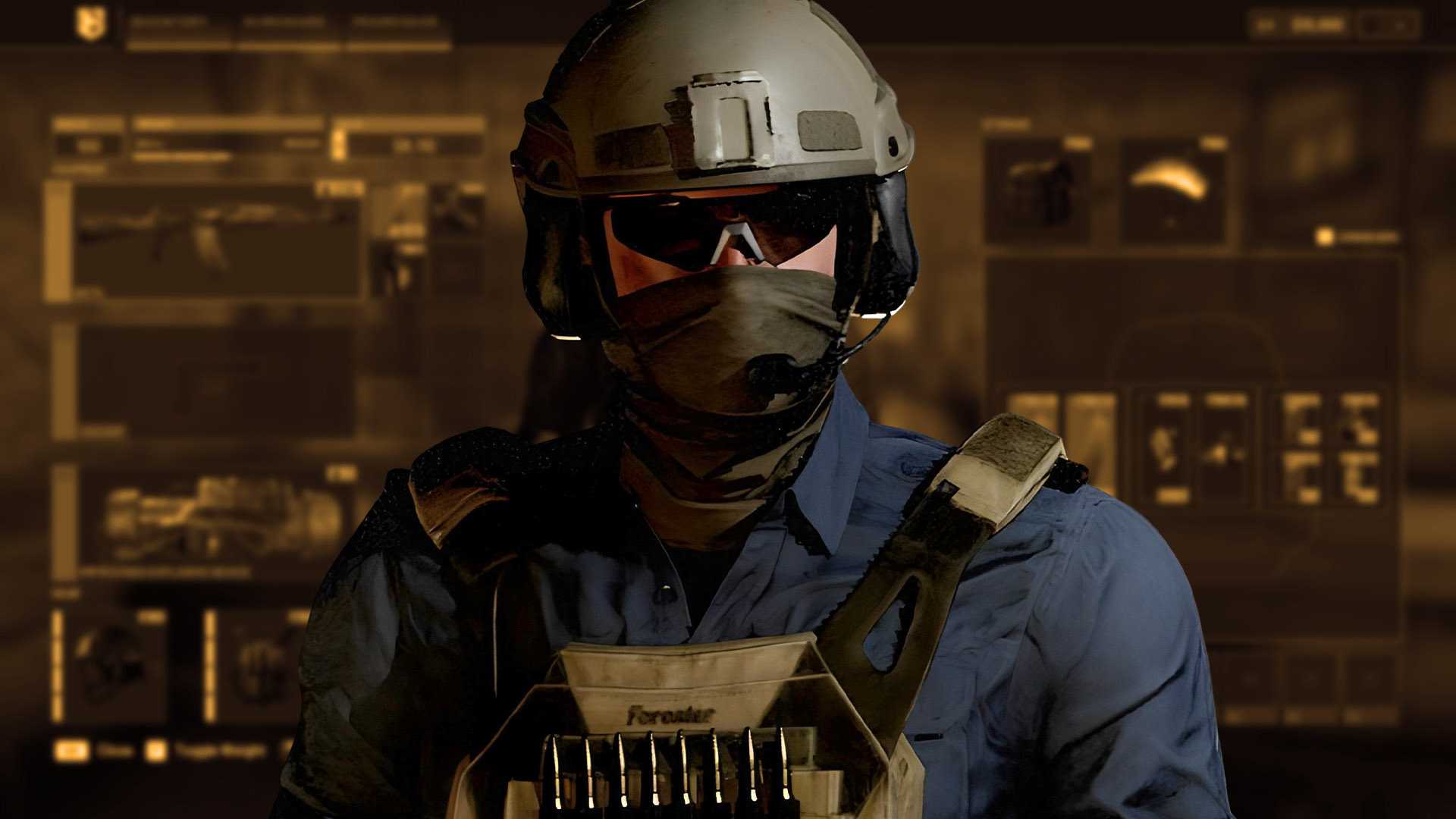
Particularly because, in this case, the habit has given me a detailed sense of what each faction looks like from four hundred meters away, and I feel pretty confident saying that these teams are not created equal, at least not as much as they maybe should be. As a member of the lean, mean, green team, I have managed five to ten unsuppressed Mosin kills from inside a hundred meters playing as a recon, out of a bush of unremarkable size; palying as Valkyra or Lonestar, that just doesn’t seem to work the same way. But navy against terrain is no worse than black, so I’d posit that the primary color may be doing Lonestar a small favor—the real problem is that, depending on the appearance you draw, Lonestar players have bare forearms under a flesh-toned helmet that reads as a human head, even at a distance.
The One Theory a Patch Could Actually Address


It’s a small shift in focus from blue to a pinkish hue, but the distinction is important, because every experienced FPS player runs a constant background scan for human-shaped, human-colored objects in the scenery, even when running and gunning as an assault. What’s nice about this theory is that it’s one Bulkhead can adjust much more easily. But it doesn’t really account for how totally outmatched Lonestar seems to be across most WARDOGS matches, so it’s worth exploring a bit further.
A Map Balance Argument Doesn’t Really Have the High Ground
-

-

Wardogs RPG7 inspect Image via GameRant; Source: Bulkhead -

The second common theory is geographic. Lonestar usually starts in the southernmost corners of maps while Manticore and Valkyra start west and east, which supposedly sets blue up for a permanent two-front war. I think Park and certain players online are right that the headquarters aren’t spaced evenly degrees-wise, but that geometry hardly translates into anything tangible, and there’s more material evidence to be found on the map POI’s like towers.
For one, when I checked my own game time against the community mapping resource MetaForge, I didn’t really feel the sandwich problem works out. On Bakurani, Lonestar can open with more effective progress toward two towers—towers 1 and 5—than anyone else, and those sit close enough together that splitting to hold them costs Lonestar less effort than Manticore’s pair, though one seems harder to hold. Zestafona does seem to have a noticeable Manticore advantage, but the asymmetry seems evenly split between the red and blue teams in practice.
Finding Measurable Imbalance Across WARDOGS Matches
The third common theory is a bit more heady, and I do mean that literally. It follows that players think that the Blue team is bad, or gets a bad deal, so they actively avoid it, which causes a sort of snowball effect, leading to an eventual loss comprised of newer WARDOGS players or those who don’t know the stereotype. That’s certainly the most fun answer, though it’s more than a bit more complex, and potentially a bit gaslight-y, so I put it to the test.
It certainly wasn’t extensive, but to get a sense of the larger problem, I joined three different official servers and recorded average team levels and the blue team’s standing across each. Lonestar was the only faction I could join in all three, and two were already underway with blue losing badly, so I was reading rosters after whatever attrition had happened. In the first match, Lonestar was level 34 on average, against an average of 59 for both rivals; in the second, 44 against Red’s 57 and Green’s 58; in the third, a 46 average for both Valkyra and Lonestar, against Manticore’s 56.


Drag weapons to fill the grid
Drag weapons to fill the grid
EasyMediumHard
Even with such a small sample size, I find those averages—and the circumstances they found themselves in during the match—to be pretty revealing. The difference between Manticore and Valkyra could be big, but the difference between Lonestar and Manticore was usually a cliff. I think the trickle-down effects of that matter more than they may seem.
Takeaways and Lived WARDOGS Experience
-
-

-

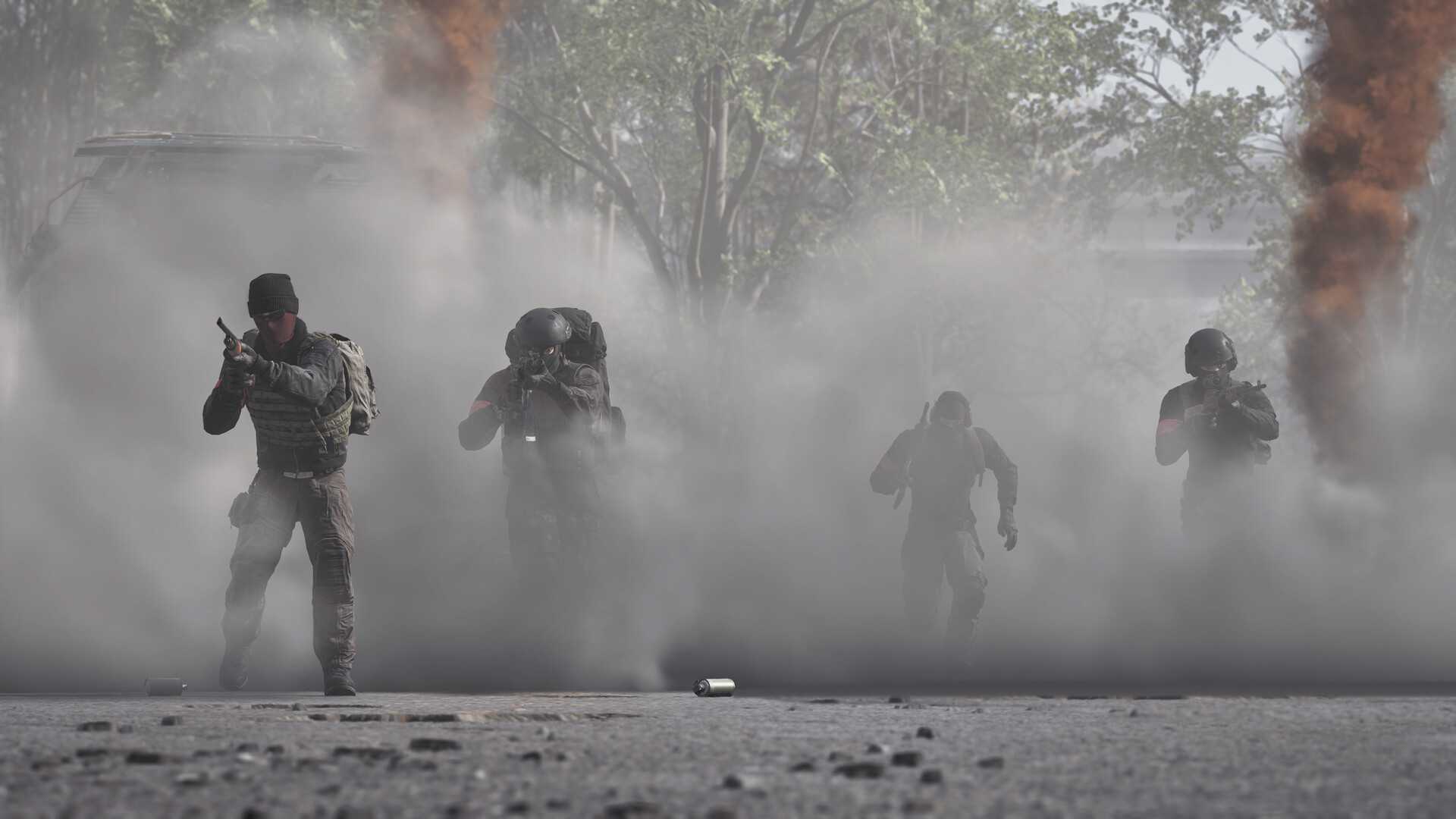
Of course, three matches prove no rule—but given that they line up with anecdotal experience, I do feel they are worth reading into. Since the early access launch, I have never seen Lonestar win; I’ve only seen it happen once, ever, and it was during the betas. And given Green’s average barely moves while the other two swings more forcefully, I’d say it’s fair to suggest that how players sort each match begins with Manticore as the default pick rather than Lonestar as the reject.
How WARDOGS handles joining a team matters, though, as I think it might poke a hole in these results—there isn’t any party system, no lobby to invite friends into, no group queue, and no way to lock a stack together before you deploy. Players have to join a server, choose a faction, and only then can they open the menu to build a squad. If groups wanting to play together coordinate joining a certain color at the door, while everyone else arrives one at a time, that might be equally important in determining how matches get two factions running efficiently, and a third that seems to be improvising.
A Patch May Not Be Enough

Ultimately, I’ve come away fully invested in the belief that, as it stands, the Blue team in WARDOGS is less likely to win a match. I don’t yet know why, though, and that’s a problem that might need fixing. There may be concrete ways of going about it—randomized team assignment, autobalance, a forced solo queue—but Bulkhead successfully sold and marketed WARDOGS on a real server browser, so a solution that removes or muddies that system doesn’t feel like much of anything.
That leaves the possibility that there is nothing here to patch, because somebody is always third on a three-way select screen, and making Lonestar the strongest faction in the game would redirect the cascade rather than end it. For my part, I would like to see Bulkhead publish faction win rates—if not to further Bulkhead’s own goal, as the studio has said it wants players shaping balance through early access—for my own research purposes. But I also understand why it might not; I suspect a fair share of this community would tell it not to, either. Confirming what is essentially the WARDOGS community’s first joke in writing might make it a far more serious grievance, after all.



- Released
-
August 10, 2026
- Developer(s)
-
Bulkhead
- Multiplayer
-
Online Multiplayer, Online Co-Op
- Number of Players
-
Single-player