






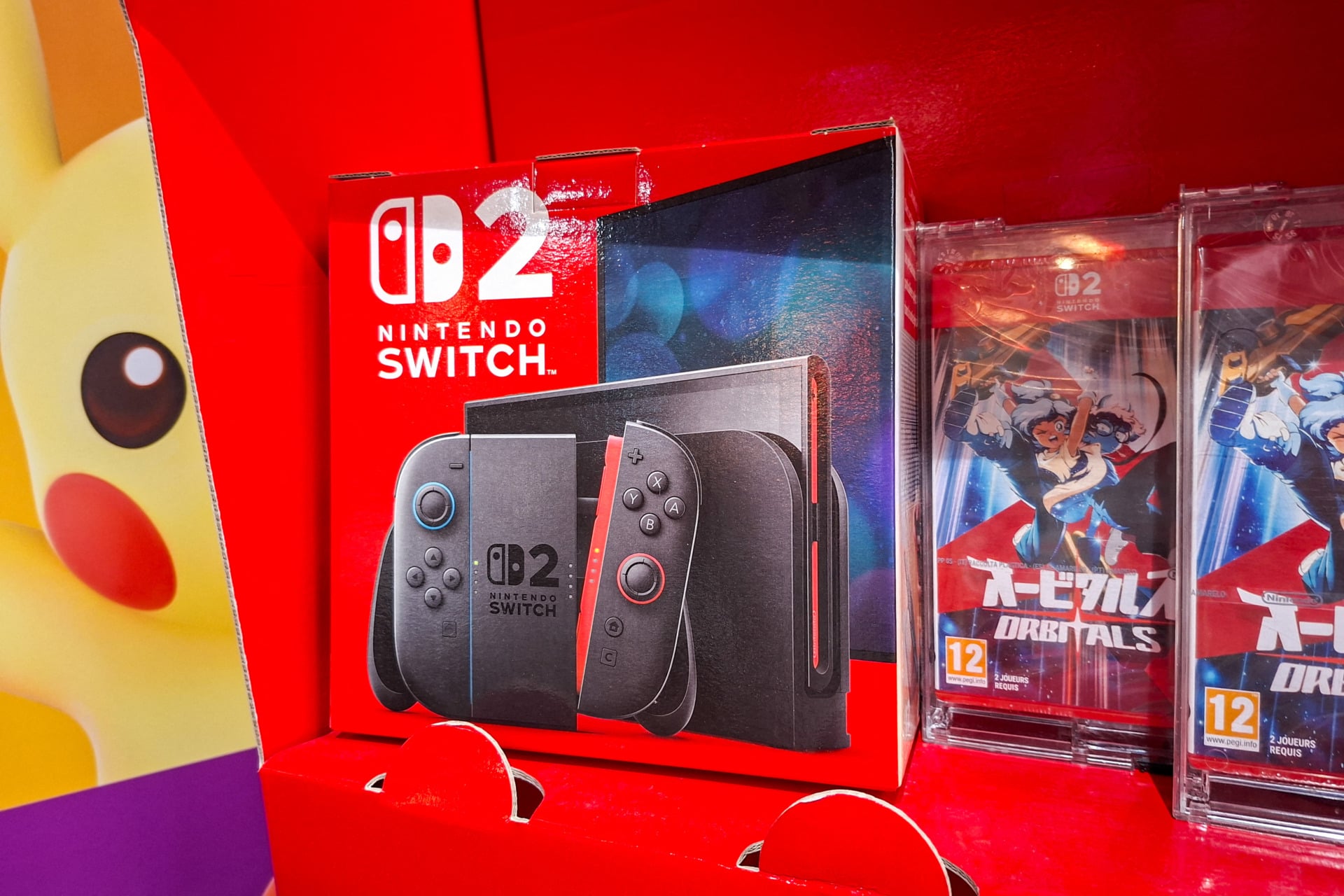
Sony has taken a lot of heat for its decision to abandon physical games. Fans spent the summer bombarding PlayStation State of Play livestreams with shouts of “no disc, no buy,” while also creating a list of every time the company had previously claimed that players owned their digital games. Against this backdrop, other hardware manufacturers have tread carefully. Microsoft has kept a neutral stance on whether the company will continue to support physical games with the next-gen Project Helix Xbox devices. Nintendo, on the other hand, is now reassuring its fans that physical games are here to stay, at least on Switch 2.
Vice President and General Manager for Nintendo in Latin America Bill van Zyll spoke on the topic during a recent interview with YouTuber Coelho conducted during the Brazil Game Show. The Nintendo-focused YouTube channel asked about a number of topics related to Nintendo’s activities in the region, including localized Nintendo Directs. That’s when the question of physical games inevitably came up. Van Zyll was keen to emphasize the benefits of the format while assuring the company’s continued plans to produce physical games.
“Historically, we haven’t had a preference for a specific format,” he explains. “We take consumer preferences very much into consideration. We also have a platform that was just launched. We’ve been around for a little over a year with the Nintendo Switch 2, and it offers both digital and physical games. Therefore, we have no plans to abandon physical media. We know how much fans enjoy it.”
Notably, consumer preferences favor physical sales on Nintendo platforms more so than those of their competitors. While Sony’s unit sales share of digital full game downloads versus physical is at 82 percent, Nintendo in its most recent financial report notes its digital sales ratio (calculated as the unit sales of all digital games, including digital-only titles, versus physical sales) at 61.5 percent. Recent U.S. sales data also shows that while many are frustrated with Game Key Cards, which function as pieces of plastic with DRM keys inside, it hasn’t stopped people from buying them.
Nintendo’s heavier reliance on physical sales makes any argument for a shift towards digital sales exclusively far weaker, making the choice to continue supporting physical sales an expected response from the company. Still, as Sony continues conversations with a number of companies over their decision, it is at least reassuring for Nintendo fans that the company has no plans to follow Sony’s lead. At least for now.
