




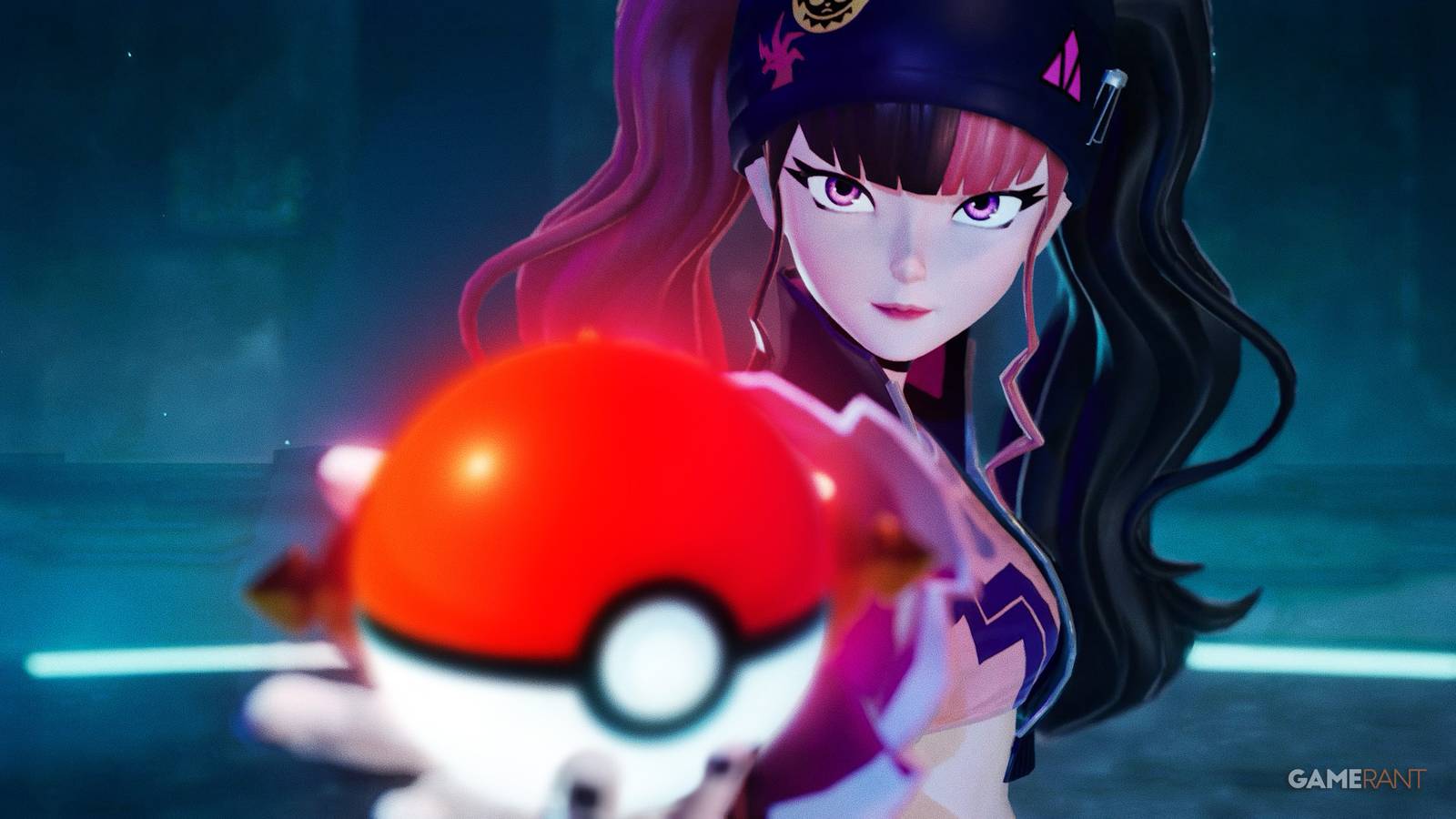
In a significant — if not yet truly decisive — development in the ongoing Nintendo vs. PalWorld saga, the United States Patent and Trademark Office (USPTO) has issued a non-final rejection of the ‘Summon and Fight’ patent Nintendo was granted in September 2025. The patent, which covers a game mechanic involving summoning a secondary character into battle, had been under fire from the gaming industry almost from the moment it was granted. Now, a USPTO examiner has preliminarily agreed with critics and shifted its prior approval, which is a meaningful step in PalWorld’s favor.
It’s no knockout blow for a number of reasons: this patent is not in the same courts as the actual legal battle, it’s one of many patents involved, and Nintendo retains the right to respond, amend, and appeal. But the decision validates the widespread concerns of many legal experts and observers that the patent was granted too broadly and with too little scrutiny. The jury is still out, but that overarching development may help shift the tone of the overall case.
Nintendo’s New Anti-Palworld Pokemon Patent is Missing the Forest For The Trees
Palworld is firmly in Nintendo’s sights, but its new Pokemon patent threatens to miss the bigger picture in favor of settling a legal score.
What the Patent Actually Covers
To know what this rejection actually means for PalWorld and games like it, it’s important to dig into it, as the patent’s (patent US12403397B2) formal title — “Storage medium, information processing system, information processing apparatus, and game processing method” — doesn’t say much, and everything involved in this case is a confounding blend of legalese in two different languages. The heart of the Nintendo patent’s core claim is more straightforward: it covers a specific technical implementations in a game that allows the player to summon a companion creature (the patent calls it a “sub-character”) that then engages an enemy, via one of two distinct modes:
- Manual mode: If an enemy is already present at the summoning location, the battle proceeds under player control.
- Automatic mode: If no enemy is immediately nearby, the sub-character moves in a player-specified direction and automatically initiates battle if it encounters one.
It’s intentionally ambiguous, but in plain terms, this could essentially apply to any game where one throws out a companion creature, and it then fights something. The trouble with that is that several IP law experts have raised concerns that the claim’s ambiguous language makes it Nintendo’s patent applicable to a broad spectrum of video games. PalWorld may be the most obvious example, but even games like Elden Ring could technically fall into the same scope if enough pressure was applied, legally speaking.
How Nintendo Got to This Point
For context, Nintendo filed this application in March 2023, and it was granted in September 2025 with a cleaner than average prosecution history: the claims were never rejected or amended during initial examination, an outcome practitioners called unusual. Industry observers quickly flagged extensive prior art on forums and Reddit — games that had been doing this sort of thing for decades — and legal commentators were blunt in their criticism. Patent analyst Florian Mueller called the case at large “a clear case of bullying.”
The volume of criticism was loud enough that in November 2025, the USPTO Director ordered an ex parte reexamination (in the absence of one party) reexamination of the patent, and by March 2026, the examiner issued a 104-page Office Action rejecting all 26 claims made in the patent. The rejection combined four prior-art references — from Konami, Bandai Namco, and Nintendo — itself to make the case for obviousness. Obviousness in this case is a legal ground that prevents the patenting of inventions that would have been obvious to a person having ordinary skill in the art at the time of filing.
What “Non-Final” Actually Means

Though this rejection sounds like a landmark ruling on its face, a non-final rejection is, essentially, a first draft of a decision. Nintendo has two months (at minimum) to respond and amend, but the practical trade-off Nintendo faces with this rejection is real. Amending claims to survive the rejection likely means sacrificing the broad scope that made the patent so controversial and so meaningful in its expanding battle against PalWorld developer Pocketpair in the first place.
The Bigger Picture: Japan and Nintendo’s US Portfolio
To be clear, the immediate PalWorld lawsuit is a Japanese case, filed at the Tokyo District Court in September 2024. All of this USPTO business has no direct legal meaning in that proceeding, but a direct relation to the case in Japan isn’t the point. Nintendo’s trouble with UPTSO stems from a proactive move to build a parallel US patent portfolio, with several fast-tracked US patents in late 2024 that correspond to the Japanese patents at issue in the PalWorld suit. This would set the stage for US litigation if Nintendo chooses to pursue it.
So, though it does not affect the actual case, the USPTO’s reexamination does call into question the credibility of Nintendo’s entire US patent enforcement strategy. Especially since the Japanese Patent Office has also separately issued a non-final refusal on a related Japanese application (No. 2024-031879) — the parent of two of the asserted “monster capture” patents — citing games like ARK: Survival Evolved and Monster Hunter as prior art. JPO refusals are not immediately binding either, but Pocketpair is likely to cite both of these decisions when arguing against Nintendo’s suit, and judges may take notice of how two separate patent offices are treating the same underlying mechanics.
What The Rejection of Nintendo’s Patent Means for the Industry
In the short term, this is a public relations victory for Pocketpair, a developer who already proactively altered PalWorld‘s mechanics after Nintendo’s Japanese suit was filed, removing the ability to ride companions for gliding and replacing it with a separate tool. It provides a public, official source that supports the argument that Nintendo’s game-mechanic patents are overly broad and poorly examined. In the longer term, the case may be critical in setting a tone; a USPTO director-ordered reexamination ending in a rejection of all claims — on the basis of obviousness — sends a message.
The battle with Pocketpair in the Japanese courts remains undecided. For Nintendo specifically, the pressure now is to either defend the claims as written, which is an uphill battle given the examiner’s thoroughness, or accept narrowed versions that carry less enforcement weight. The legal battle has already had real effects on game design, though, regardless of how the patents ultimately resolve.

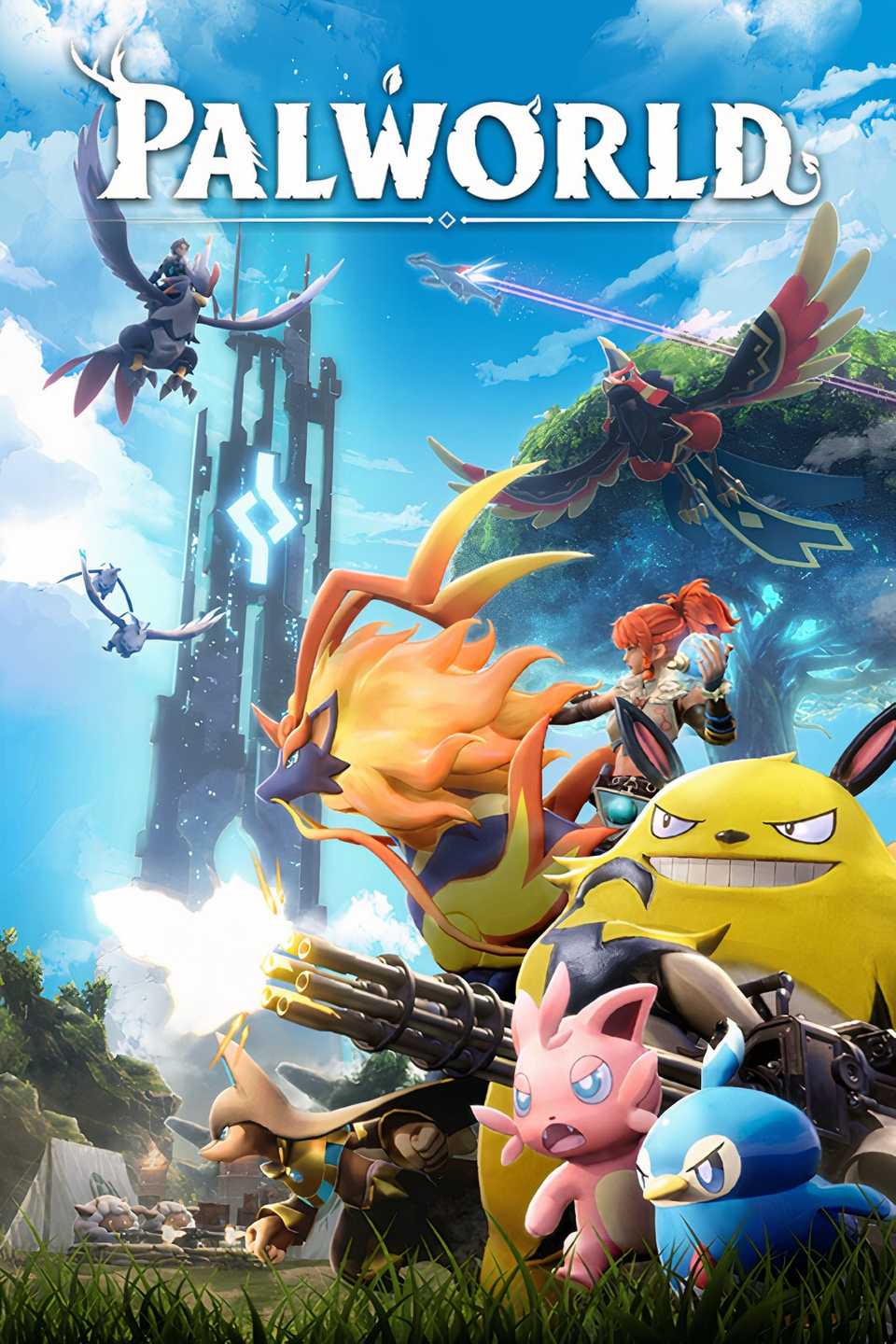
- Released
-
January 19, 2024
- ESRB
-
T For Teen Due To Violence
- Developer(s)
-
Pocket Pair, Inc.
- Publisher(s)
-
Pocket Pair, Inc.