




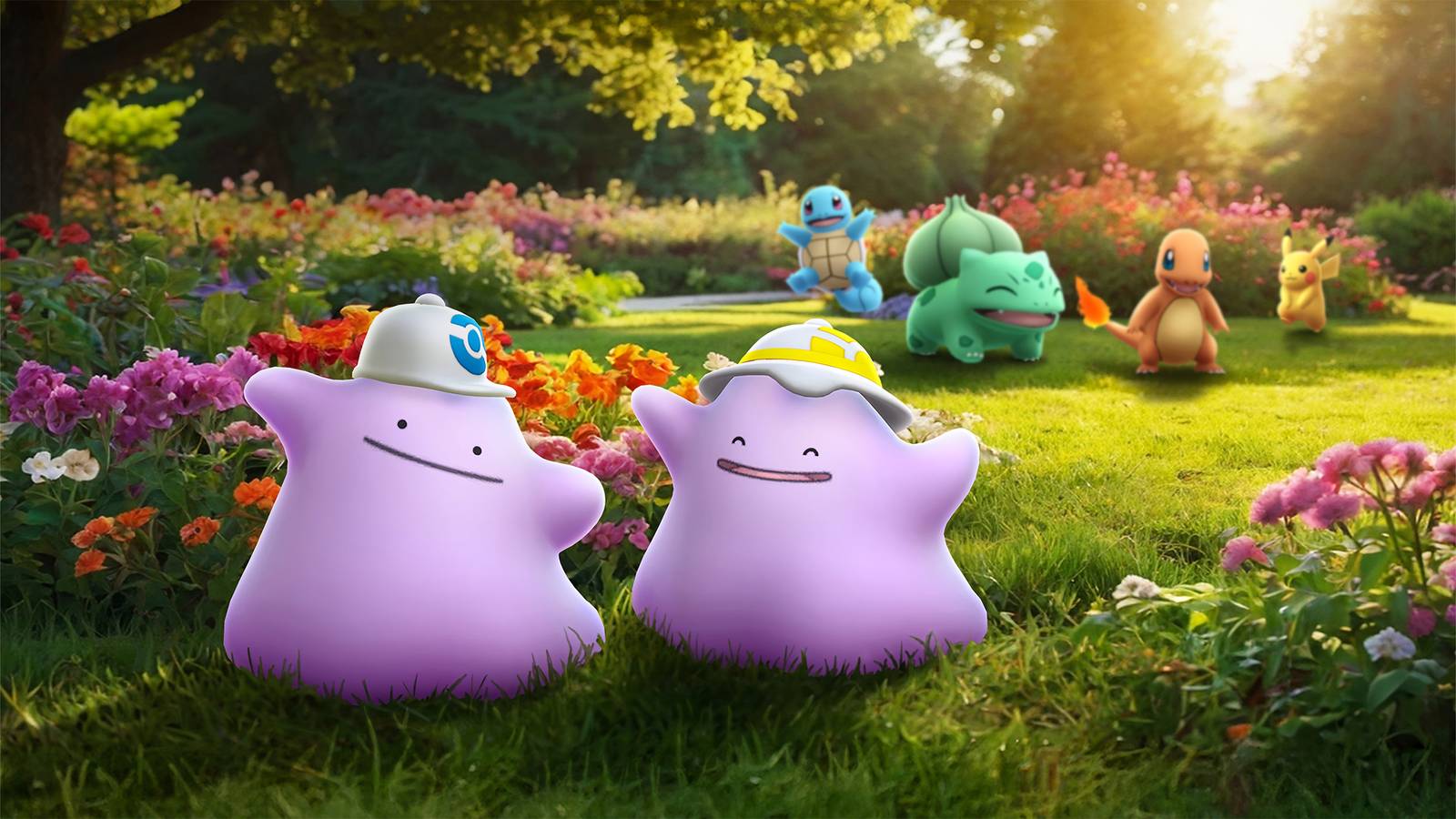
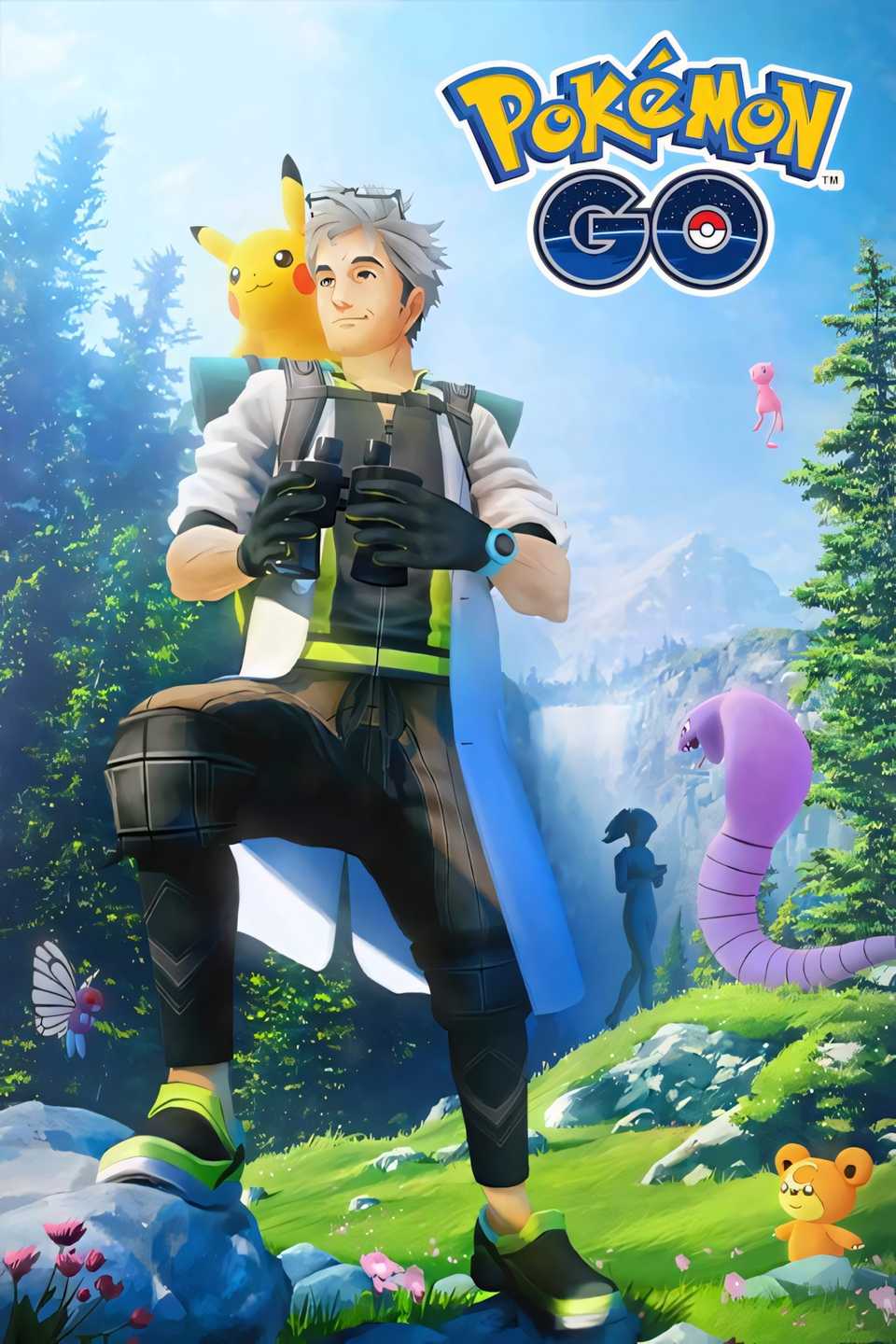
It’s one thing for a live-service game to survive for a decade, but it’s another thing entirely to start planning for the next one. However, as Pokemon GO approaches its 10th anniversary, that’s precisely what developer Niantic is doing. Sure, there are plenty of celebrations planned to honor how far the game has come in the last 10 years, and while Niantic doesn’t want to make any of those sound like small ordeals, it is nonetheless actively thinking about what it means for Pokemon GO to last another 10 or even 20 years. And at the center of that vision is the philosophy that if it hopes to achieve such longevity, it needs to become a truly multi-generational game.
GameRant recently spoke with Pokemon GO VP of Product Michael Steranka at Pokemon GO Tour: Kalos in Los Angeles, where the conversation eventually turned toward the long-term future of the game after discussing some short-term goals. While Pokemon GO‘s 10th-anniversary events are undoubtedly front and center this year, Steranka made it clear that Niantic’s focus is already stretching well beyond 2026.
Niantic Wants Pokemon GO to Last for Generations
As much as the 10th anniversary of Pokemon GO is worth celebrating, it has inspired Niantic to be more reflective on the game’s success and how that sets the tone for its future. Milestones like this rarely come around in live-service gaming, and when they do, they force developers to thoroughly consider what has worked, what has changed, and what still needs to change. For Pokemon GO, reaching a full decade is both a testament to its popularity and its resilience. That perspective was behind every word of Steranka’s comments once the conversation went from talking about anniversary events to long-term vision for the mobile game:
“Because the 10-year anniversary is this year, we have not only been thinking about what we are doing in 2026, but this has been a nice moment for us to stop and think about what the next decade of Pokemon GO looks like. And there are hardly any games out there that have been as durable as Pokemon GO, for a full decade to have such a thriving community worldwide. And we want that to continue.”
At this point, Pokemon GO has survived the constant ebb and flow of mobile gaming trends, habits and preferences among players, and an increasingly crowded live-service gaming landscape. It has gone from being a simple Pokemon-catching experience into a dense ecosystem of raids, PvP battles, research systems, and global events. Few games maintain relevance for 10 years, and even fewer do so while continuing to draw in new players alongside longtime veterans. For Niantic, the 10th anniversary is not just a celebration of Pokemon GO‘s endurance up to this point, but also a reason to ensure it remains sustainable in the long run.
That kind of sustainability, however, requires plenty of intention. A game doesn’t become a 10-year success story by accident, and it certainly doesn’t achieve the same kind of success over 20 or 30 years without enough planning. That’s where Steranka’s comments began to turn from institutional pride to personal investment, revealing how the next phase of Pokemon GO is being influenced by his own real-world experience as a father of two:
“We’ve talked about this being a forever game, and that means that 10 years isn’t enough. We want the next 20 years, 30 years. Something that’s top of mind for me personally is, with Pokemon GO being one of the most family-friendly games out there, I want to think about what it truly means to be a multi-generational game. If you started playing the game in your teens, you’ll now be in your 20s. 10 years from now, you’ll be in your 30s. People who grew up with this game will start to have families of their own, which is just so beautiful for me to see. I have a two-year-old at home myself and a two-month-old, so it’s a very personal thing for me too. But I want to have a game that we can play together as a family over generations.”
Largely gone are the days when kids tried everything in their power to get their parents to play video games with them, as those kids have now grown up to be parents themselves and, for some of them, their love for gaming hasn’t changed. Now, a major role reversal has taken place where parents are looking for opportunities where their kids can play games with them. Steranka points to Pokemon GO as such an opportunity, primarily because he personally wants to be able to enjoy it with his own children, and a personal perspective like that is bound to have a major impact on the game’s continued development over the next decade or two.
Rather than merely looking at what fans want, Steranka can also look at what he personally wants as a father who would love to play Pokemon GO with his kids, and that could be key to extending the game’s life beyond where it can be immediately perceived. Seeing the game’s potential through that lens could effectively bridge the gap between generations, ensuring that Pokemon GO evolves in ways that remain approachable for first-time trainers while still offering plenty of depth for those who have been around since 2016.
A major role reversal has taken place where parents are looking for opportunities where their kids can play games with them.
A multi-generational lens naturally raises questions about accessibility, onboarding, community safety, and long-term engagement. It means thinking about how a parent and child might experience the same event differently, how difficulty curves can accommodate both newcomers and veterans, and how shared in-person moments can feel just as magical for someone catching their first Pikachu in Pokemon GO as they do for someone chasing a perfect IV legendary. Designing with families in mind doesn’t dilute the experience. If anything, it broadens its foundation, making Pokemon GO more of a shared ritual that can be passed down from generation to generation.
Ultimately, Niantic’s long-term vision makes the 10th anniversary of Pokemon GO more than a milestone. Instead, it’s something of a checkpoint that affirms what the game has achieved while also clarifying what it hopes to become. If the game can continue adapting to the players who grew up with it while welcome the children discovering it for the first time, then its next decade could actually look completely different from its first—in a good way. Longevity in a live-service game is rare, but longevity rooted in shared experiences across generations is rarer still, and that is the future Niantic appears intent on building.



- Released
-
July 6, 2016
- Engine
-
Unity
- Multiplayer
-
Online Multiplayer, Online Co-Op