



Although overshadowed by their first-person counterparts, third-person shooters are still pretty popular, with a couple of notable games coming out each year. That said, the genre hasn’t really been at its most productive during the 2020s, so you need to look to the past to find good old-fashioned TPS brilliance. Putting aside instant hits like Mass Effect and Gears of War, quite a few of the best third-person shooter games debuted by falling flat on their faces.
I tend to play FPS games more than third-person shooters simply because there are just more of them. Don’t get me wrong, the latter has produced plenty of masterpieces, but only a handful were successful enough to help propel the genre to new commercial heights. Let’s run down a few greats that weren’t hits (at first, or ever in some cases).
“Nobody played” is a bit hyperbolic, but none of these games found their audience at launch. Also, I’m only talking about their release period, as most of them attracted a following in time.
Spec Ops: The Line Looked Like Military Shooter Shovelware
Only To Reveal Itself As An Incredible Deconstruction
- A poorly marketed masterpiece with a tacked-on multiplayer.
In some ways, Spec Ops: The Line seemed designed to fail, at least commercially.
Presented as a stock military shooter and released at a time when audiences were growing tired of generic third-person shooters, this 2012 masterpiece suffered through one of the biggest marketing misfires. Unsure how to promote its feel-bad game, 2K tried to reach the Call of Duty and Gears of War demographic, with trailers that sold a bombastic action ride that didn’t exist.
Famously, 2K hired an entirely different studio to build a conventional multiplayer, something that was completely at odds with Yager’s single-player campaign.
Spec Ops: The Line bombed so hard at launch that it might as well not have been released at all; however, deep discounts and bundles helped spread it around, allowing word of mouth to do its thing. While the gameplay isn’t particularly good, the game tells a riveting story based on Heart of Darkness, one that deconstructs or subverts the hero complex and player agency, resulting in one of the most unforgettable 6-hour campaigns in the third-person shooter genre.
As I’m sure most of you know, Spec Ops: The Line was delisted in 2024 due to licensing issues. It’s a real shame the game met this fate, but it undeniably left a long-lasting impact on the industry.
Vanquish Is The Greatest Third-Person Shooter Of All Time
PlatinumGames Couldn’t Buy A Commercial Win

- Beyond the Platinum curse, Vanquish‘s trailers and box art struggled to differentiate the game from terrible releases like Quantum Theory and Dark Void.
For a while, PlatinumGames batted a perfect 100, with every project earning widespread acclaim; conversely, the developer seemed to always strike out commercially. Few things in life are certain, but Platinum releasing a masterpiece flop was one of them for about a decade.
By 2010, the third-person shooter genre was shaped around Gears of War, mandating ironclad rules like waist-high concrete slabs, weirdly animated runs, and enemy AI fond of poking their heads out of cover. Just to be clear, I love Gears of War and wish we got a new game in this style every month, but that doesn’t mean every release needs to follow the same formula. Vanquish broke free of these constraints.
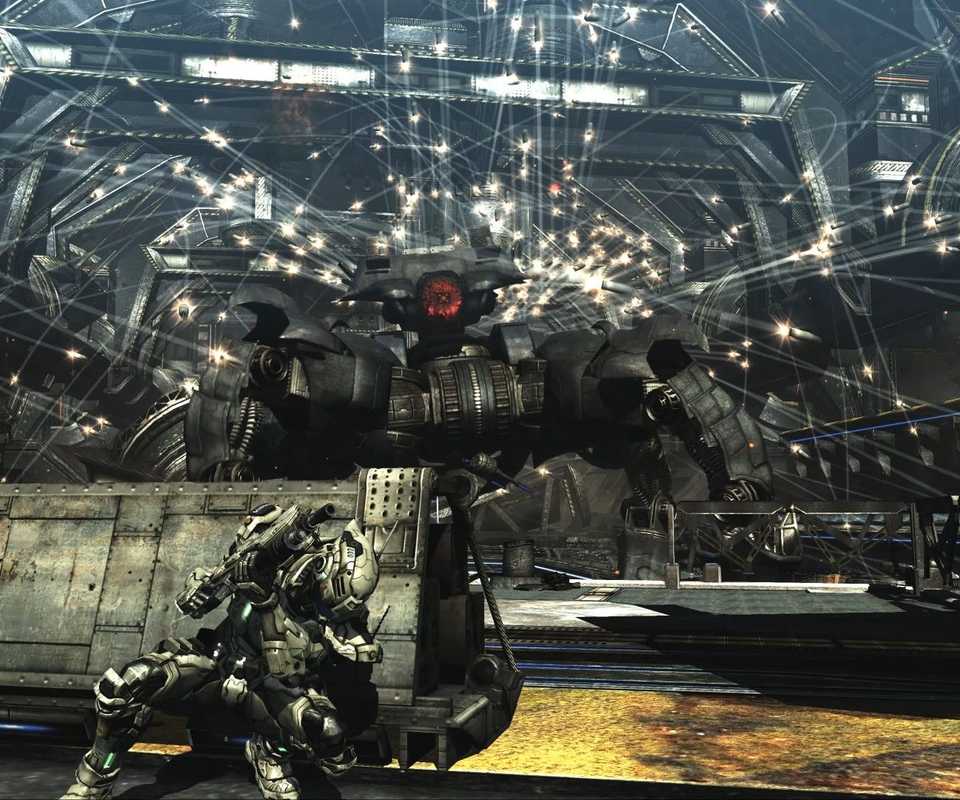
More in common with modern movement FPS games than shooters of its era, Vanquish is a high-octane, mobility-first masterclass that recontextualized cover, turning walls from your main hiding place into brief pit stops tocool down your ARS suit. Speaking of your mech suit, it comes equipped with rockets that let you knee-slide your way through battlefields, triggering the occasional slo-mo moment in the process.
Like most of Platinum’s games, Vanquish was designed around arcade action and style points. Consequently, the campaign either lasted a couple of hours or an eternity, thanks to a controller-destroying final boss.
Binary Domain Was An Absurdly Massive Flop
Look Past The Gimmick, And You Have A TPS Masterpiece
- A gimmick is nice and all, but it really shouldn’t be the only focus of a game’s minimal marketing.
Especially in Western nations, Sega spent all its time pushing Binary Domain‘s voice-command system, which let players use a headset to issue orders to their AI squadmates. While novel, this feature overshadowed the gameplay and, crucially, didn’t work that well. Unsurprisingly, early impressions mainly focused on this mechanic’s blunders, and Sega failed to make it clear that you could also use controller inputs instead of a headset.
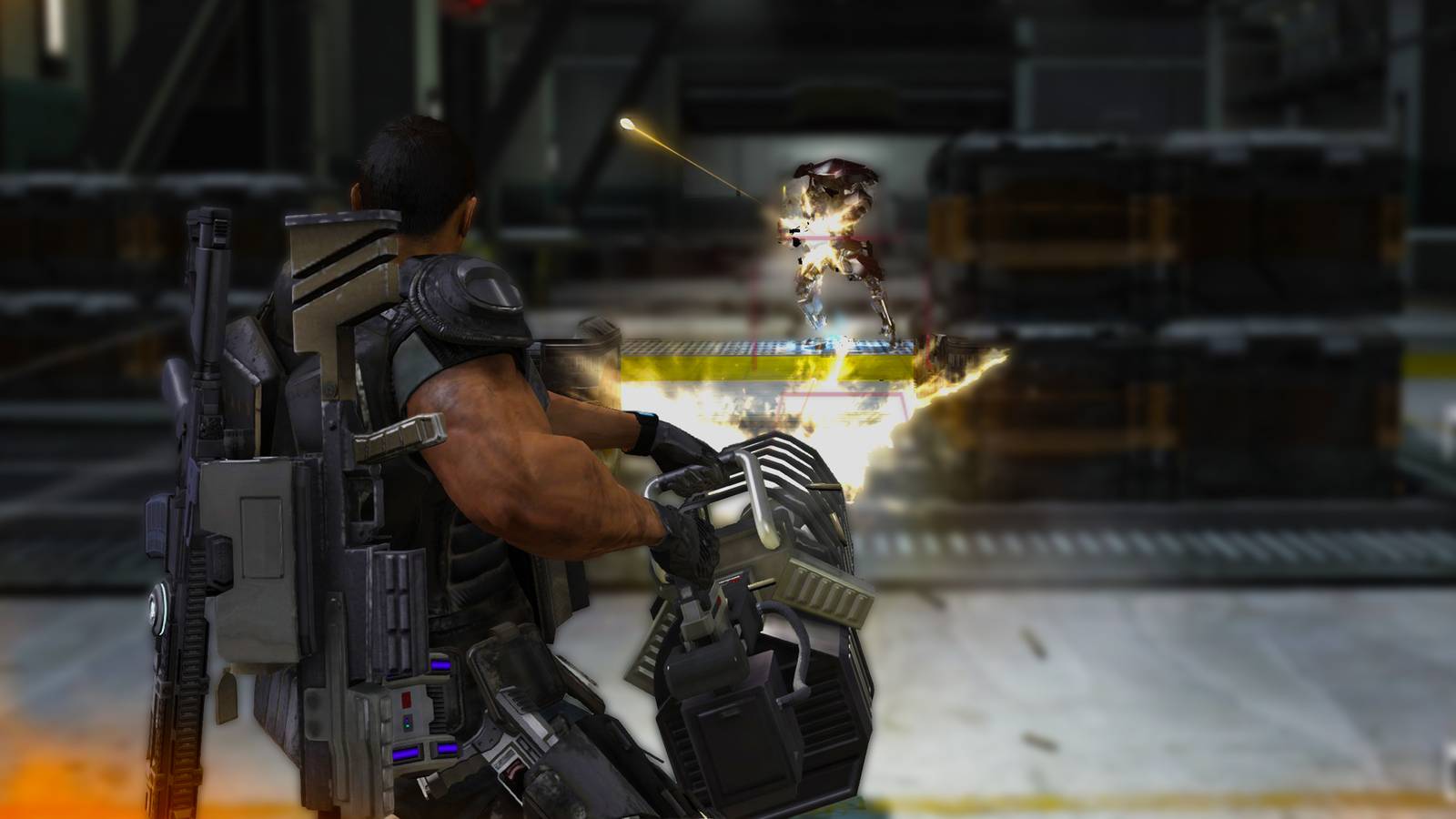
As a demonstration of the potential of voice integration for gameplay, Binary Domain is an unmitigated disaster… but as a third-person shooter, it is pretty darn amazing. While it may seem like a throwaway cover shooter, Ryu Ga Gotoku Studio put together a game that defied its genre standards, mainly through its enemy design. Rather than the typical whack-a-mole system, Binary Domain‘s robotic enemies are aggressive as heck, and you must demolish their body parts to gradually dissect them (and they often survive lost limbs).
While the voice command system kind of sucked, Binary Domain still makes good use of its AI companions through a Trust System, which allows them to evaluate your leadership in battle. Friendly fire and mistakes have direct consequences, and the whole system impacts the story.
P.N.03 Is Pure Third-Person Shooter Dopamine
A Completely Misunderstood Member Of The Capcom Five
- Rushed to release.
- Misdiagnosed at launch.
Famously, Capcom put together a 5-game slate for the Nintendo GameCube, although only four ended up coming out, as Dead Phoenix was canceled. Resident Evil 4, Viewtiful Joe, and killer7 all garnered near-universal praise, even if only one of them was a massive hit (no prizes for guessing which one). P.N.03 was the odd one out, flopping both commercially and critically.
You play as Vanessa Z. Schneider, a cool-as-heck mercenary with a combat suit, blasters, and the will to destroy an entire colony of robots. At launch, the decision to force Vanessa to stand still to shootdrew plenty of criticism, as it made the game feel at odds with run-and-gun hybrids like Devil May Cry. You have no choice but to execute strict evasive maneuvers, plant your boots, blast away, and then move again.
P.N.03 only seems like a misfire if you approach it like a traditional third-person shooter; in truth, it is more like a 3D shmup that looks like a third-person action game. Vanessa’s defensive abilities are incredibly fluid, and they are the main driving force behind the gameplay rather than just something you do between gunfire. Meanwhile, attacking requires committing to a stance and action, leaving yourself vulnerable in the process. You cannot just act without thinking.
Special Mention: Shadows Of The Damned Is A TPS Gem
That Should Never Have Been A Third-Person Shooter
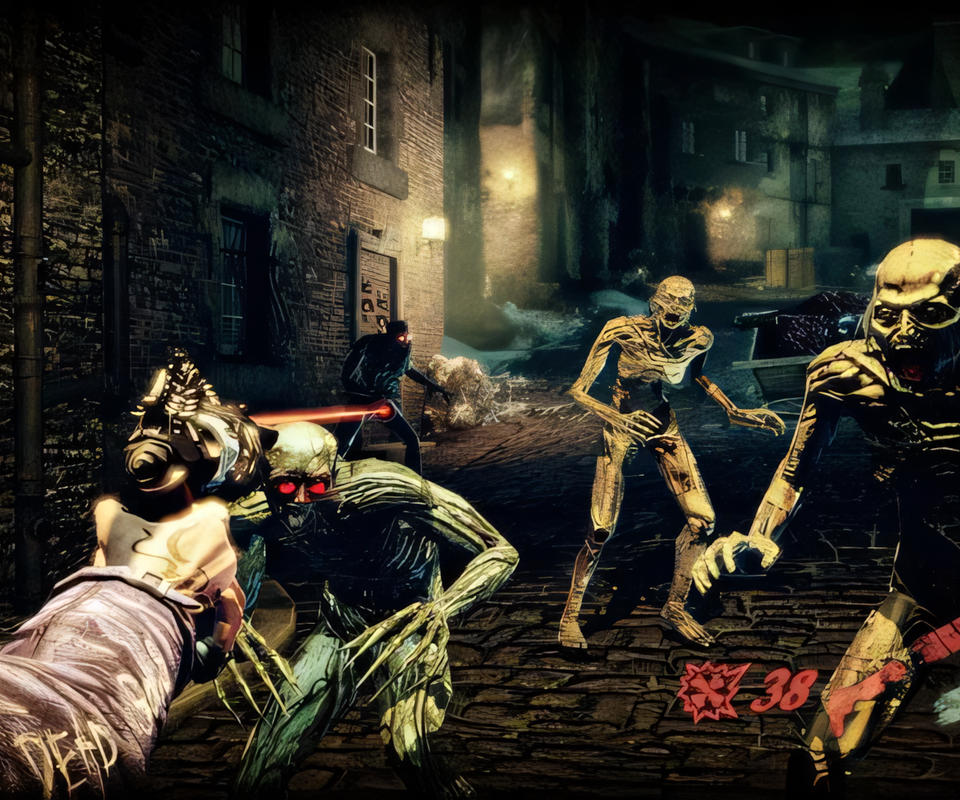
- OK, this one is complicated. Is Shadows of the Damned a third-person shooter masterpiece? Or is it a game that could have been a masterpiece if it wasn’t a third-person shooter? Honestly, a bit of both.
Like the Avengers, Shadows of the Damned assembled a true dream team, bringing together Suda51 (No More Heroes), Shinji Mikami (Resident Evil 4), and Akira Yamaoka (Silent Hill). Drenched in personality and boasting fun third-person gunplay akin to RE4, Grasshopper Productions’ shooter took players on a ludicrously fun trip into the depths of the Netherworld, all presented from the perspective of a Mexican demon hunter named Garcia Hotspur.
Sadly, Shadows of the Damned performed like a Grasshopper game rather than a Resident Evil or Silent Hill release, meaning it garnered a cult following after bombing out at launch. How could this happen? Well, many reasons exist, but EA’s involvement probably didn’t help matters.
Originally, this project was meant to be Kurayami, an atmospheric horror game that relied on melee weapons. EA pushed to convert the game into a third-person shooter to appeal to a Western audience, demanding multiple rewrites until the original concept was kind of lost.
The creative meddling that gutted Suda’s original artistic masterpiece is exactly why the game became a third-person shooter in the first place. Shinji Mikami’s involvement likely saved the gameplay by building on RE4‘s mechanical foundation, creating a fun homage and one of the best B-games of all time. However, it could have been more than just a very good shooter with a solid remaster.