





Nowadays, first-person shooters have been fine-tuned and optimized to near-perfection, and each year produces a couple of titles that can stand alongside the greats. However, the history of FPS games goes beyond graphical and mechanical upgrades, and the timeline is punctuated by seismic releases that reshape the industry’s foundation. These games’ impact sent ripples that can still be felt today and will likely continue to be felt for all time.
I’m not talking just about titles that were commercial juggernauts or critical darlings; no, these shooters caused paradigm shifts that created before-and-after moments in the FPS genre. They wrote the blueprint that would become universal plumbing for every FPS game, and we will likely never see a full-scale remodeling ever again.
DOOM Spread Like An Uncontrollable Virus, Infecting Offices Everywhere
Almost The First And Definitely The Biggest FPS Game Ever
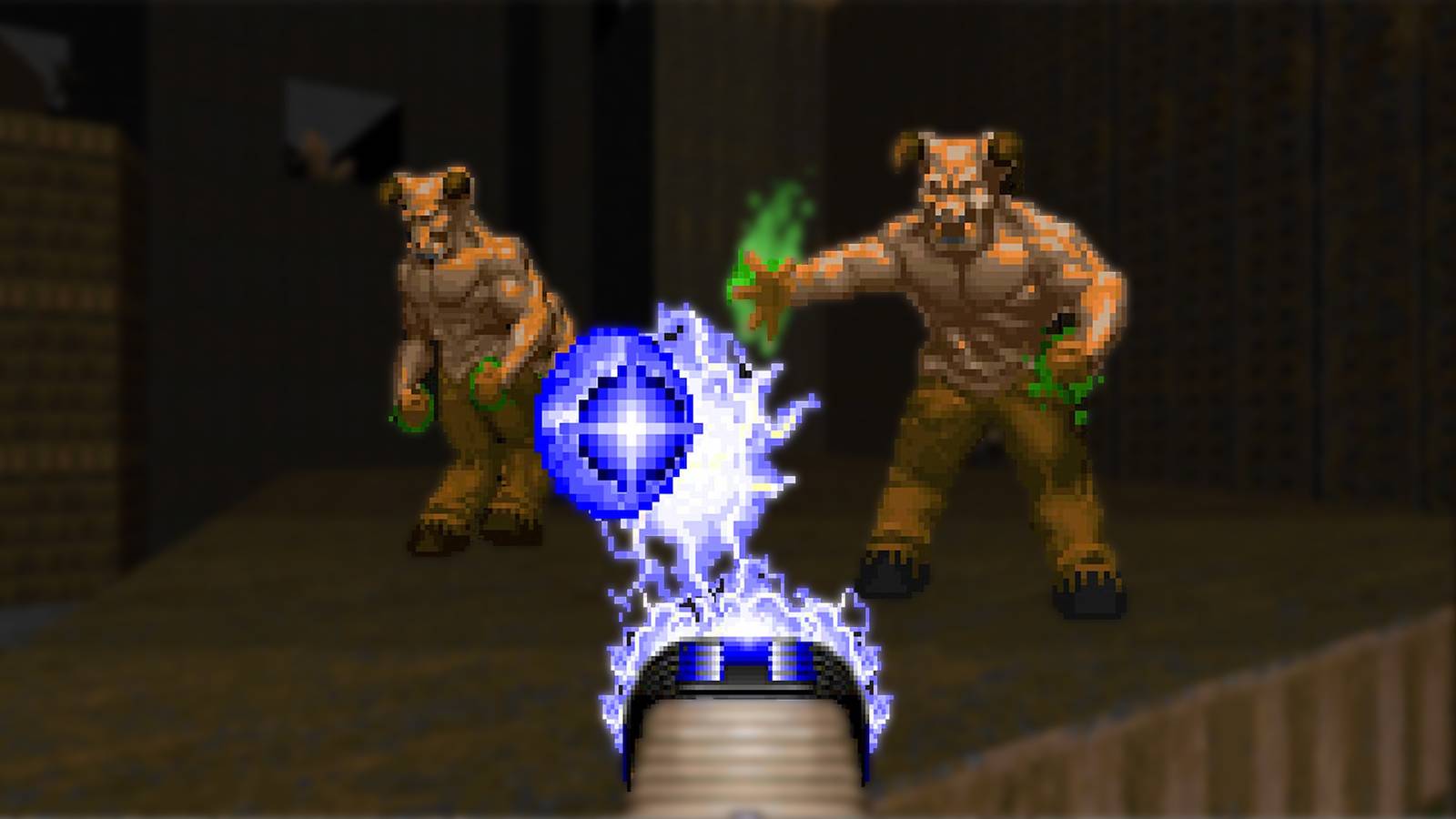
Although not technically the original first-person shooter, Wolfenstein 3D propelled the concept into the cultural zeitgeist, setting the stage for DOOM to unleash an explosion that would redirect the gaming industry’s future. To really understand its impact, you have to teleport yourself back to December 1993, when id Software released DOOM‘s first episode, “Knee-Deep in the Dead,” as shareware, causing it to spread like wildfire across bulletin boards, office networks, and floppy disks.
By 1995, more office PCs had DOOM than Windows 95, prompting Bill Gates to release an infamous promotional video to let everybody know that Microsoft’s platform runs games, too. New IT policies were needed to prevent DOOM from running during the day, as people were running multiplayer sessions that clogged the LAN infrastructure. Also, Id Software coined the term “Deathmatch,” a mode that has become a cornerstone of the FPS genre that will never crumble.
Perhaps most importantly, John Carmack and John Romero released DOOM in a way that let players easily customize their games without touching the source code, essentially spearheading our modern interpretation of mods. Seriously, DOOM was such a lightning-in-a-bottle that its impact will never be replicated.
GoldenEye 007 Turned Living Rooms Into Battlegrounds
The True Birth of The Console FPS Game

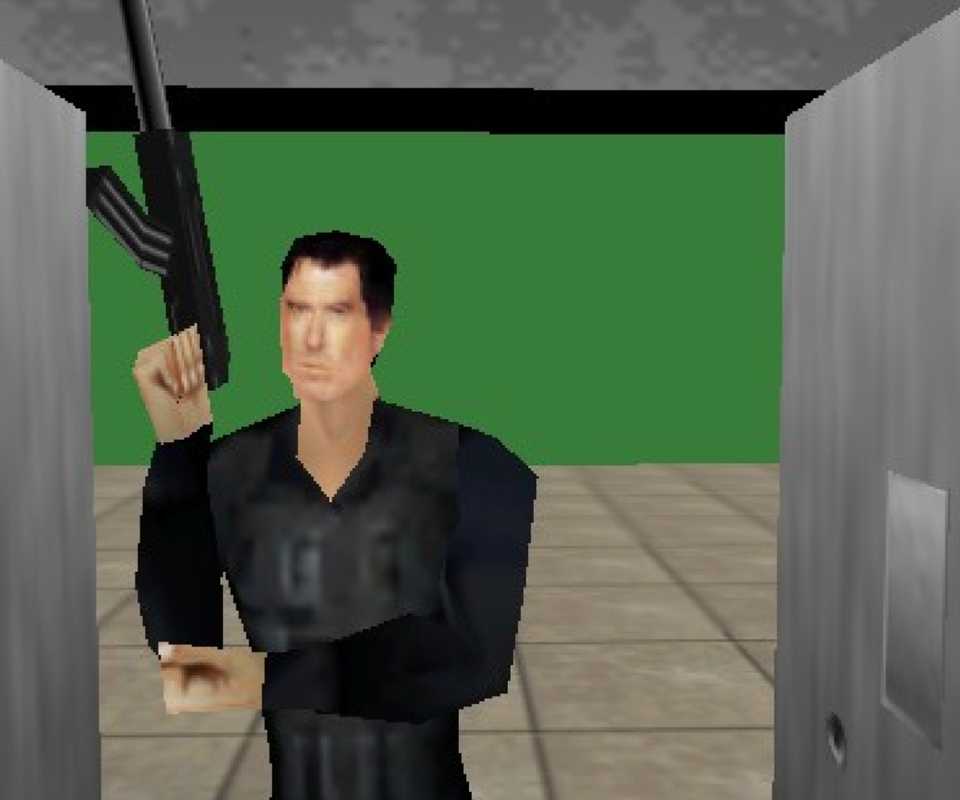
Let’s jump forward to 1997, when FPS games were absolutely booming on PC. However, common wisdom dictated that you just cannot play shooters with a controller; ergo, console FPS games shouldn’t be a thing. Now, DOOM and Wolfenstein 3D had made the jump to the Atari Jaguar, SNES, and PS1, but nobody pretended that these ports were remotely comparable in quality to the originals. The FPS genre is just not designed for consoles.
Then, Rare designed an FPS game for a console, specifically the Nintendo 64, and proved everyone wrong. Although it hasn’t aged particularly well, GoldenEye 007 was EVERYTHING when it originally launched. Mechanically, Rare showed that these types of games could work with an analog stick, even if it would be a few more years before the control scheme would truly be perfected.
GoldenEye 007‘s multiplayer became a social phenomenon, turning millions of living rooms into PvP battlefields. Players taped cardboard to their televisions to avoid peeking at each other’s game, and I’m personally bitter that I never got to experience this myself. Adults and kids memorized spawn points, used proximity mines as traps, and set house rules like “don’t use Oddjob, you coward.”
Nowadays, local PvP FPS games are basically gone, completely killing the living room battleground. Obviously, online multiplayer has plenty of benefits, but modern shooters just cannot replicate the DUI magic of playing and arguing with your friends. Also, GoldenEye 007‘s single-player was ahead of its time thanks to its introduction of locational hit-boxes and dynamic enemies.
Half-Life Gave You Complete Control
In More Ways Than Just One
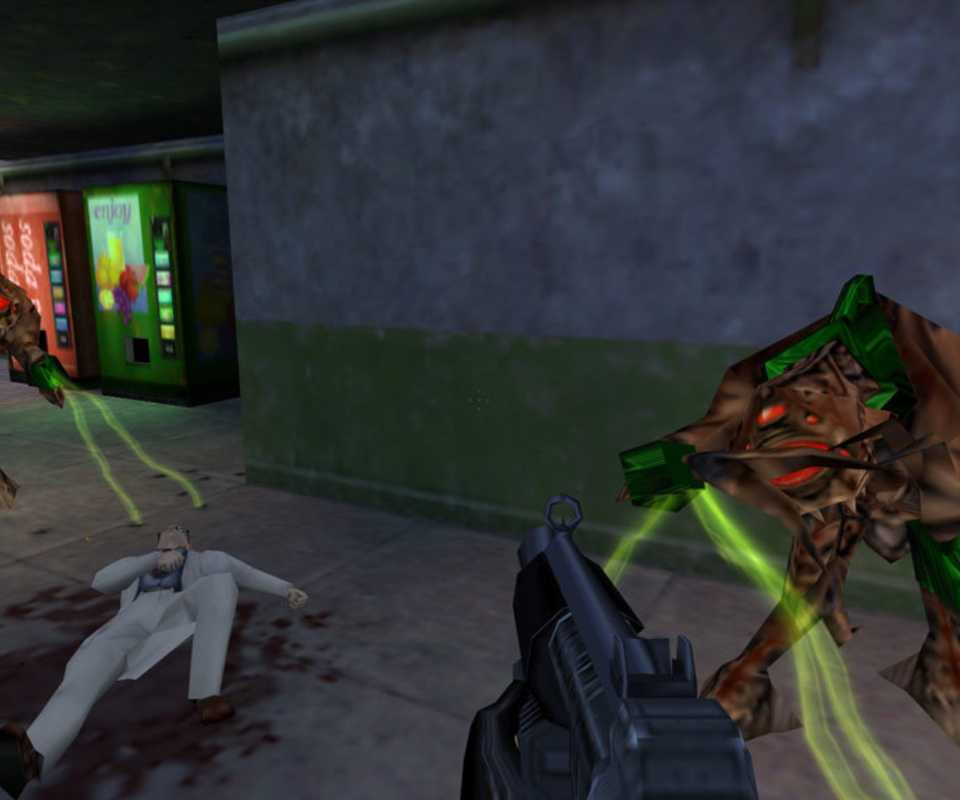
To be honest, I could include a bunch of Valve games in this article. No multiplayer game has fully replicated the unique magic of Counter-Strike or Team Fortress 2, and Left 4 Dead 1/2 have fought off a billion contenders to regain their status as the definitive co-op zombie shooters. However, Half-Life is the developer’s most foundation-shattering release ever, as it blended gameplay and narrative in a way that completely changed everything.
Prior to 1998, games struggled to organically incorporate their stories, often stripping players of control to run an FMV or resorting to dull dialogue boxes. That’s assuming they even tried to tell a narrative, as most console games were happy to just leave that to the manual. Deciding that wasn’t good enough, Valve rewrote the playbook by giving players constant camera control.
From Half-Life‘s opening moments, players become Gordon Freeman, and they never stop seeing the world through his eyes. No third-person camera angles, narrators, or obvious level transitions. For the time, this was complete and utter immersion, and it told the entire industry that the best way to tell a gaming story is to, well, embrace the “gaming” element.
Shortly after shipping Half-Life, Valve released a fully open development kit through downloadable installments, essentially handing the GoldSrc engine to the PC community. This directly led to the Counter-Strike mod, Team Fortress Classic, Day of Defeat, Sven Co-OP, and Gunman Chronicles. Where would the indie scene be if Valve didn’t give every ’90s teenager free access to create their own mods?
Halo 2 Was The Biggest Thing Ever… Like Ever
The First Modern Online Multiplayer Game
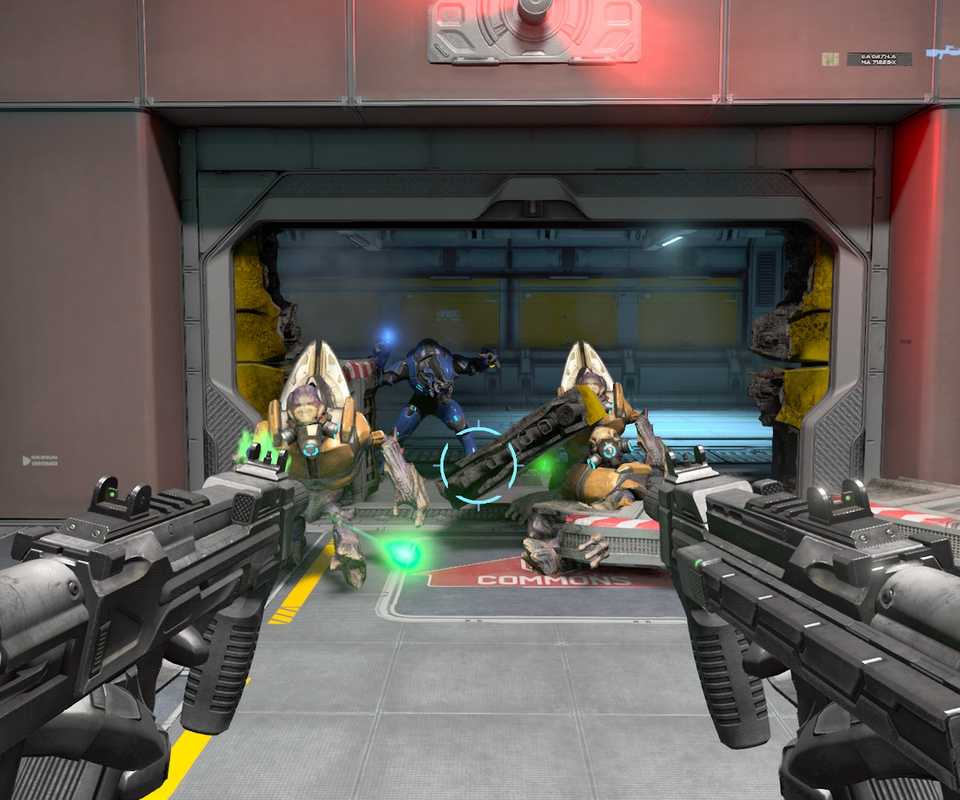
Halo: Combat Evolved was, obviously, an absolutely massive deal, but its successor represented the real all-consuming bomb. In 2004, PC online play was a frustrating mess of third-party servers, unstable ping, and arbitrary ban rules; on consoles, online gaming was nothing more than a cute curiosity that shouldn’t be taken seriously. When Bungie and Microsoft released Halo 2, they unleashed the infrastructure that is still being used to this very day.
Halo 2 introduced automated playlist matchmaking that would automatically pick a server that matches a player’s needs. It created a party system that let groups stay together across multiple matches and rotations. It directly integrated friend lists into the Xbox dashboard, letting you see in real time whether anyone you know is playing. For better or worse, it was most people’s first exposure to voice chat and trash talk.
In its first 24 hours, Halo 2 accumulated more than $125 million, the biggest opening in entertainment history.
Call of Duty 4: Modern Warfare Is Why FPS Games Are Like This Now
A Progression Cycle That Cannot Be Broken
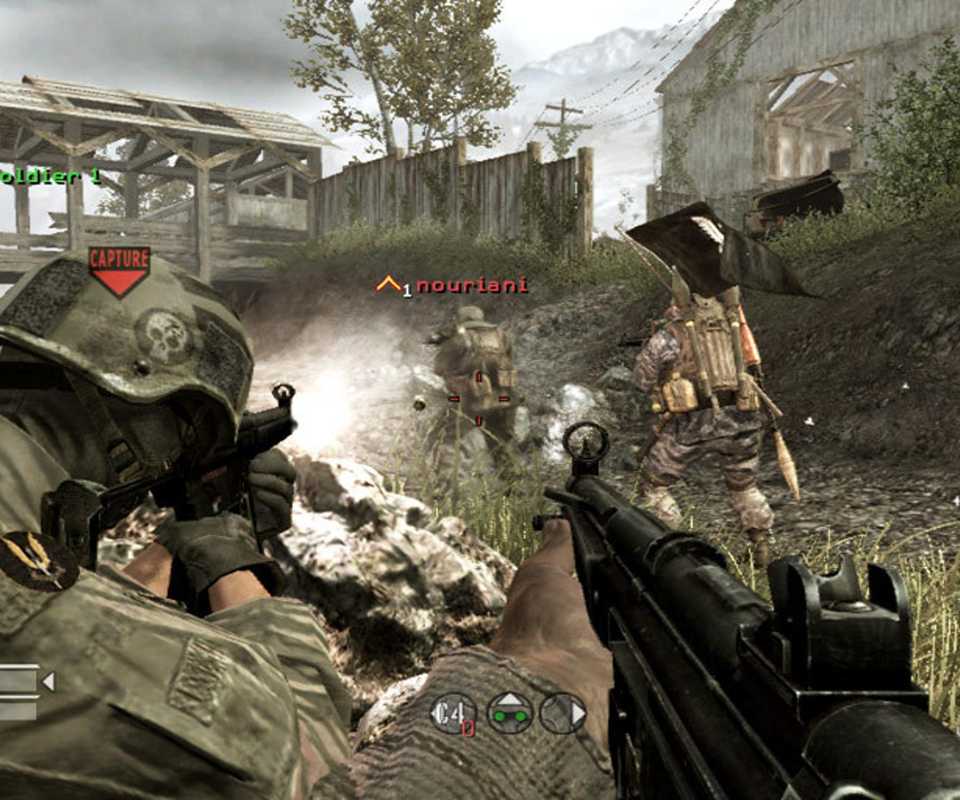
By 2007, the FPS genre had codified its basic tenets, and most games played the same, looked the same, and felt the same. The market was flooded with arena shooters and military sims, and it was stuck in a creative lull that could only be broken by a real shock to the system. Call of Duty 4: Modern Warfare electrocuted the entire industry.
The single-player campaign was and still is fantastic, but COD4‘s multiplayer was the real industry changer. Rather than presenting matches as self-contained affairs, Modern Warfare introduced progression, customization, and prestige, blending addictive FPS action with even more addictive RPG elements. You could customize weapons, assign perks across tiers, earn XP, unlock new gear and skins, and way more.
The prestige system was probably Infinity Ward’s most brilliant idea, as it let players reset everything once they reached level 55, rewarding them with a badge and restarting their dopamine climb from scratch. After COD 4 dropped, every single publisher wanted to create their own version of its multiplayer, and its ideas are still central to the current multiplayer landscape (even if they have become rather twisted).