

Although the genre never really went away, turn-based RPGs just feel old-school, especially since most new releases are throwbacks to yesteryear. From the NES to the PS2 era, you couldn’t escape these types of games, and the masterpieces went far beyond established franchises like Dragon Quest and Final Fantasy. However, as brilliant it might have been in 1992 or 2003, that doesn’t mean a turn-based RPG still feels like a genuine 10/10 all these years later. Time can be a cruel mistress.
More so than their real-time counterparts, turn-based combat tends to age fairly well, as the core fundamentals haven’t changed much; however, storytelling, encounter rates, progression systems, pacing, and the speed of combat are entirely different matters. Let’s take a look at a few turn-based RPGs that withstood the test of time and cemented themselves as eternal greats.
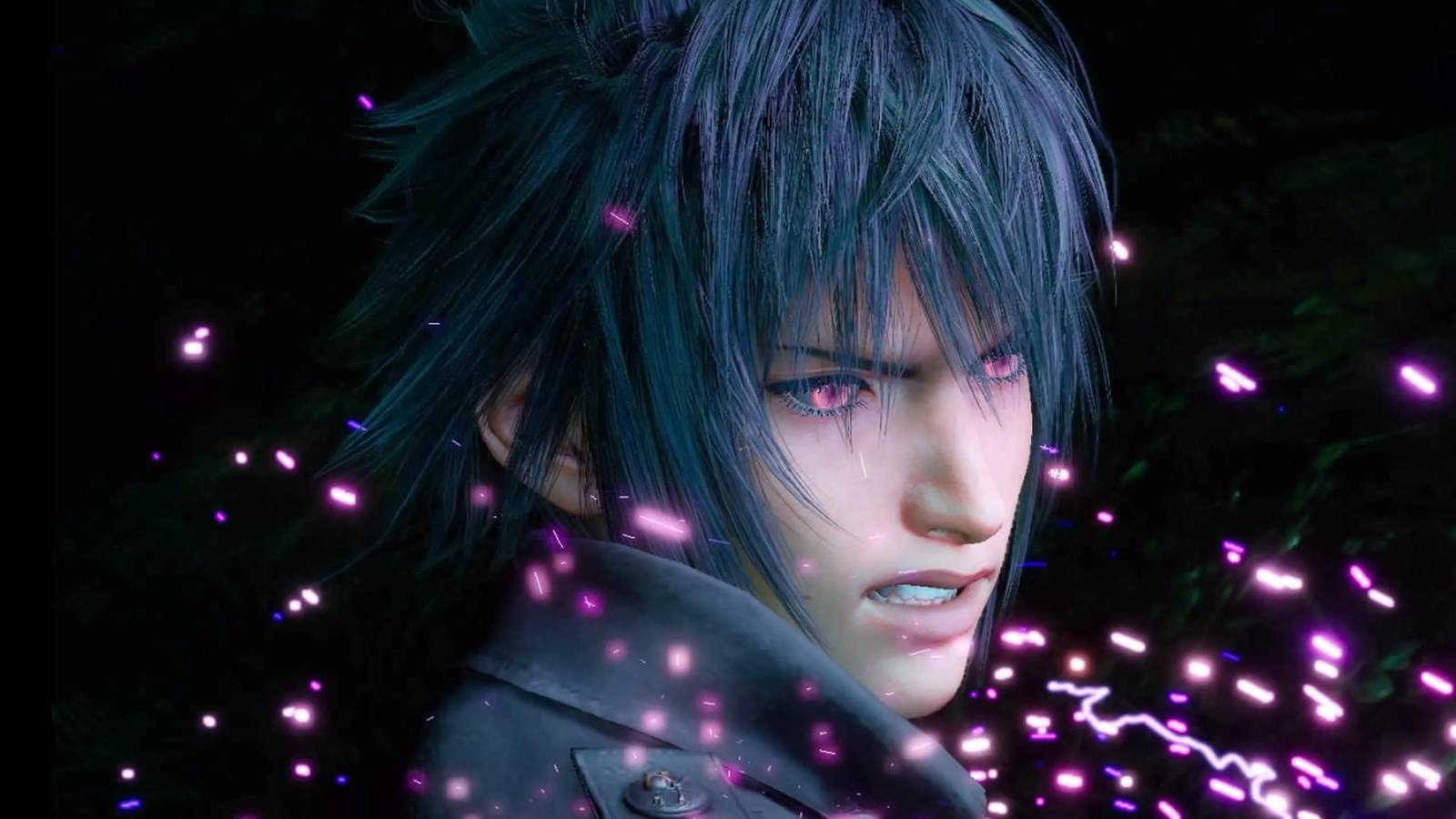
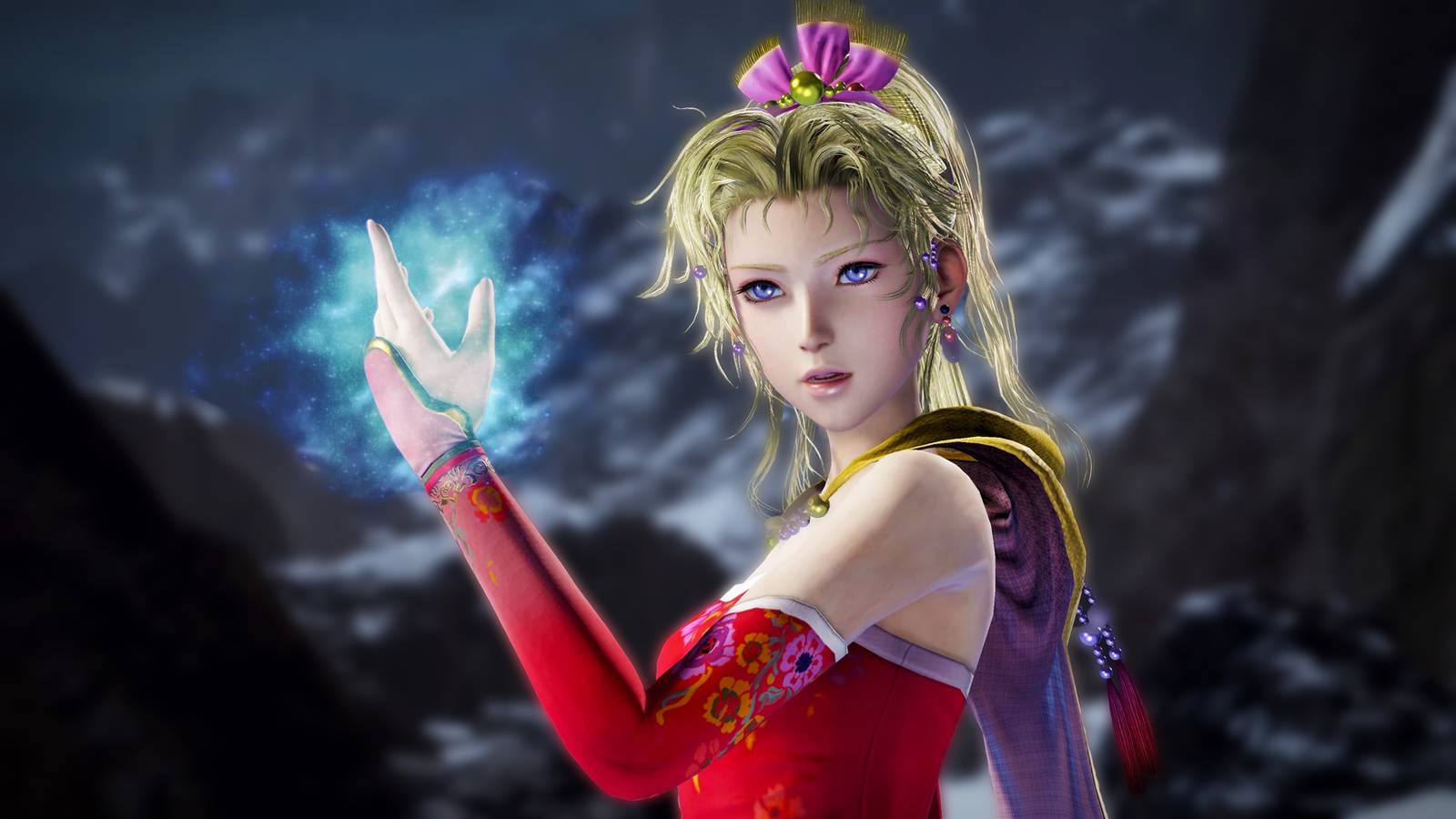
Before anyone says anything, I know the feature image is from Dissidia Final Fantasy NT. It gets the point across.
Shadow Hearts: Covenant Nails Its Combat And Atmosphere
The Best PS2 Turn-Based RPG To Play Today
- PS2 (2004)
- Developer: Nautilus
That’s right, we’re kicking things off with a bit of a hidden gem, in the sense that you need to really be into PS2-era JRPGs to have played the three Shadow Hearts games. While the others have their positives, Shadow Hearts: Covenant not only represents the peak of the series, but is also among the most innovative and atmospheric PS2 releases of any genre. During a time when Square Enix was focusing on melodrama, Nautilus arrived with a dark World War 1-inspired epic that leaned into horror.
Covenant is worth playing for its story and characters, both of which stand the test of time, but neither element is the highlight. That would be the Judgment Ring system that greatly elevates the turn-based combat, blending traditional menu-based selection with button presses that determine whether you get a hit, miss, or a critical boost. The concept isn’t that different from timed inputs in something like Paper Mario, but Shadow Hearts: Covenant takes things further by introducing risk/reward items that change your odds and status effects that directly impact your input.
Sanity Points are another important element as they turn battles into almost survival scenarios, as taking damage and dragging out fights decreases a character’s mental health. If their Sanity Points reach zero, they go Berserk; consequently, you need to play at a high tempo.
If you love Covenant‘s combat, I recommend giving Shadow Hearts: From the New World a try, as it arguably improves on this part of the formula.
Chrono Trigger Is, Obviously, Still Perfect
The Gold Standard For Turn-Based JRPGs, Now And Forever
- SNES (1995)
- Developer: Square
Going from a somewhat surprising pick to perhaps the most obvious one, Chrono Trigger earns its “greatest turn-based JRPG of all time” title. Fittingly, a game about time travel seems completely immune to the passage of time, as playing Square’s definitive masterpiece in 2026 yields as enjoyable an experience as on the SNES. Plenty of modern projects use Chrono Trigger as their inspiration, but none of them come close to replicating the magic, and that’s not meant as an indictment of their quality.
Turn-based RPGs used to be really fond of random battles and endless grinding, leading to dozens of hours that don’t provide anything of note beyond a way to mindlessly pass the time (which can be fun, too). Chrono Trigger bucks this cliché completely, instead opting to tell a roughly 20-hour story that has not a single wasted second. The campaign’s smooth pacing might be its biggest strength.
It also helps that Chrono Trigger nails pretty much everything else. The time-travel plot manages to be complex yet not confusing, while introducing branching paths and unique endings that justify repeat playthroughs. The turn-based combat is snappy and tactical, largely thanks to the Tech system. Chrono Trigger might be the only turn-based RPG in history that doesn’t have any flaws.
Fallout 2 Is Still The Peak of Western Turn-Based RPGs
A Post-Apocalyptic Hellscape You Can Always Return To

- PC (1998)
- Developer: Black Isle Studios
Turn-based RPGs are predominantly associated with Japanese productions, and JRPGs certainly make up about 90% of the genre’s library; however, Western developers love some turn-based combat as well, although their output tends to be fairly different. Building on the immaculate foundation of its predecessor, Fallout 2 is a post-apocalyptic masterclass with brutal turn-based combat, a rich setting, and a willingness to leave players to their own devices.
Fallout 2 very much looks and plays like a product of its time, but that isn’t inherently a negative thing, and modern isometric RPGs aren’t unheard of either. Black Isle crafted a battle system that forces players to tactically consider every step they make, as they have limited Action Points to spend during every turn. Should you duck behind cover and hoard points? Or burn through 6 AP to fire into a crowd?
Beyond combat, Fallout 2 drops you into a reactive world that can be approached in a slew of ways, with most quests allowing for a variety of completion methods. If somebody is only familiar with the modern Fallout games, they need to leave expectations at the door, as those releases play nothing like the original (well, New Vegas comes close).

Click on the game with the higher OpenCritic rating.
Final Fantasy 6

- SNES (1994)
- Developer: Square
Well, we have to include one Final Fantasy game. Ever since Square Enix shifted focus to real-time combat, long-time fans have been crying out for a return to turn-based, largely thanks to the brilliance of classics like Final Fantasy 6. FF7 might be more popular, but the PS1 visuals just haven’t aged fantastically, even if they still have their charm; in comparison, FF6 still looks like a work of art.
With 14 playable characters who all bring a fresh element to combat and an Esper system that allows for class flexibility, FF6‘s turn-based combat has absurd depth, all the while still being accessible to younger players who might not be that familiar with classic JRPGs. Even today, the Active Time Battle system stands as one of Square’s crowning achievements. The story is pretty great too, and it undergoes a mid-point shift that changes the campaign’s tone and greatly opens up the player’s options.
Skies of Arcadia Legends

- GameCube (2003)
- Developer: Overworks
Is Skies of Arcadia the best Dreamcast game? Honestly, it presents a pretty convincing case, and it has stood the test of time better than some of its decorated peers, like Shenmue and Sonic Adventure. As immaculate as the original game is, the GameCube port is quite a bit better, elevating an 8.5 to a 10/10 masterpiece.
First things first, Skies of Arcadia: Legends is about sky-pirates, a statement that should instantly boost anybody’s excitement. Lovable characters and a vibrant world fuse to create an epic swashbuckling campaign with rich adventure vibes, and exploring an uncharted sky feels so unbelievably freeing. Although relatively familiar, the turn-based combat introduces a few important tweaks, including a mana pool shared by the entire party. As SP points are limited, you need to carefully pick the right moment to act, all the while using moves that help replenish the pool.
Recruiting crew members, ship-to-ship grid battles, and lovable characters are just a few of its other timeless strengths. Skies of Arcadia: Legends takes classic turn-based fundamentals, blows open the scale, and executes every single layer with infectious charm and mechanical precision.