




Despite both genres being individually well-represented, open-world RPGs aren’t actually all that common, so we need to cherish each one of them. Everybody knows Skyrim and The Witcher 3, or even modern greats like Crimson Desert, but the same cannot be said for every game. In fact, a few true gems have been largely forgotten by time, remembered only by select die-hard fans and referenced solely in these types of articles.
Let’s change that. If you find yourself staring at your video game library, unsure what to play, then these forgotten open-world RPGs could bring a spark back into your life; if you have been hoarding games for an eternity like me, you might own a few of these cult classics already. The things that made them incredible at release hold up beautifully in 2026.
The previous sentence describes my approach to selecting these games. These open-world RPGs show their age and are far from perfect, but their strengths have stood the test of time. Essentially, the reasons to play them in 2026 are the same as they were upon release.
Also, these games are all remembered fondly by a substantial group of people, but this article’s goal is to introduce them to new players.
Gothic 2’s Khorinis Is Still As Organic As Ever
Eurojank Is A Term Of Endearment
- You earn your progression.
- Environment-driven storytelling and communication.
- While never great, the combat does improve after you get over the steep learning curve.
- A compact, tight open-world.
With the remake’s recent release, I cannot exactly describe Gothic as “forgotten” by this point, but the same cannot be said for its sequels or even Piranha Bytes’ other “beloved” series, Risen. Due to patches and mods, Gothic 3 is nowadays a decent enough open-world sandbox, but it is still underwhelming compared to its predecessors. However, Gothic 2 is even better than it was in 2002, primarily thanks to a pretty big update released in 2021.
Before saying anything else, we should set the right expectations: If you fire up Gothic 2 expecting a fluid third-person action game, you will be sorely disappointed. The controls are weird, and the combat feels like a precursor to Kingdom Come: Deliverance or even Dark Souls‘ systems, just less enjoyable. Piranha Bytes’ games are synonymous with Eurojank, and the first two Gothic games are that style’s poster children.
Moving past its rough edges, Gothic 2 exhibits an open-world philosophy that has not only aged incredibly well, but is arguably more refreshing now than it was in the early 2000s. The game gives you no glowing trail markers, no compass icons, and no red skull indicators above high-level enemies to let you know that death awaits. Danger is communicated strictly through the environment and direct experience, with no hand-holding to be found.
This mentality extends to progression, as Gothic 2 refuses to hand out rewards for accomplishing nothing. If you want to be able to defeat that Orc, then you will have to do it yourself. While Khorinis is obviously tiny compared to modern open-world games, or even its contemporaries, every square inch is purposeful.
Sacred 2’s Isometric Open World Puts Modern Maps To Shame
Not Every Open-World RPG Needs To Take Itself Very Seriously

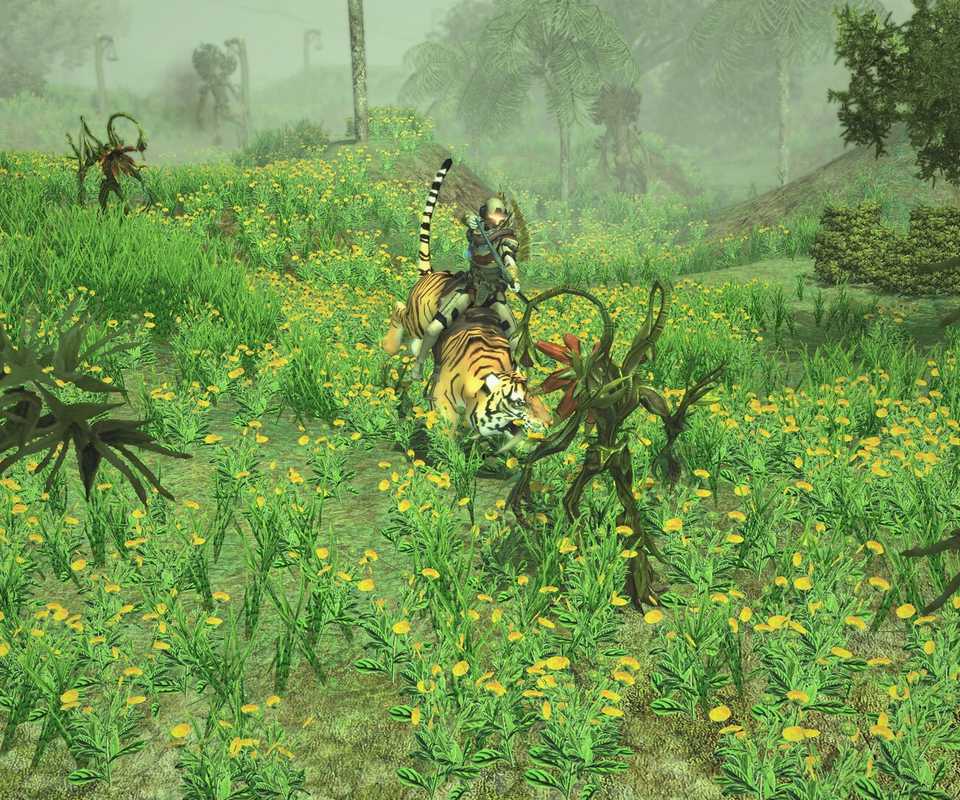
- A classic isometric action-RPG that is way more open than traditional entries in the genre
- Creative and wild classes
- Still looks pretty good
In recent years, we have seen the likes of Diablo 4 shift into open-world territory and move away from linear corridors that defined its history, for better or worse. When BioWare finally decided to make that leap, it could turn to quite a few great semi-open isometric RPGs for inspiration, particularly Titan Quest 2 and Grim Dawn. However, for an example of a true open-world game in the genre, the developer should have looked at Sacred 2.
Nowadays, the “Sacred” name doesn’t hold all that much reverence following two misguided attempts to “evolve” the series after the second entry, so newcomers might find it hard to believe that Sacred 2 was once considered to be among the very best that the action RPG genre has to offer. Hand-crafted and huge for its era, Ancaria was and still is an impressive playground, with virtually no loading screens between its towns, dungeons, and open areas.
The game goes for a campy tone that might not match everybody’s tastes, but it gives the story a B-movie charm that sets it apart from the grim-dark seriousness that makes up most of its peers. Rather than focusing on fantasy archetypes, Sacred 2 leans into myths for its classes, letting you create some truly one-of-a-kind creations. If you want to play as a Temple Guardian with an arm cannon, this is the game for you.
Newcomers looking to take a step into isometric hack-and-slash RPGs beyond Diablo should go with Torchlight 2, Grim Dawn, or even Path of Exile, as they are better games than Sacred 2. However, this one is still a blast to play.
Kingdoms of Amalur: Re-Reckoning Isn’t Special Anymore, But It Is Still Fun
Look, Sometimes You Just Want To Hack And Slash Your Way Through A Fantasy Adventure
- Character-action combat is among the open-world genre’s best.
- The world pops with color and vibrance.
- You want to wreck some fools and feel powerful while doing it? Welcome to Amalur.
Considering the legal hellhole that swallowed 38 Studios, it is a minor miracle that Kingdoms of Amalur: Reckoning received a modern remaster to preserve its legacy. Big Huge Games even released an expansion, “Fatesworn,” that introduces a new area. I wouldn’t go out of my way to track down the expansion, but it is worth playing if you find a bundle at a reasonable price.
Nowadays, open-world RPGs sell themselves on satisfying melee combat, but that was not really the case in the early 2010s. Compared to Skyrim, Kingdoms of Amalur played like an absolute dream, taking inspiration from the likes of God of War to craft hack-and-slash combat that emphasizes combos, dodging, and reactive play. The action isn’t quite as jaw-dropping in a post-Elden Ring world, but Amalur will always be fun to play as a power fantasy that makes you genuinely feel like an overpowered god.
Call of Pripyat Is The Best S.T.A.L.K.E.R. Game From The Original Trilogy
Welcome To The Zone
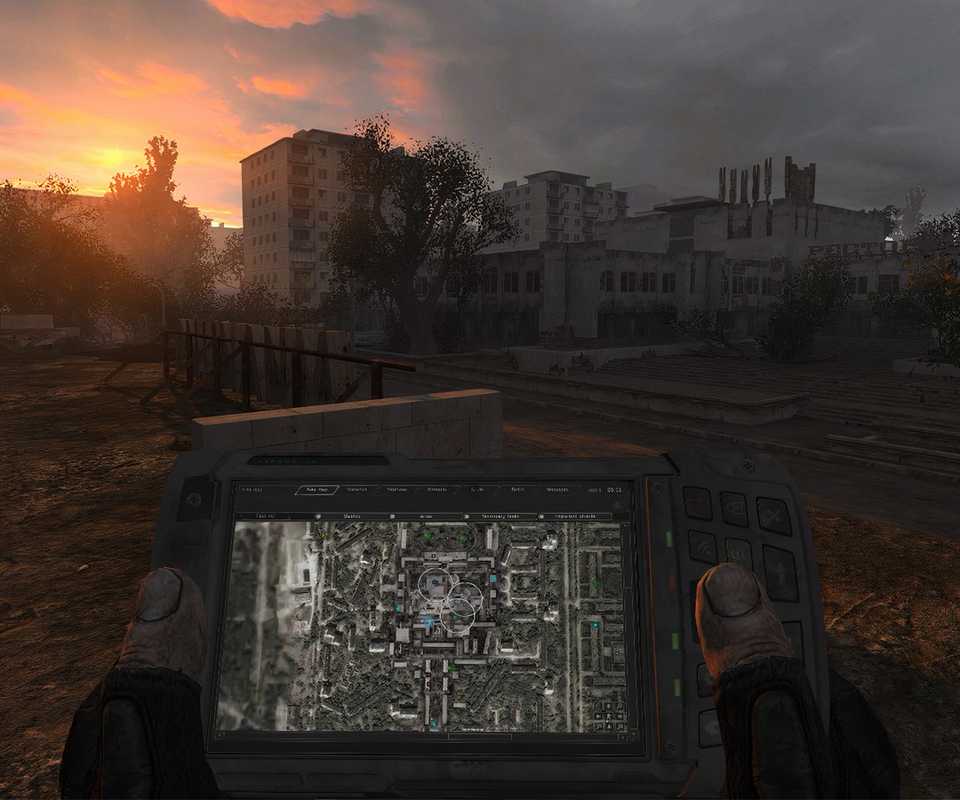
- Prior to S.T.A.L.K.E.R. 2, Call of Pripyat was the most open-world entry in the genre.
- Arguably the best game in the original trilogy.
- A true living world.
Yes, I know S.T.A.L.K.E.R. isn’t first and foremost an RPG. The game is an FPS survival game above everything else, but it injects enough RPG concepts to warrant a spotlight. If it has enough elements to be considered “survival horror,” then it has enough elements to be considered RPG-adjacent.
Due to the franchise’s naming convention, people who got into S.T.A.L.K.E.R. with Heart of Chornobyl might think that Shadow of Chernobyl is the only classic entry worth revisiting. As long as they can handle a bit of jank, they should try the full trilogy, especially since it peaks with the final game: Call of Pripyat. It is also the only entry that can really be described as open-world, or at least open-zone.
One of the most immersive games of its era, Call of Pripyat‘s systemic world holds up remarkably well, and The Zone exists beyond just the protagonist’s needs. Other Stalkers hunt for artifacts, trade at safe hubs, get killed, or seek cover from the radiation. While the game has plenty of tightly written quests with branching paths, Call of Pripyat shines as a sandbox defined by emergent gameplay.
Progression is handled through your gear rather than a level-up system. If you survive a deadly blowout or a mutant ambush, it’s because you prepped your inventory and picked your routes wisely, not because you hit level 30.
Vampyr Lets You Be A Vampire Doctor In Atmospheric London
We Don’t Get Many Of These
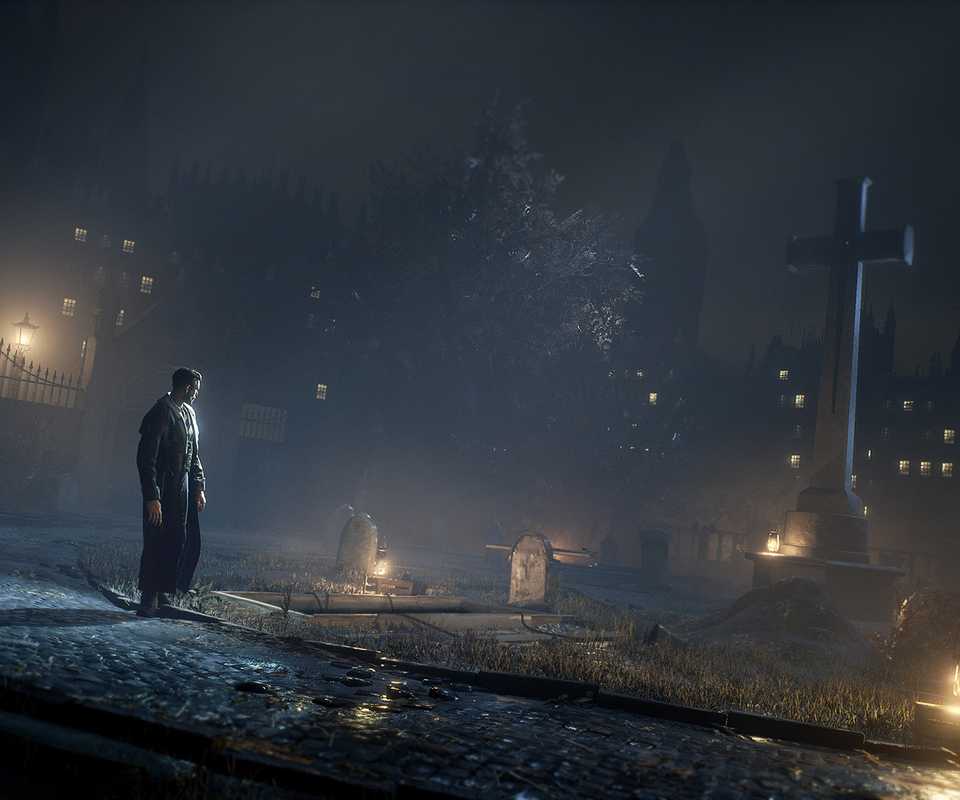
- Oozes Victorian gothic ambiance, despite technically being set during the Edwardian era.
- One of the last true AA games.
- Interesting morality system.
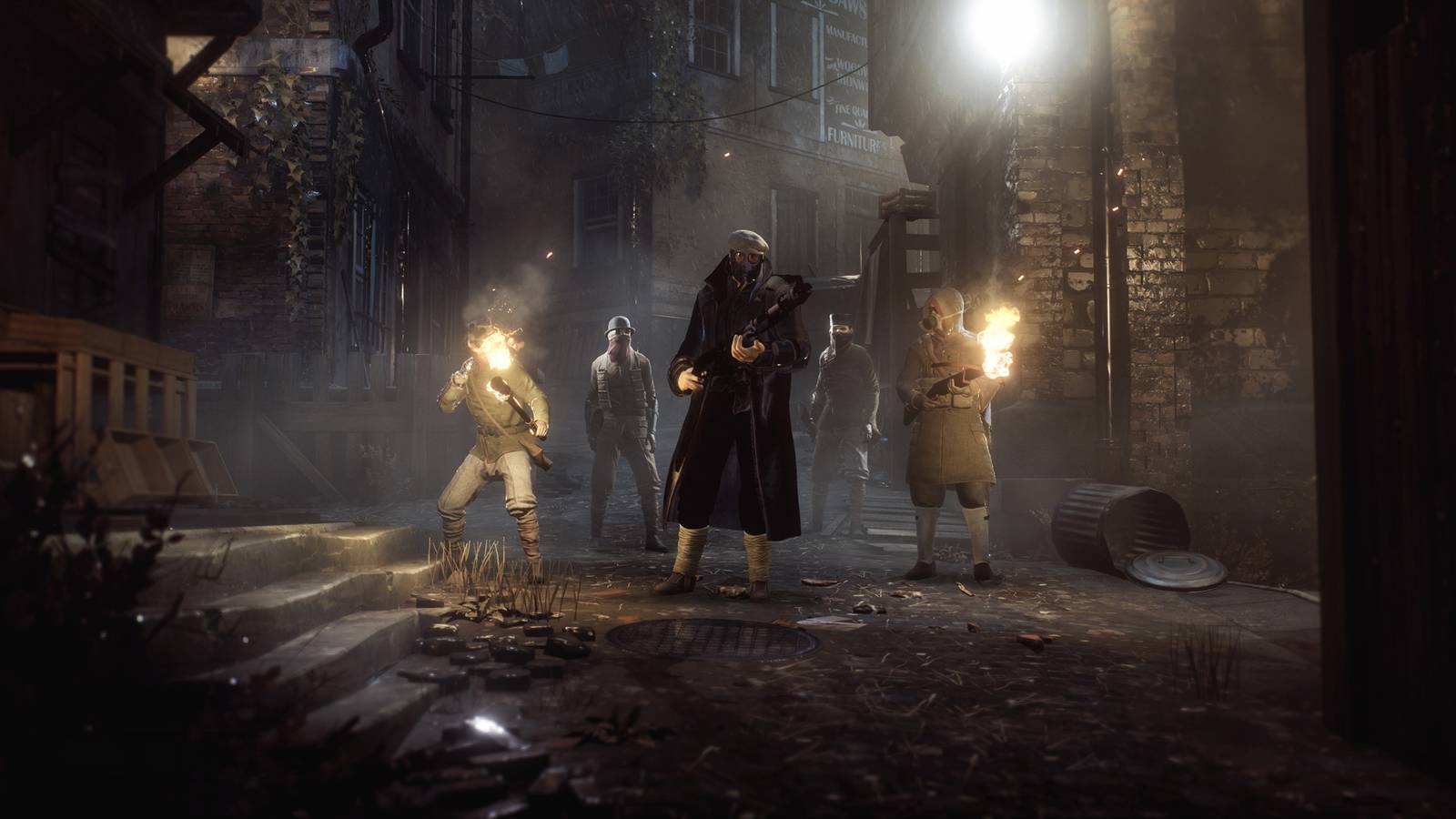
Let’s end things with a more recent release, and one that has a fairly small setting compared to its contemporaries. Honestly, I would describe Vampyr as semi-open-world and hub-based, sort of similar to Yakuza. While its hub-based world and floaty combat received mixed reviews at launch, its progression system, writing, and setting more than make up for its shortcomings, and all those aspects are timeless.
Vampyr ties your morality directly to the difficulty curve. As Dr. Jonathan Reid, the fastest way to gain massive XP chunks and unlock powerful blood spells is to embrace your vampiric urges and feast upon the citizens you are meant to be helping. However, that requires turning your back on your humanity and history as a doctor. If you decide to resist that desire to suck blood and keep yourself clean, then be prepared to feel consistently underleveled.
Throughout the campaign, you gain access to four districts in London, all of which serve as their own mini-open worlds.