

When an FPS becomes a massive success, it’s only a matter of time before the studio releases a sequel — or at least this is what happens in most cases. After all, devs have every reason to capitalize on what has already proven popular. However, even though sequels are generally expected to outperform their predecessors, this doesn’t happen every time.
In fact, some FPS titles simply set the bar so high that studios just cannot find a way to outdo themselves. Sometimes it’s about the great graphics or the memorable campaigns, but regardless of what made the original so special, there are some games that just cannot be topped, even by their own successors.
Battlefield: Bad Company 2 (2010) Is Better Than Battlefield 3
Destruction That Actually Changed the Battlefield
-
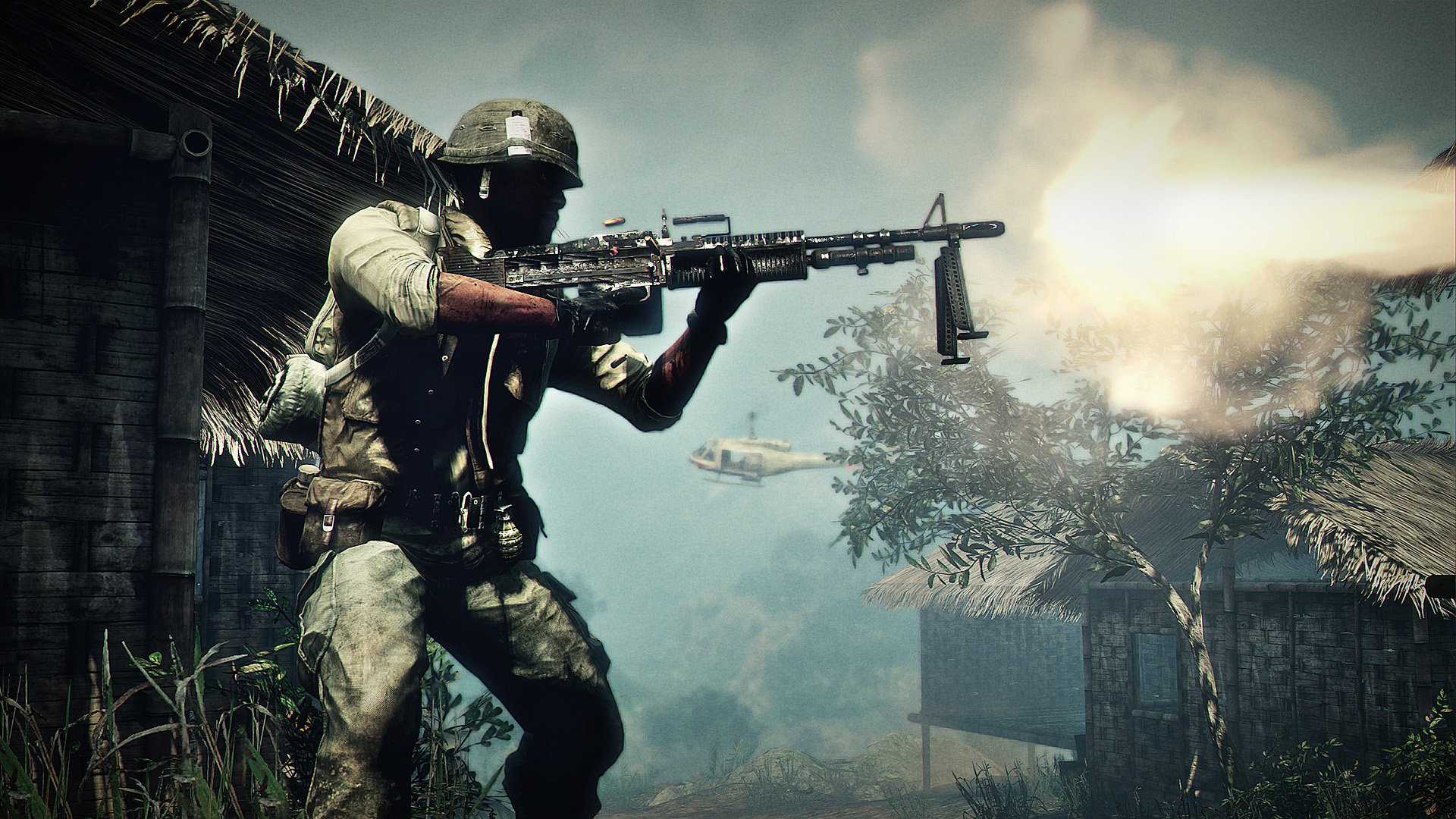 Image via: DICE
 -
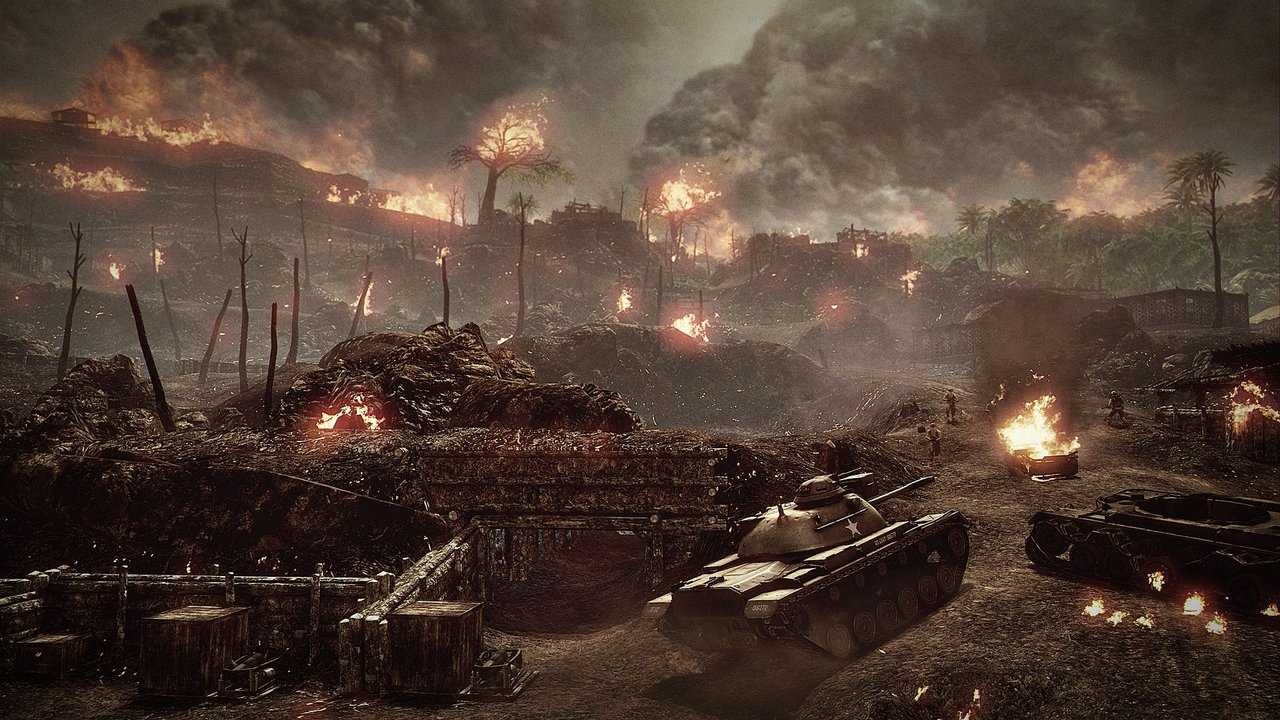 Image via: DICE
- We know that Battlefield 3 is technically not a sequel to Bad Company 2, but they followed each other in the release order. Therefore, we are considering it a follow-up, even if it isn’t a narrative sequel.
Battlefield: Bad Company 2 is a military FPS developed by DICE, and it follows a squad of American soldiers through some pretty dangerous missions. Although the game’s campaign is quite good, nothing can compare to its impressive environmental destruction. You can blow holes through walls, destroy cover, and even bring down buildings.

Rearrange the covers into the correct US release order.
Rearrange the covers into the correct US release order.
Easy (5)Medium (7)Hard (10)
This makes everything feel extremely unpredictable, especially considering that nowhere is really safe. Yes, Battlefield 3 introduced improved graphics and bigger multiplayer battles on PC, but Battlefield: Bad Company 2’s approach to interaction with the environment is just chef’s kiss. Moreover, the original retained the squad’s humor and chemistry, while its successor generally shifted toward a more serious cinematic military campaign.
It’s also important to note that Battlefield 2 has a relatively straightforward approach to customization. This is quite a big advantage considering that Battlefield 3 introduced such a huge selection of weapon attachments and unlockable equipment that focusing enough to master a weapon is almost impossible for most players. Sure, having more options is not always a bad thing, but I find that simpler customization systems allow me to jump straight into action instead of wasting my time trying to figure out the perfect loadout.
Crysis (2007) Is Better Than Crysis 2
Its Open-Ended Combat Was Hard to Replace
In Crysis, what initially seems like a military operation against North Korea quickly becomes a battle against extraterrestrial invaders. Your name is Nomad, and you are an American special forces soldier sent to investigate the Lingshan Islands. However, what made this game so memorable for me was perhaps the feeling of freedom it gave me, as its strength lies in its sandbox gameplay.
Since you have access to so many enhanced abilities, there are just simply so many different ways to approach the encounters in the game. You can also choose not to follow one predetermined road, which means you can approach your enemies from unexpected directions or bypass certain confrontations.
The sequel, Crysis 2, moves the action to New York City, but despite its more polished graphics and vertical combat mechanics, its level design is way more structured. So if you’re a person who appreciates more space for experimentation, I’d definitely recommend the original Crysis.

Crysis

- Released
-
November 13, 2007
- ESRB
-
M
Wolfenstein: The New Order (2014) Is Better Than The New Colossus
A Darker Story With More Emotional Weight
Wolfenstein: The New Order was created by MachineGames, and it recreates an alternative version of the World War 2 events, where Nazi Germany won the war. You control a war veteran called B.J. Blazkowicz who wants to overthrow the regime. The game features insane combat, but it’s the story that always gets me.
The protagonist has some extremely deep feelings, traumatic experiences, and emotional vulnerabilities that not every title can deliver. The sequel, Wolfenstein 2: The New Colossus, tries to expand the story, moving the resistance movement to Nazi-occupied America, but the storytelling is more extravagant and focused on spectacle, so the original definitely delivers a more authentic experience. Moreover, the original game generally gives its supporting characters more room to establish an emotional connection with the player, so when they find themselves in danger during the later stages of the game, people actually care about them.
This is an important distinction between the two games, especially considering that building an emotional connection with the characters is the most important requirement for creating an extremely memorable experience. In this regard, the sequel arguably falls short as it introduces several new resistance members whose stories can only get so much time to develop.
Call of Duty: Black Ops 2 (2012) Is Better Than Black Ops 3
A Campaign Where Player Choices Matter
-
 Image via Activision
 -
 Image via Activision, Treyarch
 -
 Image via GameRant; Source: Treyarch / Call of Duty
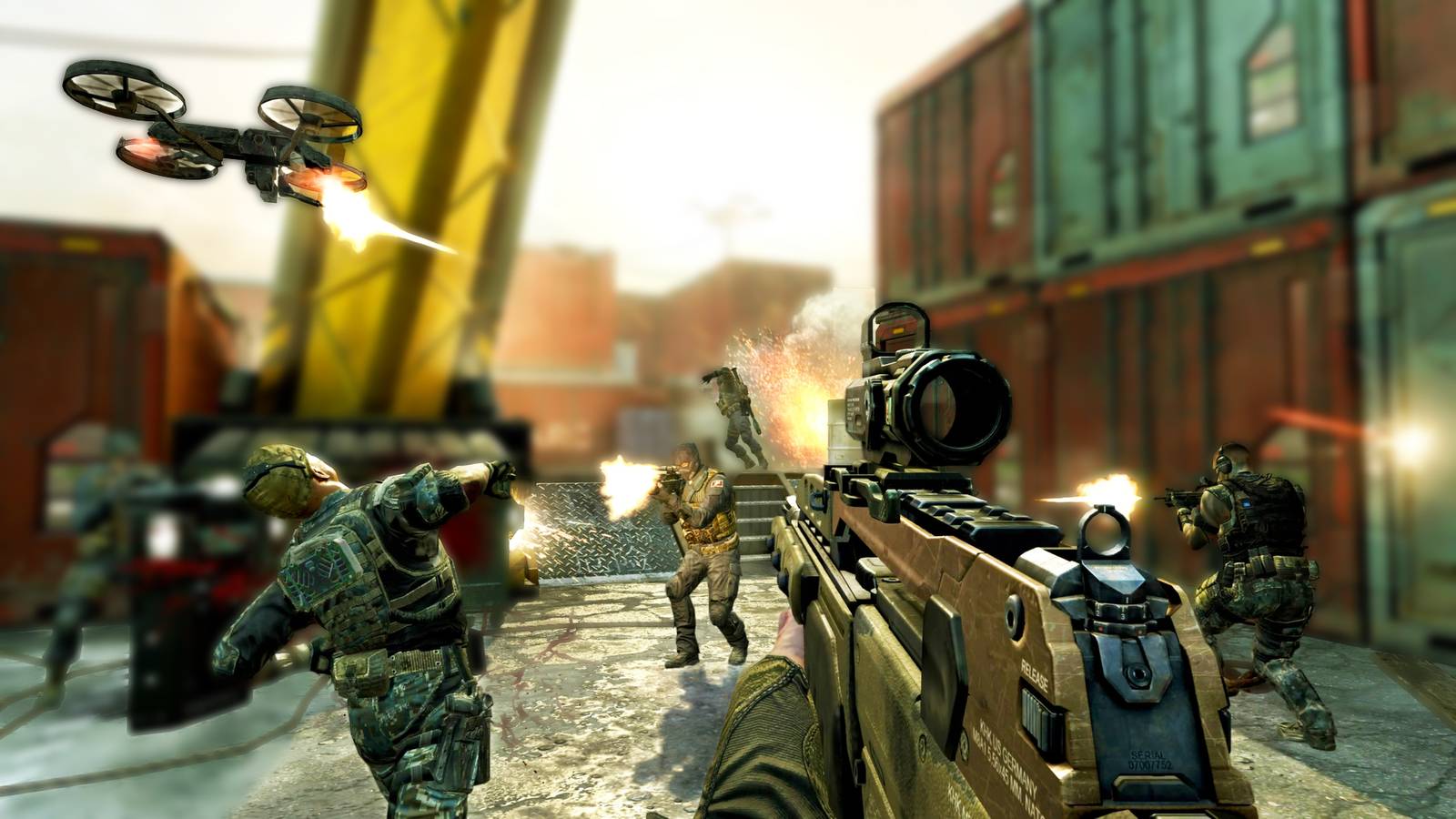
What I love the most about Call of Duty: Black Ops 2 is the fact that the game allows players to influence how the story unfolds, which is quite unusual for a military shooter. Your decisions often determine whether important characters will survive, and the Strike Force missions’ objectives affect the entire conflict in the game.
Moreover, the campaign has multiple endings, which means that revisiting missions easily becomes a no-brainer. On the other hand, we have its direct sequel, Call of Duty: Black Ops 3, which takes place further into the future, and although it introduces greater mobility and more futuristic combat, the original’s storytelling and multiplayer customization simply cannot be beat. Another great advantage of the original is the fact that it makes its world more believable by balancing advanced technology with conventional military combat.
I know this is because we constantly alternate between two distinct periods of warfare, but personally, I think Black Ops 3‘s heavy reliance on futuristic abilities is too excessive, even for a game set in 2065. Last, but not least, the original game has some of the most memorable multiplayer maps, and unlike in the sequel, they are mostly focused on strategy and controlling key areas instead of advanced movement mechanics, which I find much more realistic and rewarding.
Far Cry 2 (2008) Is Better Than Far Cry 3
A Brutal Survival Experience
Far Cry 2 takes place in a fictional African country that has been destroyed by civil war. You step into the shoes of a mercenary who has to find a weapon dealer known as the Jackal, while also navigating the conflict between rival factions. However, the game will do everything in its power not to let you do what you’re supposed to.
Weapons can often jam during firefights, or you can suddenly get malaria. Fire often seems to be on your side when it spreads fast and forces your enemies out of their cover, but if the flames become too big, they can also put you in danger. Moreover, the game doesn’t have a mini map to help you; you need to consult a physical map and use navigation tools. This makes combat more unpredictable and often forces players to adjust their strategy, which is just as exciting as winning a fight.
Far Cry 3 is a more accessible version of its predecessor and, of course, we also get the iconic antagonist Vaas Montenegro, but Far Cry 2 arguably offers a more distinctive experience that is way closer to reality. Additionally, in the original game, enemies don’t just disappear from the world once you’ve cleared an area. Hostile checkpoints can become occupied again just as quickly, and even though this may be frustrating for some people, I think it really reinforces the feeling of being trapped in a conflict that never ends, which, unfortunately, is a harsh reality for many people living in war-torn regions.