


While not as mainstream as FPS or RPGs, city-builder games have been around for a long time; seriously, the genre dates back to 1964’s The Sumerian Game. Cast as essentially an all-seeing god who takes control of the lives of puny humans, the appeal of city builders is not hard to understand; the games can range from epic sci-fi operas to quirky small-scale fantasy distractions. Most people know SimCity, Anno, Cities: Skylines, and Pharaoh, but a few fantastic city-builders have succumbed to the passage of time, becoming little more than footnotes in history.
The great thing about city builders is that you really don’t have to be incredible at them to have a blast. Heck, sometimes doing a terrible job can be more entertaining, and you often feel like you are learning on the job. Personally, I wouldn’t consider myself a master of the genre by any means, but I easily lose hours playing any of these upcoming gems.
Emperor: Rise of the Middle Kingdom Is Sierra’s Crown Jewel
Perfecting A Stellar City-Building Formula
-
-


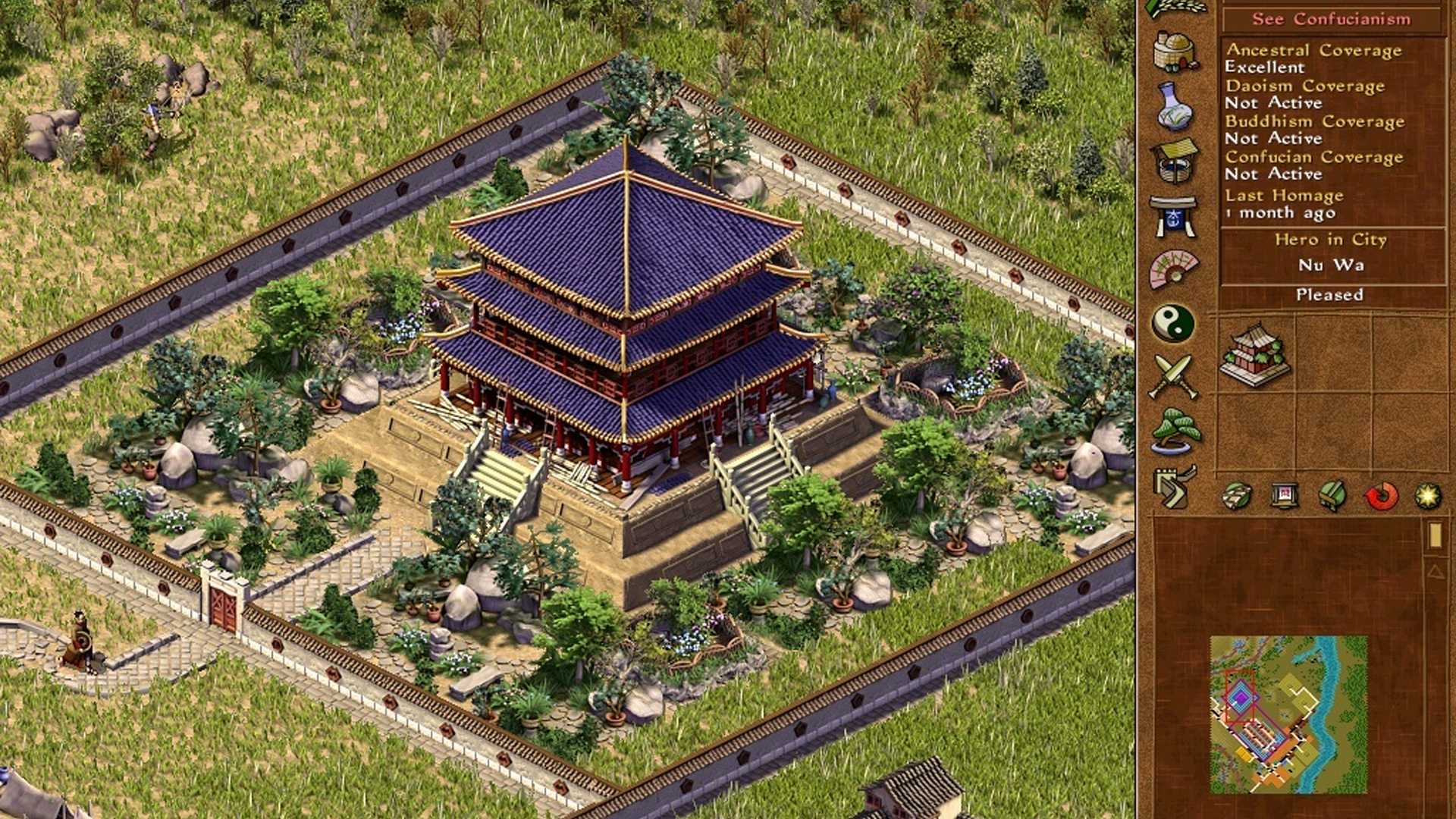
In the late 90s, Sierra, Impressions Games, and BreakAway Games established the Walker 2D city-builder formula with titles like Caesar 3, Pharaoh, and Zeus: Master of Olympus, all of which are nowadays readily available on Steam. For one reason or another, the last entry in this run, Emperor: Rise of the Middle Kingdom, never made the jump to Valve’s platform and can only be picked up through GOG. Obviously, Good Old Games is fantastic, but if a release isn’t on Steam, it might as well not exist for most players.
Emperor: Rise of the Middle Kingdom finally fixed nearly all the issues found in its spiritual predecessors. Unlike in the older games, Emperor gives you way more microscopic control over your citizens and responders, ensuring they don’t just wander off onto side roads without reason. It also features a far more expansive agriculture system that goes beyond just dropping a farm and reaping the benefits, as players have to take into account rotations and even weather patterns.
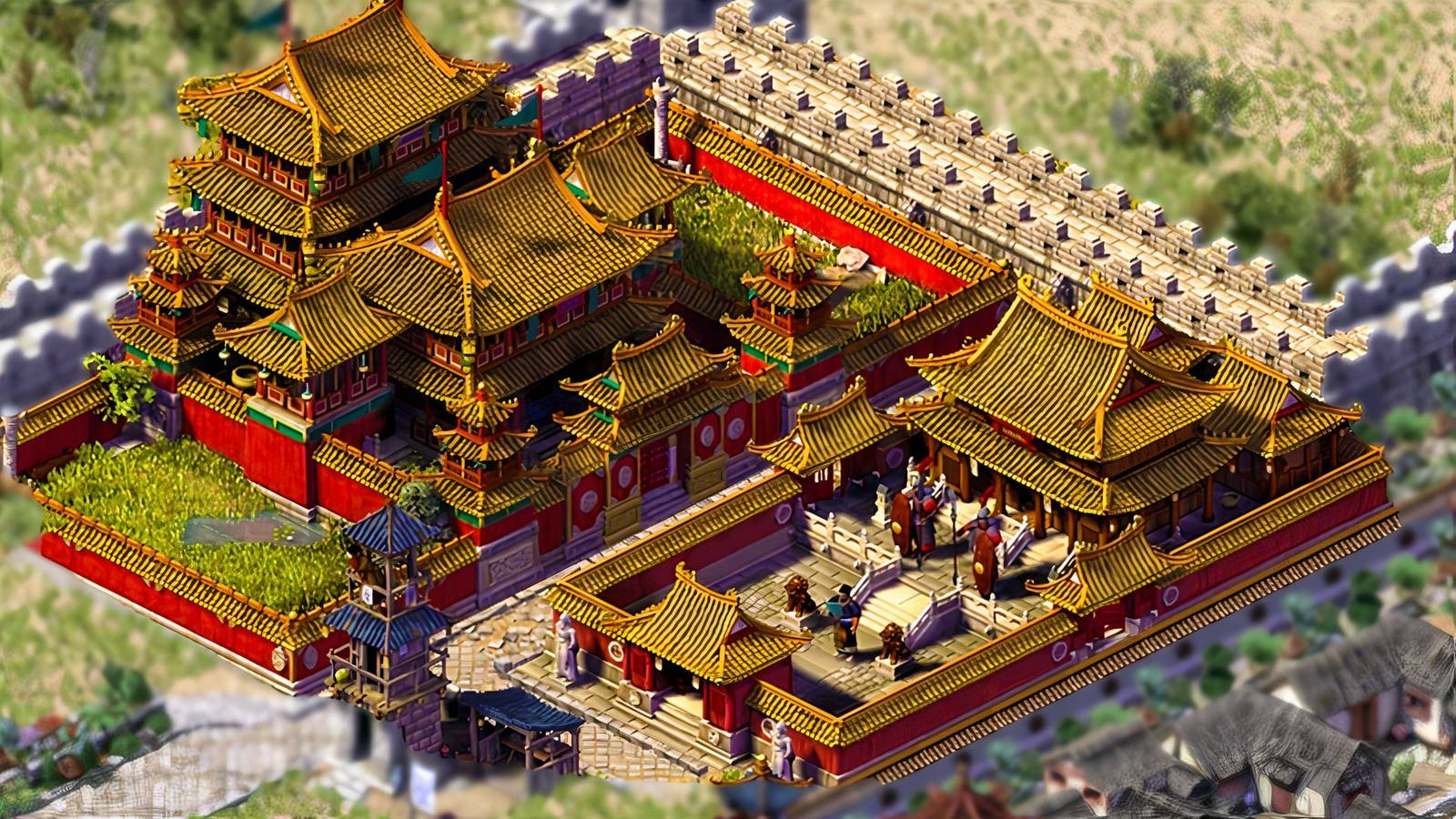
Also, the game is kind of gorgeous! Yes, the graphics are very early-2000s, but the art style and architecture are absolutely timeless and jaw-dropping. Emperor really is the full package, and it might have fared better if it hadn’t been released in 2002, just as the genre shifted to 3D graphics.
Startopia Lets You Manage A Space Station
And It Is Incredible

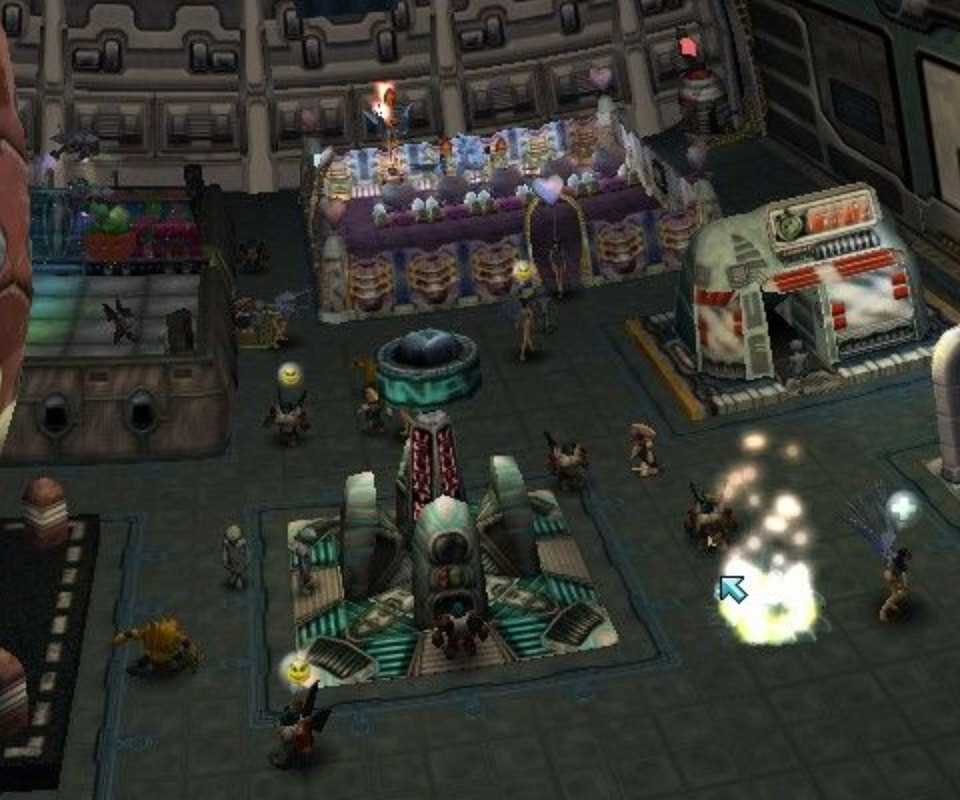
Let’s shift focus to a forgotten sci-fi game built by a developer with one of the weirdest resumes in video game history. Created by programmers who worked with Bullfrog Productions, the team behind classics like Theme Hospital and Dungeon Keeper, Mucky Foot Productions completed three projects: Urban Chaos, Startopia, and Blade 2. The two action games were both pretty underwhelming, but they sandwiched one of the more innovative and impressive releases of the early 2000s.
Although not exclusively a city-builder, Startopia blends the genre’s tenets with management sim elements, creating a whole that fits both categories and could also qualify as something entirely new. Instead of historical roads or modern grids, your canvas is a metropolis on a space station with finite space. The station has three decks with unique rules, and you need to cater to all three in their own ways. In the meantime, you cannot ignore oxygen, waste management, and recreation.
A big part of what makes Startopia great is its alien species, as the workers aren’t just faceless, interchangeable units. The game has 9 core playable species, along with a few other visitors, each with their own strengths, preferences, and baggage.
Immortal Cities: Children of the Nile Flows Like A River
A Great City-Builder Game Created By Genre Veterans
-

-

-

Born from the ashes of Impressions Games, Tilted Mill Entertainment decided to return to Ancient Egypt, as that setting worked so well in Pharaoh. However, Immortal Cities: Children of the Nile isn’t just a rethread with 3D graphics, but rather a complete revamp of the city-building formula that discards the ways of old to embrace something new and exciting.
You take charge of a civilization that lives at the mercy of the Nile’s annual flooding, along with its other seasonal changes. Rather than presenting city-building as a static grid puzzle, civilization adapts to the current situation, with every season naturally flowing into the next. As money doesn’t really have much value in an agrarian society, currency takes the form of grain and food rations.
Immortal Cities: Children of the Nile has an enhanced edition on Steam that is only $7.99. Give it a go if you are looking for an old-school but forward-thinking city builder.
CivCity: Rome Combines Civilization With Stronghold & Caesar
A Fusion Of Greatness
Developed by the strategy super team of Firefly Studios (Stronghold and Caesar) and Firaxis Games (Civilization), CivCity: Rome sought to bring together two very different types of games. The result was an experimental city builder that struggled to market itself, with the “Civ” branding simultaneously setting the wrong expectations and putting off folks who didn’t want a Civilization game.
CivCity essentially tried to fuse Civilization‘s tech trees with Firefly’s street-level simulation, crafting a game that would cover both the macro and micro. Not everything about the marriage works, but Rome provides one of the more intimate looks into the Roman Empire, letting you see into buildings in impressive detail for the time. The tech tree element arrived in the form of the Academy and Library, where you can research technologies that will help your civilization and reshape the city’s layout.
Tropico 2: Pirate Cove Lets You Be The Pirate King
And The Crown Is Heavy
-

-

-

Tropico doesn’t need any introduction, but most people are familiar with Haemimont’s later entries, starting with the third game. Tropico 2 sits as the franchise’s odd duck, not really fitting its predecessor or successors, as Frog City decided to tear up the first game’s foundation in search of something fresh. This shift has helped Tropico 2 age more gracefully than its sequels, simply because it doesn’t feel like a worse version of Tropico 5 and 6.
Tropico 2 completely rejects democracy, instead putting you in charge of governing two populations that are actively against each other: Pirates and Captives. As the Pirate King, players need to balance fear and order. On the one hand, you need to scare the Captives enough to keep them in line; conversely, pirates don’t respond well to state control, and you could end up with anarchy if you go too far. Even the economy is unique, as it is built on ship raids.