


By nature, most RPGs are highly replayable, offering branching quests, multiple factions to join, several endings to unlock, or even a custom character’s origin that can have a major impact. But how does a huge open-world RPG motivate you to commit to a full second playthrough?
To me, one of the biggest draws has always been either opposing factions that can substantially change your playthrough and let you experience both sides of one conflict, or a major story-driven choice relatively early on that splits the game into two largely independent branches — like the choice between Roche and Iorveth at the end of Chapter 1 in The Witcher 2: Assassins of Kings.
Given how much work such drastic changes take, especially considering that most players won’t even replay the game, they’re relatively rare in the open-world RPG genre. Sure, these games offer plenty of choice about where to go and in which order, as well as numerous outcomes for quests. But more often than not, you can see most of what’s on offer in a single playthrough, albeit from a slightly different angle for each quest.
Today’s selection is all about open-world RPGs built around choices that offer meaningful differences throughout the game, locking you out of quests or possibilities along the way. If you really want to experience it all, you’ll need a fresh playthrough.
Drova: Forsaken Kin
Nemeton Versus the Remnants
Drova: Forsaken Kin has become a pretty persistent open-world RPG pick lately, and for good reason. This game is a perfect fit for this angle as well, with two opposing factions: Nemeton and the Remnants. Drova gives you the choice to join either pretty early on, and this decision commits you to one side permanently. Faction-exclusive quests and access to different parts of their settlements give the other choice a clear attraction on replay.
Click on the game with the higher OpenCritic rating.
The biggest hook is how wildly different both factions and their agendas are: Nemeton wants to turn Drova into the promised Land of Legends using the Divinities; the Remnants abandoned that dream long ago and just want to escape. Major events highlight the differences between the two societies.
For Nemeton, you can attend the Festival of Fire, a masked ceremony exploring the faction’s communal traditions and harsh justice, or participate in a “last person standing” baptism of fire with the Remnants, where only sheer strength matters. Even though the main plot still largely converges later on, seeing Forsaken Kin’s story through another faction’s completely different perspective feels like a worthwhile next step.
Risen
Don Esteban’s Bandits Versus the Inquisition’s Order
Piranha Bytes’ open-world RPGs are built around opposing factions, so any of the Gothic titles is as replayable as it gets. However, other RPGs in the studio’s portfolio shouldn’t be overlooked either, especially the original Risen — the studio’s first post-Gothic RPG, even though it’s still largely a Gothic game. Risen features several paths to follow, each with faction-specific quests and different training opportunities. The most suitable fit for us here, though, is the political choice between Don Esteban’s bandits and the Inquisition’s Order, two competing camps offering different routes through the lengthy opening chapter.
This faction choice also shapes your build, with the Order itself offering both warrior and mage paths for the protagonist. The game’s Harbour Town makes the political choice really tangible: resolving disputes for one side helps it consolidate control at the other’s expense. Like in Drova, Risen’s later main storyline largely converges regardless of the faction you choose, yet replaying it twice offers enough unique hooks in both quests and combat possibilities, particularly when switching from a bandit to a mage with crystal and rune magic.
Tainted Grail: The Fall of Avalon
Children of Morrigan Versus Vidar
Tainted Grail: The Fall of Avalon offers more reasons for revisiting than just its faction-based choice. For starters, Tainted Grail is an excellent RPG for character building, featuring flexible skill trees that allow for some truly creative combinations of melee, summoner, or magic-focused builds. Its separate Galahad versus Breandan choice is yet another layer, boosting its replayability. Still, the clearest fit for this angle is the choice between the Children of Morrigan and Vidar, offering substantial and varied quest branches within a shared campaign.
In Tainted Grail, you can join the secretive organization and undertake its spy-focused assignments, or support its former member, Vidar, in undermining it, leading to different quest chains as the conflict stretches into later regions. Working for the people you previously hunted feels refreshing on a second run, while the game’s freedom of choice can close off questlines through damaged relationships or dead characters.
For instance, a fortress guard you recruit as the order’s informant on one route becomes a target to kill on the other, giving you plenty of reasons to handle assignments differently. As a result, The Fall of Avalon is among the strongest options to revisit once in a while to explore the possibilities your first character’s decisions shut down.
Outward: Definitive Edition
Blue Chamber Collective Versus the Heroic Kingdom of Levant
Outward’s lack of guidance is already a strong case for replaying it, as your experience can vary drastically depending on whether you approach it for the first time or as a seasoned veteran with its possibilities mapped out. The game can be quite demanding due to its navigation without markers and difficult-to-track timed quests, creating consequences you haven’t anticipated. Definitive Edition’s four factions push your options even further, especially through the central Blue Chamber Collective versus the Heroic Kingdom of Levant conflict (whew, those are quite the faction names!).
Committing to either of them unlocks its own storyline, with the Blue Chamber and Heroic Kingdom on opposite sides of a war. It’s up to you whether to support the traditional communal system, including inherited obligations and Blood Prices, or break away from that system, championing individual freedom and rejecting the old rules. This choice alone offers a natural two-playthrough pairing, while permanent choices in your skill training also encourage different builds.
One last thing adding points for Outward’s subsequent playthroughs is the Legacy Chests feature, allowing you to leave equipment for your next character and creating a rare sense of connection between finishing one journey and preparing for another.
Outward: Definitive Edition is 95% off on Steam until October 22.
Fallout: New Vegas
NCR Versus Legion
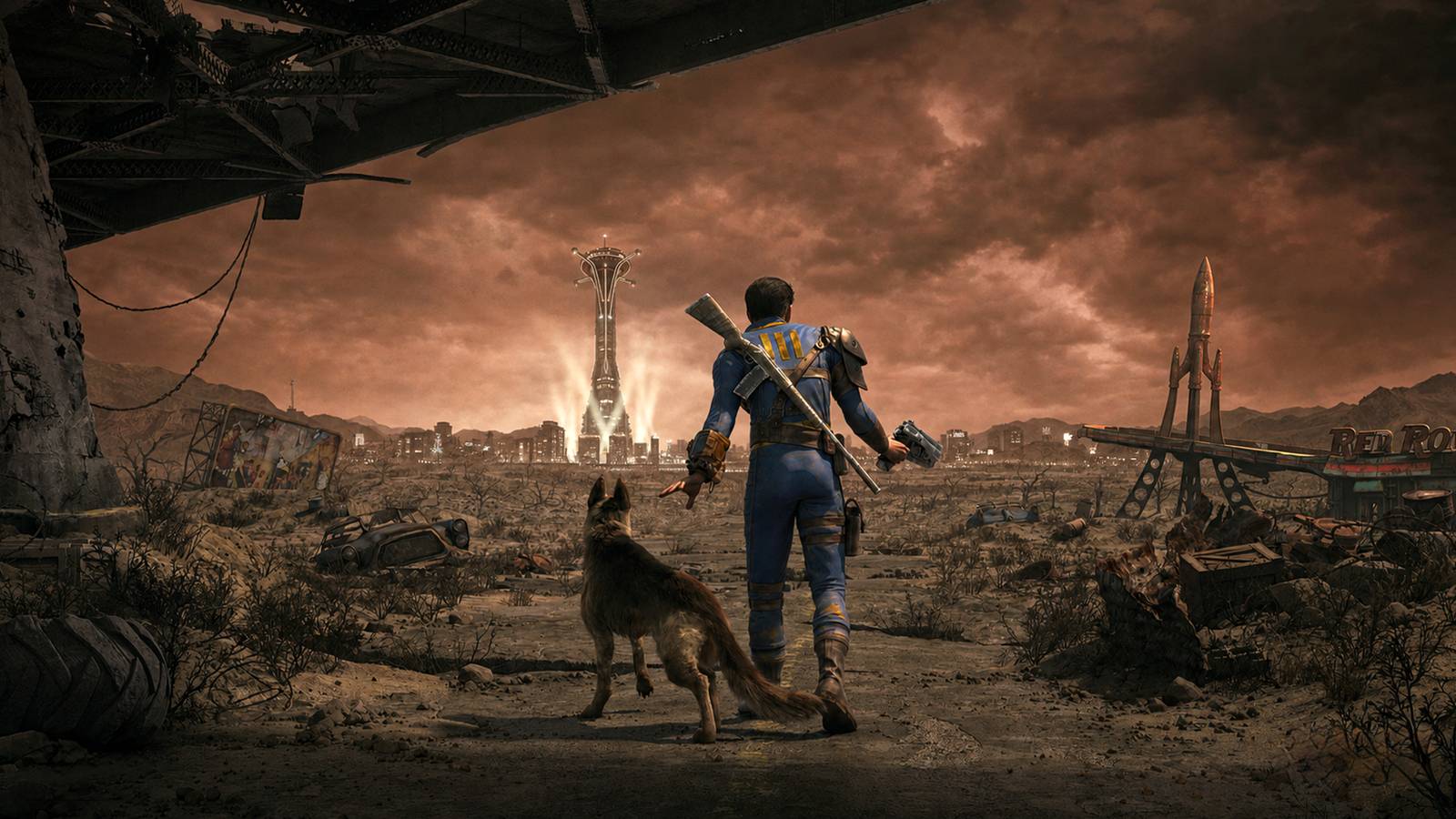
Fallout: New Vegas has been appearing on lists of the most replayable open-world RPGs for over 15 years now, and is still widely regarded as one of the most flexible picks for true role-playing available today. There are countless reasons to replay New Vegas, including different quest solutions, the major impact of your skills and builds on gameplay, contrasting companions, and more. For our particular angle, the biggest allure is to experience the New California Republic (NCR) versus Caesar’s Legion opposition from both sides of the conflict, as supporting either faction makes a substantial difference.
Naturally, both paths unlock exclusive questlines. Their goals often interfere with one another, such as in the ‘I Put a Spell on You’ quest, where the NCR-side route has you expose an infiltrator and prevent the McCarran monorail bombing, whereas the Legion-side route lets you cooperate with that infiltrator, plant the bomb yourself, and frame an innocent NCR soldier. This dual replay of Fallout: New Vegas makes the contrast especially sharp: yesterday’s allies become today’s targets, while returning to the same location means actively reversing what you accomplished previously.
Disco Elysium
Harry Versus Himself
A bonus game that hardly follows the established pattern, Disco Elysium is nevertheless a perfect pick to replay twice or more, provided you have a passion for a non-combat, reading-heavy experience. The thing that stands out most about Disco Elysium is its quest design, with side quests often lacking a clean “correct” outcome. Instead, much of the game is defined by your character archetype, the success or failure of certain actions and rolls, and your own personal role-playing goals.
Playing Disco Elysium as a radically different person with different information, skills, and priorities changes how most problems and conversations unfold. Your skills shape what Harry notices and what his internal voices suggest during investigations, while failures can produce worthwhile scenes and alternative approaches you wouldn’t discover otherwise. Even if the central mystery of Disco Elysium stays familiar, without distinct major branches or factions to join, the second run is valuable for reconsidering your reasoning and can feel substantially different — far more so than in most other open-world RPGs.