



On September 16, Pokemon celebrated the franchise’s 30th anniversary by releasing a TCG expansion with over 150 cards, including new Mewtwo, Mew, and Greninja versions (along with 30 Pikachu cards). Since the dawn of time, collectors have been trying to get their hands on the rarest Pokemon cards, but even the most dedicated scavengers know that a few holy grails are likely beyond their reach. Unless you spend a fortune or have legendary luck, you will never own these beautiful cards.
The thing about these Pokemon gems is that they all have pretty interesting origin stories or are tied to a specific moment in the competitive scene’s timeline. Also, their art is genuinely stunning and eye-catching, to the point that they could probably slot into a museum without looking out of place.
If you happen to find one of these cards in the wild, question its authenticity and think twice before dropping significant cash.
Pikachu Illustrator By Atsuko Nishida
The Holiest Of Pokemon Holy Grails
Drawn by the artist who designed Pikachu, this card stands in a tier of its own, well above everything else. Handed out to winners of illustration contests early on in the franchise’s run, only about 40 versions of “Pikachu Illustrator” were ever released, and it wasn’t designed to be placed in a deck.
Because of the nature of these competitions, mostly children and teenagers won these cards, with no way of knowing they were holding something that would one day be worth millions. Most of them didn’t survive in great shape. Defined by Atsuko Nishida’s touch, the art represents Gen 1 Pikachu in all of his cute, playful glory. From the Charmander drawing to the fountain pen, the card illustrates a completely unique scene for the franchise and is an early example of the holo effect.
Illusion’s Zorua From The 2010 Design Contest
A Pokemon Card That Screams “Childhood”

To promote the Zoroark: Master of Illusions movie, the Pokemon Company held a design contest in 2010, allowing Japanese children to submit their custom drawings of either Zorua or Zoroark into an assortment of magazines. I believe 10 cards were picked as winners across different age groups, and their creators reportedly received 200 variants (although the official number was originally believed to be just 100).
“Illusion’s Zorua’s” rarity isn’t hard to understand, since it had a very limited print run and was handed directly to young children. Honestly, the same can be said for its popularity, as the card’s hand-drawn aesthetic not only radiates personality, but also sets it apart from the standard competitive variants.
Mario & Luigi Pikachu Full Art Cards
Nintendo And Pokemon’s Fruitful Relationship

OK, let’s shift towards two slightly more “affordable” cards, just for a change of pace. Yes, in the world of hobbyists, $10K for a Grade 8 card isn’t too bad.
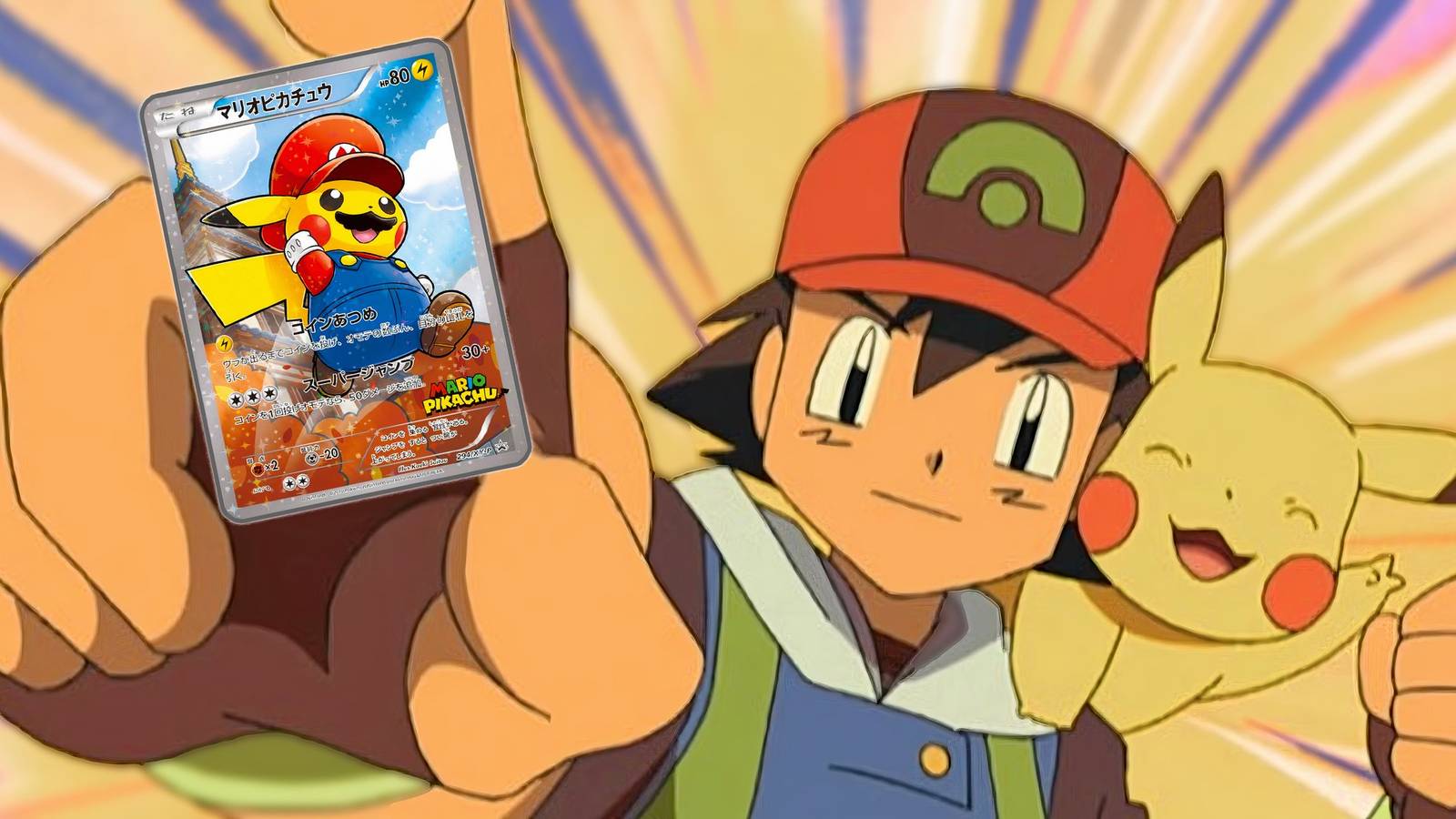
Created as a one-time collaboration celebrating Pokemon and Nintendo’s 20th anniversary, these cards were sold as part of special Mario or Luigi boxes and were only available at Japanese Pokemon Centers. They never received international releases, had only one production run, and sold out almost immediately. Nowadays, copies pop up relatively frequently, but you are looking at $20K+ for a high-grade variant, and that would be a bargain.
Kouki Saitou’s art is unsurprisingly top-notch, with dynamic angles that showcase Pikachu striking Mario and Luigi’s iconic poses. Each box also came with another rare Mario & Luigi Pikachu card, and they were available for just ¥1,500 ($10).
Master’s Key Card From The 2010 Japan World Championships
The Key To Hawaii

Distributed as the prize for winning the 2010 Japanese World Championship Representative Tournament, the “Master’s Key Card” represented the player’s invitation to the World Championships that took place two months later in Kona, Hawaii. Only 36 of these cards were ever created, and they were handed out to both TCG and video game finalists and winners.
Trainer cards aren’t typically the most sought-after prizes, but this one’s deep-space backdrop helps it stand out from the crowd. Yuri Umemura’s art is minimalistic but majestic, presenting the key as a cosmic artifact rather than just a tool.
Pokemon Snap Articuno Card
A 3D Snapshot Of Pokemon’s Nintendo 64 Era

Admittedly, beauty is in the eye of the beholder, and this card’s 3D art style might not hit the mark with everyone. However, the “Snap Articuno” card is the ultimate 1999 time capsule. To celebrate Pokemon Snap‘s release, a competition was held where players could send in their best photos, with a few becoming cards. All of these releases are pretty rare, but “Snap Articuno” was the sole Legendary Pokemon winner of the 64 Mario Stadium contest.
As far as I could find, the winner (Yui Tanaka) received only about 20 copies of the card, and it was never included in booster packs or made available at retailers. Authentic copies are nearly impossible to find, and it’s extremely unlikely you’ll find one in high grade.
2015 Pokemon Art Academy Mew Card
A Real Work Of Art

The Art Academy competition series is responsible for so many drop-dead gorgeous Pokemon cards, and Phanpy’s “Mew” might be its crown jewel. Using the Nintendo 3DS’s Pokemon Art Academy, fans created and submitted digital paintings using the stylus and screen tools. Only 22 winners were selected across multiple regions, and Phanpy won in Europe and Oceania’s “Your Favorite Pokemon” category.
Every winner received 100 copies, and that was each card’s entire run. Unlike tournament prize cards that sometimes circulate through competitive circuits, these cards were personal, deeply sentimental prizes awarded directly to independent artists. With the soft lightning and psychic bubble, this Mew looks almost ethereal.