



Some of the greatest JRPGs of all time struggled to find an audience, especially outside of Japan. Yeah, they flopped commercially despite widespread acclaim, since not every game can be Final Fantasy or Persona. Certain masterpieces weren’t even given a chance to fall on their faces, with publishers preemptively deciding that a North American release would only result in catastrophic failure.
Except for the first example in this article, I don’t want to focus on JRPGs that weren’t released outside Japan, because it is far more interesting to discuss games that were given the chance to fly but ended up crashing at launch. Some of these games eventually became bona fide classics, but basically nobody played them at first.
Mother 3 – The Definitive “Never Released In North America” JRPG
You Cannot Play What You Cannot Buy
- A 2006 GBA JRPG released only in Japan.
We need an example of a JRPG that literally nobody played in Western nations, and Mother 3 might be the poster child for Nintendo’s hard-headedness. Famously, the original Mother on the NES stayed in Japan; for the sequel, Nintendo released it in America as EarthBound, only for it to crash due to an inflated price and weird marketing. Naturally, Nintendo used this as an excuse not to release Mother 3 outside of Japan.
In 2015, Nintendo released Mother 3 for the Wii U Virtual Console… only in Japan. In 2024, Nintendo released Mother 3 as a Nintendo Classic… only in Japan. Why is the rest of the world not allowed to officially play one of the best and most creative JRPGs of all time? Seriously, Nintendo just needs to piece together a translation and drop the game for $9.99 on the store. I don’t think that is asking for much.
At least the Mother 3 fan translation exists.
Resonance of Fate – A JRPG Tries Something New And Pays The Price
You’d Think “JRPG With Guns” Would Fly Off The Shelves In North America

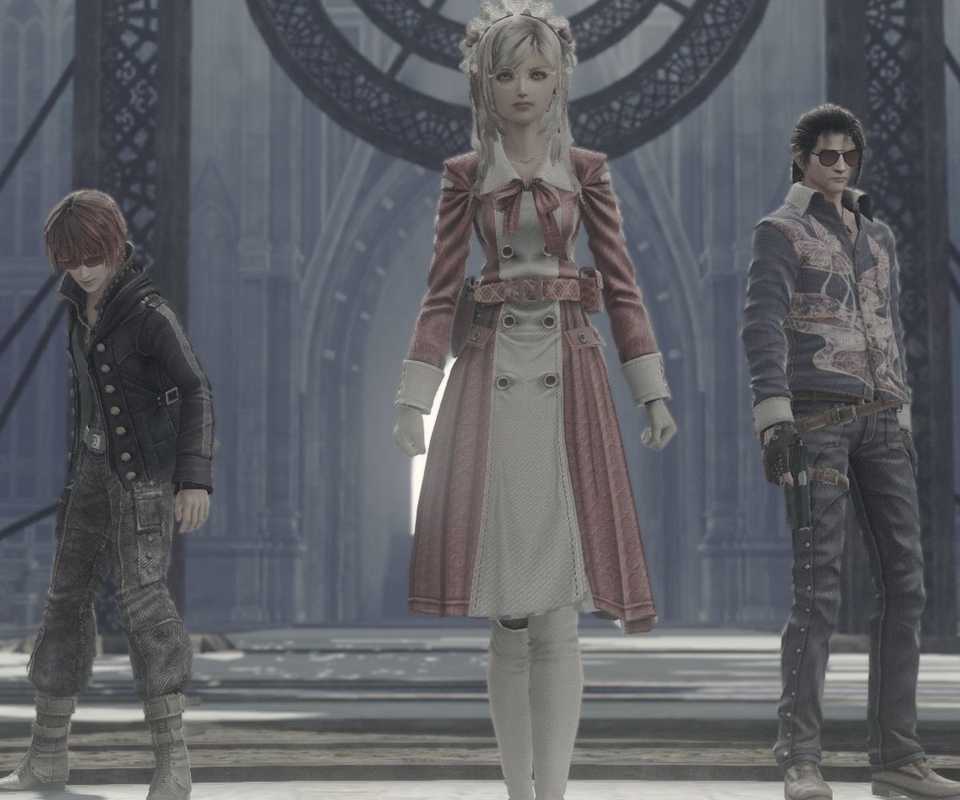
- Tri-Ace’s 2010 JRPG released during the worst time.
Timing isn’t everything, but it sure matters. A daring JRPG that challenged the genre’s fantasy-laden status quo, Resonance of Fate gave us guns, steampunk, and an odd job crew. More importantly, tri-Ace released the game in March 2010, which also coincided with the debuts of God of War 3, Battlefield: Bad Company 2, Yakuza 3, Final Fantasy 13, and Pokemon HeartGold/SoulSilver. This quirky JRPG was sent out to be slaughtered, and that’s exactly what happened.
Even for those few people who picked it up, Resonance of Fate doesn’t leave a particularly great first impression, as the first few hours act as a terrible tutorial that barely explains the combat mechanics. If there is one JRPG that needs a detailed crash course on its mechanics, Resonance of Fate is it. Many folks moved on before they really dove into the fantastic, strategic battle system, the weapon customization, and the campaign’s surprisingly slice-of-life vibes.
Nier – A Masterclass In Storytelling Leads To The Death Of A Studio
A JRPG Retroactively Revived By Nier: Automata
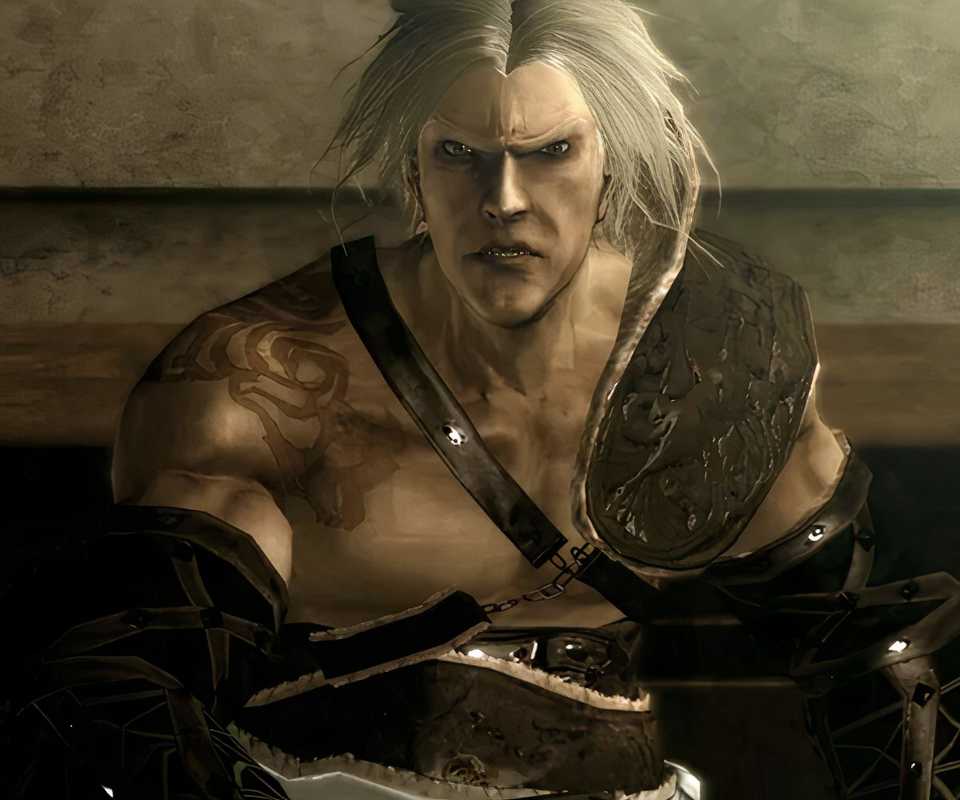
- An action JRPG spin-off in the niche series coming off a couple of really divisive games.
- Cavia closed its doors just 3 months after Nier‘s North American debut.
Don’t be fooled by Nier: Automata’s success; the odds weren’t stacked in its favor. After roughly a decade of decent cult classics, Cavia dropped its most audacious project yet: a Drakengard spin-off fueled by Yoko Taro’s deconstructive writing and unusual narrative structure. In a weird move, Nier received two alternate versions with different protagonists (a father or a brother), although Western nations only got the old man.
While the gameplay and open-world aren’t great, Nier absolutely nails its story and characters, both of which are among the best in the genre’s PS3-era offerings. If you want a melancholy JRPG that challenges tropes and experiments with genre fluidity, you won’t find a better option than Nier (except, maybe, Nier: Automata). Nowadays, the original game has garnered some respect, but that’s entirely due to 2B’s afterglow.
Papa Nier’s adventure kind of failed with both critics and audiences, garnering mediocre reviews and not selling particularly well. Cavia’s fate was likely already sealed before Nier‘s NA release, but its failure sped up the process.
Panzer Dragoon Saga – Sega Barely Shipped Any English Versions
Again, You Cannot Play What You Cannot Buy
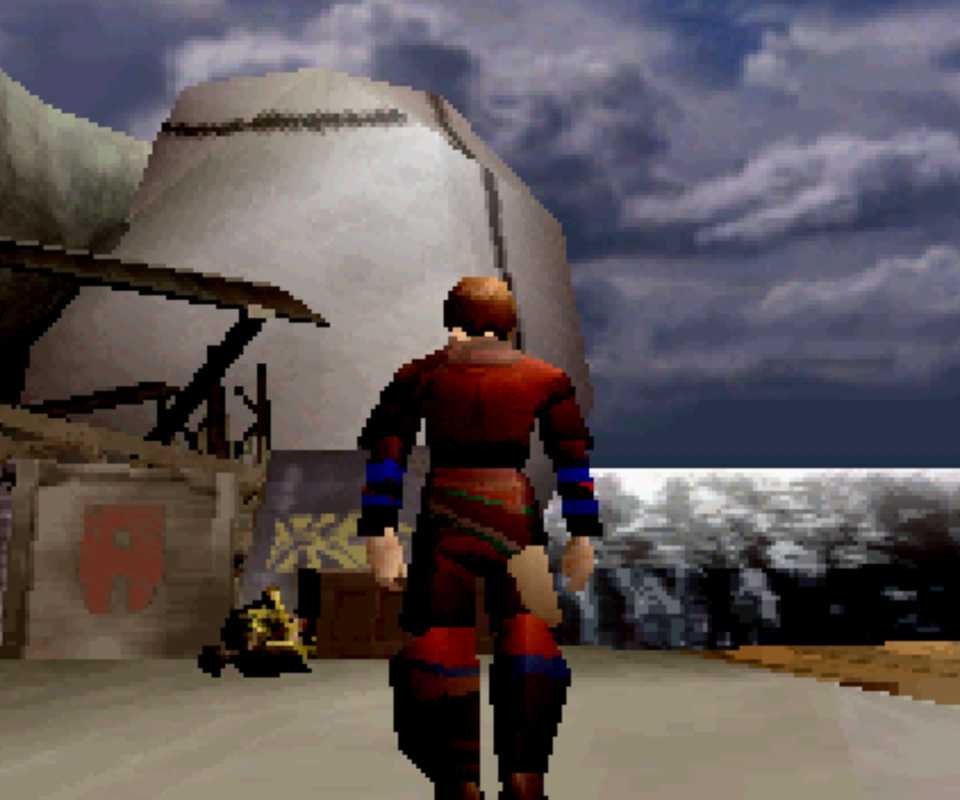
Games flop for so many reasons that the cause can be hard to predict or retroactively pinpoint… that is not the case with Panzer Dragoon Saga. Technically, the Sega Saturn JRPG didn’t flop, as every copy released in North America seemingly flew off shelves. Unfortunately, that feat isn’t as impressive as it sounds, since Sega barely released any units in Western nations, with estimates coming in at around 20 to 25K in North America.
By mid-1998, the Saturn was essentially a dead console, and its replacement, the Dreamcast, was right around the corner. As one of the system’s final releases, Panzer Dragoon Saga was released with no marketing or fanfare, despite being a brilliant game that received nothing but praise. To make matters worse, the original source code was reportedly lost, which might explain why Sega has never remastered or re-released the game.
Fantasian – A Modern JRPG Masterpiece That Died Twice
A Revival of Classic Final Fantasy, Without Any Visibility
- Fantasian was an Apple Arcade exclusive, so nobody played it.
- Fantasian Neo Dimension released on every modern system, only to be a complete commercial bloodbath.
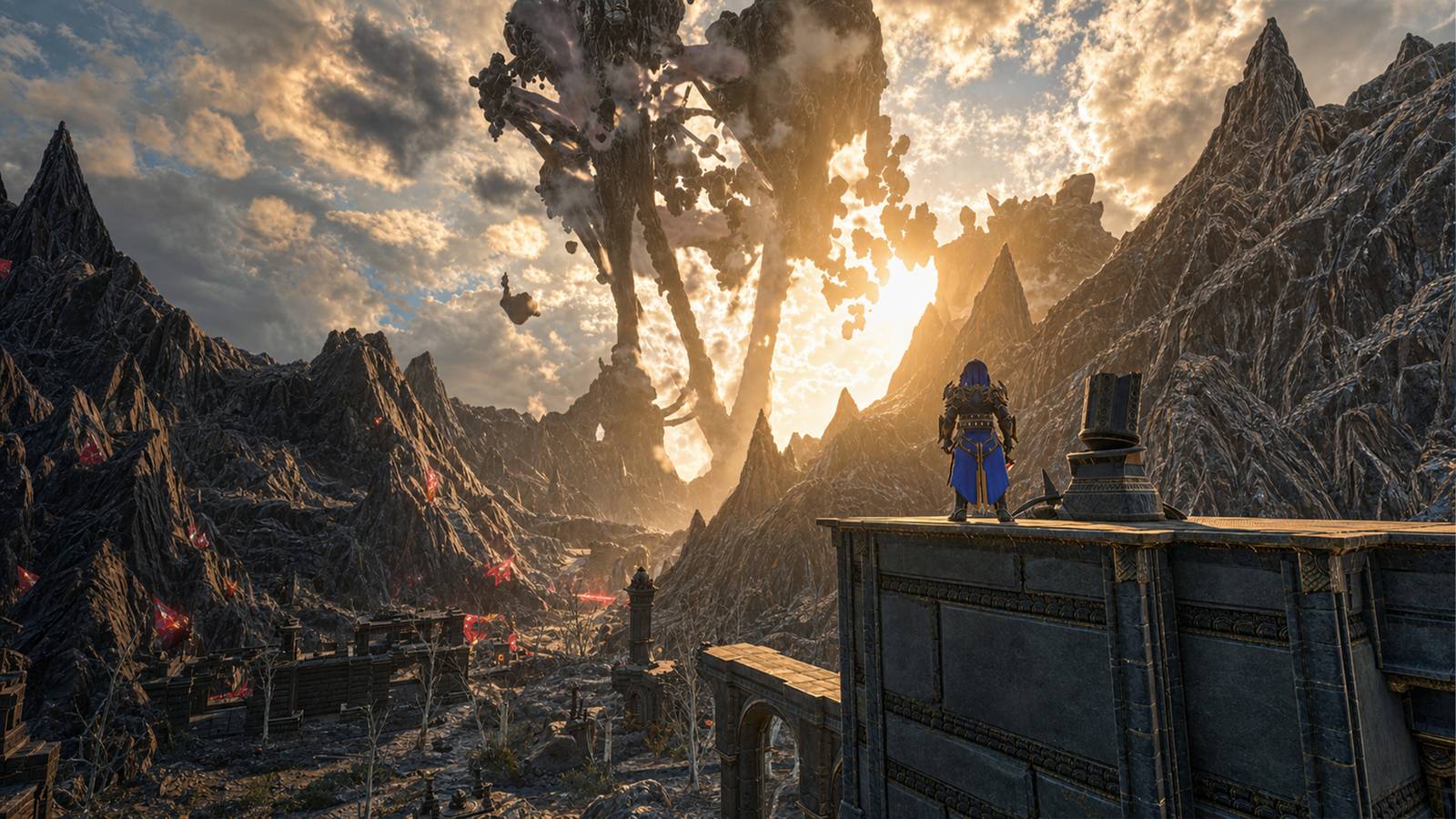
A turn-based JRPG from Final Fantasy‘s creator, Fantasian somehow managed to live up to that lineage, delivering top-notch trajectory-based combat, beautiful diorama environments, a genius tweak to random encounters, and a soundtrack for the ages. Seriously, this JRPG had everything that old-school fans were crying out for, except availability. For a baffling reason, Fantasian launched as an Apple Arcade exclusive.
The game supposedly performed well on that subscription service, but that doesn’t matter – most players do not turn to iOS devices or Apple TVs for their 60-hour JRPG epics. The campaign was also split into 2 parts, with the second half coming out after the hype had already died down.
Thankfully, Square Enix released an enhanced version for PC, Switch, PlayStation, and Xbox in December 2024, righting that wrong. Unfortunately, Fantasian Neo Dimension managed to fail worse than its predecessor, peaking at an abysmal 649 concurrent Steam players during its launch week. As great as the core gameplay is, Fantasian Neo Dimension was ultimately a mobile game, and those types of ports rarely hit big.
Soul Hackers 2 – Atlus’ New Pillar Cracks Under The Weight Of Expectations
Only So Much Room In The World For SMT-Style JRPGs
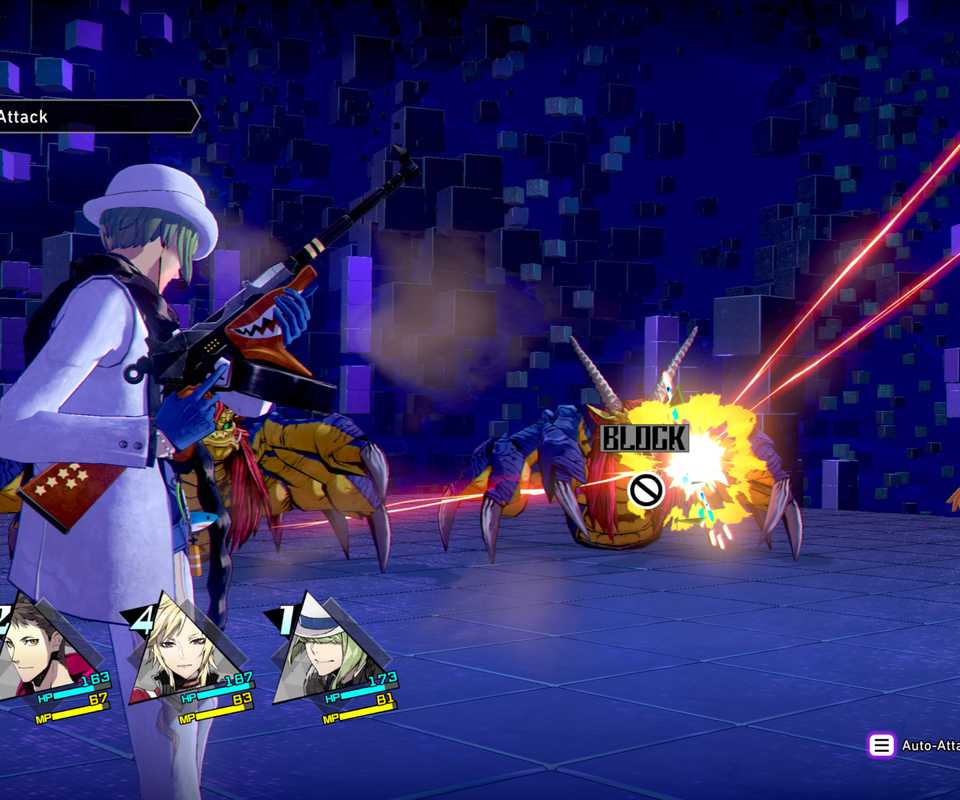
Although not as untouched as the other JRPGs in this article, Soul Hackers 2 is probably the most notable disappointment of the current decade, at least for the genre. Reviving a Shin Megami Tensei spin-off with only one 1997 game to its name (that didn’t even release outside Japan until the 3DS version came out in 2013), Atlus seemingly hoped to build on its growing global reputation following Persona 5 and SMT 5.
Obviously, that didn’t happen, and Soul Hackers 2 failed to meet Sega’s sales goals. The game tried to find a middle ground between Persona and Devil Summoner, and it landed on a spot that nobody really wanted to visit. If you love Devil Summoner, Soul Hackers 2 strips demons of their personality and reduces them to glorified weapons; if you love Persona, you will find yourself playing a version without the all-important social sim loop. The Day One DLC didn’t help either.
Despite a severe identity crisis, Soul Hackers 2 is still an Atlus JRPG. That means the combat loop is amazing, the aesthetic and music are on point, and the characters are pretty enjoyable. The protagonist, Ringo, actually has a personality, and the adult cast offers a refreshing change of pace from typical high-school dynamics. Don’t go in expecting Persona or SMT, and you will have a good time.