



Turn-based RPGs don’t necessarily need complicated combat systems or insane amounts of content to enter the list of masterpieces in the genre. It’s true that having plenty of character customization options, for example, is always nice, but usually that means very little if every battle feels the same.
This is also true when games give players so much freedom that people just end up not knowing what to do at all. And although I agree that calling any game perfect is a pretty bold statement, especially considering how differently RPG fans approach the genre, there are a few turn-based RPGs that have set the bar extremely high.
7
Fallout 2
-
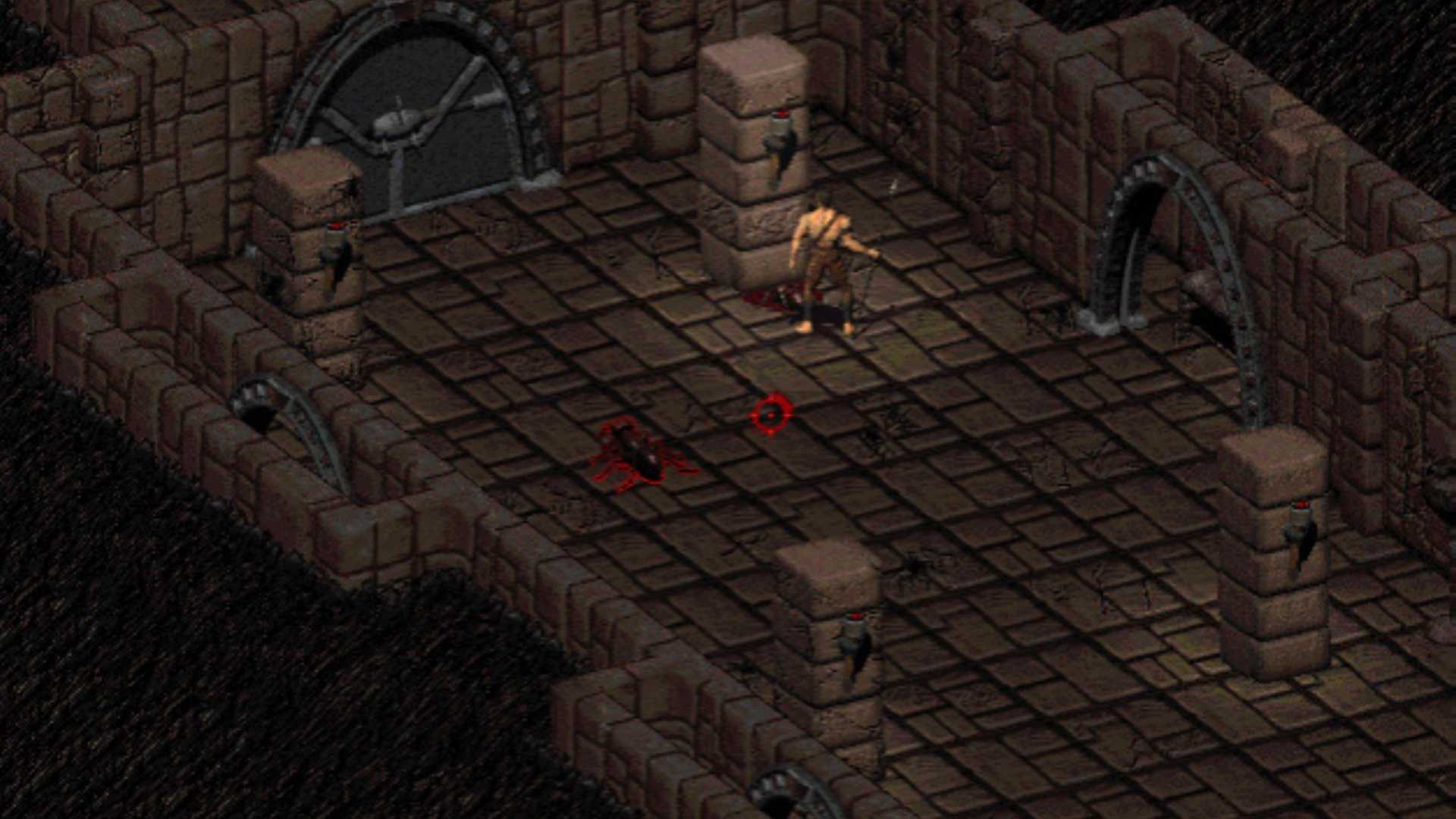 Image via Interplay Productions
-
 Image via Interplay Productions
In Fallout 2, players step into the shoes of the Chosen One, who’s a descendant of the original game’s protagonist. They must find a Garden of Eden Creation Kit to save their village. But story aside, the game’s greatest achievement is the fact that it gives extraordinary freedom to its players when it comes to character builds. Instead of forcing everyone to approach problems in the same way, you will actually have to make some genuinely important decisions and use your abilities to solve problems.

Find all 10 pairs
To give an example, if you invest in Speech, you will be able to negotiate your way through dangerous situations. But if you prefer, you can also focus more on weapons and tactical positioning. One of my favorite aspects of the game is that characters with extremely low Intelligence have limited dialogue options, which is quite unusual for an RPG because it acknowledges the weaknesses of the characters you’ve created and doesn’t treat them just like another numerical bonus.
Moreover, the turn-based combat features targeted attacks, which allow players to aim for specific parts of their enemies’ bodies. So if you shoot an enemy in the eyes, they become blind, for instance. This gives a lot of tactical options, and it’s way more interesting than just choosing whatever deals the most damage. The game also handles consequences exceptionally well, as you can influence the political and economic futures of entire settlements, and the ending will reveal how your decisions affected different communities.
6
Pokemon FireRed and LeafGreen
Simple Combat With Surprising Strategic Depth
-

-
 Image via GameRant; Source: The Pokemon Company / Game Freak
-
 Image via GameRant; Source: Bulbapedia / The Pokemon Company
Pokemon FireRed and LeafGreen are remakes of the original Pokemon Red and Blue, and the brilliance of the games lies in making turn-based combat approachable without having to sacrifice strategy. For example, if you choose a Water-type Pokemon against Brock’s Rock-type team, it will give you a significant advantage, but later battles will require you to reconsider everything you’ve built so far anyway. Imagine a Pokemon has a type advantage against its opponent. This might not even matter because it may lack an effective move.
Moreover, status conditions such as paralysis, sleep, and poison can also influence battles, which means that you really have to be careful when it comes to planning rather than relying on raw power. Another one of the game’s biggest strengths is how much freedom it offers when it comes to building a team. You can complete an adventure by using entirely different combinations of creatures, and even if you’ve encountered a Pokemon early during the journey, it can still be useful during the final battles. This gives immense room for experimentation without requiring players to invest time in some overly complicated progression system.
The remakes also build on the original experience with their updated visuals, Pokemon abilities, and generally more convenient interface. Last but not least, the Sevii Islands introduce even more challenges, which extend the adventure beyond the original Kanto campaign. Generally, these games are absolute masterpieces when it comes to balancing accessible features and interesting strategy.
5
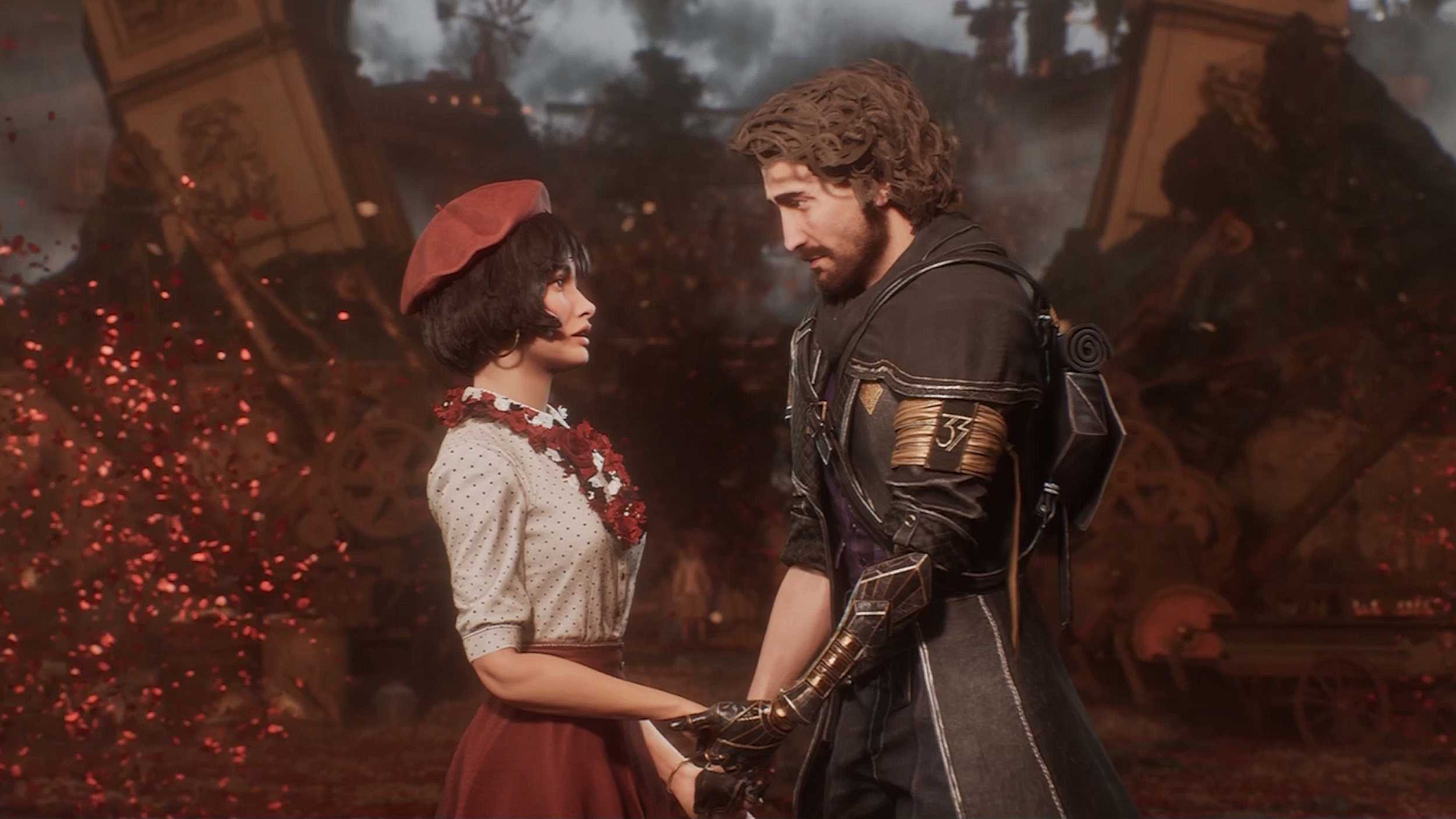
Clair Obscur: Expedition 33
Turn-Based Strategy Meets Real-Time Skill
-
 Source: Sandfall Interactive
-
-
 Source: Sanfall Interactive
In Clair Obscur: Expedition 33, players have the opportunity to select attacks and abilities strategically while at the same time dodging, parrying, and countering enemy attacks in real time. If you parry successfully, you can generate Action Points that earn you additional abilities, and perfectly timed defensive actions make encounters considerably more manageable. In other words, you’re not just sitting there watching your characters exchange attacks. Your reactions and understanding of enemy patterns actually matter just as much as the decisions you make at all other times.
The Picto and Lumina system is one of the most exceptional features of the game, and it offers extensive character customization. To be more specific, Pictos provide bonuses that can eventually be equipped as Lumina abilities. For example, certain combinations can help characters generate additional Action Points, while others can take advantage of status effects.
Moreover, the characters are extremely mechanically distinct, which means that mastering one character will not automatically mean that you have mastered the entire party. And all of this is before even mentioning the striking visual direction, the soundtrack, and the emotional storytelling that generally distinguish the game from more conventional fantasy RPGs.
4
Divinity: Original Sin 2
A Tactical Playground With Few Restrictions
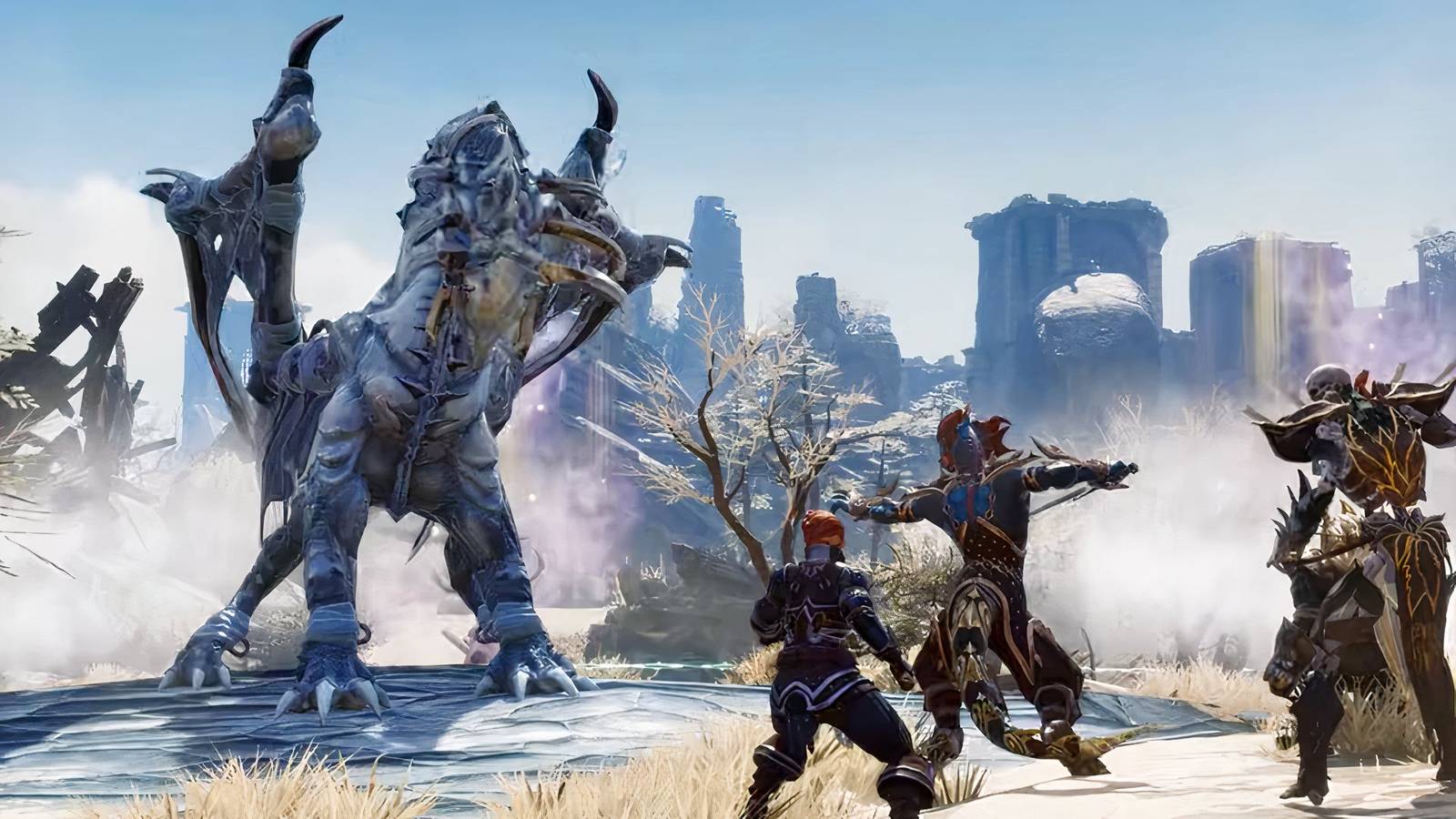
Divinity: Original Sin 2 takes place in Rivellon, where players begin their journey as prisoners at Fort Joy before becoming involved in a struggle over divinity. I would say that the game’s greatest achievement is its turn-based combat, which is extremely flexible and encourages players to experiment with their surroundings instead of relying only on powerful weapons. For example, you can cover an area in oil and ignite it to damage your enemies or even combine water and electricity to create dangerous surfaces.
Of course, positioning matters as well, because if you attack from elevated spots, you can gain significant advantages, as you would in real life. Even objects that initially seem ordinary can become valuable tactical resources, such as explosive barrels. The game also has a classless progression system with over 200 skills across 12 schools, and it allows players to develop extremely unconventional character builds. This is very different from other traditional RPGs that rely heavily on classes, and it’s definitely a breath of fresh air.
In any case, what truly elevates Divinity: Original Sin 2 is the freedom it provides outside combat. You get to choose between six Origin characters, and each one has their own personal storyline and background that influence interactions. The game also supports four-player cooperative multiplayer. Generally, very few turn-based RPGs can offer this much flexibility without sacrificing the depth of their combat systems.
3
Persona 5 Royal
An Exceptional Balance Between Combat and Everyday Life
-
 Image via Atlus
-
 Image via Atlus
-

Persona 5 Royal follows a group of Japanese teenagers who can enter supernatural worlds. It stands among the greatest turn-based RPGs of all time because its combat rewards planning while still remaining exceptionally fast-paced and accessible. For example, you can exploit your enemies’ weaknesses to earn an extra turn, and then the Baton Pass allows you to transfer that same extra turn to your teammates, who can then attack with increased power. This makes defeating multiple opponents possible.
Moreover, you can collect and fuse different Personas and collect different combat abilities, which means that you are not restricted to a single fighting style and you’re free to continue adjusting your strategy. I think the most outstanding feature of this game is the relationship between combat and everyday life, as during the day you can attend school, get a job, or spend time with your friends.
These activities serve a purpose as well, as developing relationships with Confidants unlocks other useful abilities. Similarly, the game features a great variety of themes, puzzles, and challenges, in contrast to most RPG dungeons that are often repetitive and consist of the same few corridors.
2
Baldur’s Gate 3
Player Choices Shape Almost Everything
-
 Image via Larian Studios
-
 Image via: Larian Studios
-
 Source: Larian Studios
In Baldur’s Gate 3, players can choose from quite a few character classes, and each one of them provides different abilities and opportunities to experiment with various strategies. For example, a Fighter can attack enemies directly, but a Wizard can use spells to paralyze opponents. However, it’s interesting that the environment is just as important, as you can shove enemies off cliffs, destroy bridges, and generally use your surroundings to your advantage during battles.
However, the game’s best feature is the way it incorporates player decisions. Everything can influence the outcome of your quest, including your dialogue choices, character backgrounds, and even small actions that might initially seem quite insignificant. Another major strength is the companions and their personal histories, motivations, and conflicts. They’re important because your relationship with them can change depending on your decisions and their individual stories. Overall, the game supports multiple solutions to challenges that would have only one intended answer in many other RPGs.
1
Chrono Trigger
Nearly Every Mechanic Serves a Purpose
Chrono Trigger is perhaps the strongest contender for the title of the most perfect turn-based RPG because the way it combines combat, storytelling, and exploration is just marvelous. In most other games in the genre, characters act in a fixed sequence, but in this case, characters can act as soon as their individual gauges fill. Moreover, attacks can be combined through Dual and Triple Techs. For example, Crono and Frog can perform X-Strike together, while other combinations can provide healing or elemental damage. This encourages players to experiment with different party compositions, which definitely keeps things interesting.
My favorite thing about this game is that it incorporates time travel into its progression, and actions that happen in one historical period can influence locations and events in another. The game also generally avoids many frustrations associated with traditional JRPGs. For example, most enemies are visible in the environment, which reduces reliance on random encounters, and battles usually take place directly within exploration areas, so they don’t require separate combat screens. Last but not least, Chrono Trigger features multiple endings and the New Game Plus mode, which means that there are plenty of reasons to revisit the game.