



There are a lot of video game genres out there, and as time passes, some of the best games get left behind as players move on, sequels are released, or development stalls. One of the hardest genres to break into is MOBAs, as you need to compete with absolute titans like League of Legends and Dota 2, and if you want to take on the mobile market, it is just as contested as any other platform.
Multiplayer games suffer from a user retention problem: it is one thing to get players in the door, but much harder to keep them around long-term and to get them to spend money on in-game content. As a result, a lot of great games come and go, fading into obscurity and remaining as nothing more than footnotes in the genre’s Wiki page that are rarely talked about today.
Awesomenauts
Simple Yet Devilishly Addictive

Details:
- 3v3 side-scrolling perspective
- Simplistic maps with a variety of layers and additional mechanics
- Current average Steam players: Around 45
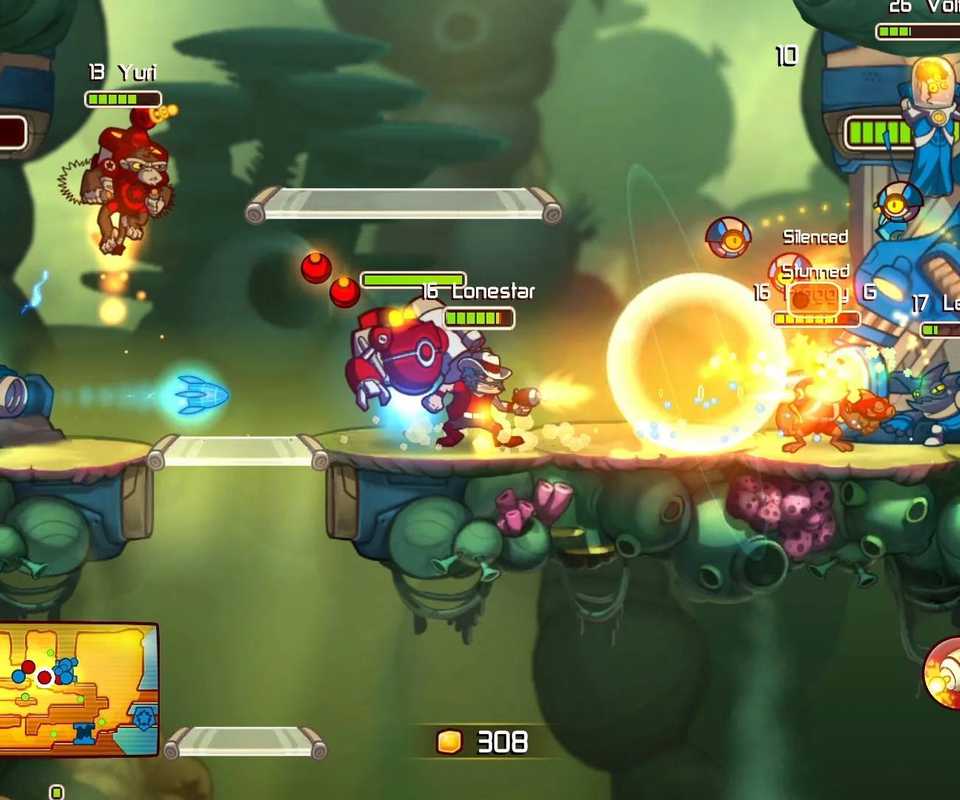
Awesomenauts is a sci-fi, side-scrolling MOBA that took the gaming world by storm back in 2013, delivering fast-paced and satisfying PvP action in a format that was fairly untapped in the wider genre. Choosing from a diverse cast of space cowboys and anthropomorphic frogs, you and your team had to battle it out across multiple layered lanes, taking out neutral camps and using some pretty stylish abilities to push your advantage.
One of the things that I and many others loved about the game was the diversity in builds. You could take a supportive character like Voltar and build him like a carry or become a crowd-control nightmare with Leon, but as fun and entertaining as the matches were, they are now nothing more than a distant memory.
Heroes of Newerth
Loved But Still Forgotten
Details:
- Intensely competitive MOBA experience
- Enormous hero roster gave veteran players a huge curve of depth
- Kept alive through Heroes of Newerth Reborn, but the original game is dead
Heroes of Newerth emerged directly from the popularity of the original DOTA mod, attempting to provide a standalone version of that hardcore experience. Its gameplay was fast, punishing, and mechanically demanding, making it particularly appealing to players who wanted a competitive MOBA that rewarded precise execution and deep game knowledge, on top of the same fundamental tenets that defined the genre.
Although HoN never reached the enormous mainstream audience of League of Legends or Dota 2, it developed a passionate community and became one of the defining MOBAs of the genre’s early years. The eventual decline was largely overshadowed by the success of its bigger competitors, but I think that it remains one of the clearest examples of a genuinely excellent MOBA that could have become a mainstay in the space if things had been managed just a little better.
Paragon
Who Says Shooters Can’t Be MOBAs?
Details:
- Third-person, visually impressive experience
- Vertical maps created far more intense engagements
Paragon was arguably one of the most technically impressive MOBAs of its era, built with Unreal Engine 4 and featuring far more complex visuals than its competitors. Combining the tactical structure of a traditional MOBA with third-person action, you were thrown into enormous arenas where positioning and verticality played a very important role, and many people who had never touched the genre suddenly had a reason to give it a try.
The game’s progression system also attempted to rethink traditional itemization by letting you customize your heroes through a series of cards that altered statistics and abilities, creating considerable room for experimentation that came with a decent learning curve as well. Unfortunately, the game struggled to establish a sustainable audience, and Epic eventually shut down the game in 2018; while you can still enjoy the same feel from the spiritual successor, Predecessor, the original is gone forever.
Gigantic
Hero Shooter Meets MOBA
Details:
- More accessible to new players
- Objective-focused matches
- Current average Steam players (Gigantic: Rampage Edition): Around 20
There have been many attempts to blend shooters and MOBAs, and Gigantic was one of the most ambitious. The scale of the maps was the biggest draw, as suddenly you could have people fighting in the skies or sniping from miles away, all fighting to take down the Guardian on the other side of the arena.
To add to the size of the maps came a need to learn mobility and different skills that would allow you to move and fire at the same time, regardless of whether someone was rushing you or if you were taking the fight to them. Despite receiving a revival years after its original closure, it remains an obscure game in the space that I still believe has some genuinely creative ideas that exist nowhere else.
Dawngate
Far From Conventional
-
A collection of heroes in key art for Dawngate -
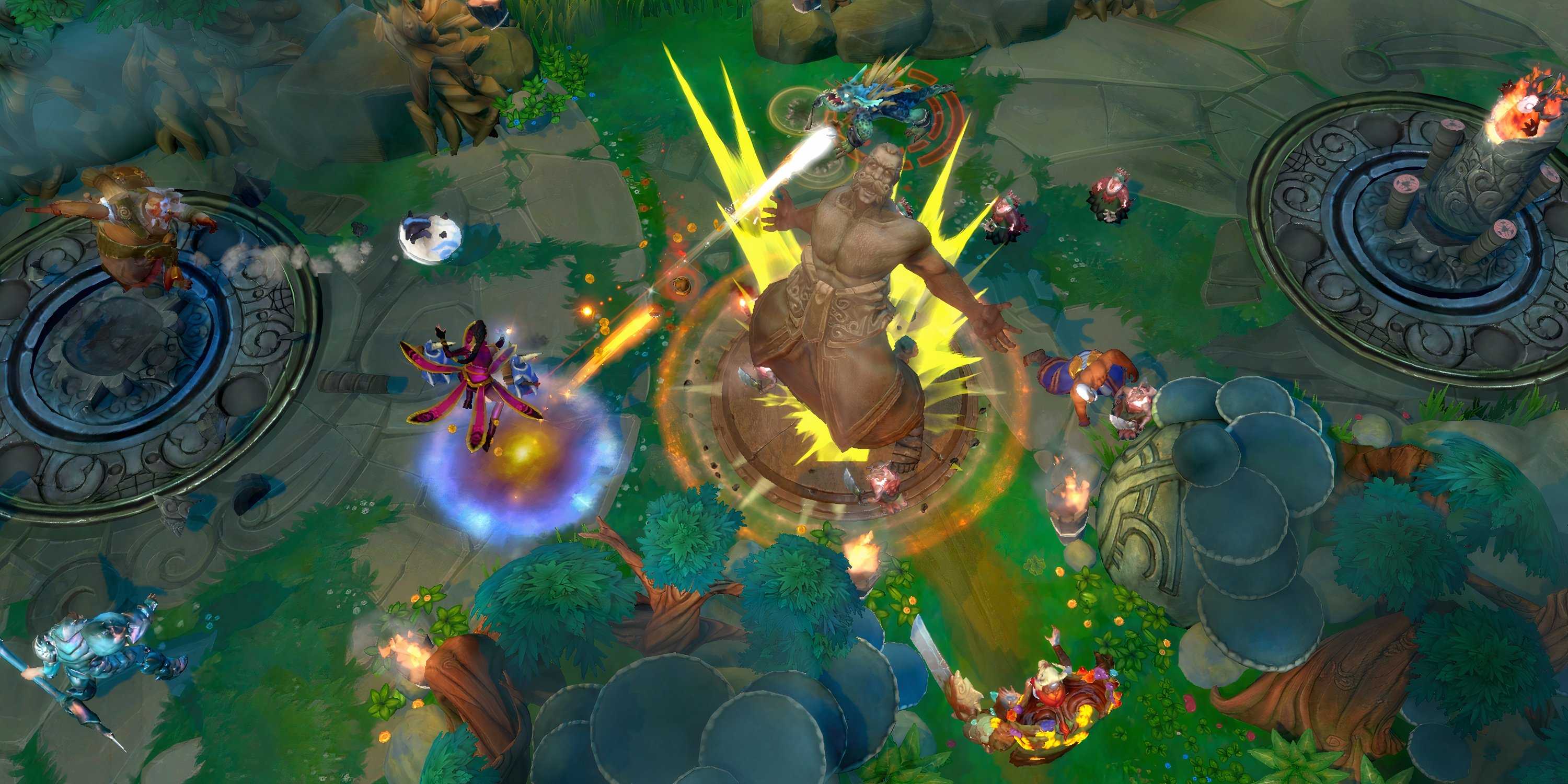
Beta gameplay for Dawngate -
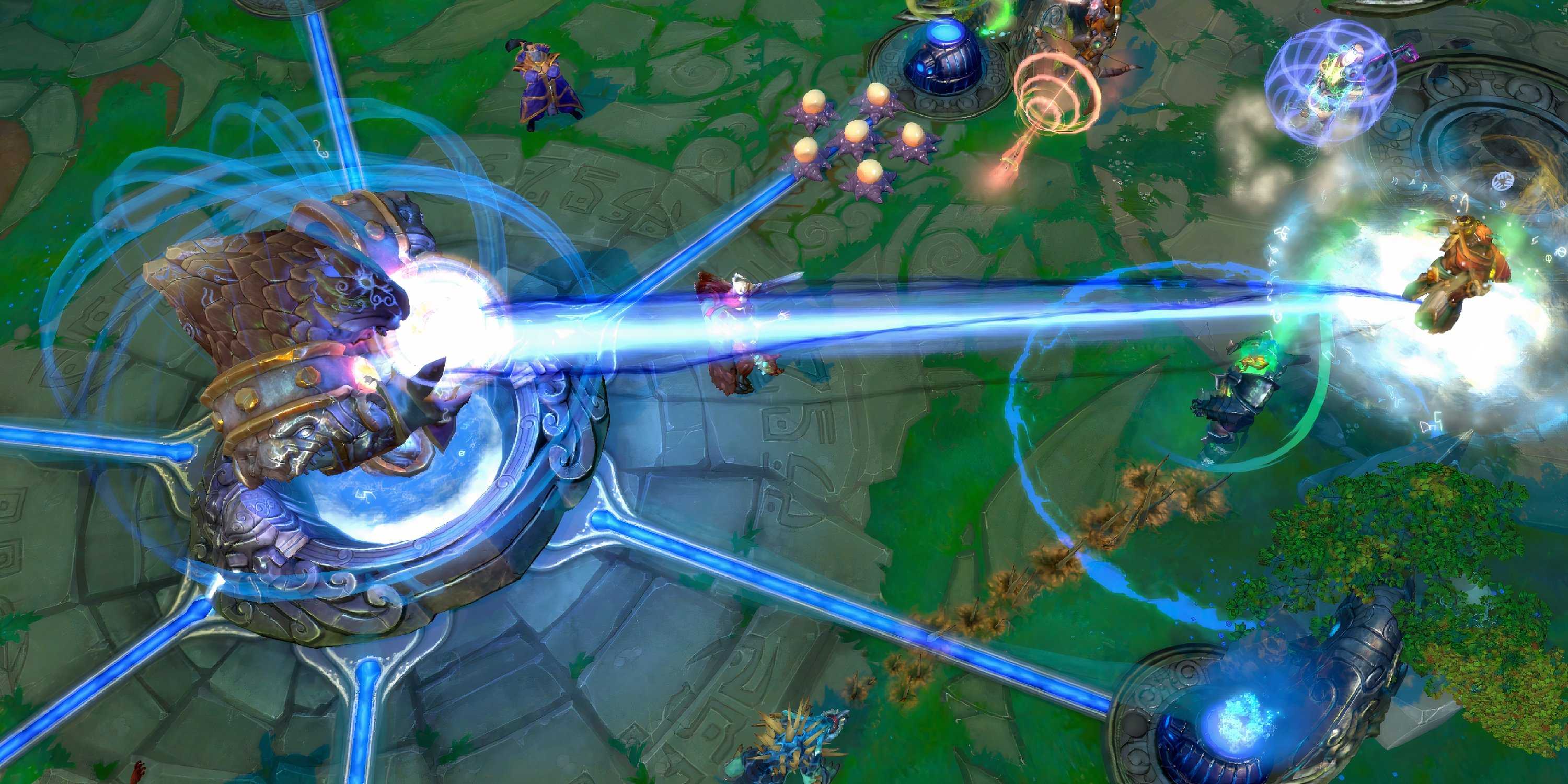
Beta gameplay for Dawngate

Details:
- Experimented with conventions rather than copying them
- Characters drove the gameplay
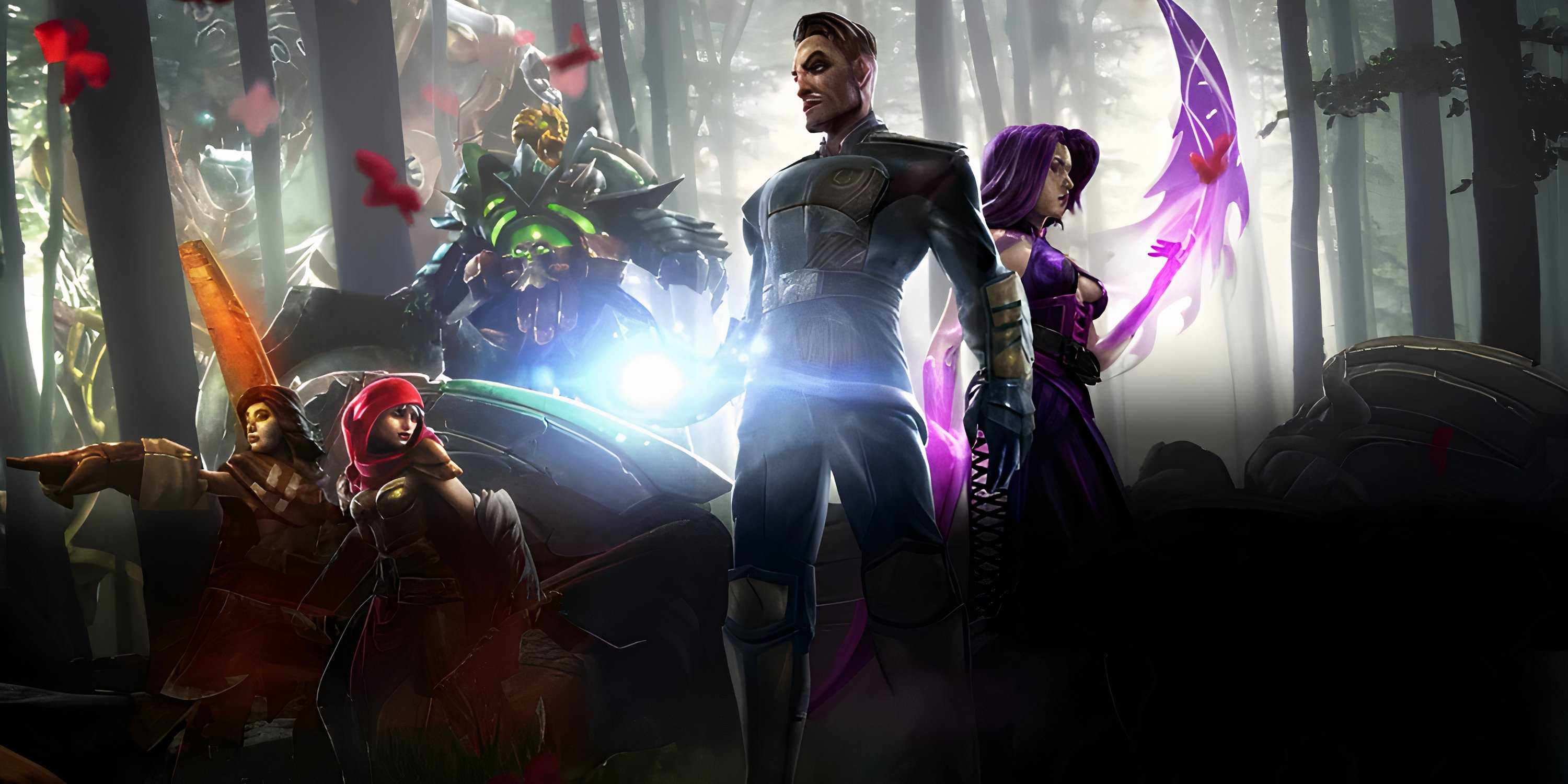
Dawngate entered an increasingly crowded MOBA market with several ideas intended to distinguish it from the competition. Its Shapers functioned as traditional heroes, but the game experimented with different roles, resource management, and lane dynamics in ways that gave matches their own identity separate from the bigger names.
Unfortunately, that vision never had enough time to mature. EA shut down the game after only a relatively short period in open beta, leaving behind a MOBA that many players remember for being unafraid to try new things and challenge the norms, even if it ended up failing in the end.
DOTA
Where It All Began
Details:
- Built the foundations of the genre
- Huge strategic depth unlike anything else at the time
Before Dota became a standalone franchise, it existed as a Warcraft III custom map that fundamentally changed PC gaming forever. Defense of the Ancients took elements from real-time strategy games and combined them with hero-based progression, introducing the world to a blueprint involving lane pushing, itemization, and team fighting that countless MOBAs would follow in the years to come.
What makes the original Dota so impressive is how much strategic depth emerged from relatively simple foundations. Every hero brought different abilities, while items and team composition created an enormous number of possible strategies, something that existing Warcraft III players instantly gravitated to. Its influence is practically impossible to overstate, with much of the modern MOBA genre directly descended from ideas established by the mod, which may have fallen out of the mainstream, but will go down in history as one of the most important experiments in gaming history.