

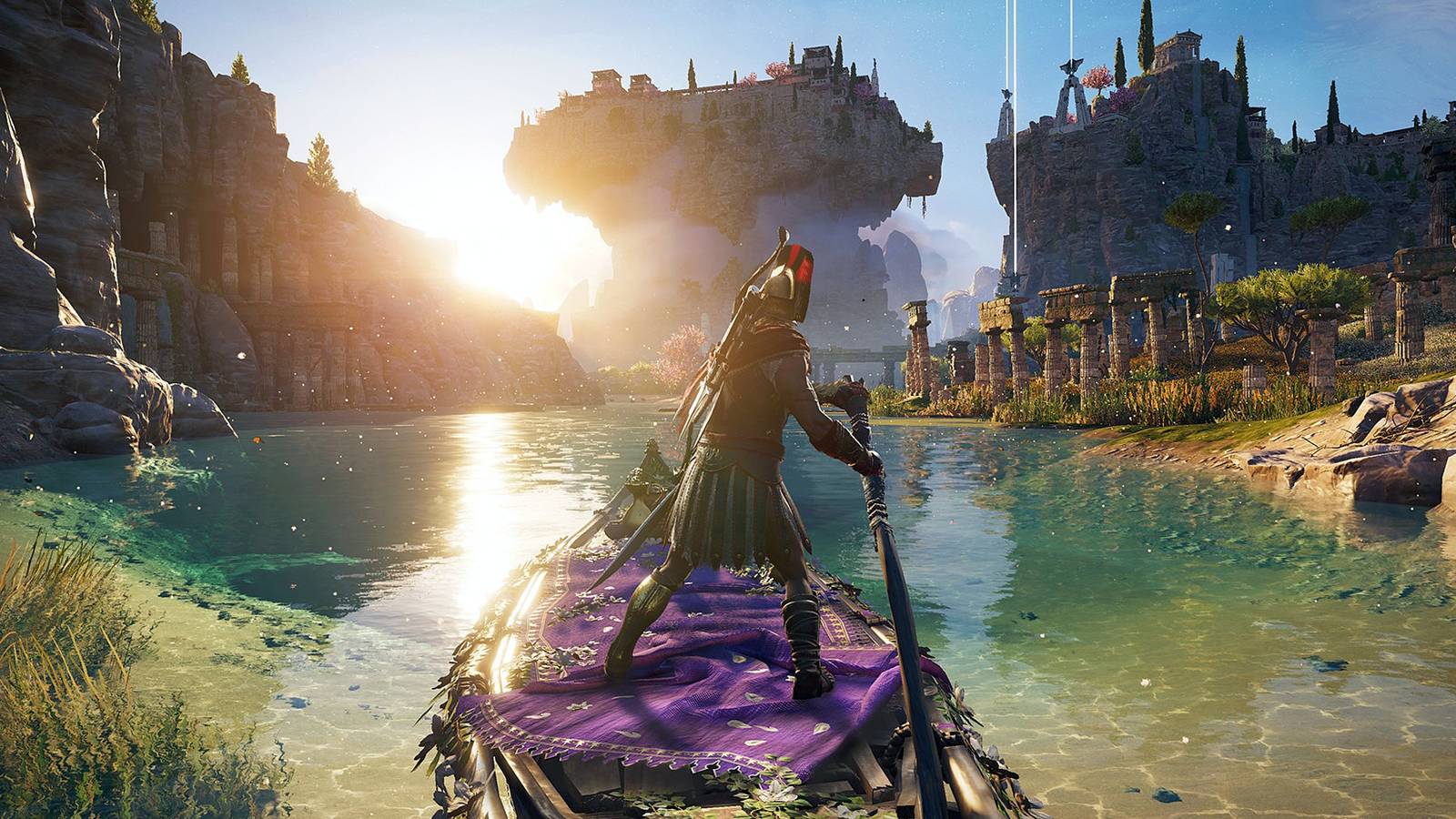
Who doesn’t love discovering a game that is completely ruthless with your spare time, in a good way? Launching Steam just to browse the endless list of games in your library, or booting up your console only to scroll through the Game Pass catalog, can be a strangely fun gaming routine of its own, but it’s when a game truly clicks with you and makes you forget to eat, sleep, or do your chores that you can happily claim, “Yes, this is what gaming is supposed to be.”
The games below are exactly that kind. They might not be the longest in the genre, but once you get comfortable, they create an absolutely unstoppable gameplay flow. Whether it’s the constant distractions scattered across their worlds, a stream of never-ending quests and assignments that just have to be completed right now, or an undiluted sense of adventure and desire to see what’s out there, be cautious when launching these titles on a strict schedule.
Cyberpunk 2077
This City’s Always Got a Promise for You, and It Keeps You Going
Even when trying to avoid the most obvious suggestions for topics like this, Cyberpunk 2077 is one of the inescapable suspects. Despite being almost six years old, thousands of players launch the game on a daily basis on Steam alone, a true testament to how alluring and unlike anything else CDPR’s world and characters have become. At its core, Cyberpunk 2077 is pretty similar to The Witcher 3, so it’s a fine example of not breaking what already works and pulls you in so tightly.
Following its lengthy prologue, Cyberpunk 2077 really starts opening up, unlocking more and more map activities, side quests, assignments, fixer gigs, and who-knows-what-else. It can be nearly impossible to stick to the goal you set for yourself just ten minutes earlier, as a sudden phone call or random encounter can knock those plans sideways in an instant. Then there’s the distinct futuristic city and its surroundings, which never grow stale to explore and chart.
My Time at Sandrock
Probably Has “Time” in Its Title for a Reason
An excellent change of pace from the combat-heavy entries in this lineup, My Time at Sandrock lets you constantly bounce between gathering materials, exploring ruins, fulfilling commissions, expanding your workshop, restoring the town, and even developing relationships. With its signature sandbox flow, where each completed task somehow feeds several others, time flies by extremely fast in Sandrock. Better yet, it offers enough content to remain engaging for well over a hundred hours.
While My Time at Sandrock’s RPG-lite adventure is much more about the process than the end goal, and grinding definitely plays a huge part in that, there’s a huge range of distinct activities and mini-games that let you stick closely to whatever you enjoy most. Fans who have already done everything they could in Portia and Sandrock will soon be able to start all over again in the upcoming My Time at Evershine.
Tom Clancy’s The Division 2
Too Many Activities to Clear, Too Much Loot to Process
-
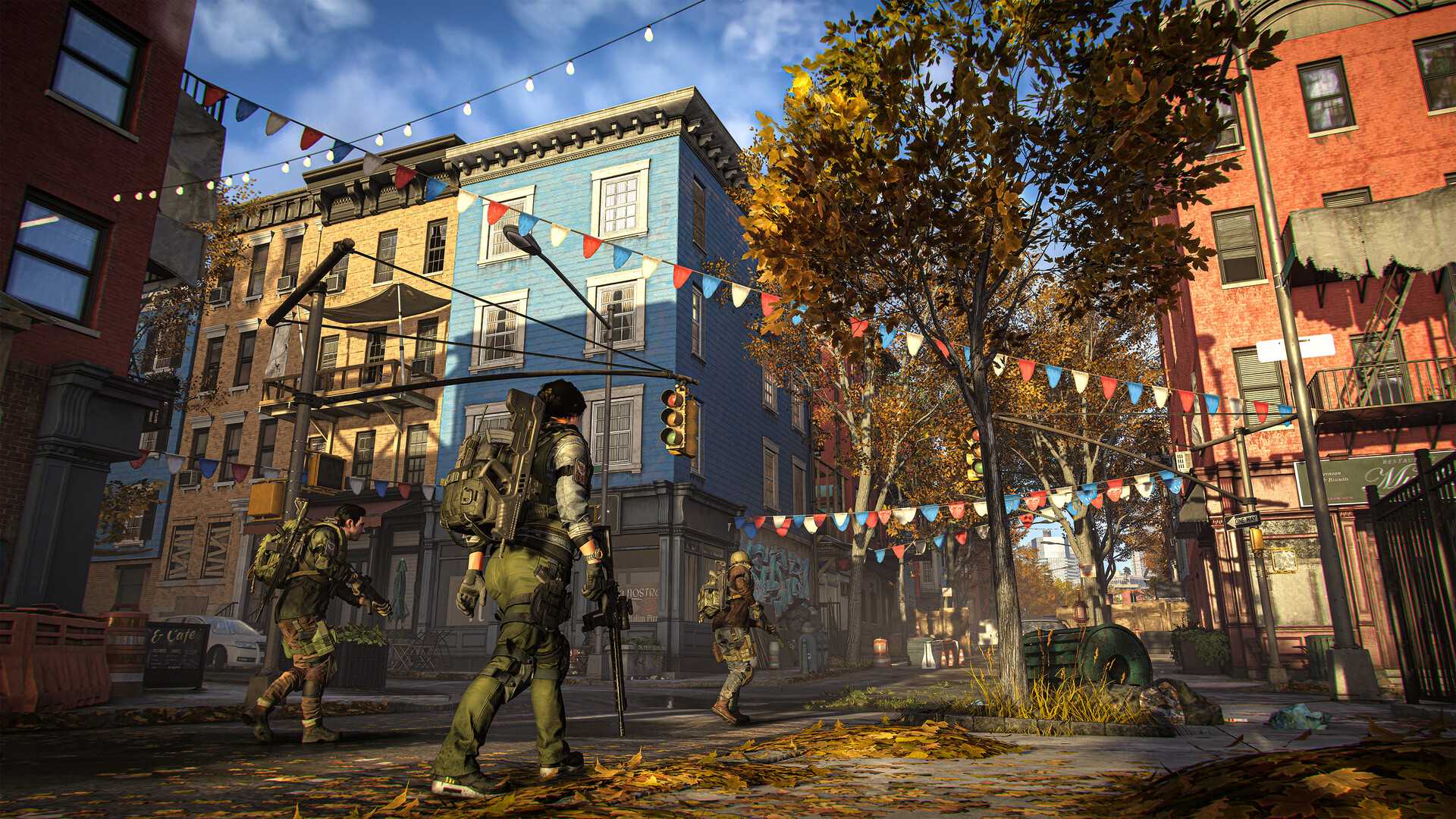 Image via Ubisoft
 -
 Image via Ubisoft
 -
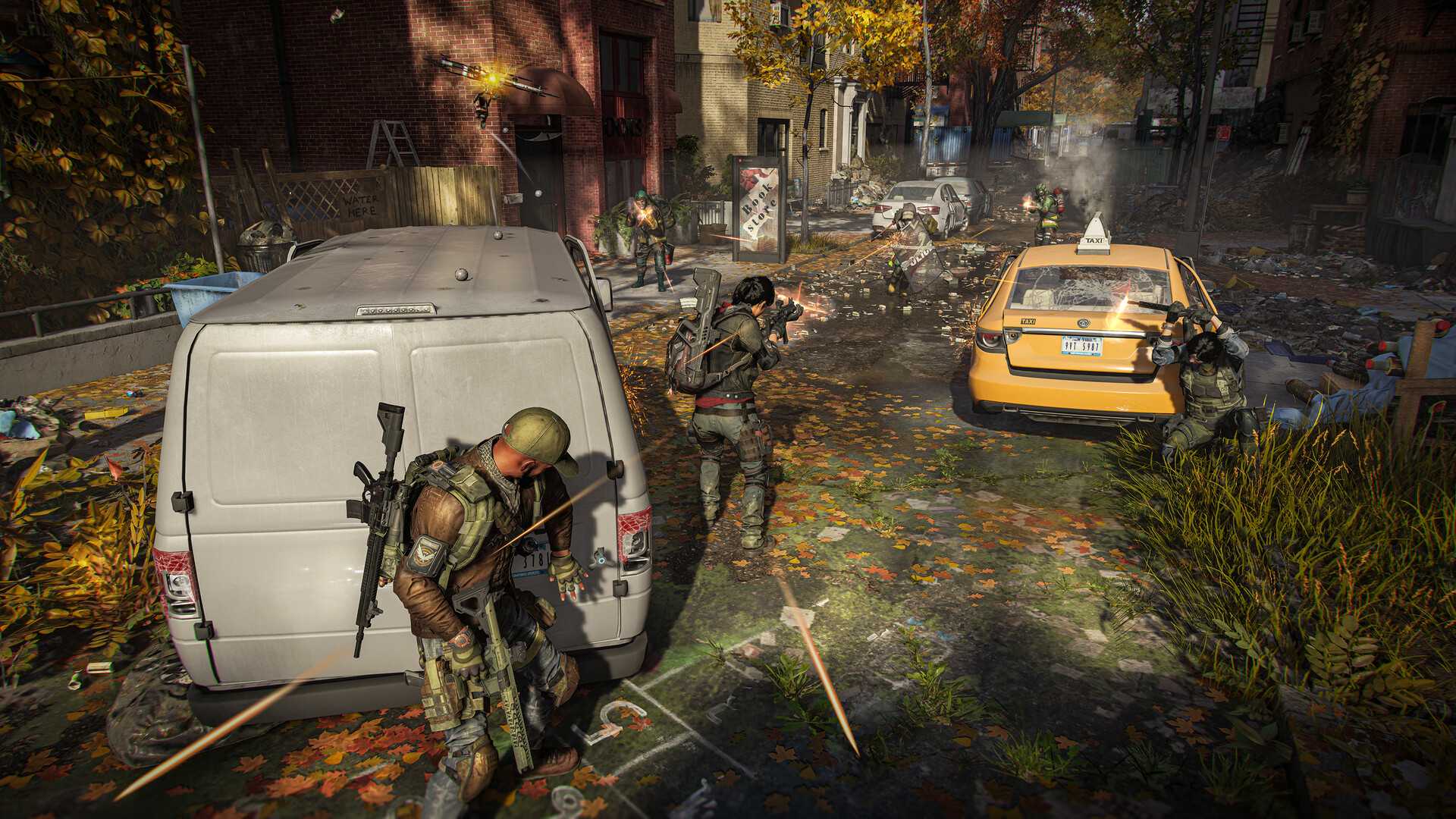
In the realm of open-world tactical shooters-slash-RPGs, The Division 2 is still unmatched, achieving an irresistible flow between free-form world exploration, daily and weekly challenges, story and quest progression, and countless projects you can tackle solo or with friends. Its relatively compact map is cleverly designed to keep you wandering for hours, stumbling upon events and activities that feel natural and alive. Tinkering with gear, weapons, and skills through mods and attachments, or simply refining your appearance, adds another layer that can be extremely time-consuming.
For a looter-shooter with so many moving parts, a vast seamless map packed with secret, hard-to-reach areas, and numerous game modes, The Division 2 also offers surprisingly rich story missions. Each is distinct, set in a separate area or iconic landmark of Washington, and constantly throws new tactical challenges at you. After the memorable and lengthy campaign, though, the true fun only begins. The game’s endgame still sets a high bar for the entire genre, and Ubisoft’s support shows no signs of stopping.

Find all 10 pairs
Find all 10 pairs
Regular Cover ArtClean Cover Art
Assassin’s Creed Odyssey
Truly Deserving of Its Timeless Name
Blurring the line between open-world ARPG and adventure, Assassin’s Creed Odyssey remains at the top of its game thanks to a near-perfect blend of every vital element. The world of Ancient Greece is vast, beautiful, and authentic; the combat is accessible but deep enough to remain engaging; and the never-ending stream of loot constantly offers stunning new outfits and powerful weapons to test. AC Odyssey is still perhaps the most varied and irresistible entry in the series once it gets its hooks into you.
There’s a perfect flow of activities and changes of pace throughout Odyssey‘s campaign. Ten minutes ago, you were trying to clear a fortress stealthily; now you’re caught in a massive battle between armies, only to jump aboard the Adrestia and spend the next 20 minutes sailing toward another island while fighting naval battles along the way. The game’s dynamic systems, such as the ever-changing war for territory, randomized quests, and its Nemesis-inspired mercenary system, keep that momentum going beyond the story and the hunt for members of the Cult of Kosmos.
Sacred Gold
The Forgotten Open-World ARPG Classic for True Adventurers
Old but gold, quite literally, Sacred is a classic from a 20-year-old era of gaming that can still work its magic today. One of the first Diablo-like ARPGs to feature an enormous, seamless open world where you are free to go wherever you want right from the start, Sacred offers an old-school journey through familiar yet distinct fantasy locations, cutting through hordes of enemies along the way. As you explore the stunningly beautiful world of Ancaria with several classes (including a demon or a vampire), either on foot or on horseback, be prepared to take enormous detours at every turn.
Sacred’s world can be arrestingly compelling and rich. From several large towns where you can stumble upon countless side quests from residents to enormous, completely optional areas you were never even meant to find after following a small trail an hour ago, the game lets you abandon its main story for dozens of hours. You might end up hunting dragons or charting a path across the seamless desert instead. It’s a shame that later entries drifted too far from the already refined formula of the original, which in many ways remains unmatched.
Pillars of Eternity 2: Deadfire
Straight From the Pantheon of the Most Sprawling RPGs Ever
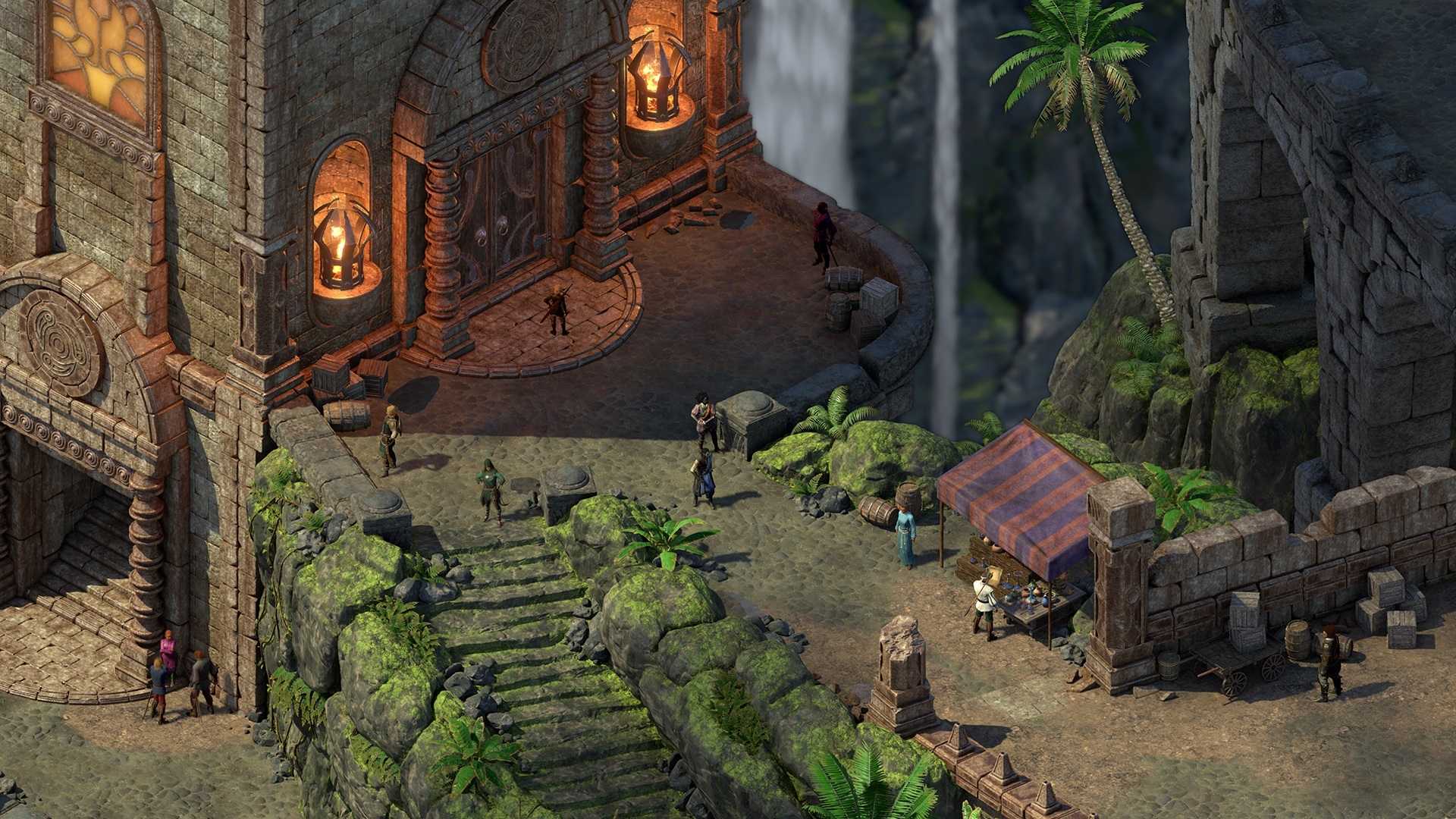
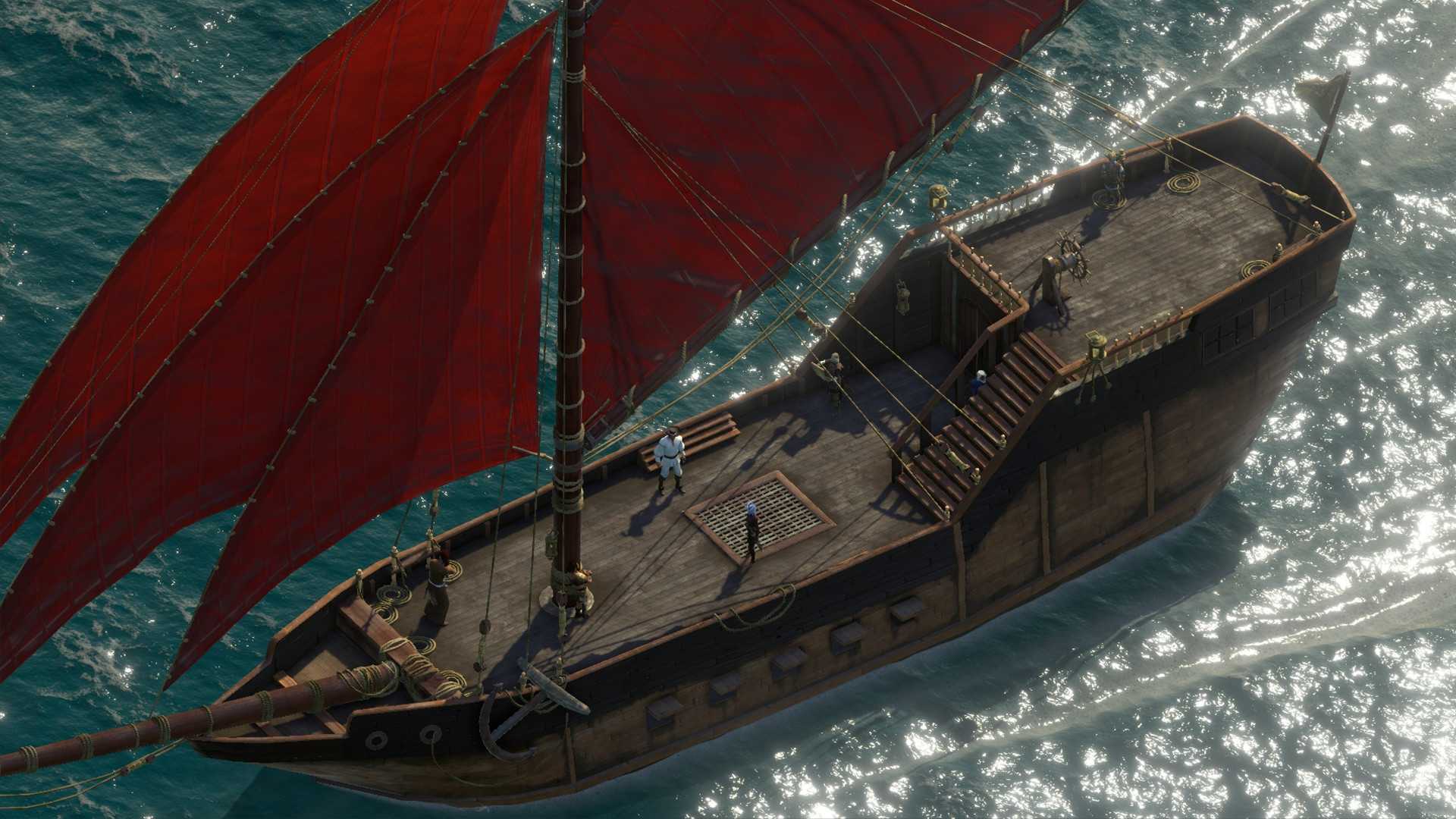
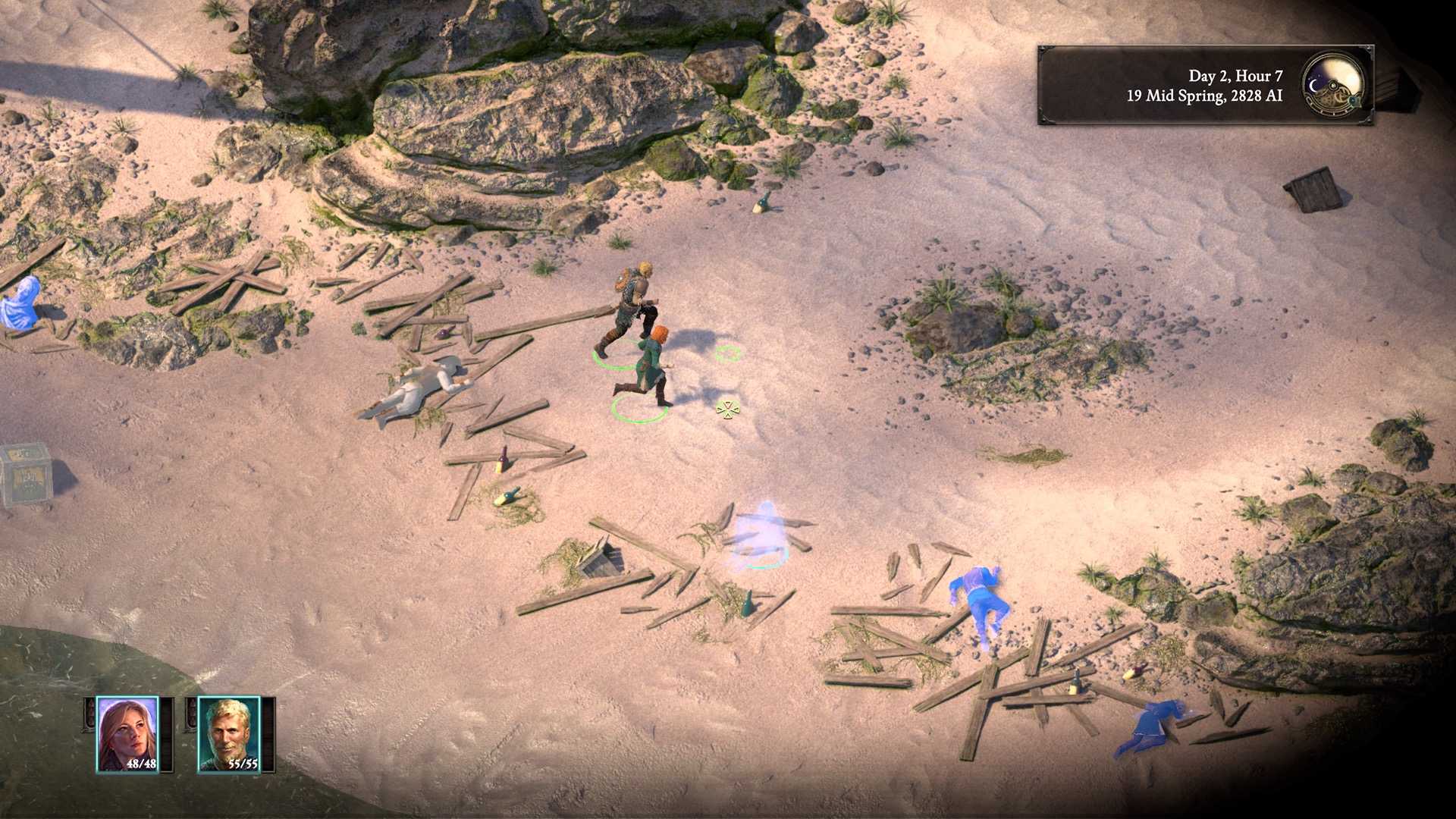
After the much more fragmented world of the original, Pillars of Eternity 2: Deadfire borrows just a touch of Assassin’s Creed Black Flag’s roguish charm. Its enormous archipelago is yours to explore aboard your own ship, whether you’re pillaging enemy vessels along the way, landing on uncharted shores, or visiting bustling, layered cities. The first few hours are worth spending learning every intricate system in Deadfire, because the reward is a sprawling RPG experience of the highest caliber: fun, deep, morally complex, and multifaceted enough to rival the best titles in the genre.
PoE 2 balances its mysterious, larger-than-life god-chasing premise with complex politics, cultural exploration, treasure hunting, and personal companion quests exceptionally well. It’s a true journey full of adventures that keeps moving at full sail throughout its enormous runtime, so sacrificing some sleep is almost unavoidable. For all that, Deadfire remains a largely underappreciated gem among Obsidian’s rich RPG offerings, and it simply can’t be recommended enough to any CRPG fan out there.