




Progression is a major part of any open-world RPG, and more often than not, it goes far beyond improving your stats or finding better equipment. Many games give you new ways to traverse the world, gradually open up regions, add crafting and building mechanics, or let you work toward so-called prestige classes. How a game handles that progression can make all the difference, especially when you’re dozens of hours in and the next milestone still feels worth chasing.
Each of the PS5 open-world RPGs below gives you a different reason to look forward to getting stronger, whether it’s an unusual way of leveling up, a chance to leave your mark on the world, or the satisfaction of developing an entire party. For this list, we’ll focus only on native PS5 releases, excluding open-world RPGs that are also available on PS4.
7
Mortal Shell 2
Just Need to Level This Tarstone…
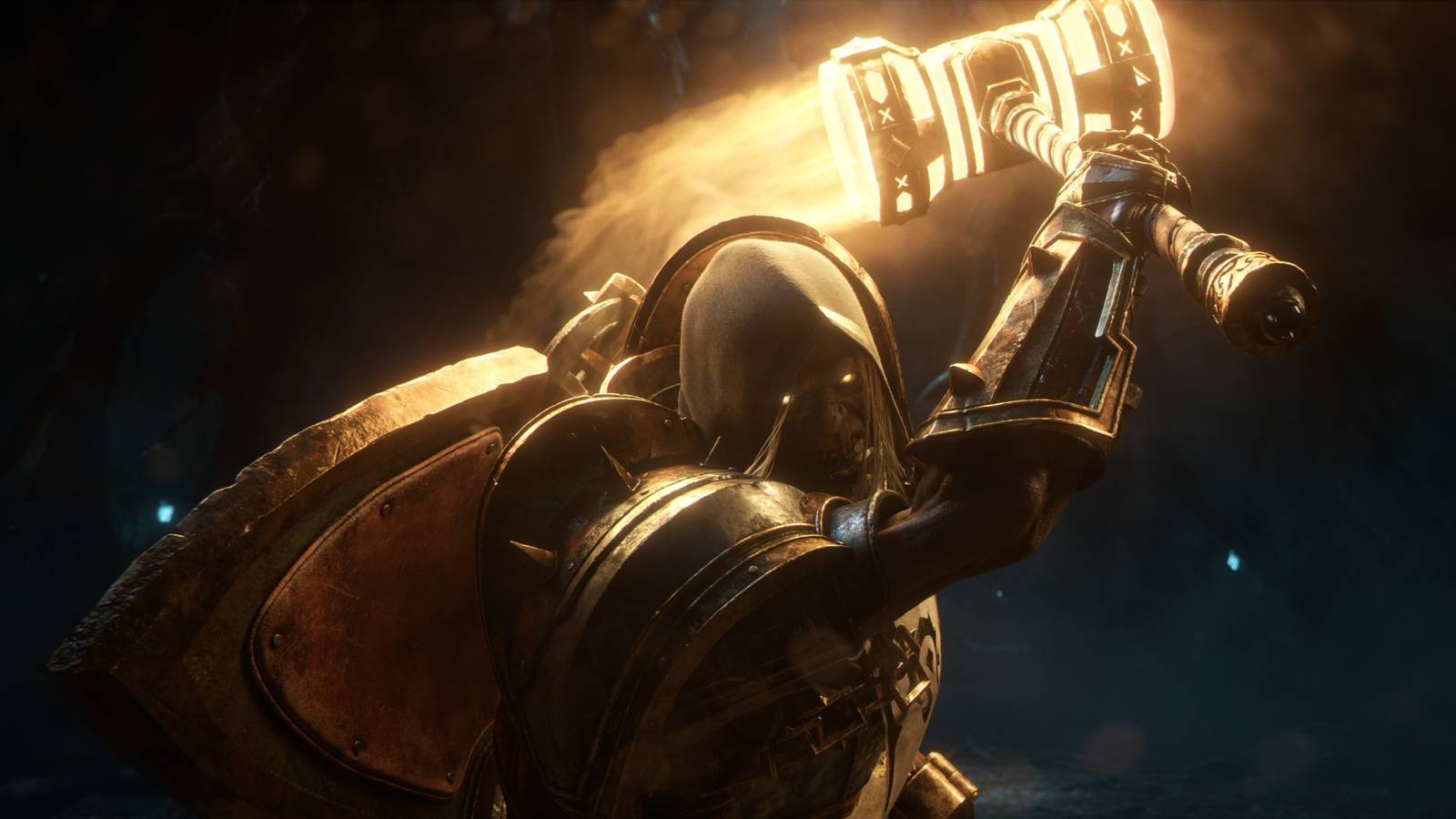
Mortal Shell 2’s most distinctive progression hooks are its class system and its Tarstones, which grant new passive and active abilities. In Mortal Shell 2, you can find entire classes out in the wild in the form of wearable shells, each with its own progression tree. The best thing is that when you get too comfortable with your current shell, you can slip into another one and try a different set of abilities.
Tarstones give you something else to actively work on in Mortal Shell 2. A stone gains experience as you slay enemies while it’s equipped, and once it’s ready, you can take it back to the forge for an upgrade. That makes finding a new Tarstone in a chest or dungeon only half the fun, as switching stones gives you a reason to keep experimenting with your loadout while making your favorites more powerful over time.
6
Final Fantasy 7 Rebirth
It Takes a World Tour to Bring This Party Together
-
-
-
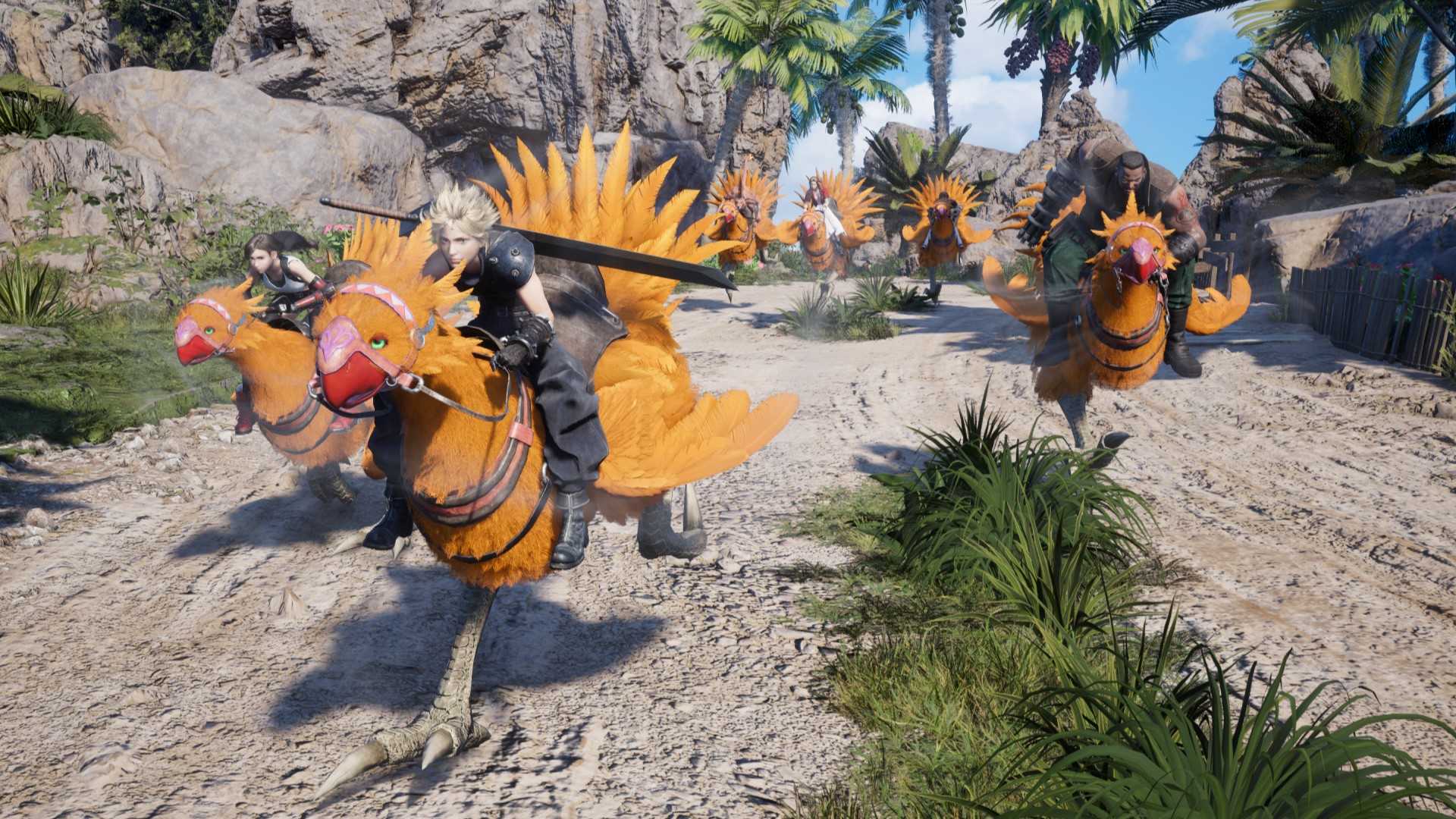


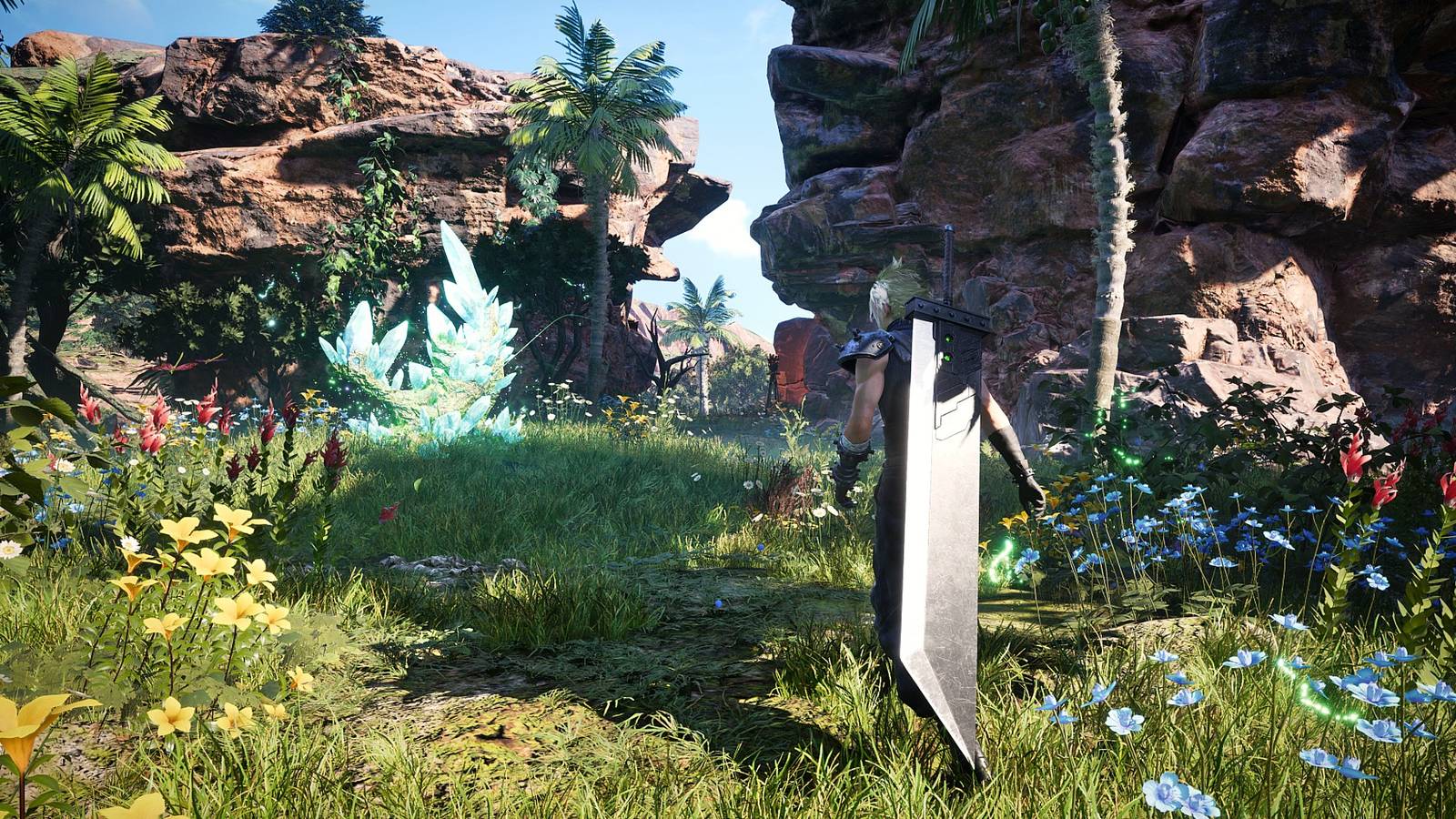
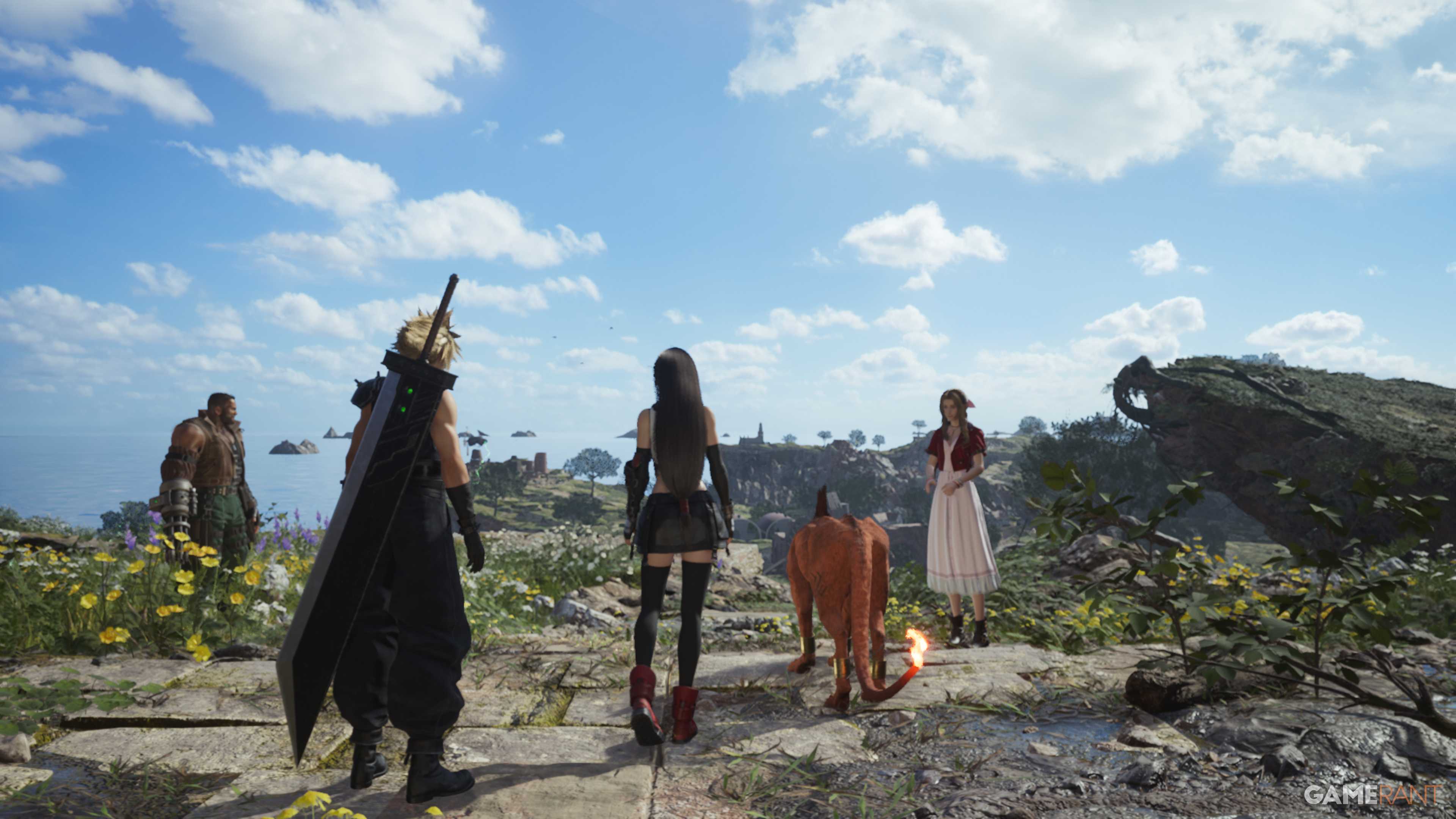
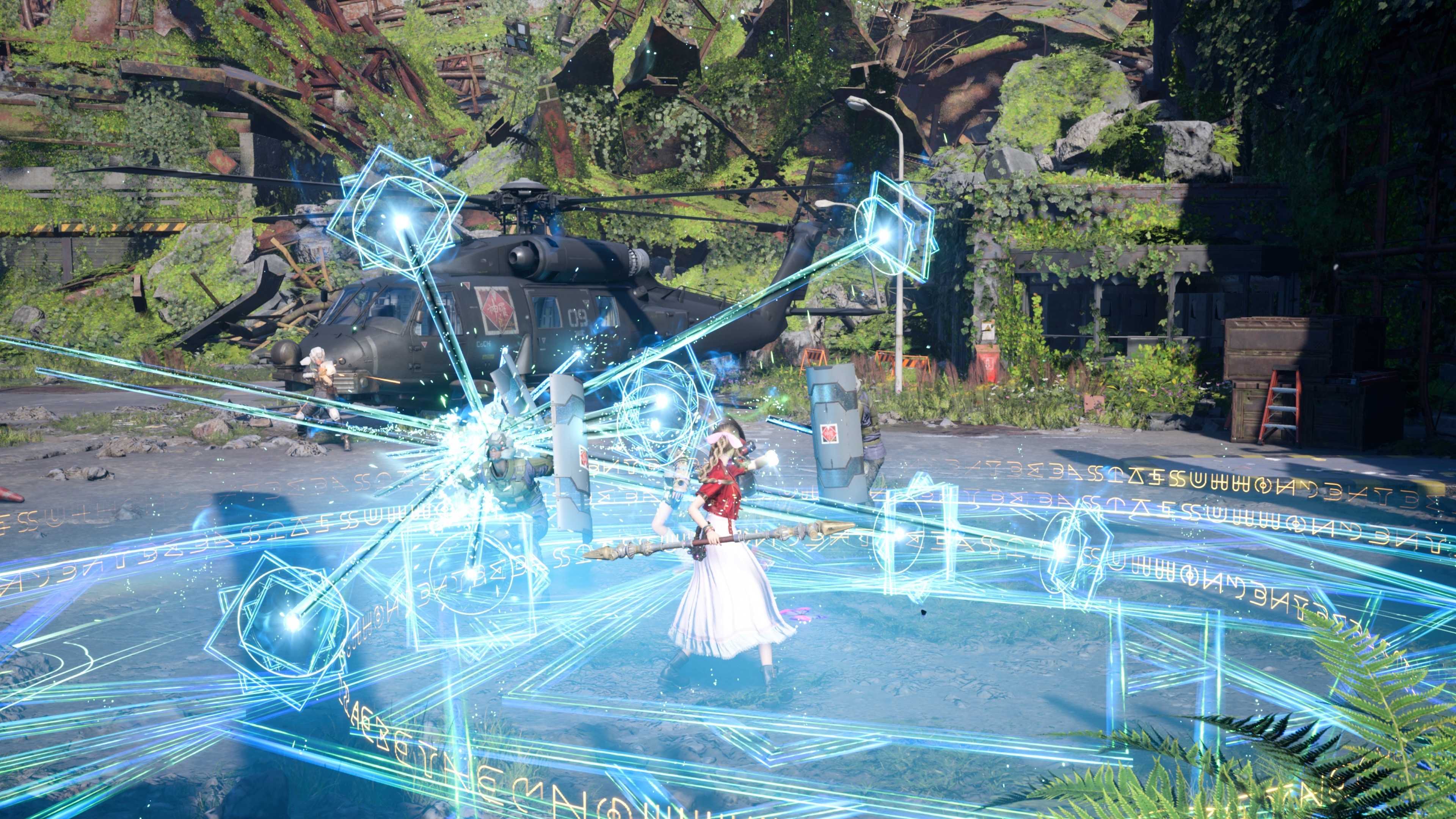
Final Fantasy 7 Rebirth stands as perhaps the strongest pick here for party-based RPGs, as individual characters and the party as a whole grow in different ways. Battles raise each character’s stats, while finishing quests and exploring the world help raise the party’s level, opening up abilities that two teammates can use together. If you tend to stick with your favorite companions for an entire game, unlocking a new attack for a pair you rarely use gives you a good reason to change who you bring into battle.
Outside of its party focus, there’s plenty to work on for each character, too. Use a weapon’s special attack enough times and the character learns it for good, so you can go back to your favorite sword and keep the new move. The magic you have equipped also grows stronger as you win fights, and you can pass it to another character if you’d like them to take over healing, for instance. Perhaps the best thing about Rebirth’s progression is how much of it happens naturally as you play.
5
Dragon’s Dogma 2
Exploration Is the Best Medicine
Like Mortal Shell 2, Dragon’s Dogma 2 gets much of its appeal from its flexible approach to classes, or vocations. Training in one can help you with the next, as ranking up opens new moves, and the passive perks you learn can carry over when you switch. And if one build isn’t enough to keep you busy, your main pawn has a build of their own, leveling up and training alongside you.
Dragon’s Dogma 2’s exploration pays off in lasting ways, too. Quests and the people you meet can open up additional vocations, hunting monsters and camping help your pawn learn more about the world, and tracking down a Maister can earn you a signature move for your chosen class. The recent Dark Arisen expansion gives fans of the base game even more to chase, from hunting relics in Norgan for a shot at equipment with built-in skills to finding and clearing the Lost Rites dungeons.
4
Monster Hunter Stories 3: Twisted Reflection
Even the Wild Grows With You
First things first, Monster Hunter Stories 3: Twisted Reflection is more of an open-zone game, but its separate regions are huge enough to count here. What’s more important is the game’s unusual approach to changing entire ecosystems by releasing Monsties into the wild to establish a population. Over time, this improves the eggs you can find there. Return to the same region later and you might hatch a monster with a second element thanks to the work you put into restoring its habitat.
Of course, before you can release any Monsties, you’ll need to do some egg hunting and hatching of your own. Hunts also help you build up your gear, providing monster parts to forge and upgrade weapons and armor. Hunting is only one part of MHS 3’s appeal, though. Companion stories strengthen your allies, Trade Points can be spent on item recipes and talismans, and choosing which weapons and skills to bring gives you room to get creative with your own combat build.
3
Enshrouded
A Stronger Flame Takes You Farther
-

-

-

Enshrouded arrived on PS5 just a month ago, but it’s already established itself as a must-play open-world RPG for fans of crafting, survival mechanics, and free-form gameplay. As you’d expect from the genre, keeping up with the different progression systems matters, since a better-equipped base and a little preparation can take you much farther into the world. Materials gathered from each biome and trophies earned from bosses let you strengthen your Flame, giving you more time in the Shroud and access to areas that were previously too dangerous.
Rescuing craftspeople expands what you can make back home, opening up entire crafting chains for better gear, tools, and food. Your character grows alongside your base, with both leveling up and clearing Shroud Roots earning you skill points for combat, movement, and survival. Grappling hooks and gliders extend your reach even farther, and even something as simple as unlocking a fast-travel point pays off when you’re back home planning your next adventure.
2
V Rising
Each Boss Builds Your Vampire Empire
V Rising has one of the most satisfying progression loops of any open-world RPG on PS5. Blending different schools of magic with a robust lair-building and decorating system, the game offers a real sense of how much you’ve achieved over the course of the adventure. Defeating a boss can unlock a new spell or a workstation for your castle, and the better gear you craft there raises your level and prepares you for the next hunt. You can even turn humans into servants and send them on missions to bring back supplies.
V Rising also gives you plenty of room to customize your combat options through weapons and spell jewels. Eventually, the Fusion Forge lets you combine jewels for the same spell and keep the effects you like from each, making a lucky find worthwhile even late in the game. Then there’s the cozier side of designing your hideout across multiple floors, rooms, and decorative themes. By the end, you’ve built an entire vampire empire, and how grand you want to make it is up to you.
1
Gothic 1 Remake
From Nobody to Somebody, the Hard Way
The Gothic series established a signature approach to open-world RPG leveling that Piranha Bytes and other developers have built on ever since. Gothic 1 Remake is a prime example of a game where you start out genuinely weak, struggling even against the Colony’s lesser creatures. To put the Learning Points you earn to use, you have to find someone willing to teach you the skill you want, often with a bit of ore to pay for the lesson. It’s hard to imagine a more grounded and convincing way to get better at something in an RPG.
Each new ability changes what your character can actually do, making a lesson feel like a milestone in its own right. Strength lets you equip heavier weapons, while weapon training changes how you swing, parry, and chain attacks. Beyond combat, practical skills, and magic, your standing within your faction in Gothic is perhaps even more important. A promotion can mean better armor, new quests, and access to the very trainer you’ve been looking for, so earning respect in camp can change how well you fare the next time you venture outside it.