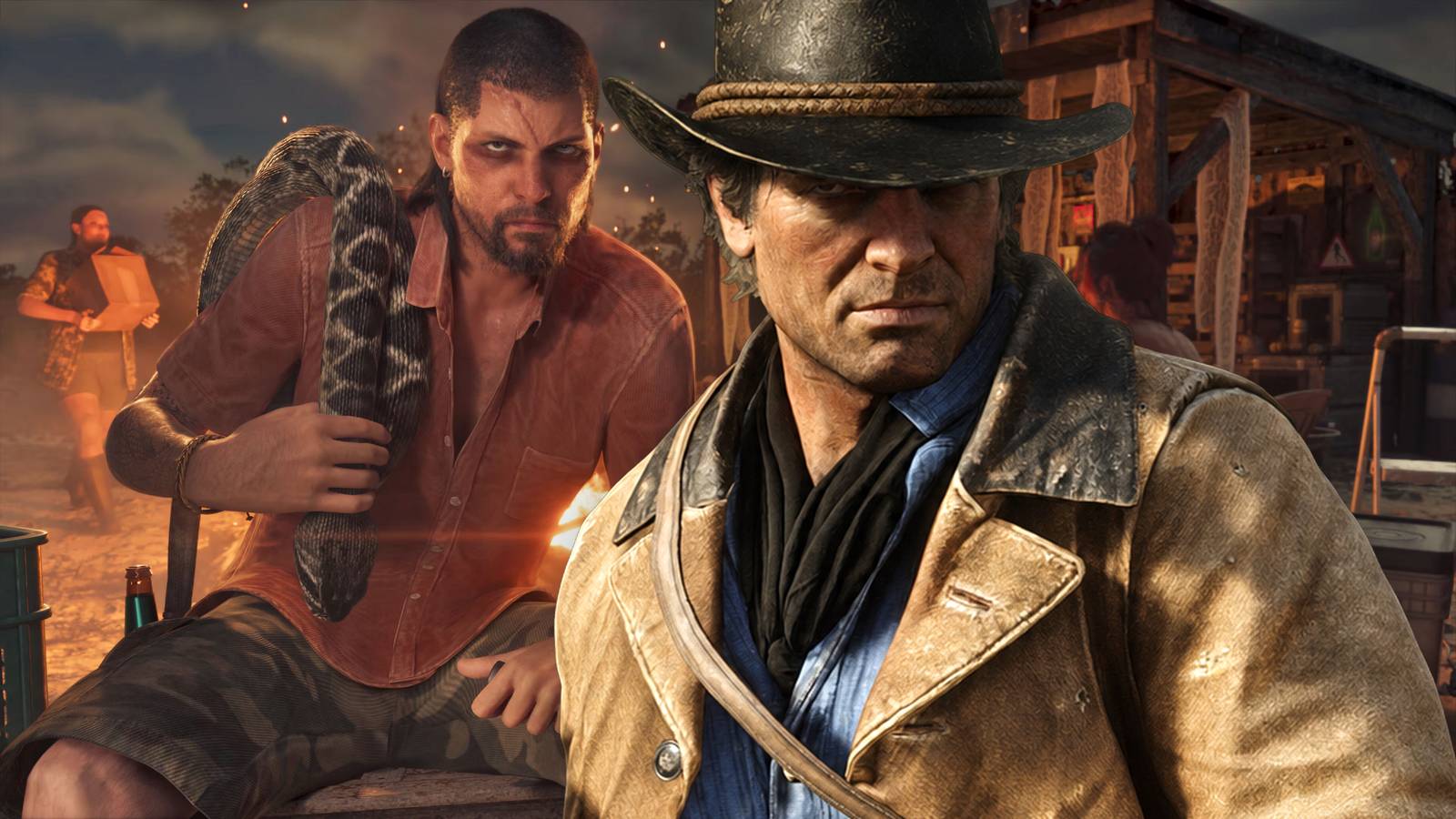









Morals don’t need a seat at the table for most games, but a morality system can elevate a good RPG to greatness, all the while presenting a simple replay option since you can just go for the opposite alignment. Are you a hero who helps little old ladies cross the street and rescue cats from trees? Or are you the devil? Most of the time, both routes are attractive and worth walking.
Now, I know that labeling anything as “perfect” is a stretch, but these RPGs handle this metric about as well as you could reasonably expect from a game. They not only let you be your best or worst self, but they let you sit somewhere in the middle, adopting a shade of grey instead of angelic white or pitch black.
7
Mass Effect Trilogy Keeps Shepard’s Morality Consistent
Compared to Tyranny or KOTOR 2, Mass Effect’s binary morality system isn’t particularly complex, with the first two games tracking your Paragon and Renegade. The former identifies with an idealistic and diplomatic Commander Shepard, while the latter measures their ruthlessness. Mass Effect 3 simplified things a bit by swapping in a Reputation bar, which allows you to mix Paragon and Renegade traits a bit more freely.
Honestly, the main thing that sets Mass Effect apart from the crowd is the fact that Shepard’s morality carries over throughout the trilogy, allowing for a cascade of consequences that spread from the first entry to the last. Otherwise, the system isn’t extremely deep, and the games even let you know which dialogue choices fit Paragon or Renegade.
6
Kenshi Has No Room For Traditional Morals
-
-

-


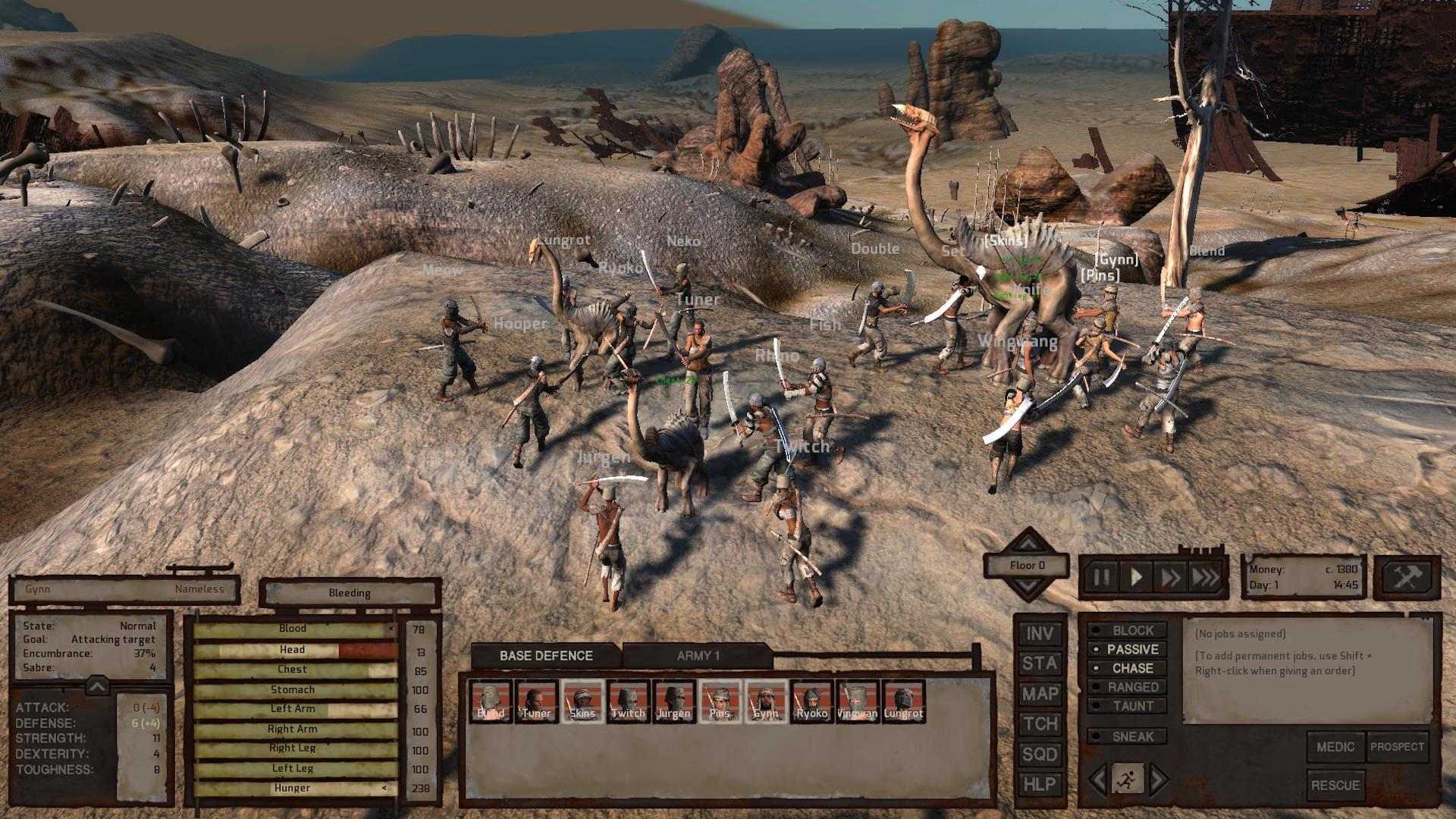
For the most part, this article focuses on RPGs with alignment meters and dialogue choices that clearly push you in one direction over the other, but Kenshi isn’t one of these games. Honestly, you could argue it doesn’t have a morality system at all, at least not a traditional one. Set in a wasteland that is basically Mad Max, Kenshi throws you into the deep end with basically nothing to your name and, more importantly, no goal. You just need to survive, and it’s up to you whether you thrive and what that looks like.
Built around emergent gameplay, the game never judges you as being good or evil, opting to allow the world to change depending on your actions and who you decide to be. Each faction has its own laws that determine what a crime is, and you could end up with a regional Bounty if you break them. There is no right or wrong way to do anything; instead, you decide your own morals by picking which faction you really want to destroy or take over as quickly as possible.
5
Fable Embraces Stupidity, And I’m Not Complaining
-

-

-


I left Fable off the initial draft of this article, as its morality system lacks the nuance of the other games in this list. While handled a bit differently in all three games, Fable presents the most cartoonish take on this system imaginable, where you are either a walking angel or a devil, and I mean that literally. The original game doesn’t tie your alignment to any meaningful story choices either, although it lets you get really silly with it.
Fable 2 introduced Purity and Corruption as a metric separate from traditional Good/Evil, essentially letting you be a world-saver who is still a truly awful person. For all its flaws, Fable 3 actually has the most interesting morality system in the series, which comes together very nicely in the final act when you reign as King and must decide what type of ruler you are. “Perfect” doesn’t have to mean “deep” or “complex”; in some cases, absurdly fun and memorable are enough.
4
KOTOR 2: The Sith Lords Perfects Star Wars’ Morality
-

-

-

Gameplay screenshot of Star Wars: Knights Of The Old Republic – The Sith Lords with the Restored Content Mod


Star Wars might very well have the most famous morality system in fiction: Light and Dark. Most Star Wars games don’t do much with this concept, but Knights of the Old Republic is built around it. Despite being arguably the weaker of the two games, KOTOR 2 features a slightly better example of this type of mechanic, and it revolves entirely around your companions.
Naturally, players get to decide whether they prefer the Light or the Dark, and their choices directly impact how other characters see them. Each companion comes with a hidden Influence metric that shifts depending on whether they approve of your actions, and both extremes are viable paths. If executed wisely, you can even change a companion’s alignment to match your own, unlocking their prestige classes in the process.
3
Fallout: New Vegas Lets You Become Famous
-
-
-


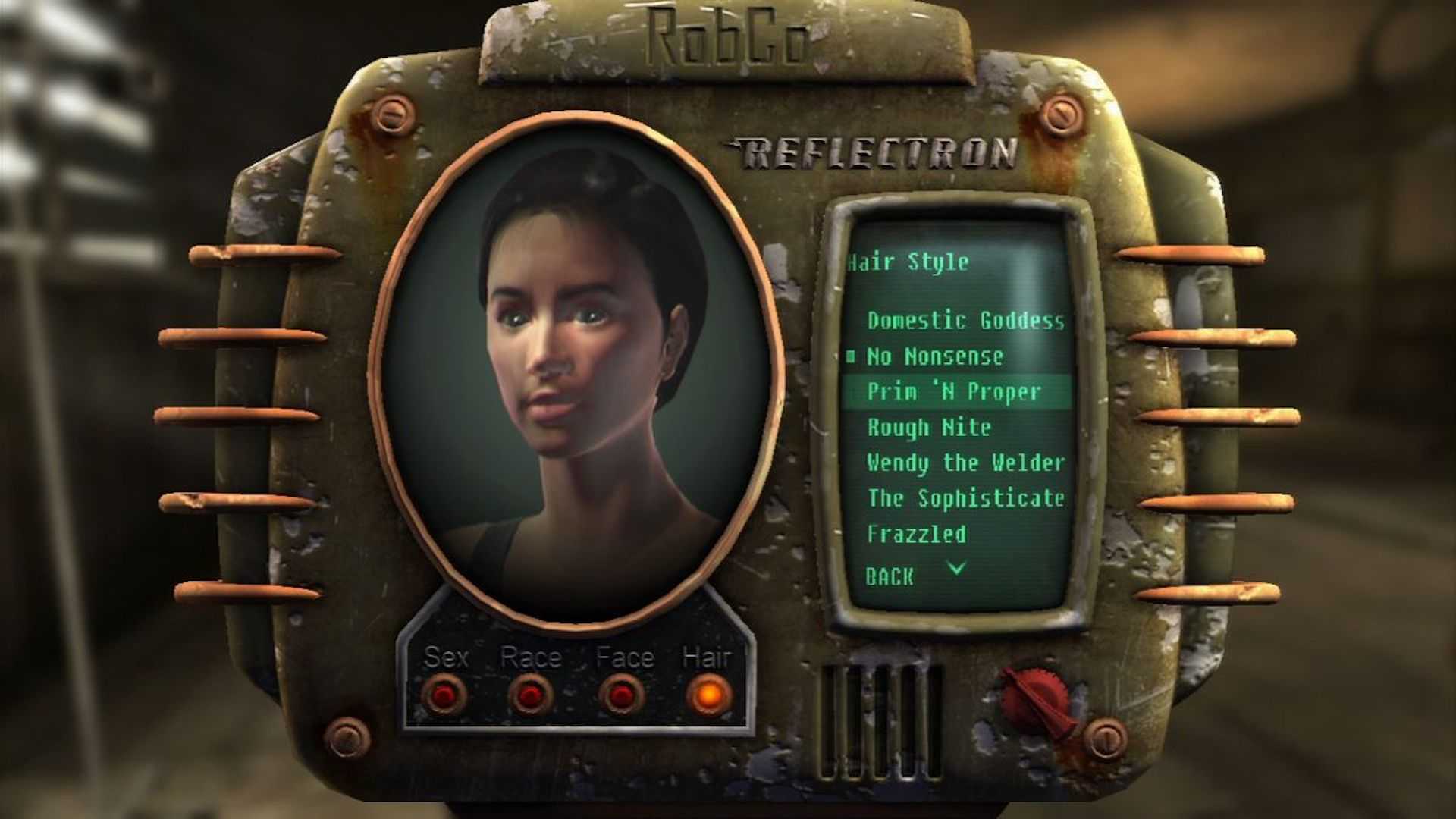
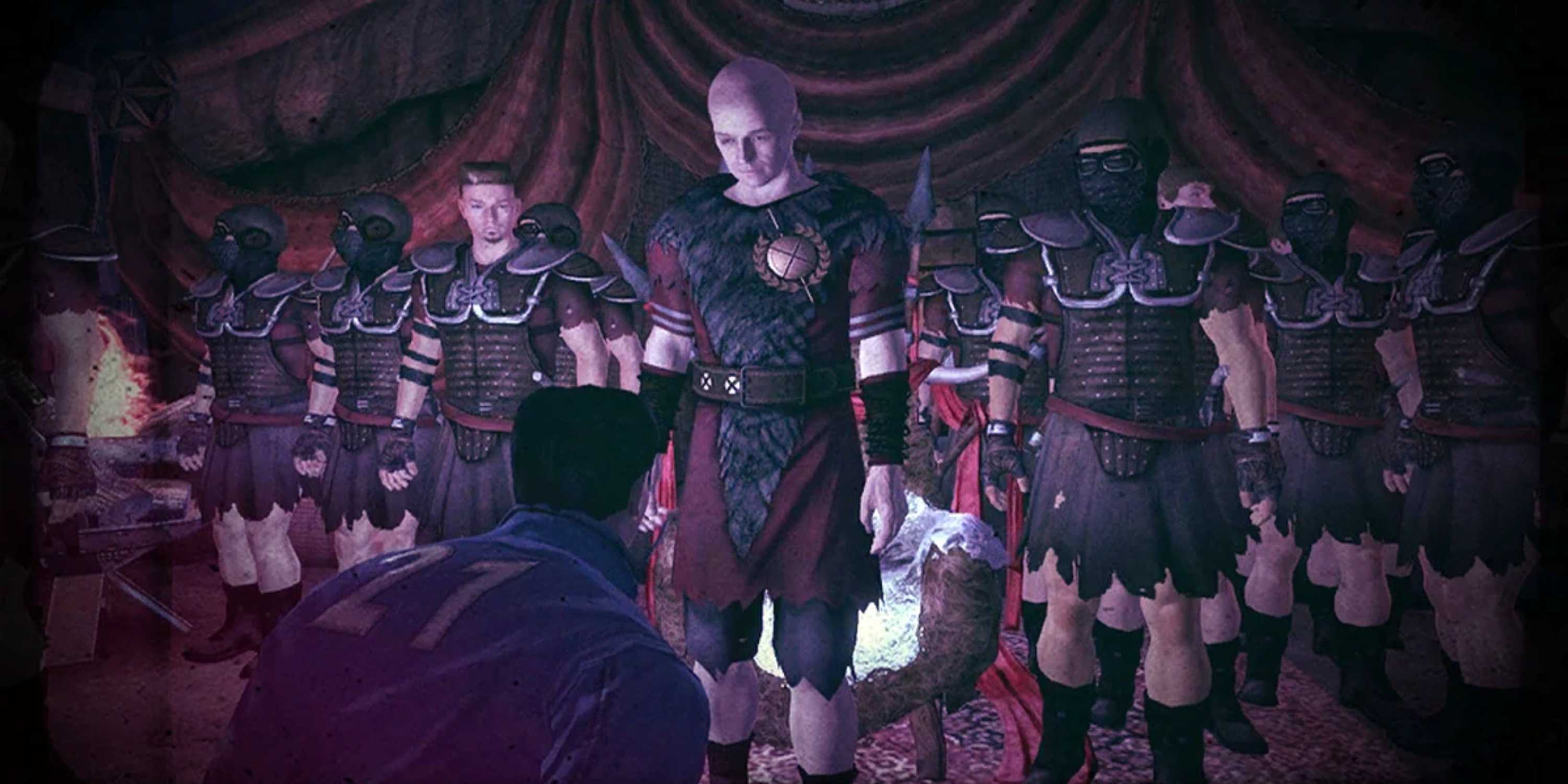
The isometric Fallout games deserve an honorable mention for laying the karma/morality groundwork that many projects still follow… but New Vegas has the best system in the franchise. Rather than sticking to Fallout 3’s basic global karma, New Vegas features a reputation system that allows towns and factions to track your Fame and Infamy. They are separate metrics that don’t cancel each other, meaning you could end up with both high Fame and high Infamy.
Mojave is home to a few factions that have widely different ideologies, and your morality is directly impacted by which side you opt to empower. These aren’t easy decisions either, as New Vegas goes out of its way to not present the groups as purely evil or heroic; instead, they might favor a bureaucratic approach or prefer to rule with an iron fist.
2
Planescape: Torment Is D&D At Its Best
Ah, time for a true classic. Planescape: Torment hasn’t stood the test of time in a number of ways, but its writing, world-building, and philosophical musings are still as impressive as they were in the late ‘90s. Due to being based in the Dungeons & Dragons universe, Planescape uses AD&D’s morality meter, where you can be Lawful, Neutral, or Chaotic, along with Good, Neutral, or Evil. You know the one, as it appears in some form or another in dozens of DnD games (and inspired dozens more).
Planescape’s brilliance comes from its dynamic implementation of this system, as every piece of dialogue shifts your alignment. Your moral compass forms naturally based on your behavior, and your current alignment also influences what you can do in battle. Rather than making you a perfectly good or evil person, Planescape deals with moral ambiguity, where even “good” acts could push you towards a Chaotic alignment if they go against a universal truth or philosophy.
1
Tyranny’s Morality System Is All About The Grey
Well, here it is, the RPG with the most perfect morality system. While far from the biggest name in this article, I doubt anybody who played Tyranny will disagree with its selection, as long as you don’t mind the fact that you (ultimately) represent the bad guys and don’t have any real option to turn good.
Tyranny casts you as the Fatebinder, an adjudicator who works for Kyros the Overlord. While players have some say in how things became this way, the game starts after the bad guys have already won, and the protagonist seeks to bring order to the region. Every faction you visit tracks Favor and Wrath, with the former representing the quality of your results and the latter being defined by your methods.
Basically, do you bring order through a soft or hard touch? You could end up with a situation where a faction respects your skills but also deeply hates your actions, a dynamic most games don’t seek to explore. The companion system also tests your morality through Fear and Loyalty, neither of which is treated as a failure state.