





Progression can make or break a turn-based RPG. This corner of the role-playing genre is especially dependent on a sense of growth and forward momentum, since fresh strategies are born from the “tools” the player is given, whether that be a new party member, attack type, or buff.
As such, the turn-based games that feature the most robust, nuanced, or innovative progression mechanics are also often the best. Sometimes, great progression can stem from creative or unusual concepts—the recent Mewgenics is a good example of this—but other times, a strong understanding of fundamentals is what sets an RPG’s progression systems apart. Here’s a selection of seven turn-based games that, one way or another, typify the notion of “perfect” progression, through leveling, gear, or other avenues.
Career Progression
Metaphor: ReFantazio is the best Atlus RPG, in my opinion, and its progression and build-crafting systems have a lot to do with that designation. Rather than the more RNG-based, Pokemon-inspired features of the Persona and Shin Megami Tensei games, Metaphor: ReFantazio introduces the Archetype system, which is essentially a classic RPG job framework, but injected with Atlus’ iconic social sim and time management elements.

Click on the game with the higher OpenCritic rating.
The result is a game whose progression feels simultaneously purposeful and boundless. Every action the player chooses to take outside battle will have a meaningful impact on one or more of their/their allies’ Archetypes or stats, which only makes it more exciting when you leave the tranquility of non-combat zones for battle.
Star Wars: Zero Company
Team-Building Exercises
I hesitated to include such a recent game in this list, but after playing dozens of hours of Star Wars Zero Company, I have no doubt that it belongs here. The game doesn’t have an especially sophisticated or complex progression model, but it’s surprisingly expansive and extensive, allowing you to craft an ever-improving squad of sci-fi heroes.
Zero Company‘s bond-based progression is its greatest stroke of genius in this area. When two squadmates interact (e.g. by healing or buffing each other), they will increase their specific bond level, and permanent buffs are conferred for each level-up. Not only does this make for consistent improvement, but it also encourages experimenting with different party compositions.
Baldur’s Gate 3
An Elegant Translation of Fifth-Edition D&D Leveling
Leveling up is supposed to be exciting, but precious few RPGs actually make it so. They might give you an increase in your stats, or skill points to spend on upgrades, but leveling usually becomes a more cumulative process, where several level-ups combine for significant change over time. Baldur’s Gate 3 makes leveling up momentous.
There are only 12 character levels in Baldur’s Gate 3, which is part of what makes progression so rewarding: each level-up really counts. You might unlock a powerful new magic spell, or a Race-based passive that totally changes your playstyle. This is to say nothing of BG3‘s multiclass feature, which flings the doors to creative build-crafting wide open.
Final Fantasy X
Weird, but Good
I remember hating Final Fantasy 10‘s Sphere Grid as a kid. I had already cut my teeth on more traditional skill trees, so FFX‘s unusual progression system, which is more like an interweaving maze than a tree, caught me a bit off guard. As I’ve grown older and wiser, I’ve come to see the value of the Sphere Grid, and how it interlocks the upgrades of every Final Fantasy 10 party member.
With a bit of courage and, likely, the help of the internet, you can use the Sphere Grid to make the soft-spoken Summoner Yuna a melee-based tank, or the himbo-coded Wakka a healer, if you wish. Even if you use the system “as intended,” it can provide an exciting and satisfying process of mechanical exploration.
Monster Hunter Stories 3
Progression Through Conservation
The Monster Hunter franchise has solid progression, though the real-time entries tend to center this pillar around gear crafted from the byproducts of the titular hunting targets. The Monster Hunter Stories spin-off series retains this system, albeit in a turn-based context, and Monster Hunter Stories 3: Twisted Reflection adds yet another delightful wrinkle.
In this most recent Monster Hunter Stories entry, you are asked to preserve and nurture monster habitats, fighting off invasive or otherwise dangerous species rather than simply “hunting.” To this end, you fight alongside domesticated monsters (affectionately called “monsties”), hatching them from eggs. But unlike a game like Pokemon, you can actually reintroduce these monster species into the wild, leading to better-quality monsters and even new, mutated variants. All of this helps you grow stronger.

- Released
-
March 13, 2026
- ESRB
-
Teen / Fantasy Violence, Mild Suggestive Themes, In-Game Purchases
Clair Obscur: Expedition 33
Picto Power
-
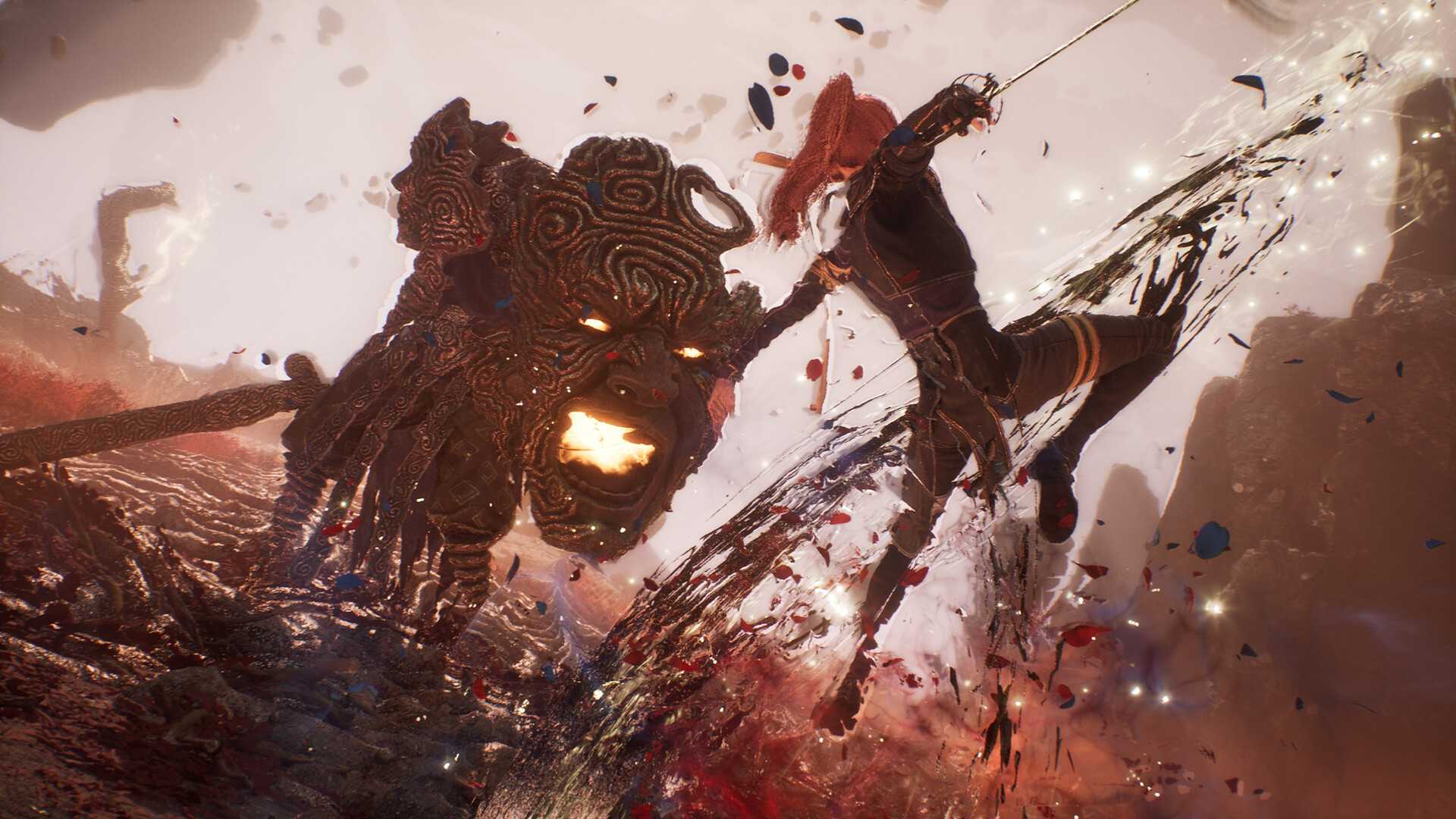 Image via Sandfall Interactive
 -
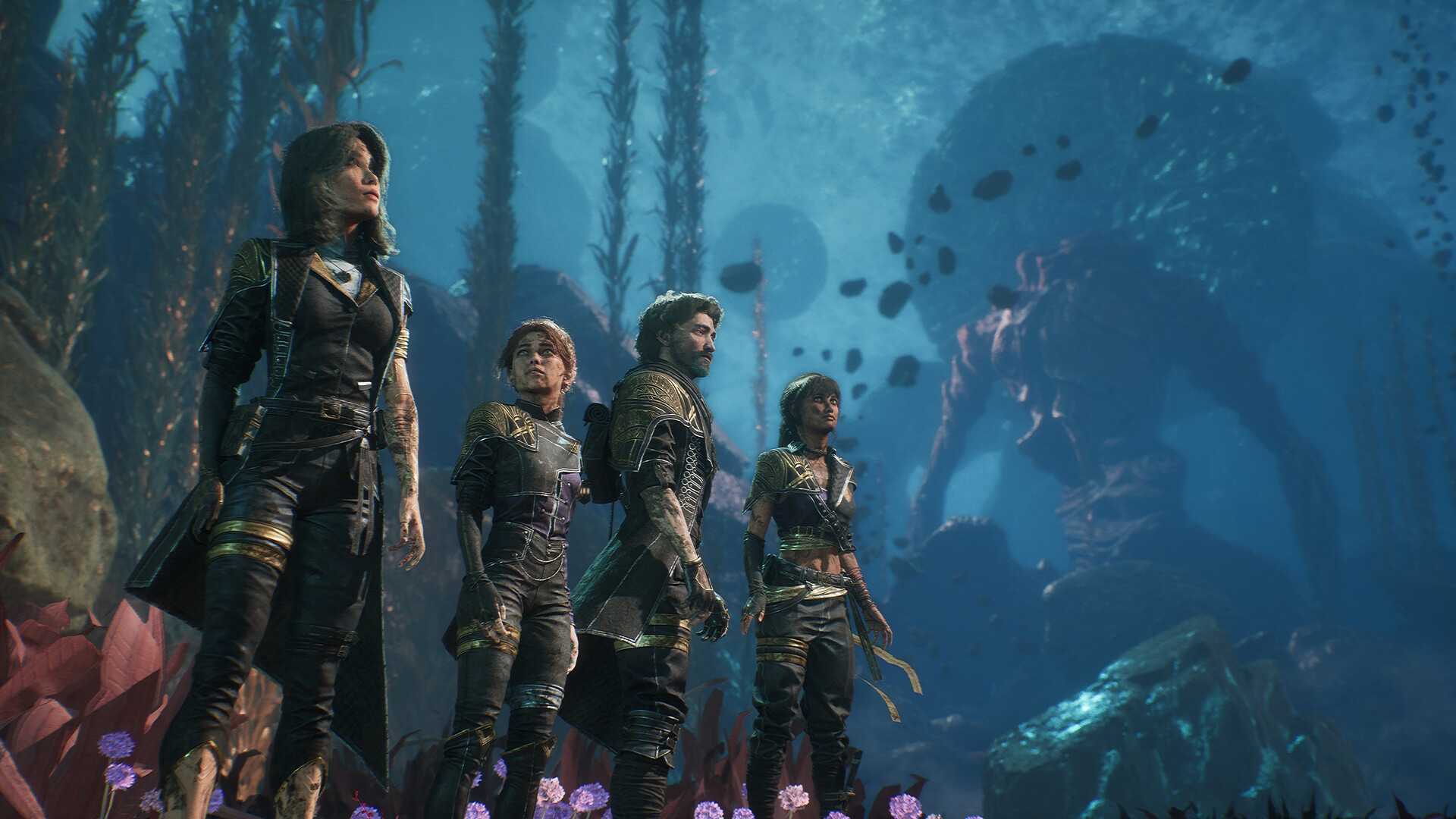 Image via Sandfall Interactive
 -
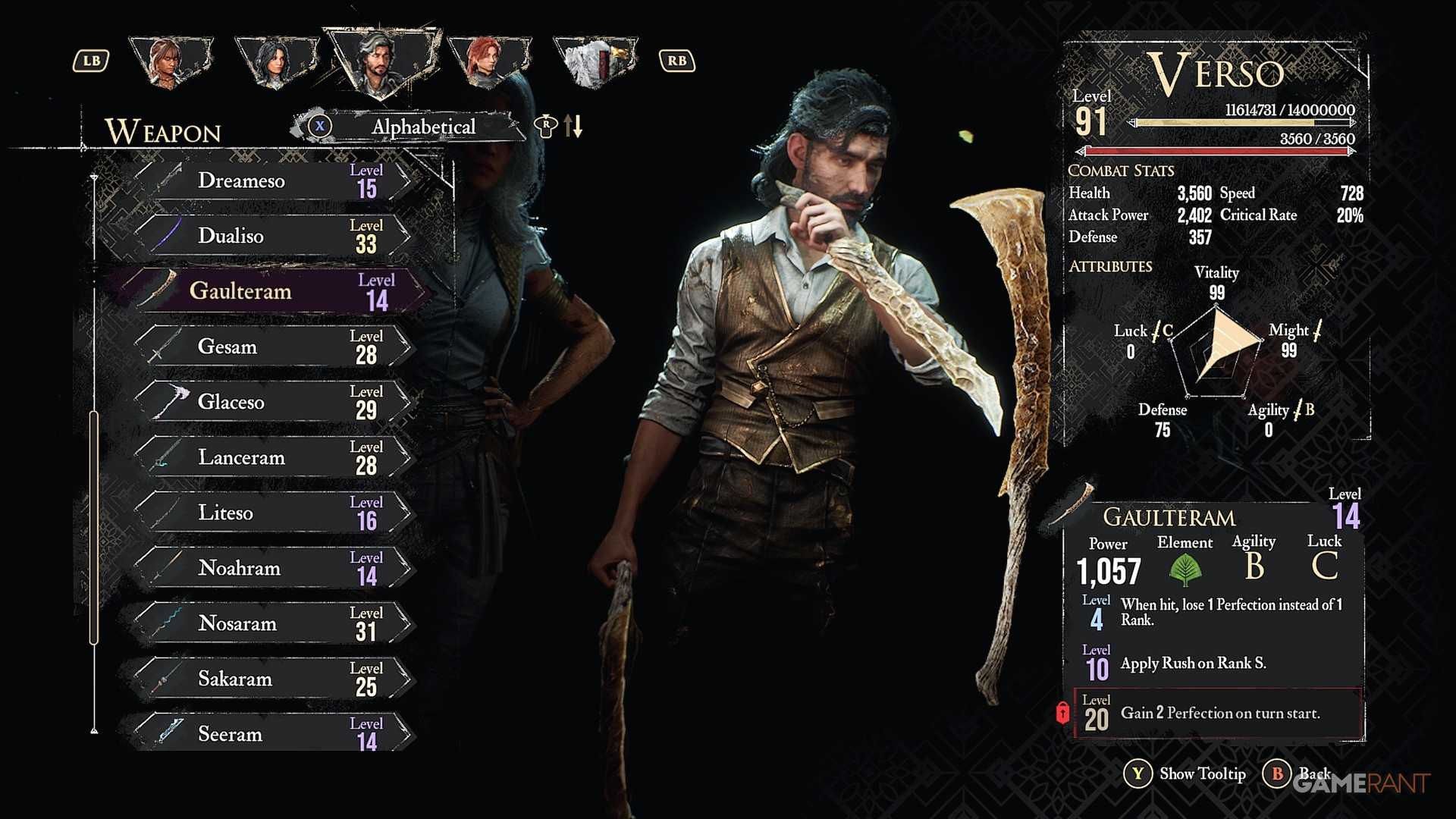
Clair Obscur: Expedition 33 deserves praise for a lot of things, and while I wouldn’t necessarily say that progression is its best facet, it still greatly contributes to the game’s highly lauded combat loop. Standard leveling is pretty meat-and-potatoes, but the Pictos system is where Clair Obscur‘s build-crafting really starts to heat up.
The game lets you unlock various perks called Pictos, and more Pictos can be applied to a given character as they gain more Lumina points—something that happens naturally over the course of the campaign. Pictos can convey powerful-yet-straightforward buffs like an increase in attack power, but they can also help you build in more roundabout ways. For instance, there are Pictos that activate special effects when a character dies or is resurrected in battle: stacking these on a single character can allow you to devise a unique “sacrificial” playstyle, allowing you to practically bulldoze through enemy encounters in an unconventional way.
Fire Emblem: Three Houses
Teachers Can Learn, Too
If you appreciate progression systems that offer multiple different paths (e.g., not forcing you to simply grind combat to grow more powerful), you will surely click with Fire Emblem: Three Houses. Cooking meals, gardening, holding classes, and bonding with NPCs can improve the efficacy of all Fire Emblem characters, not just player-character Byleth.
Since Fire Emblem: Three Houses is a squad-centric tactical RPG, this multifaceted, robust approach to progression fits well. Moreover, the progression opportunities available to players back at base serve to support and maintain narrative immersion, resulting in a more appealing gameplay experience overall.