




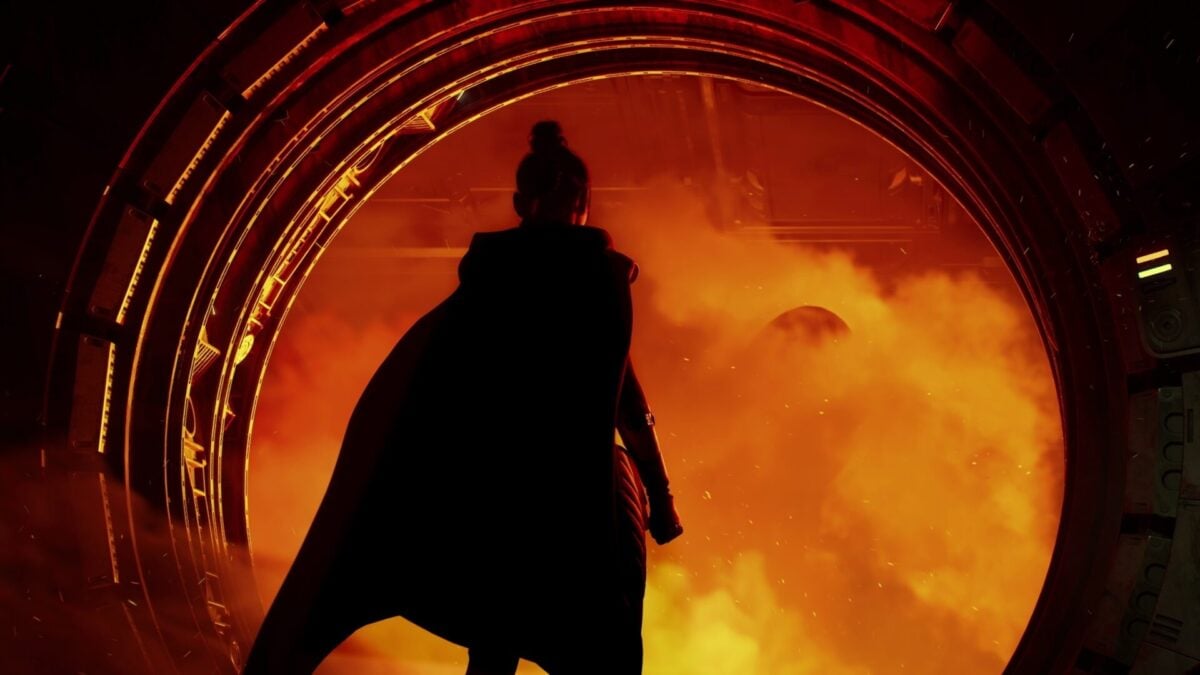
Star Wars: Fate of the Old Republic was the biggest surprise at last year’s Game Awards 2026 showcase. Almost as unexpected as the game’s existence was the fact that Mass Effect director Casey Hudson would be leading the project. The ex-BioWare boss found funding for the game from an equally unlikely source: a veteran of the Chinese conglomerate NetEase that had just pulled funding from his previous studio the year prior.
A new report at Bloomberg details how NetEase alum Simon Zhu has been going around rescuing projects that the company, from which he resigned last year, had previously pulled funding from. That includes Hudson’s previous venture, Humanoid Origin, and Call of Duty veteran David Vonderhaar‘s BulletFarm. Zhu launched a new holding company GreaterThan Group with private investment of up to $100 million to fill a void left by what he calls an overcorrection as funding exits gaming for tech and AI instead.
Hudson now leads Arcanaut Studios, which has promised to ship Star Wars: Fate of the Old Republic before 2030. But Zhu wants to keep teams lean and “avoid having hundreds and hundreds of people” as production ramps up. Hudson promises that generative AI is not something his developers are pivoting to in order to make that happen.
“I just find AI to be creatively soulless,” he told Bloomberg. “It’s hard to imagine where it’s actually helpful in the process. I’m just really unimpressed with it.”
Star Wars: Fate of the Old Republic won’t be a sprawling, 100+ hour-long game like Pearl Abyss’ recent Crimson Desert either. “Bigger isn’t necessarily better,” Hudson said. “If I’m excited about a game and then I find out that it’s 200 hours long — even if I have no ambition to actually finish it — I wonder, if I put 20 hours in, will I even be out of act one? A lot of players just want to play something and finish it.”
Vonderhaar told Bloomberg he’s trying to keep BulletFarm small and focused as well, unlike the previous wave of investment-backed game studio startups that quickly ramped up headcount without nailing down a clear vision or feasible production timeline. “If you gave me $200 million, I wouldn’t spend it all,” he said. “Money doesn’t make it good. People make it good.”