




Open-world RPGs consume lives. The “short” titles require roughly 15 hours, while the normal-length ones can easily demand 50 hours to reach the end of their stories. As great as they are, nobody really needs to complete Elden Ring or Skyrim, and many of the genre’s legendary games shine the brightest when players decide to simply exist within their worlds indefinitely. However, a small handful of open-world RPGs really demand to be completed, at least when it comes to their main content.
I am the type of person who moves on once I stop having fun with a game, and that is especially true for open-world RPGs that seem to last forever and a day. Often, a campaign’s final act is not worth plowing through hours of exhaustion, but exceptions certainly exist. If you feel your interest in these games starting to wane, I recommend pushing through the story to reach the end.
“Completion” means finishing the story and not “completing everything in the game.”
Cyberpunk 2077 Ends Better Than It Starts
V And Johnny’s Dynamic Anchors The Entire Campaign, Right Up To The Final Moments
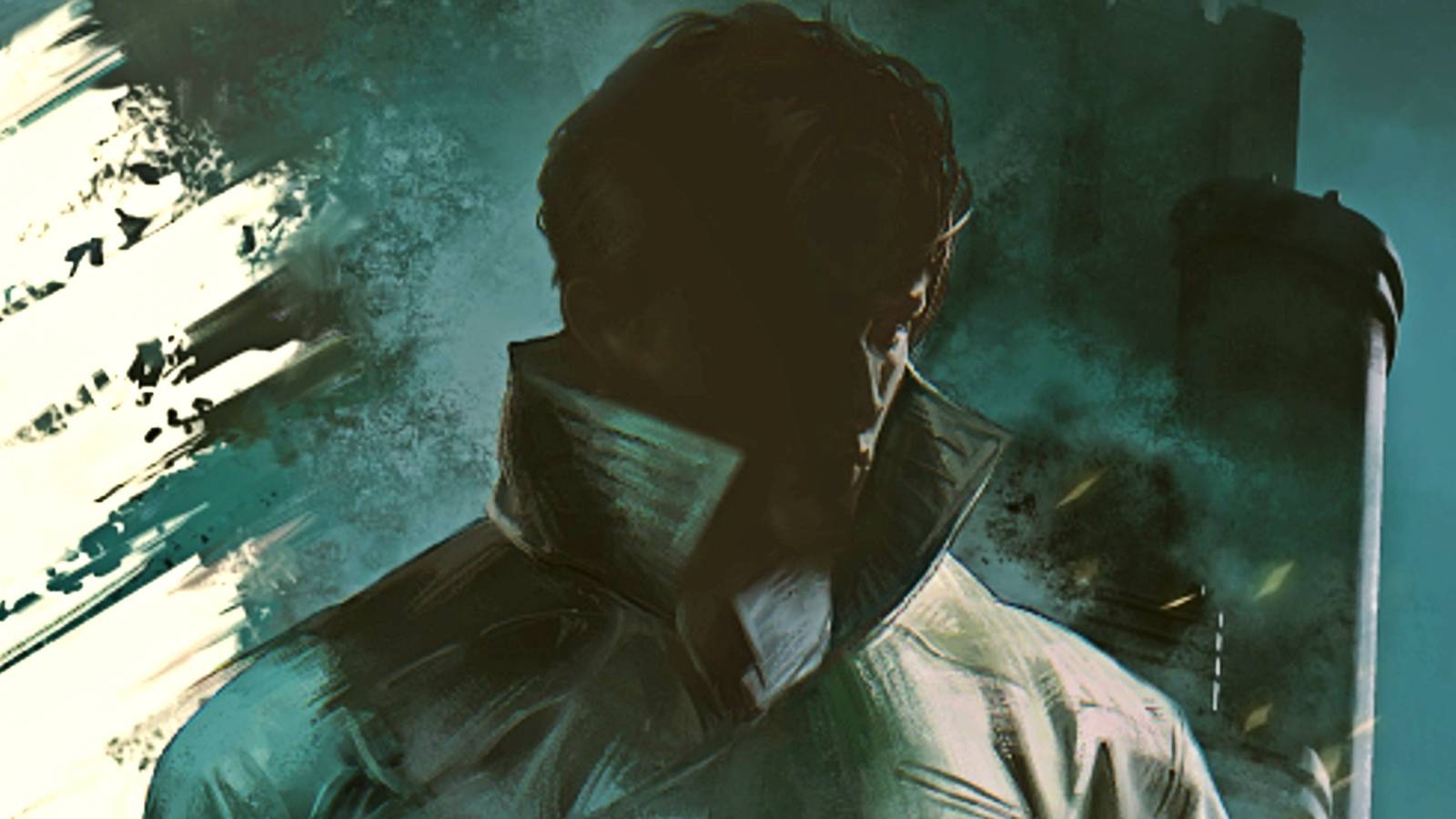
The Witcher 3: Wild Hunt might seem like an obvious pick for this article, but its length makes it a hard sell and its story climax doesn’t quite feel as urgent as it should, despite a lot being on the line. Comparatively, Cyberpunk 2077 takes you on a far more condensed journey, one with a ticking clock that drives everything forward. Night City doesn’t reward aimless wandering; instead, it acts as a meat grinder that tests a person’s ideals, instincts, and willingness to shed their humanity.
Story-wise, the campaign reaches its peak during the final act, which comes with a variety of endings that let you determine how V exits the stage. Beyond just seeing how it all ends for the protagonist, you need to experience the full story to see Johnny Silverhand’s complete character arc and the culmination of his relationship with V, the latter of which serves as the cornerstone of the whole game.
Gameplay-wise, Cyberpunk 2077‘s progression system opens up so many possibilities that you will be able to create some absolutely wild (and overpowered) versions of V, letting you terrorize Night City as the ultimate cyberware powerhouse.
Dragon’s Dogma: Dark Arisen Literally Needs To Be Completed
Otherwise, You Don’t Get To The Best Part!

Let’s go for something a bit different. Dragon’s Dogma: Dark Arisen needs to be completed for the simple fact that its best part, Bitterblack Isle, takes place after the base game’s ending. Once the story concludes, the Dark Arisen expansion kicks in, introducing an endgame dungeon that actually makes use of all of Dragon’s Dogma’s deep RPG systems.
Unlike the vanilla content, which becomes way too easy after a few hours, Bitterblack Isle requires you to optimize your stats, augments, and Pawns, as anything less will almost certainly result in death. DD has a fantastic class/Vocation system that provides plenty of room to experiment, and the post-game content lets you push your capabilities to the max.
Also, the combat system gets better as you spend more time with it.
Nier: Automata Ends So Many Times Before It Really Ends
It’s Not Over Until It’s Truly Over

Nier: Automata doesn’t end until you get into one of the most absurd bullet-hell fights in gaming history. Famously, Yoko Taro split the campaign into alphabetical routes, with the first path concluding with “Ending A.” However, the subsequent routes aren’t replays but rather the next chapters in the story; basically, shutting down the game after “Ending A” would be like turning off Red Dead Redemption 2 after completing “Chapter 2.”
Nier: Automata‘s story reaches its true completion with “Ending E,” which requires players to “restart” the campaign four times. Routes C and D are essentially full-length sequels to Routes A and B, introducing a new protagonist and the deterioration of a former lead. Route E brings everything to an end with one of the more unusual meta questions in gaming.
Fallout: New Vegas Remembers Who You Are And What You Did
If You Set Up A Row Of Dominoes, You Need To Knock Them Down
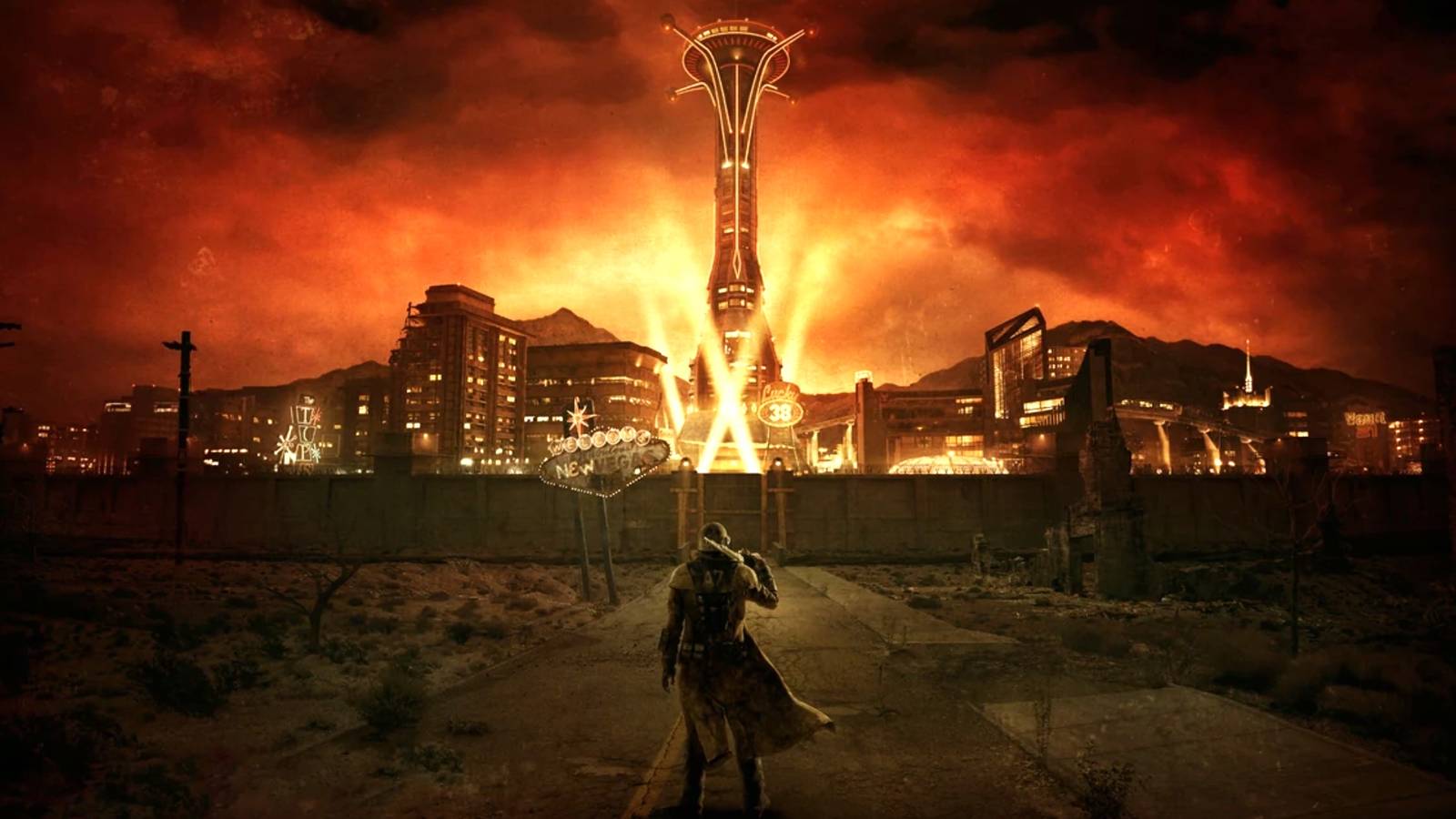
I love a good Bethesda RPG, but their narrative endings often feel like afterthoughts that just exist because they need to. Skyrim is probably the most obvious example, but the endings of Fallout 3 and 4 are rushed and disconnected from the player’s choices, which is especially disappointing, given the legacy of the original isometric games. Obsidian’s Fallout: New Vegas does not have this problem.
Unlike so many open-world RPGs that end with cinematic cutscenes that barely seem to link to your last 30 hours of gameplay, New Vegas builds on everything that came before, creating a domino effect where every minor settlement, loyalty mission, and faction skirmish impacts the world’s state. Quitting before the Second Battle of Hoover Dam robs Mojave of its connective tissue, reducing Obsidian’s consequential design to isolated side quests and dialogue choices.
Yakuza: Like a Dragon’s Ending Amplifies The Rest Of The Game
An Open-World RPG That Ends On A Real High Note

Ryu Ga Gotoku Studio’s pivot of a beloved franchise from action to turn-based combat was one heck of a gamble, but the developer proved to be a more-than-capable student of the house that Dragon Quest built. All entries in the series are fairly long, but Yakuza: Like a Dragon will almost certainly require about 50 hours, especially since it throws in a rather annoying wall during “Chapter 12” that requires serious grinding.
Although great from the start, the story not only reaches a beautiful crescendo in its final hours, but also injects a heightened sense of tragedy that really amplifies the emotional weight. If you stop around Chapter 10, you will have played a fun, albeit silly, open-world RPG that pays tribute to the turn-based greats. By finishing the campaign, you will have experienced an all-time great story that gives satisfying conclusions to all the main characters, including your party members.