


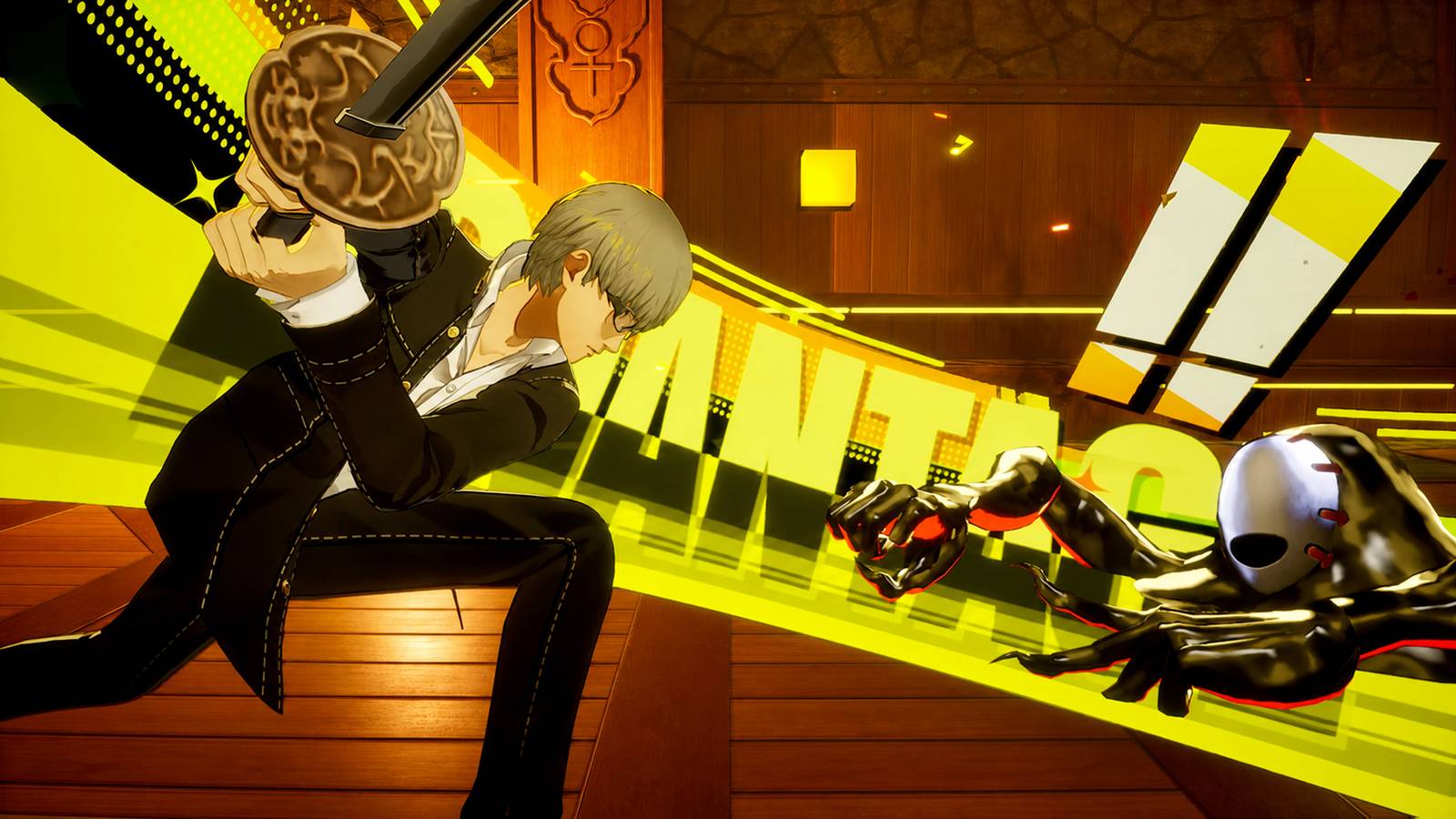
Persona 4 Revival is slated to release in 2027, continuing Atlus’ trend of re-releasing, remastering, and remaking its older releases. In this case, Persona 4 Revival is going to be a full-blown remake of the original 2008 JRPG, in the same vein as 2024’s Persona 3 Reload.
Like Reload, Persona 4 Revival is expected to issue substantial visual, technical and structural enhancements to the “skeleton” of the source material, resulting in an experience that’s more akin to Persona 5 Royal. As Persona 3 Reload proved, this remake approach can be extremely successful, as that game was critically acclaimed and commercially successful. But of course, the process of remaking such a lengthy and beloved title isn’t as simple as swapping out some graphics, cinematics, and mechanics: developers generally want to actually improve upon the foundation of the original game, not just polish it up a bit. That’s precisely what Atlus aims to do with Persona 4 Revival, though this is much easier said than done.
Persona 4 Revival Has to Walk a Fine Line Between Alteration and Faithfulness
-
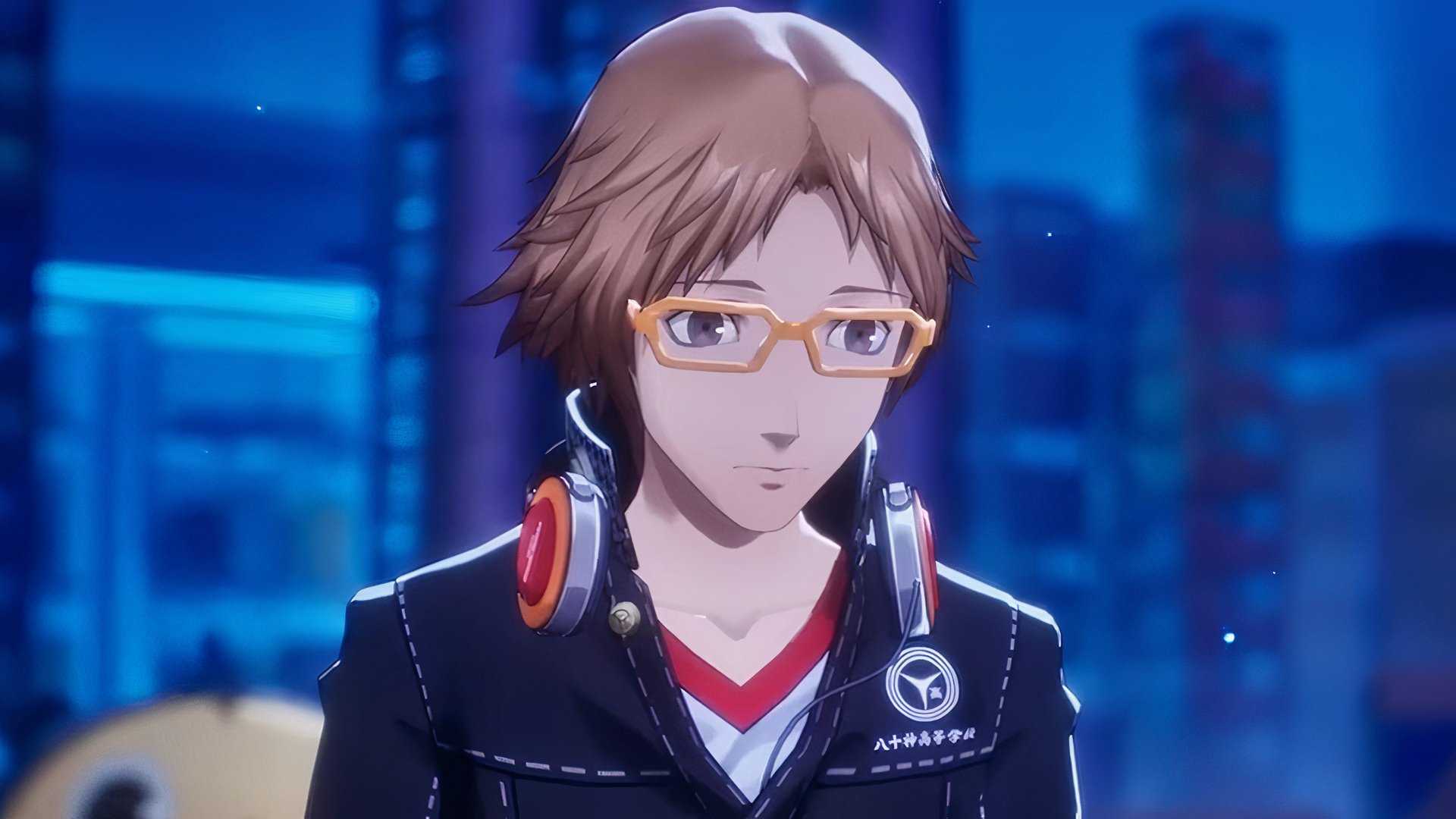 Image via ATLUS
 -
-
 Image via Sega
Speaking with PCGamesN, Persona 4 Revival producer Kazuhisa Wada and art director Akane Kabayashi had this to say about the remake’s cast:
“What we’ve done is we haven’t changed anything about the core identities of any of the characters, and we’ve kept everything as is. But there were parts in the original script that weren’t as clear, so we’ve added little bits and pieces to fill in information that wasn’t given in the original. Or we’ve kind of cut things out a little bit so that the overall message that the person is trying to say becomes more obvious to the reader.
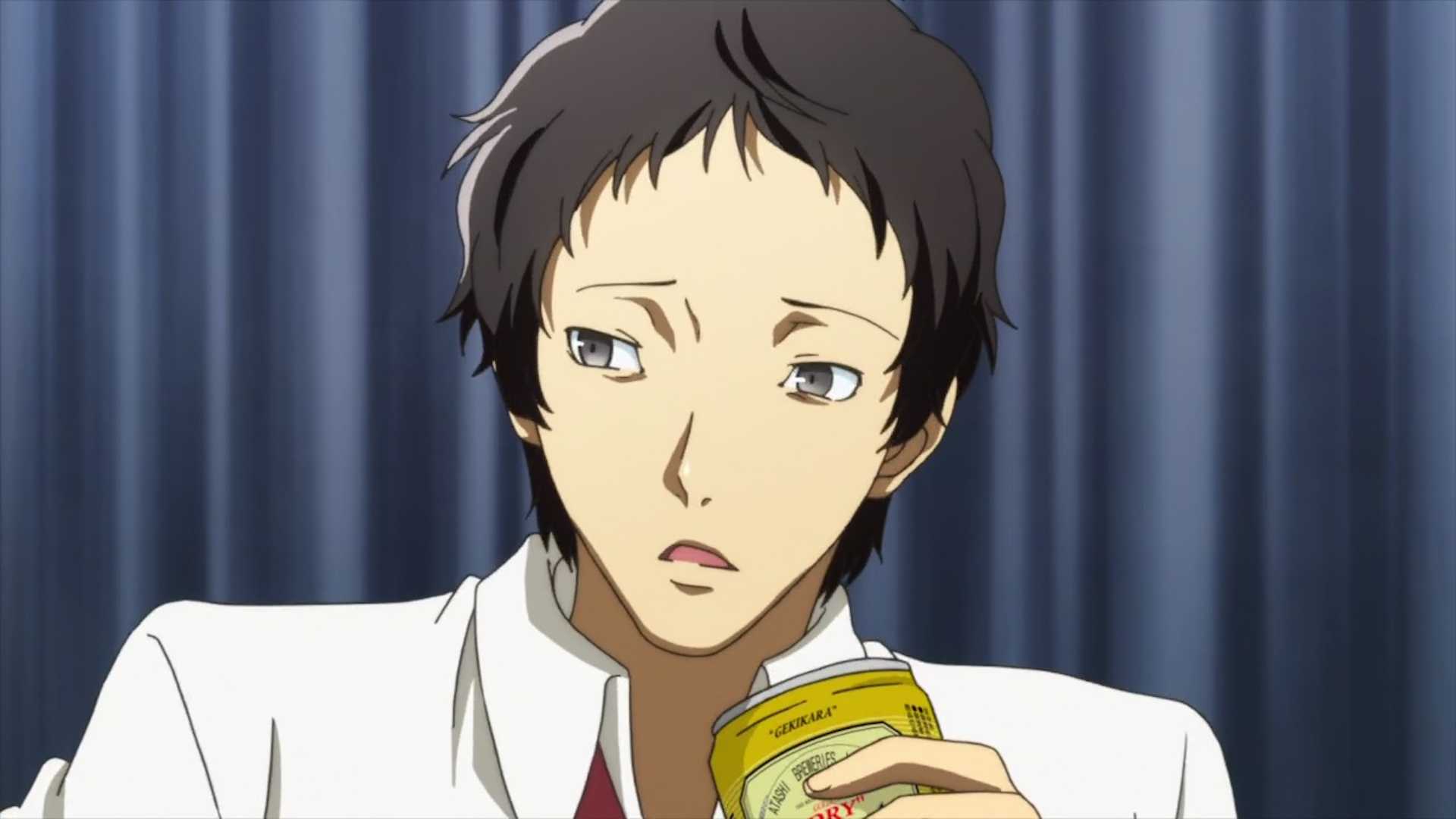
Of course, this is rather vague, but it’s been speculated that Persona 4 Revival is going to remove some of the more problematic elements of the original, such as party member Kanji’s homophobic behavior. In the original Persona 4, he reacts in a vehemently negative manner to just about any reference to homosexuality, no matter how slight.
This particular change seems even more likely when we supplement the above comment with one Wada made about Yosuke in an Anime Corner interview: “He’s a little bit insensitive in terms of how he treats outsiders sometimes, so we wanted to lighten that up and make it a little bit more fitting for the world we live in now.” This could mean whitewashing or outright deleting Yosuke’s homophobic dialog from Persona 4, which is a decidedly tricky creative maneuver.
On the one hand, I can understand why a company in Atlus’ position would want to modernize certain elements of an older game. Ultimately, the developer wants Persona 4 Revival to appeal to as wide an audience as possible, and it could better achieve this goal by making potentially outdated ideas more palatable. This could mean changes to things like Yosuke’s homophobia, but the philosophy holds true for other parts of Revival as well, such as turn-based combat, accessibility, and presentation.
-
 Image via Sega
 -
 Image via Sega
 -
 Image via Atlus, SEGA
So really, regardless of what Atlus changes for Persona 4 Revival, it’s going to be a meaningful departure from the original. There’s no real way to just “enhance” Persona 4 without altering key artistic intent and execution, since even creative choices that seem superficial, like camera angles or overall art style, help form the greater whole of the experience. As such, Revival is going to have to manage preserving the ephemeral, loosely defined “essence” or “soul” of the original, while still issuing upgrades that make worthy of the title of remake.
Being Additive Rather than Subtractive Is Likely to Help Persona 4 Revival
It should go without saying that these sorts of conversations are inherently subjective. What I think makes for a good remake may not reflect what you think, and the broader implications associated with making certain changes are even more complex. In the example of Yosuke’s homophobia, one could argue that cutting, minimizing, or whitewashing his behavior is a good thing, as it would make Persona 4 Revival more inclusive and less offensive. But you could just as easily argue that those choices would be tantamount to erasure, the suggestion that homophobic content simply never existed in Persona 4, which is disrespectful and cowardly in its own way.
I’m partial to the second interpretation, which is why Wada and Kabayashi’s claim that changes to characters were made “so that the overall message that the person is trying to say becomes more obvious to the reader,” inspires some confidence. Ultimately, the best thing that Atlus can do with Persona 4 Revival, on all fronts, is to add and sharpen rather than transform or remove. In the example of Yosuke’s homophobia, Revival would probably be better off trying to explain the behavior in an interesting way, rather than just deleting it entirely.
Regardless of what Atlus changes for Persona 4 Revival, it’s going to be a meaningful departure from the original.
Again, Yosuke is just one example of how Persona 4 Revival needs to tread carefully with respect to changes to the source material. In general, it’s good to be flexible with these sorts of things, but I can think of instances where a remake or remaster has simply omitted content from the original, to its detriment. Atlus actually provides one such example: cutting the female protagonist from Persona 3 Reload made for a less complete experience, and didn’t do anything to enhance the end product.
It will be interesting to see how Atlus toes the line with Persona 4 Revival, but I’m not too concerned. Even though I was disappointed in Persona 3 Reload‘s omission of the female protagonist option, I can still confidently say that it handled the darker, more unsettling themes of the original quite well. That is to say, Atlus has done a good job handling sensitive topics while still preserving the hearts of their characters and stories. And on the gameplay front, the studio has more than proven itself worthy of audiences’ trust, I think.

- Released
-
February 18, 2027
- PC Release Date
-
February 18, 2027