



There have been so many soulslikes in recent years that the genre, which was once considered to be at the cutting-edge of melee-action game design, can inspire weariness more often than excitement. A lot of gamers are tired of the same old, FromSoftware-led dance, as even well-designed soulslikes can suffer from a lack of ingenuity. Valor Mortis, the latest first-person action game from Ghostrunner developer One More Level, arrives as a salve for this rash of derivativeness.
Valor Mortis is very much a soulslike—don’t let its unconventional first-person perspective fool you. Enemy placement is meticulous and intentional, saving and fast-traveling are done through a functional equivalent to Dark Souls‘ bonfires, and levels are dense and labyrinthine. The game is very much a student of the FromSoft school of game design. At the same time, Valor Mortis is similar to One More Level’s previous releases. Rather than feeling like a gimmicky genre mashup, the game uses its blended heritage to expand what a soulslike can be.
Valor Mortis encourages perfection and experimentation in equal measure, although it may come across as more restrictive than it really is at first. This isn’t a game for those obsessed with build-crafting; Instead, Valor Mortis is a true-to-the-core soulslike experience stripped down to its most basic elements, then reconfigured by a team of expert craftspeople. Or perhaps “musicians” would be a better metaphor, because Valor Mortis comes together with the precision and elegance of an orchestra.
Valor Mortis Has Pitch-Perfect Gameplay
-
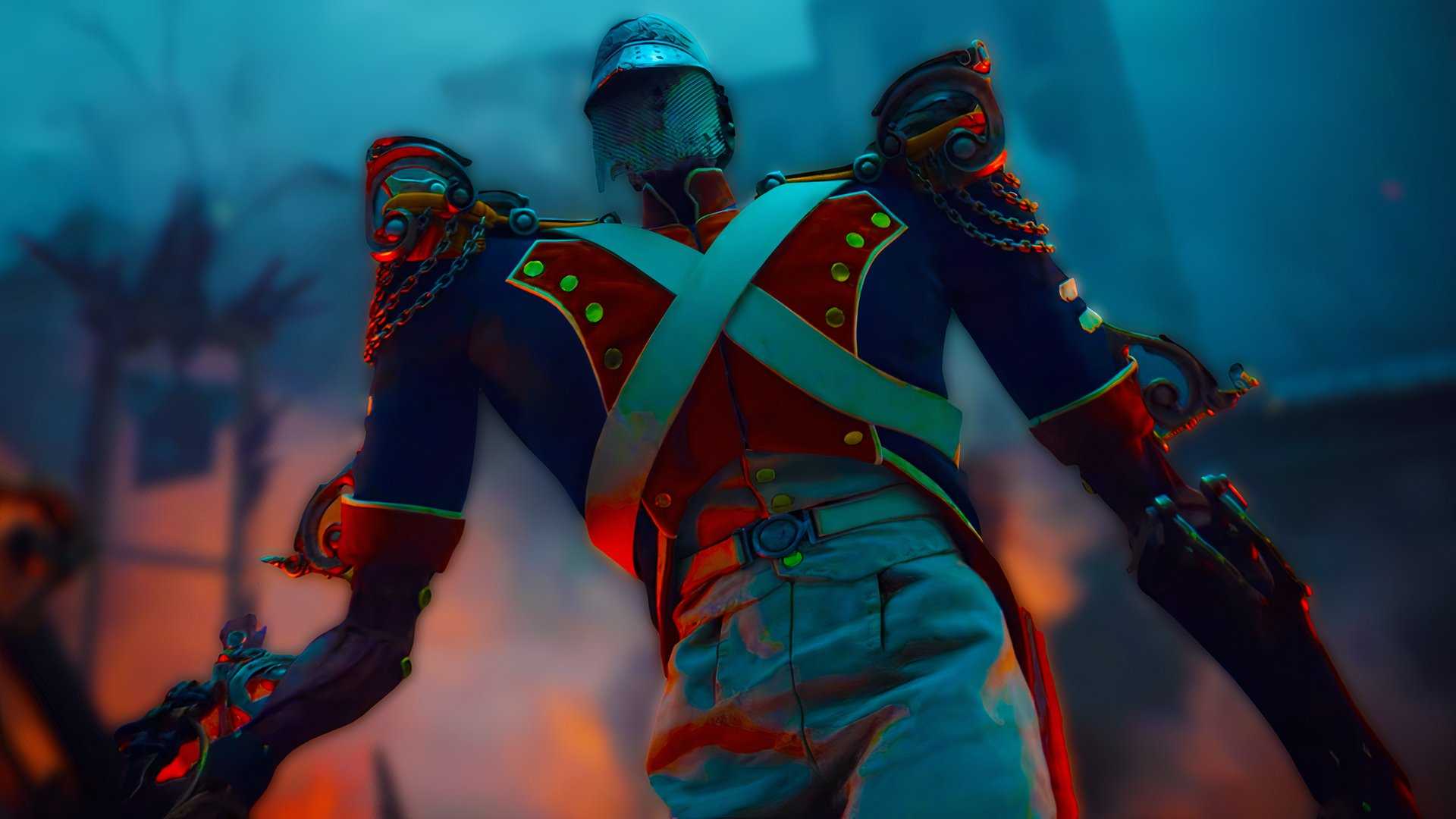 Image via Lyrical Games, One More Level
 -
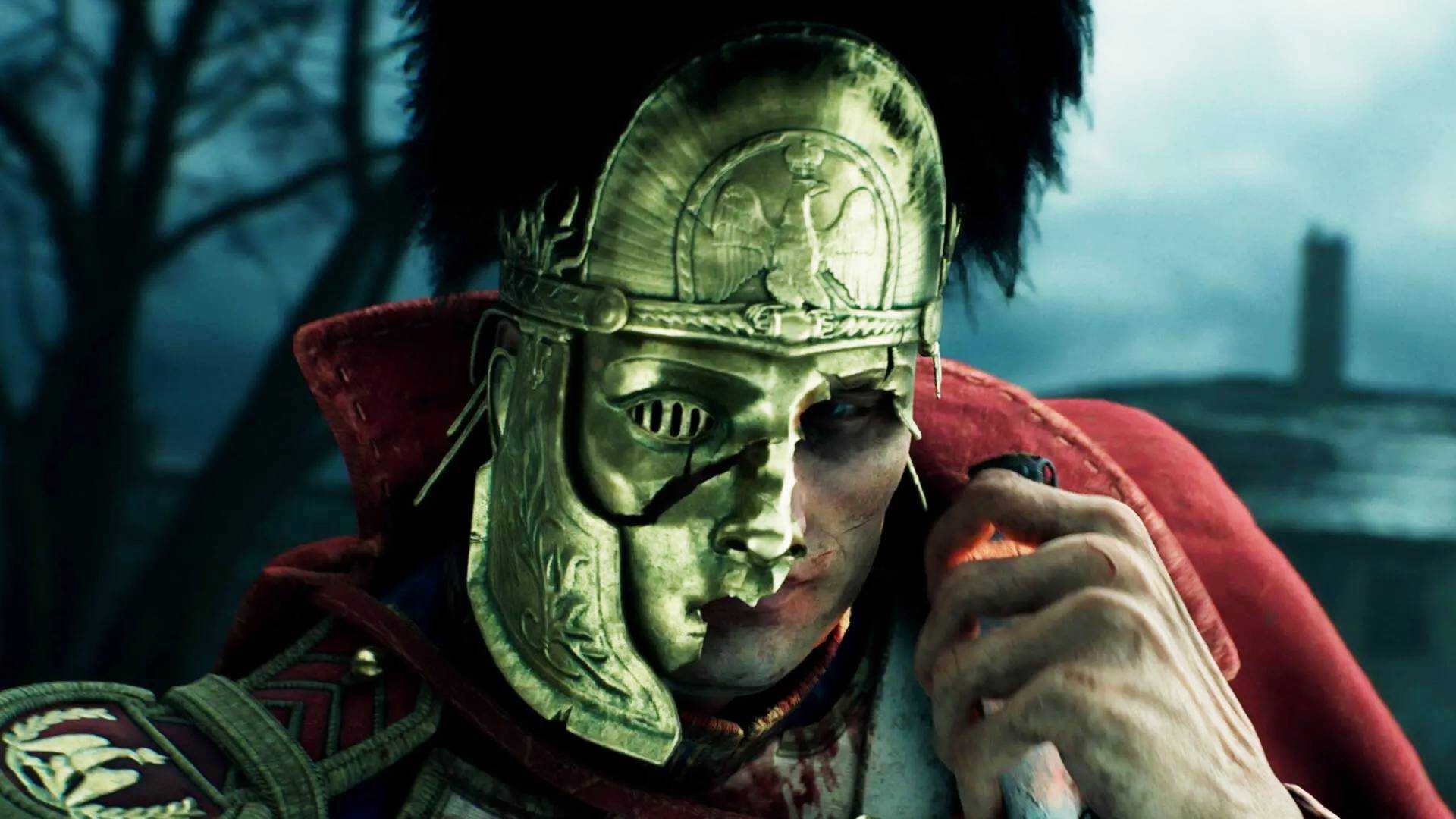
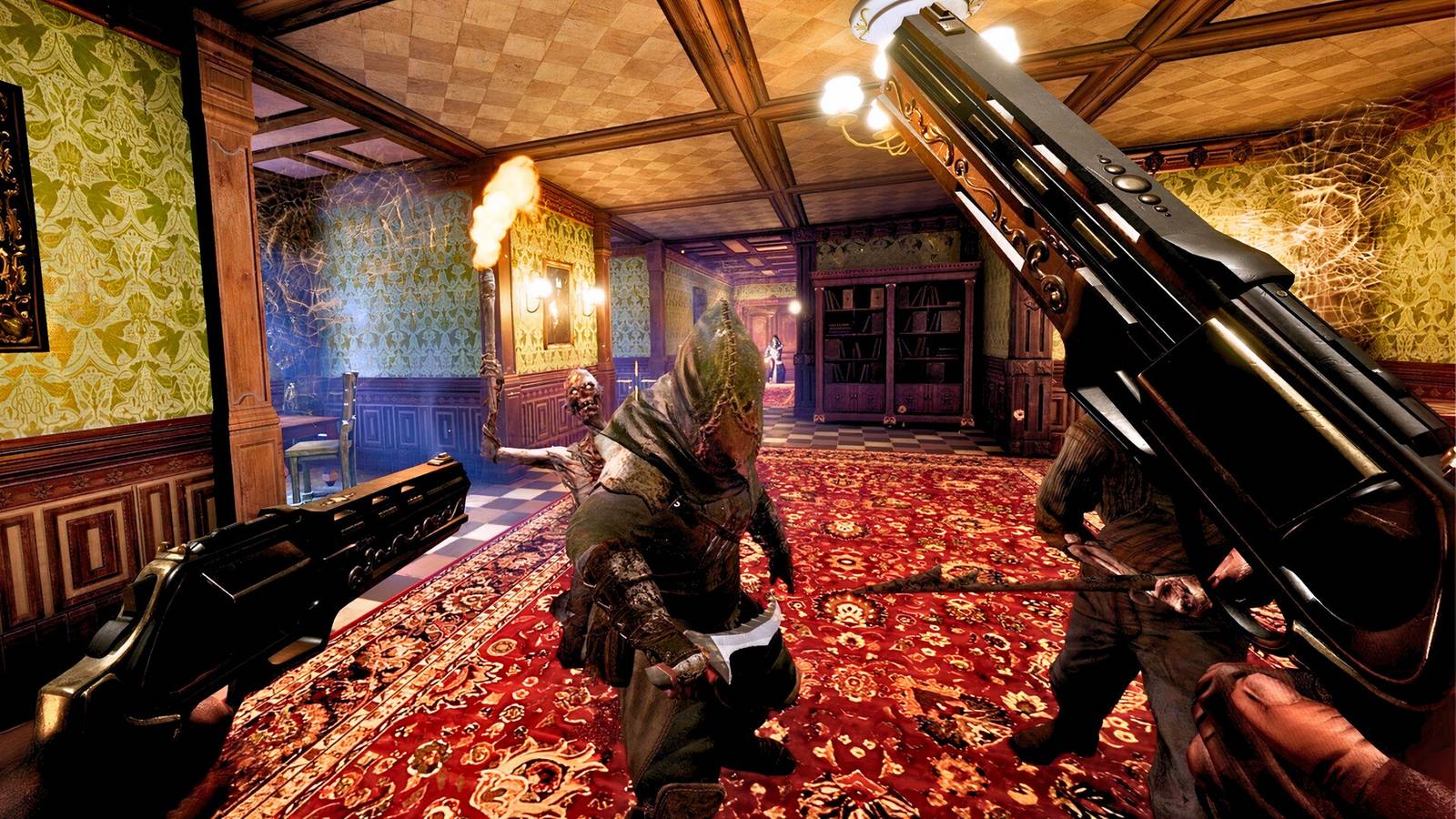
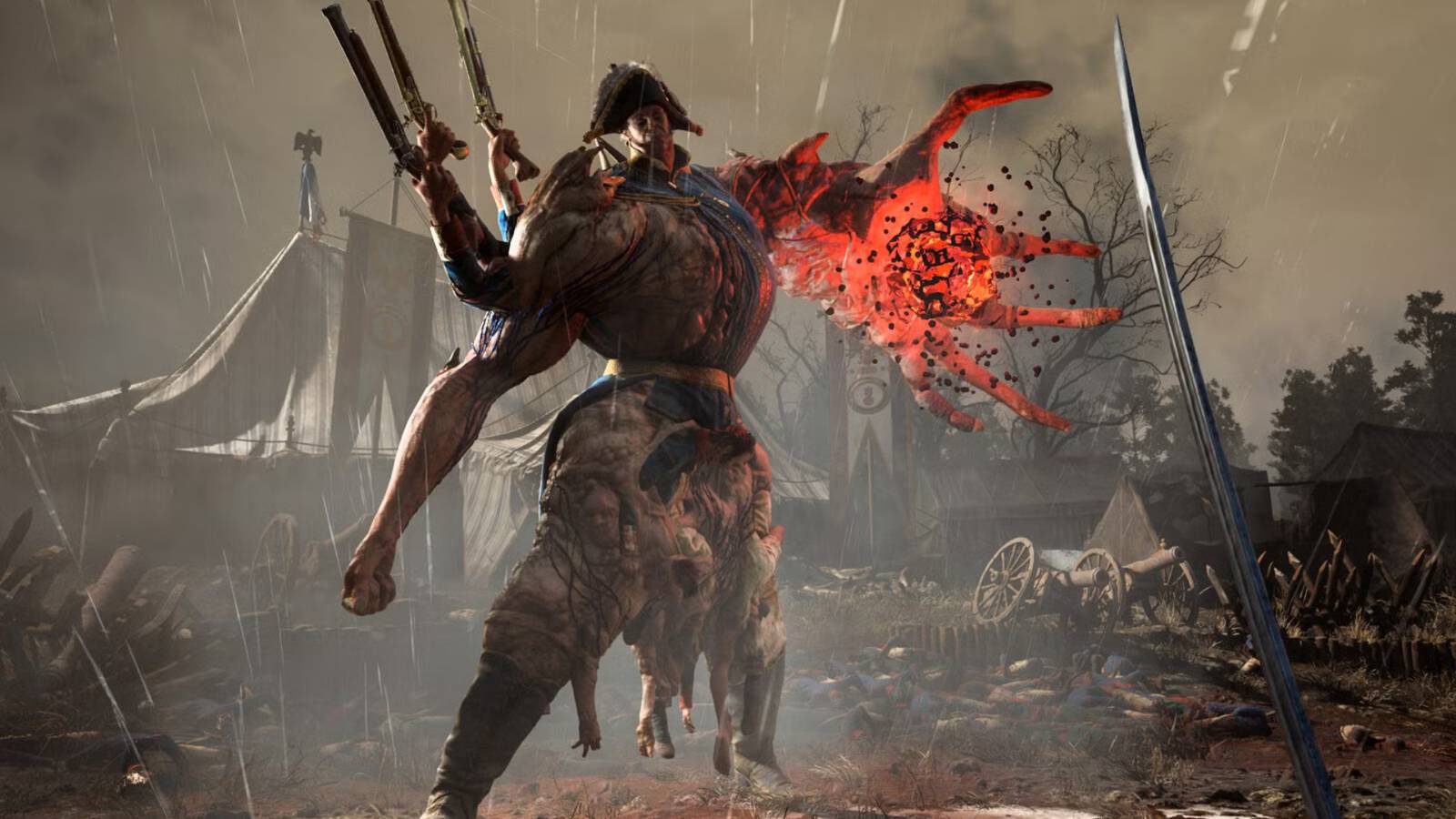
When I previewed Valor Mortis back in June 2026, I called it a “stunning lovechild of Lies of P and BioShock.” Such comparisons are still apt, as one look at its aggressive soulslike gameplay and mixed-method gunplay will reveal. You play as William, a member of Napoleon Bonaparte’s Grand Army in the early 1800s who, much like Jack or Booker from BioShock, gains the ability to manifest certain powers through his left hand. For example, the first power of this kind is a sort of flame-stream spell. William’s other hand is occupied by a melee weapon, and his left, power-utilizing hand can also be equipped with different handguns.
There are a few other weapons and powers that I won’t spoil, but I’d advise against coming into Valor Mortis with hopes of a ton of abilities and gear to collect. The game has precious little variety in this respect. But what it lacks in breadth, it makes up for in incredible combat depth and expressiveness, presenting the player with myriad fresh and interesting gameplay scenarios. It’s through these diverse scenarios that Valor Mortis seems to borrow the most from its Ghostrunner predecessors, treating every enemy encounter with the same specificity and attention to detail as in those games.
Before I first played Valor Mortis, I was skeptical of its first-person perspective—I instinctively balked at the idea of self-described soulslike combat in first-person, assuming it would be claustrophobic and cumbersome. Perhaps it could have been, but Valor Mortis never felt that way to me. I’ll admit that positioning and enemy management in first-person can take some getting used to, but thanks to some great audio and visual tells, including clear indicators for when attacks are coming from off-screen, this new point of view winds up feeling natural before too long. First-person soulslikes might not be the future, but Valor Mortis‘ perspective shift makes for more intense, visceral combat encounters that allow you to seamlessly blend melee, shooting, magic, and parrying tactics in an intuitive way.
Given its first-person perspective and emphasis on accuracy (e.g. shooting enemy weak points for extra damage), Valor Mortis has the unique privilege of being the only soulslike I’ve ever played that feels better with a mouse and keyboard than a controller.
Valor Mortis’ Level and Encounter Design Are Astonishing
The most important part of Valor Mortis‘ great “gamefeel” is also the part that’s hardest to put into succinct language. If you’ve played enough action games, you’ll probably be able to get an easy read on many of Valor Mortis‘ combat areas: you may notice ranged enemies on rooftops, deadly tank-type foes in clearings, and sneaky ambushers in the shadows. If you don’t notice these details at first, you will when you die and have to brave the area a second time.

Understanding enemy placement, you start to consider your options. You could climb onto the roofs, take out the enemy snipers, and rain fire upon the remaining foes from the high ground. Or perhaps you’d like to simply shoot the snipers from afar, moving through the shadows and stealth-killing ambushers to clear the arena before a head-on fight with the larger enemies. Or you could just wing it, relying on your favorite gun/sword/spell combo and your wits to guide you—through this method, you would spontaneously uncover new exploits and strategies to leverage in future fights.
The game forces you to master its relatively narrow set of mechanics, but eventually, you’ll realize that you can essentially play however you’d like. For example, I was pretty well-rounded until around the third act, when I decided to reset all my ability points and perks and make a gun-averse, magic-heavy tank build from scratch. This turned out to be both fun and viable, and I stuck with this new playstyle until the very end. It felt like, once I had handled enough tough challenges in the expected way, I had earned the right to redefine the game’s rules myself.
This all comes down to the little ways in which Valor Mortis subtly prompts you to experiment and take risks. Level design in general is especially fantastic, as each of the game’s areas was not only unique, but also impeccably crafted to spur exploration. While Valor Mortis‘ limited gear system means that collectibles are slightly less exciting than in a game like Elden Ring, the game delivers the same delightful “oh, this path leads all the way here?” discoveries that make FromSoft games so beloved.
Sadly, Valor Mortis Is More than Just Its Moment-to-Moment Gameplay
As much as I love the Ghostrunner games, they’ve never impressed me with their narratives, and it doesn’t seem like One More Level has much improved in this respect with Valor Mortis. William is a fairly one-note protagonist, and despite frequent dialog choices, he always felt predictable to me. This wouldn’t be such an issue if the world of Valor Mortis were a bit more captivating, but it’s fairly milquetoast as well. I want to avoid spoilers, but imagine the “madness plague” premise of a FromSoftware soulslike, strip it of its mystique, add in a dash of surface-level alternate history, and you essentially have Valor Mortis‘ story and world.
They aren’t terrible by any means, but Valor Mortis‘ narrative elements just aren’t that compelling. The game’s voice performances can be hit-and-miss, with characters’ cadence of speech, inflection, and overall delivery simply feeling off at times. Of course, the main highlights of the cast are Jennifer English and legendary French actor Vincent Cassel, who both turn in strong, professional performances, though you won’t be seeing or hearing too much of them.
A Note On the Technical State of Valor Mortis
I was prepared to walk away from Valor Mortis with a much more negative opinion on account of severe performance problems on PC. The overwhelming majority of my time with the game was characterized by major, inexplicable stuttering and double-digit frame drops, even when playing on Low graphics, with DLSS tuned to Ultra Performance. Valor Mortis is a game that greatly benefits from a high, stable framerate, and it suffers in equal proportion from poor optimization. There is nothing more frustrating than dying because of lag in a game as hard as this one.
To my surprise, One More Level dropped a patch just a few days before I finished the game and started my review, and it dramatically alleviated much of the performance woes: I can now run Valor Mortis on Low-Medium settings, at a mostly stable FPS, on a build with an RTX 4060 and AMD Ryzen 7. Those settings seem a little low for my specs, and I still encountered several isolated incidents of poor performance before rolling credits, but the game is ostensibly much better now. Just keep in mind that your mileage may vary, and that I still encountered a non-negligible amount of miscellaneous bugs post-patch.
Valor Mortis Is More Than Worth the Cost of Admission
-
 Image via One More Level
 -
 Image via Game Rant; Source: One More Level
 -
 Image via Game Rant; Source: One More Level
While Valor Mortis has its storytelling and performance struggles, its gameplay makes it too good to pass up, especially for fans of Ghostrunner and soulslikes. While it’s important to judge games on their own merits, it’s worth mentioning that Valor Mortis retails for just $40 USD, a price that makes it feel like audiences are getting away with highway robbery.

- Released
-
October 13, 2026
- ESRB
-
Mature 17+ / Intense Violence, Blood and Gore, Strong Language
- Developer(s)
-
One More Level
- Publisher(s)
-
One More Level, Lyrical Games
- Focused, expressive, tightly designed gameplay
- Incredible level design
- Slick combat that’s a mix of Ghostrunner, BioShock, and Dark Souls
- Mediocre narrative and world-building
- Inconsistent and unpredictable performance on PC
Valor Mortis launches on October 13, 2026 for PC, PlayStation 5, and Xbox Series X|S. GameRant was provided with a Steam code for the purpose of this review.