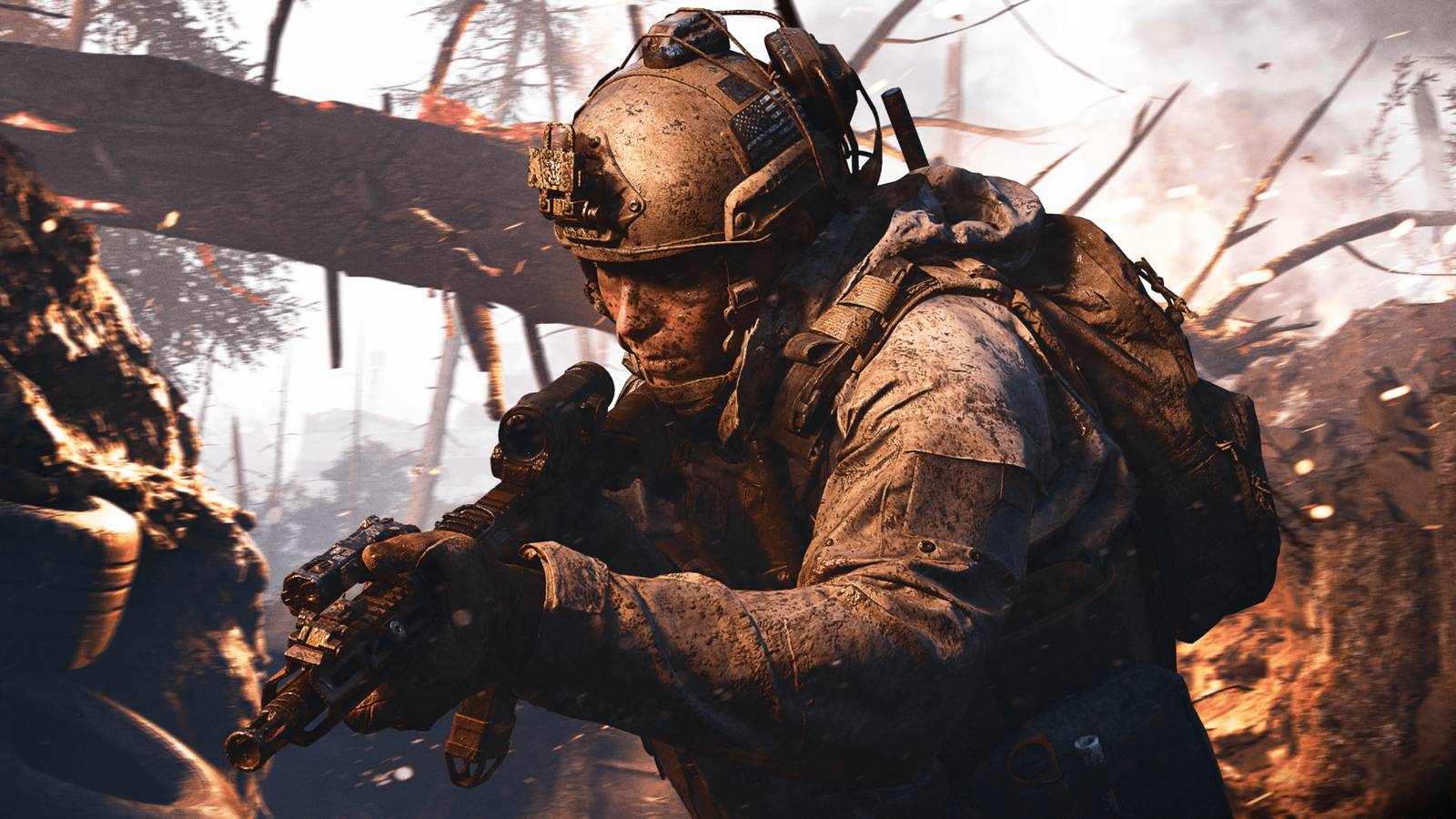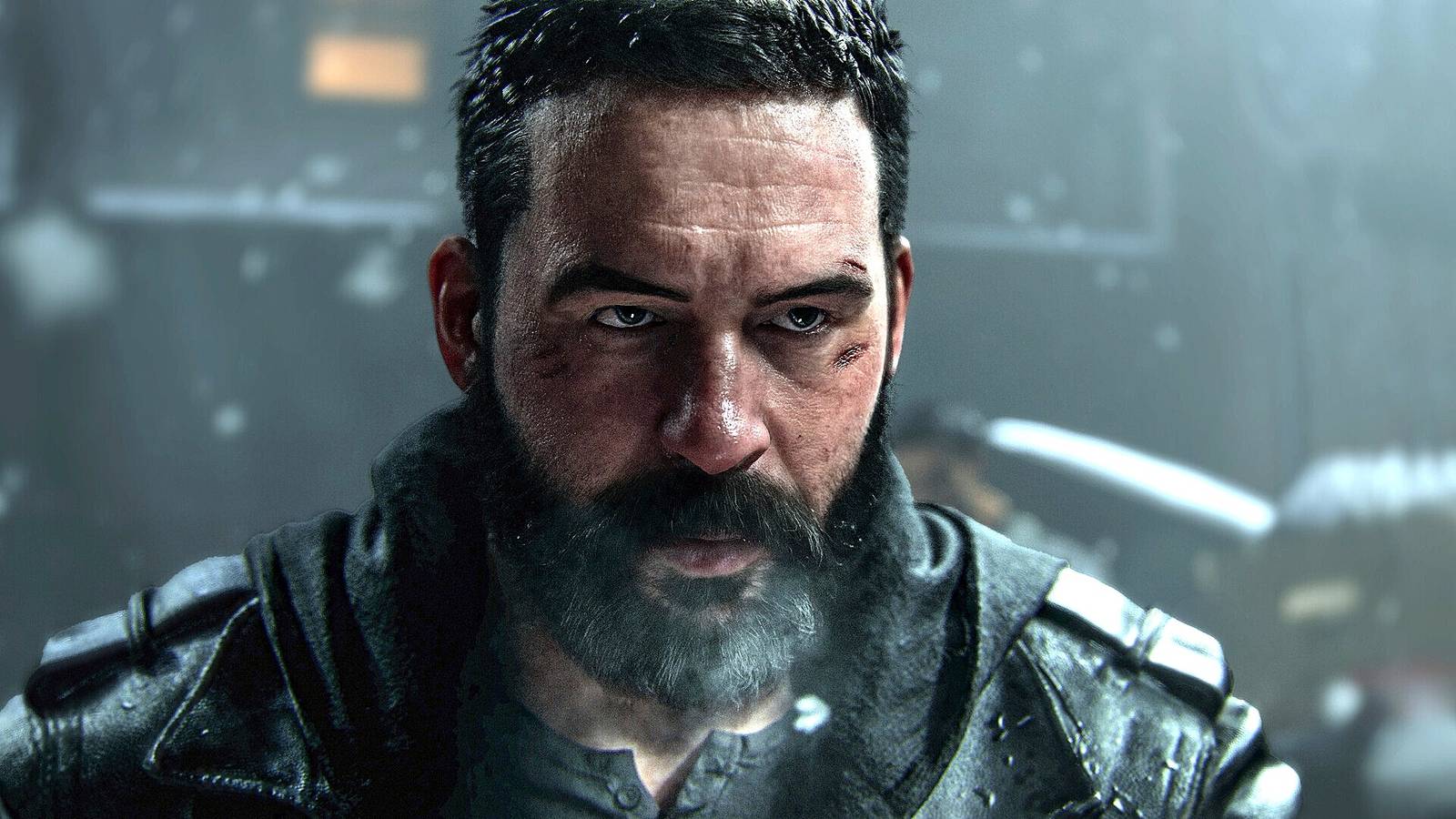
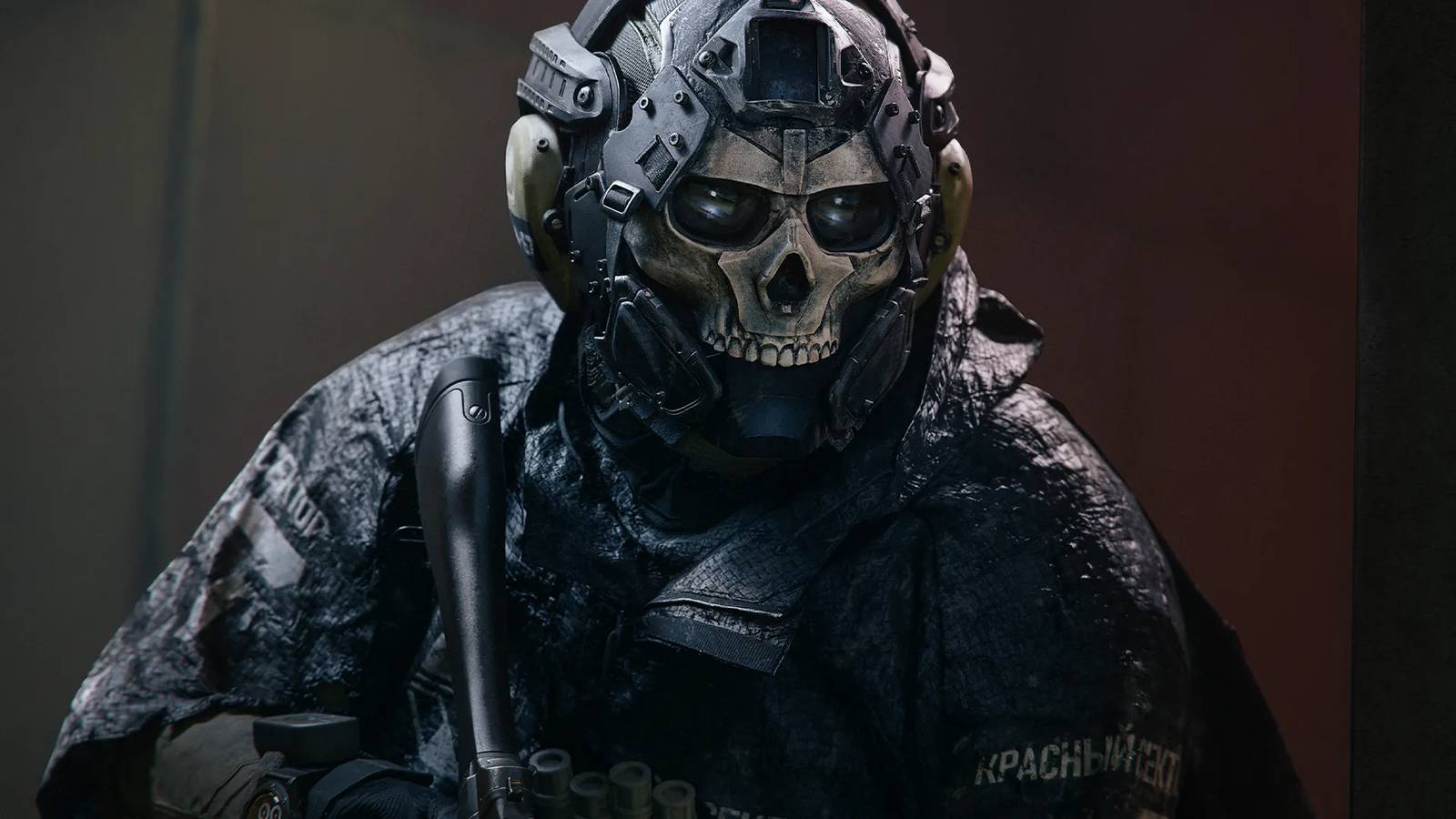
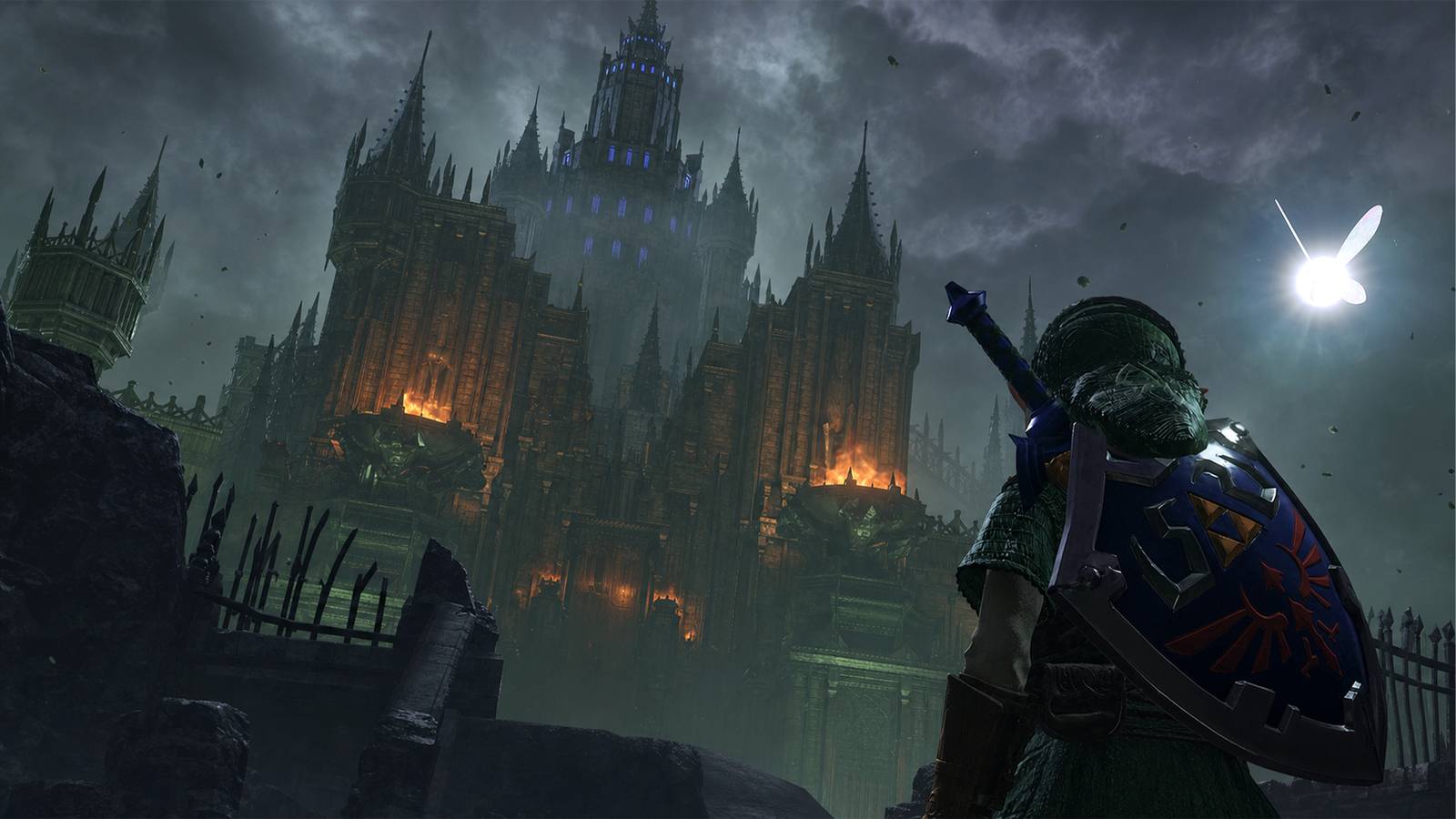
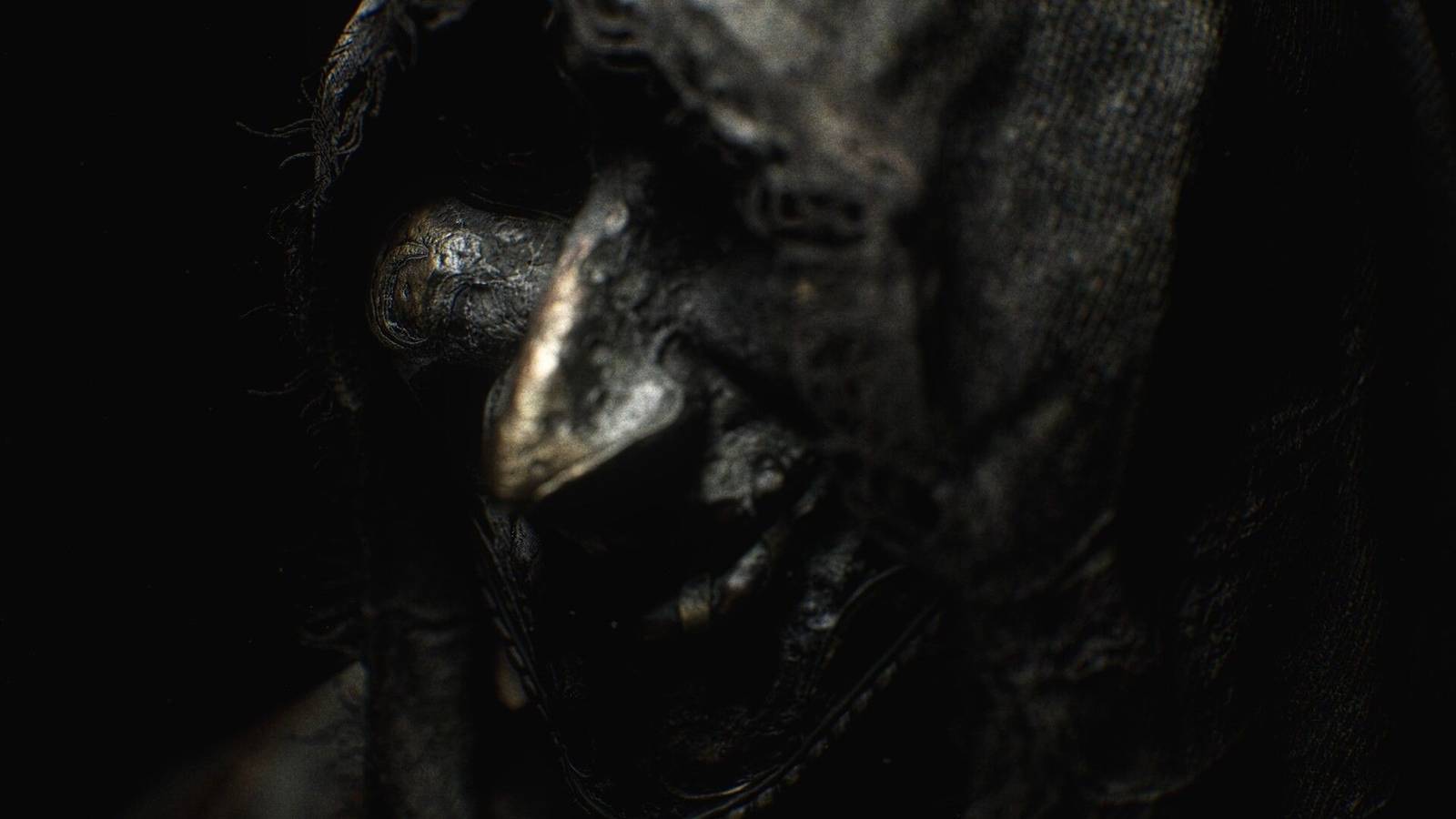



Former Rockstar Games developers have come together to create an unexpected game in the horror genre, titled Ritual Tides. Set to release sometime this year, Ritual Tides is a first-person Lovecraftian horror that reminds me a lot of Resident Evil 7 or Silent Hill with its moody and dark atmosphere. The story-driven game is set to span 10 to 12 hours and features a heavy emphasis on surviving with very little at your disposal, like any good survival horror title.
There is a lot to be excited about with this game, from mechanics that make movement intentional to the game’s atmospheric locale of Hortus, a dark, isolated Victorian island off the British coast. What I am most excited about lies in the gruesome enemies featured throughout this game. A specific mechanic added makes enemy encounters 10 times scarier, as they can learn to predict a player’s movement, adapting to their surroundings. How frightening is that? Yet another reason to be stoked about Ritual Tides‘ eventual release.
Adaptive Gameplay Means Better Scares and Better Replayability
After playing the same horror games for a long while, players begin to learn what comes next. Enemies are no longer scary because players can predict their movements and track their pathfinding to avoid them entirely. It’s an age-old problem that has yet to be addressed in most, if not all, modern horror titles. In Ritual Tides, this problem is done away with by introducing mechanics that allow enemies the ability to assess the terrain and environment between them and the player. In short, they’re learning the best way to attack by cataloging each encounter, changing their strategy each time.
-
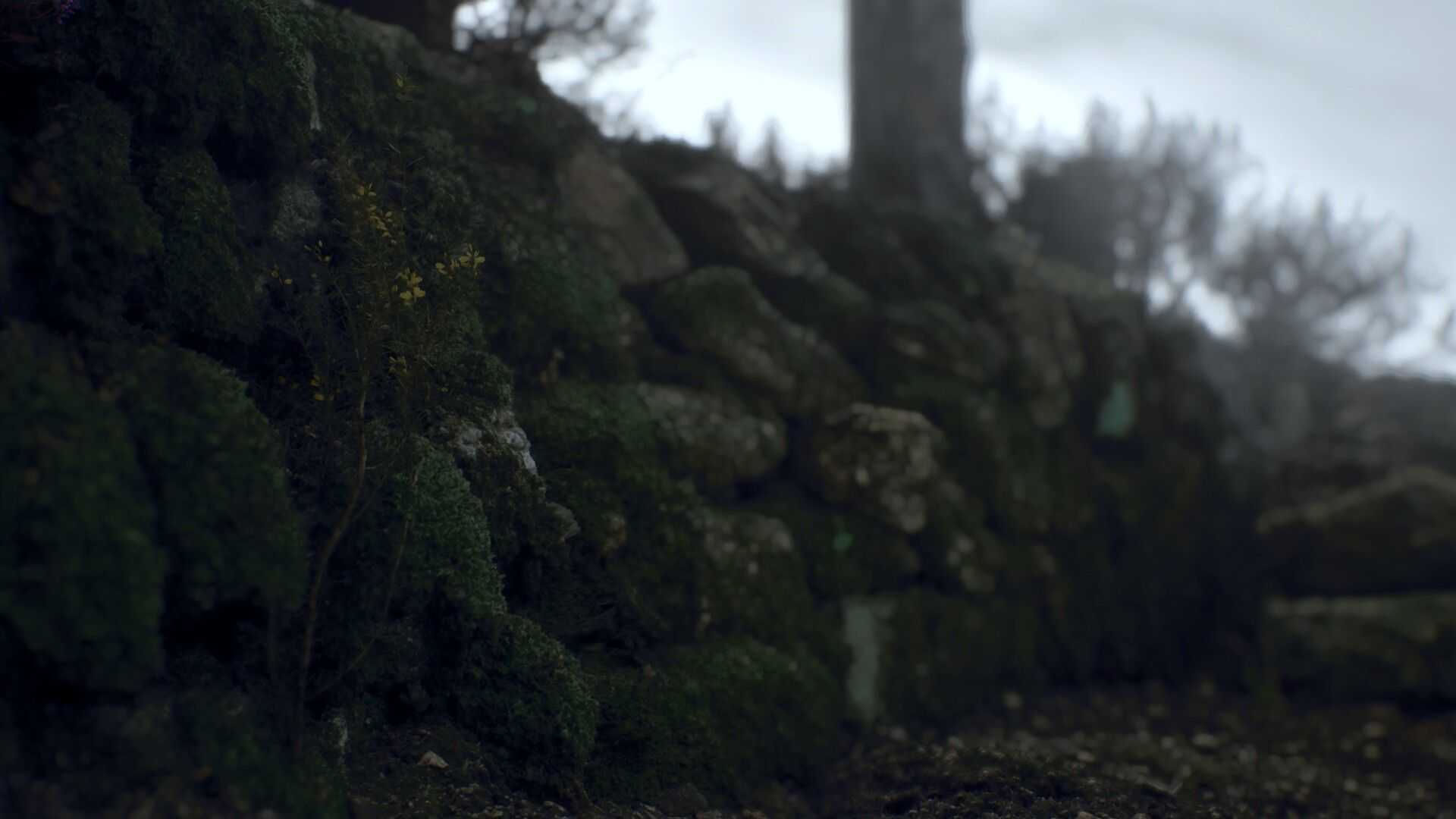 Image via Vertpaint Studios
-
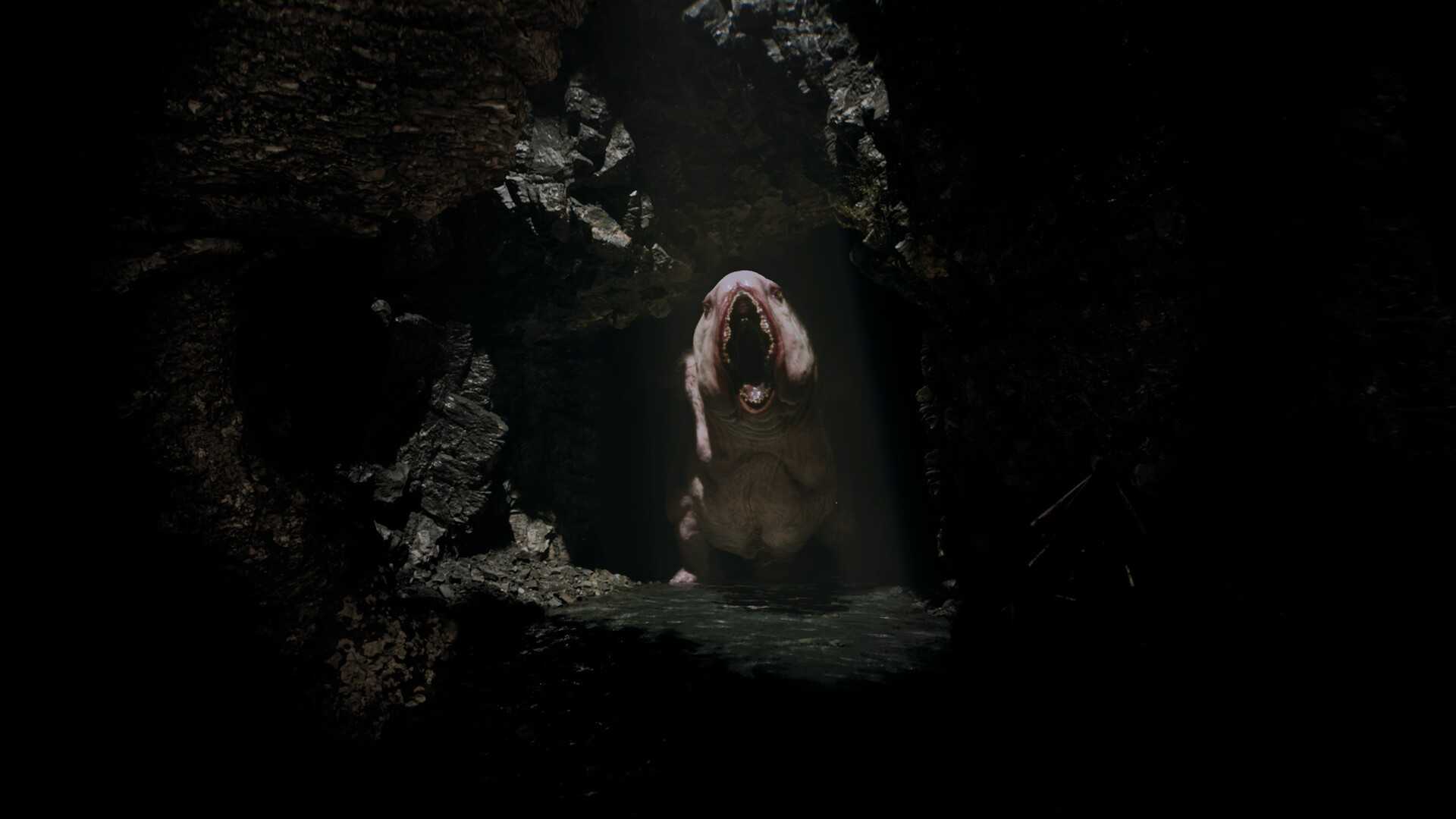 Image via Vertpaint Studios
-
 Image via Vertpaint Studios
Enemies adapt over time to predict a player’s movement, acclimating to their surroundings. Enemy variation is a part of that adaptation process, creating threats that are tangible and unusual and strike fear no matter how many times a player might play this game. It is all about creating threats that stand out from the crowd of horror games, offering audiences something new to haunt their nightmares. Gameplay is fresh and makes scares more impactful because you’re not getting the same recycled chases you’d normally get. In an interview with GameRant, the game’s developers remarked on diversifying enemy interactions, saying,
“We’ve been looking into things that make us, the team, uncomfortable and trying to embed that in a single character rather than all the characters. So it isn’t all the characters. One, you become a bit dead to it, and two, it just takes away the interest factor. What I find is that a reward in our game is seeing the enemies and being with the enemies. What we wanted to do was something where the variables are quite drastic in terms of what can happen to someone. It’s very Silent Hill-esque in that respect.”
This enemy adaptation means players must constantly be on their toes, working around smarter enemies by changing their routes, actively bumping up the challenge. Each interaction with an enemy could be new, which is horrifying. It seems like a sure-fire way to make enemies more threatening and prolong replayability, so why isn’t this aspect found in more horror games? Modern problems need modern solutions, and most companies have the technology and money to fix said issue, right? A few things could explain this mechanic’s absence.
-
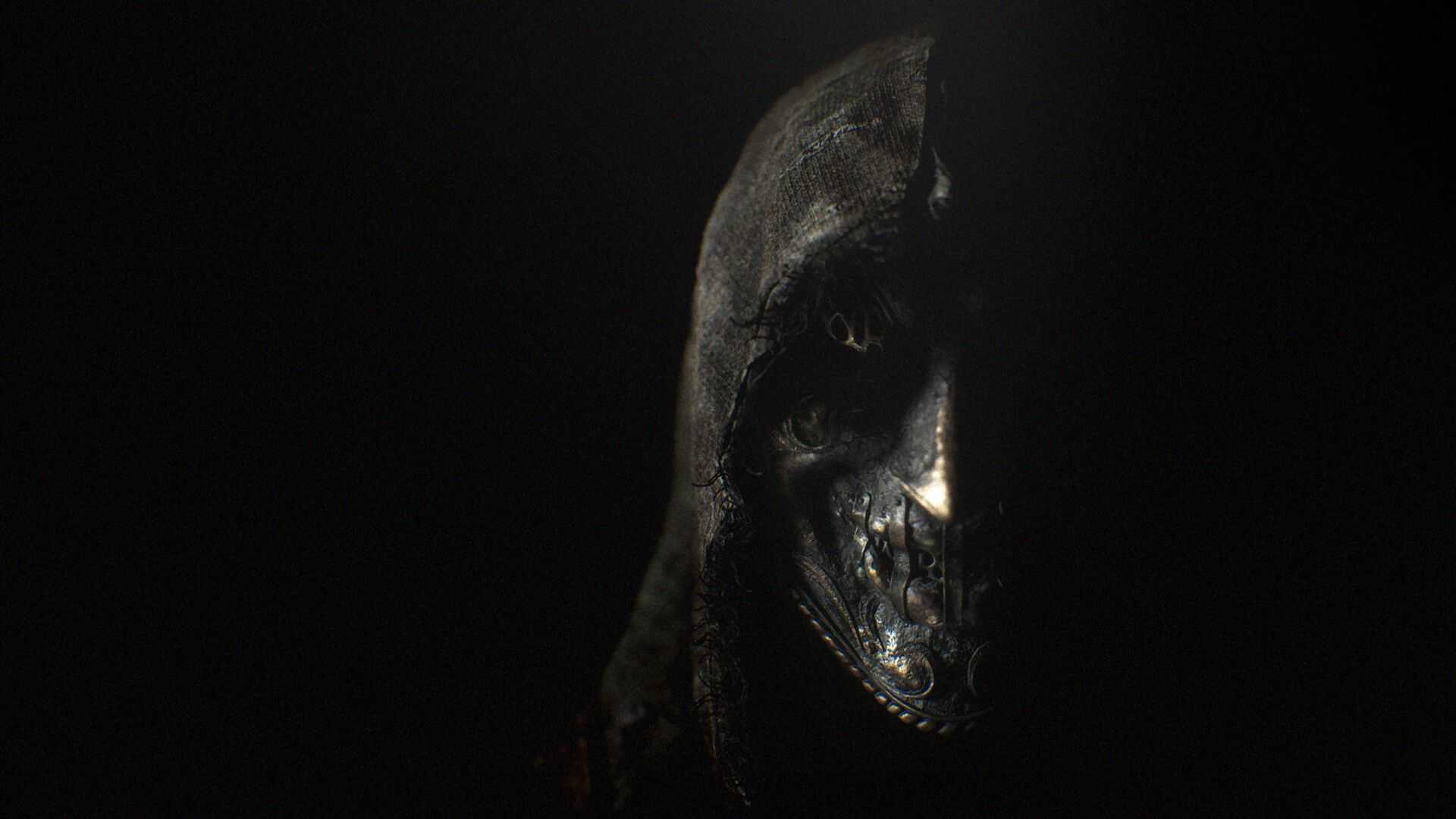 Image via Vertpaint Studios
-
 Image via Vertpaint Studios
-
 Image via Vertpaint Studios
Firstly, enemy AI is unpredictable, which means it is harder for devs to control the outcome of an enemy’s path or actions. Adaptive systems can also often feel too punishing and even unfair, predicting the player’s movements to a T. Scripting games can be easier on everyone, producing a predicted outcome that can be easier to create. Lastly, designing and testing out this AI system can be a major hassle and cost major bucks to perfect, something smaller studios probably don’t have time to think about. In that same GameRant interview, the developers continued,
“Very psychologically disturbing characters, where the more you look into them, the more you look at them, and the worse they become. That’s kind of what we’re leaning into. Enemy variation, I would say, is right there at the top of what I would be excited about if I didn’t know anything about the project, and I was buying the game.”
So, in short, enemies can get boring, which is what Vertpaint Studios is trying to remedy. Replayability is something that is still quite hard to master, even for larger studios creating big-budget horror games. The devs went on record to say that enemies were created based on psychological fears, and amped up with that adaptivity. It offers variation, which will hopefully make each playthrough unique. It’s essentially giving players their money’s worth in scares. It’s something to be hyped about in an age of horror titles that are virtually all the same.
Other Horror Titles That Utilize This Mechanic Are Few and Far Between
-
 Image via Vertpaint Studios
-
 Image via Creative Assembly and Sega
-
 Image via Kojima Productions and Konami
One of the most prevalent games that I can think of that utilizes enemy AI or smart enemy mechanics is Alien: Isolation. While it has its critics, I think this mechanic is masterfully utilized in this sci-fi horror title. Paired with the game’s use of a player’s microphone, adaptive Xenomorphs will track a player’s patterns, keeping tabs on usual hiding spots or paths so that these horrifying aliens can catch players off guard. It’s an extremely frightening way to give the game variety. It drives home the fact that these aliens are intelligent beings, capable of sniffing out a “threat” with precision and violence. Nowhere is safe.
Replayability is also enhanced by this facet, just as it is in Ritual Tides, because players will hopefully have to go about playing each playthrough differently to adapt to those smart Xenomorphs. Both the player and the enemy are paying attention. It’s about who can outsmart who. Talk about scary. The original F.E.A.R. also features enemies and environments that adapt to a player’s play style. These changes are made through Goal-Oriented Action Planning (GOAP). This means real-time planning systems are put in place to give these enemies goals that they must complete. Their job is to pick the best course of action to achieve that goal, which diversifies the overall outcome.
Not a horror game, but a stealth-oriented game, Metal Gear Solid 5: The Phantom Pain also features “smart” enemies tracking a player’s movement through the “Revenge System.” Essentially, if a player does something too often, sticking to the same course of action each time, enemies will eventually figure it out and adapt to stop them. If players frequently go for headshots, guards will start wearing metal helmets to block bullets. If players launch regular nighttime raids, enemies will deploy night vision goggles and extra searchlights to make raids more difficult. Frequently using the Fulton extraction system increases guard alertness and response. While AI is not my favorite in general, since it is quite environmentally harmful, its usage in Ritual Tides and other games is undoubtedly genius, creating gameplay longevity and scares that come unexpectedly.


- Released
-
2025
- Developer(s)
-
Vertpaint Games
- Publisher(s)
-
Vertpaint Games
- Engine
-
Unreal Engine 5