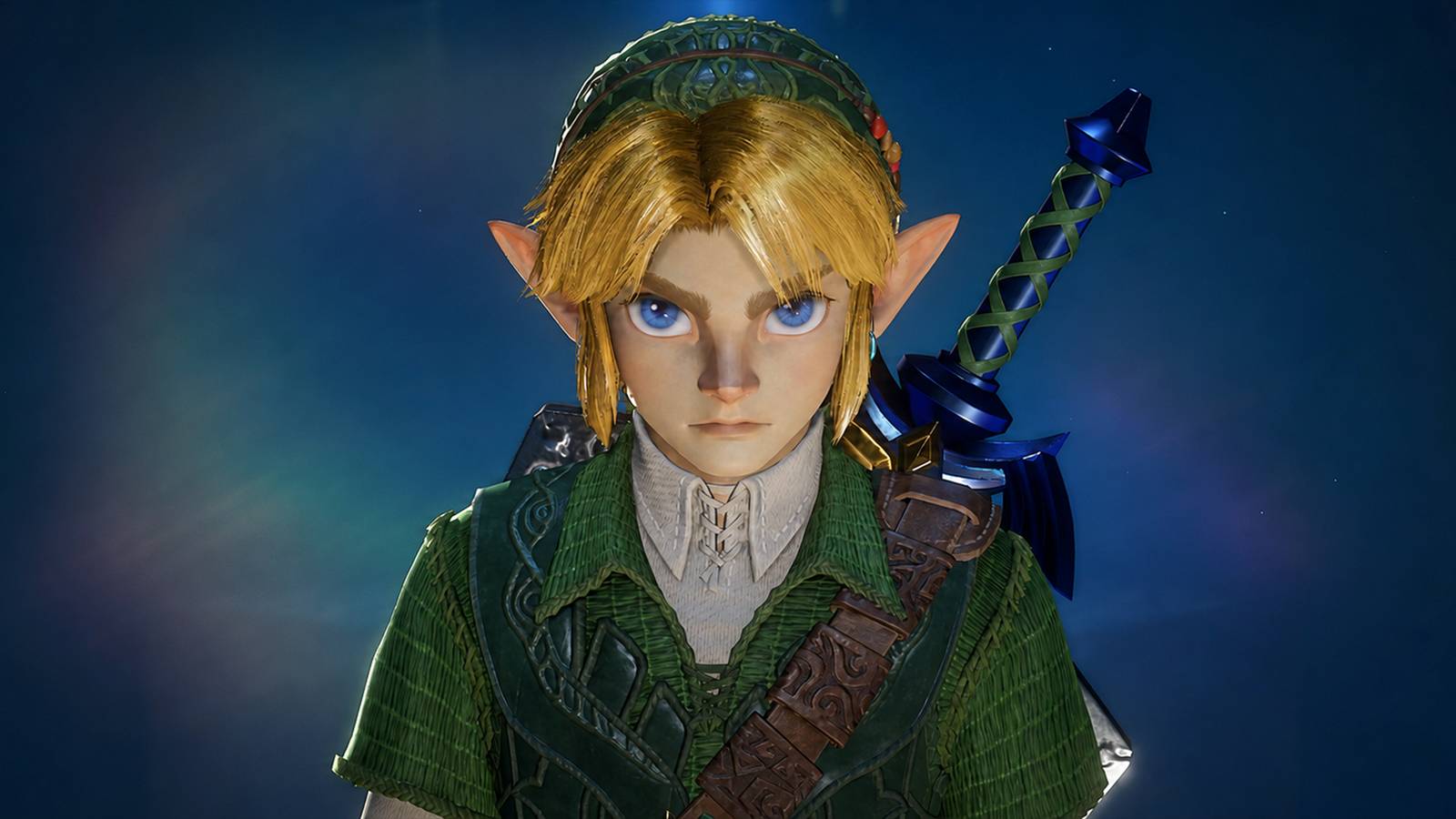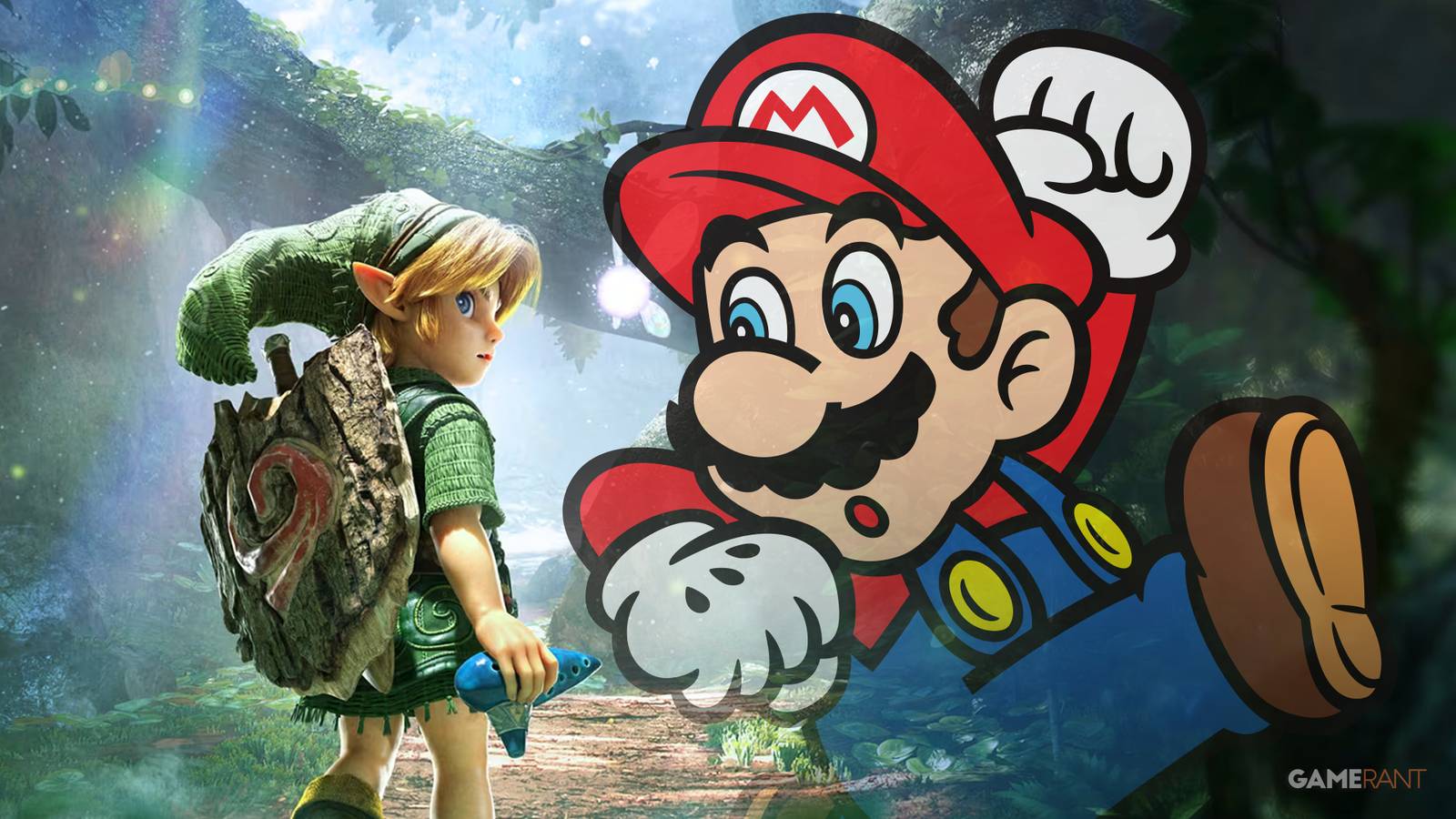





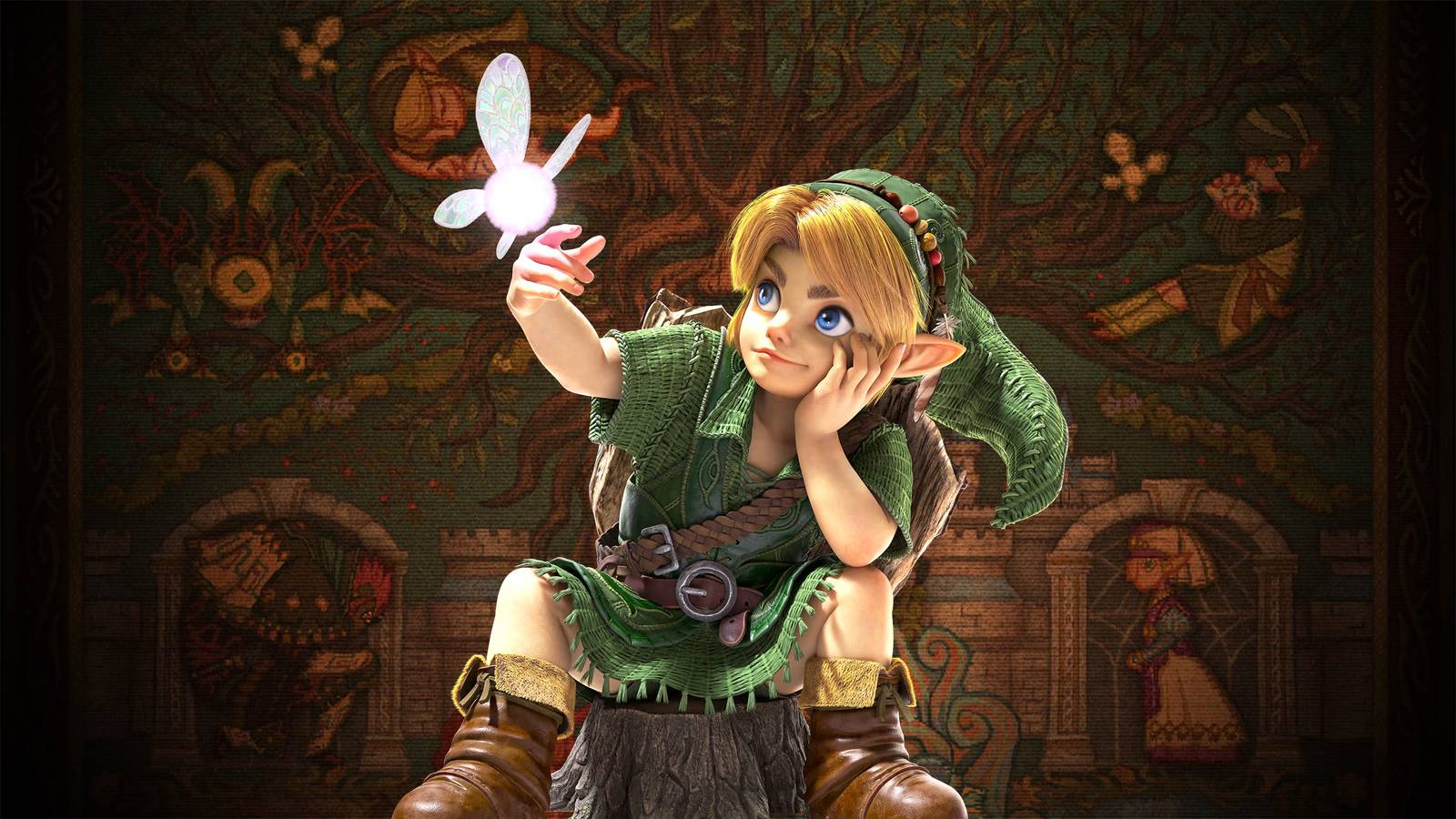
The Legend of Zelda: Ocarina of Time remake is already running on PC, with footage of the game operating outside Nintendo’s hardware emerging on its launch day. Multiple independent projects have reportedly managed to get the Switch 2 exclusive running on PC, albeit with varying degrees of success in terms of how the Ocarina of Time remake actually performs.
Recent advances in AI coding tools have accelerated efforts to reverse-engineer games for unsupported platforms, primarily PC. Console exclusives have become particularly prominent targets, with multiple projects focused on the likes of Zelda: Tears of the Kingdom and Link’s Awakening demonstrating how AI-assisted recompilation can reliably turn Switch 2 games into native PC applications. Such work previously required extensive manual reverse engineering, often by large teams over lengthy development periods. The alternative was emulation, which is another approach that has benefited from an AI boost in recent years.
Ocarina of Time Remake Is Technically Playable on PC on Launch Day
But with the Term ‘Playable’ Doing a Lot of Heavy-Lifting
In the latest testament to this trend, The Legend of Zelda: Ocarina of Time remake is already reported to be running on PC, according to multiple gameplay videos that started circulating social media on its release day, November 5. Some of the footage that surfaced online shows the game running through experimental Switch 2 emulation, albeit with substantial technical issues, including graphical glitches, stuttering, and frame rates dropping as low as 15 FPS. No matter the project, early emulation performance has historically only improved over time, making it plausible that these efforts will eventually produce fully playable PC versions of the much-anticipated Ocarina of Time remake.
AI-Assisted Game Ports Are Already Facing New Restrictions
The growing accessibility of static recompilation and game decompilation has already drawn attention from companies developing the AI tools used in such projects, not least because of pressure from copyright holders. In late October 2026, Anthropic official Addy Osmani confirmed that the company had updated Claude Code’s instructions for its Opus 5.5 model to discourage recreations of copyrighted games. While the change was formally framed as something that would not affect original game development, some users reported that the new rules also interfered with legitimate reverse engineering and work on their own projects. Anthropic subsequently revised the restrictions in Claude Code version 2.1.317, allowing developers to reference existing games when describing mechanics they want to incorporate into original projects.