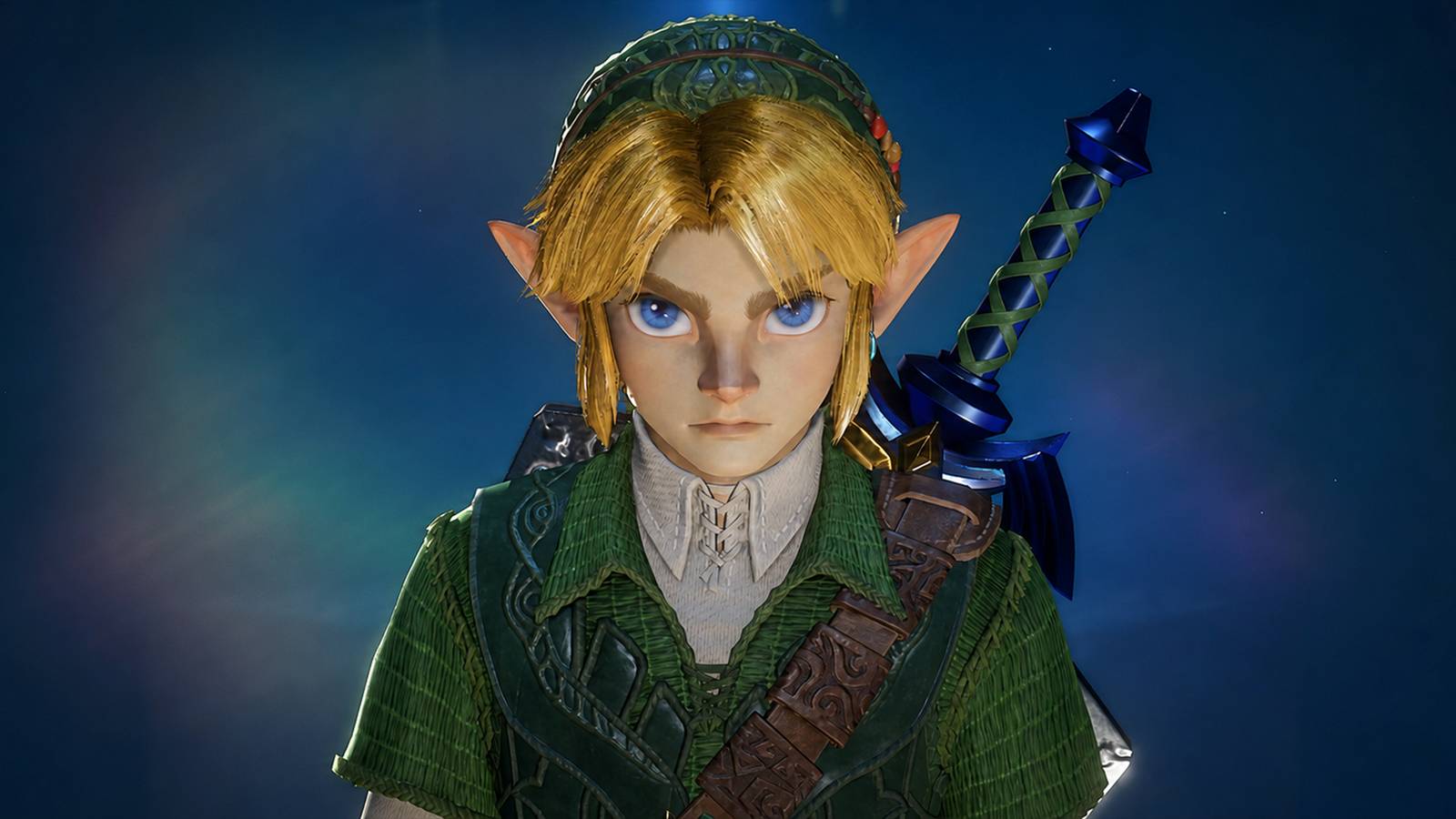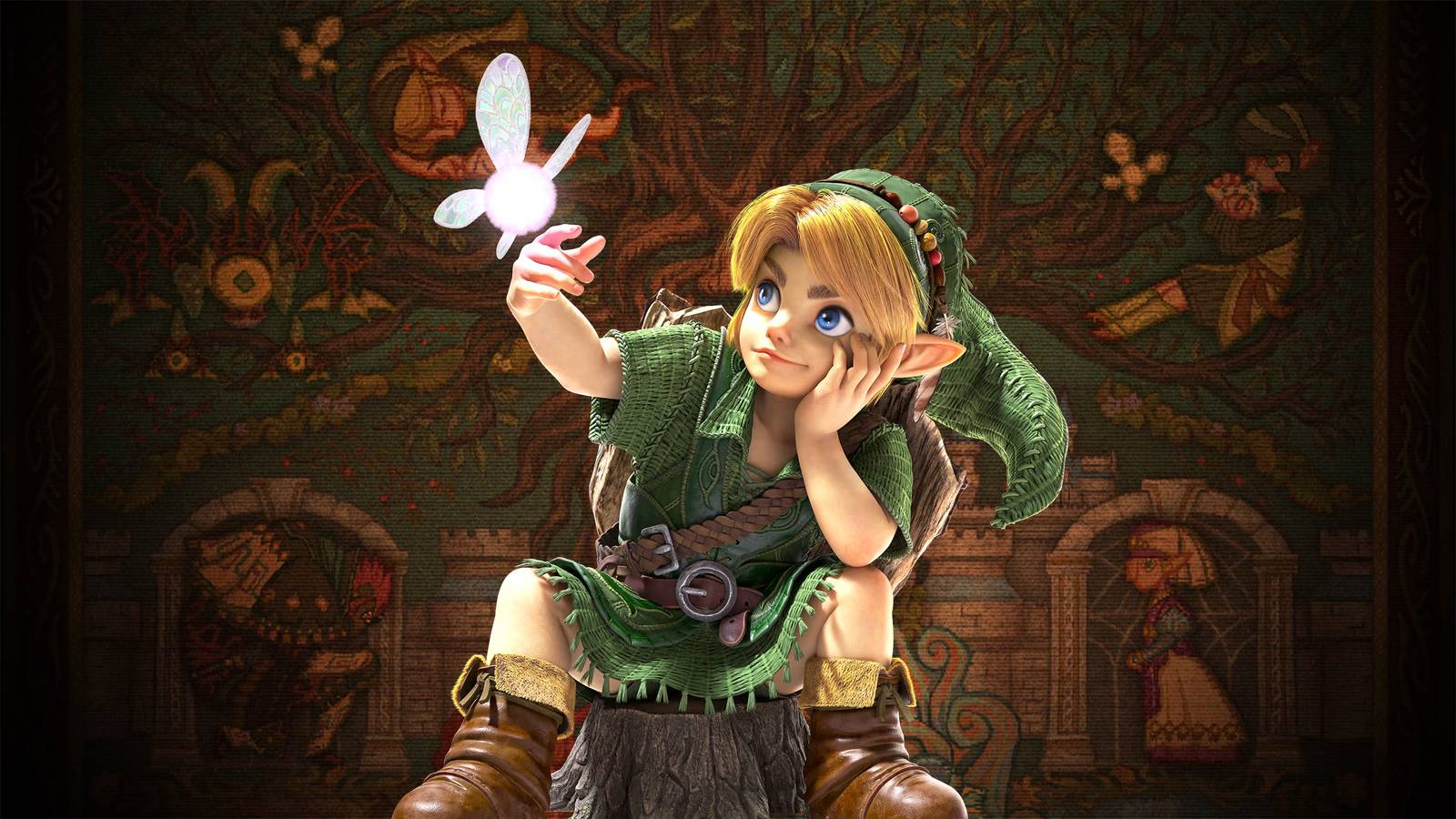




While The Legend of Zelda: Ocarina of Time remake appears to faithfully follow the 1998 classic, Nintendo has completely removed a memorable Super Mario Easter egg that appeared in previous versions of the adventure. Released for Nintendo Switch 2 on November 5, The Legend of Zelda: Ocarina of Time brings the beloved Nintendo 64 game to modern hardware with completely rebuilt visuals, updated controls, and several changes to its original content.
With the Switch 2 remake now available, longtime fans are getting a closer look at how Nintendo has reimagined familiar locations throughout Hyrule. Although the game largely preserves the original adventure, its rebuilt environments and additional details have also drawn attention to some less obvious changes. Ocarina of Time has always rewarded curious players with hidden interactions, secrets, and unexpected references to other Nintendo games scattered throughout its world, many of which have become memorable parts of the experience. However, not every hidden surprise from the original game has survived the transition to modern hardware.
Zelda: Ocarina of Time Remake Removes Mario and Yoshi Portraits
-
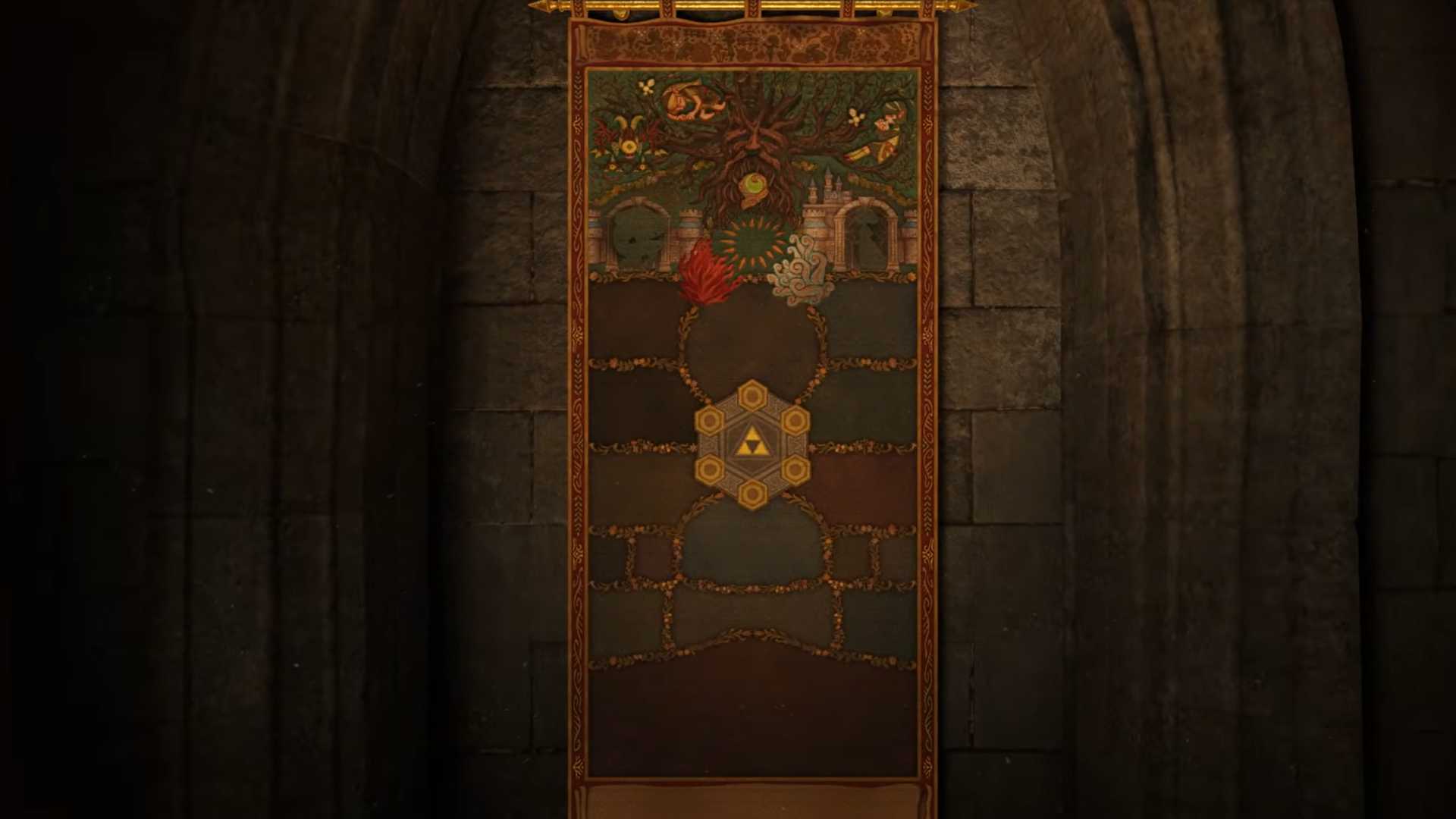 Image by Nintendo
-
-
 Image via Nintendo
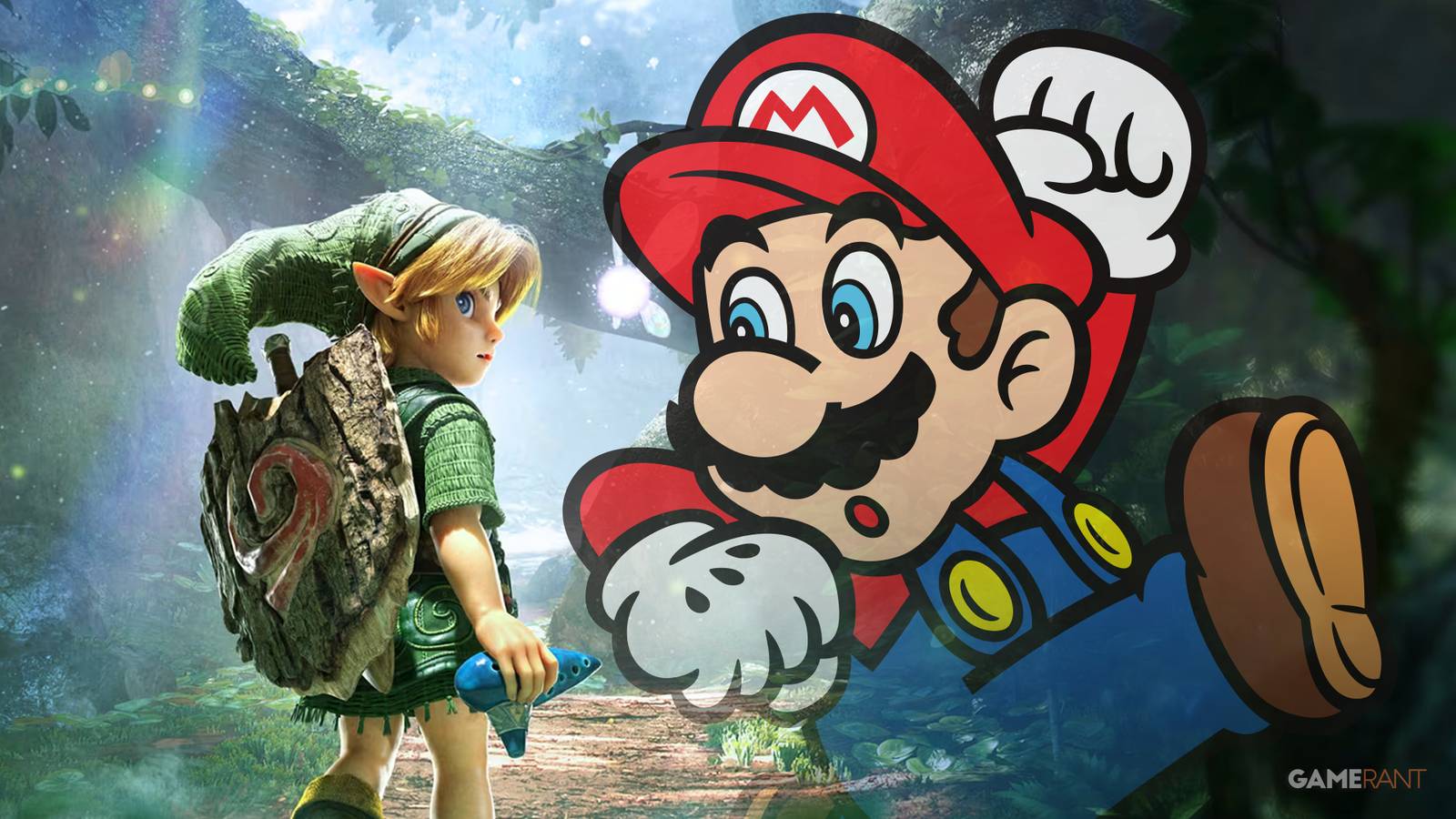
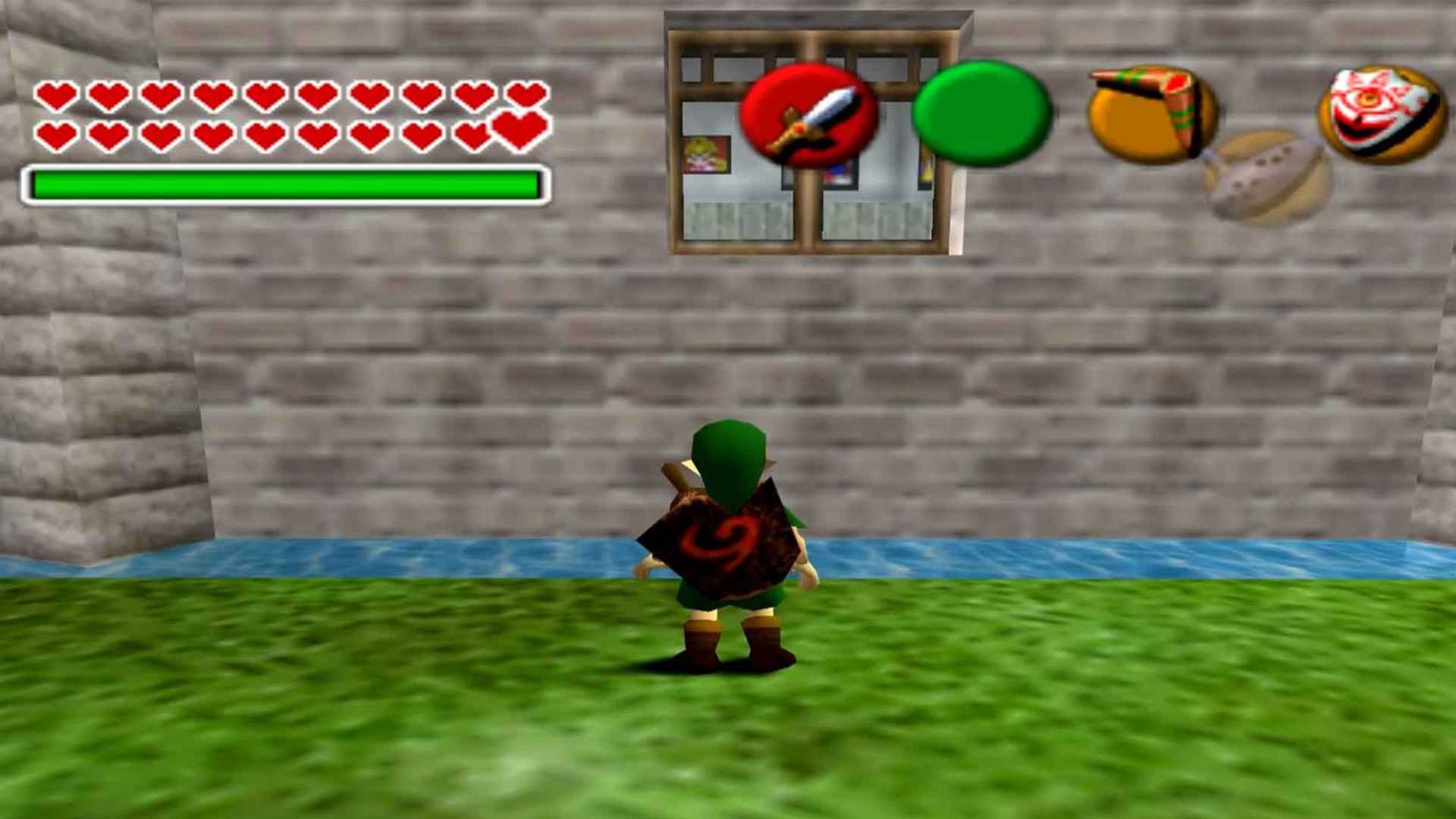
As confirmed in a recent Game Informer interview, the Ocarina of Time remake no longer features the Nintendo character portraits hidden within Hyrule Castle. In the original Nintendo 64 release, players could spot pictures of Mario, Yoshi, Peach, Bowser, and Luigi by looking through the courtyard windows near Princess Zelda, nodding to the previously released Super Mario 64. The 2011 Nintendo 3DS remake eventually changed that Easter egg for the first time, replacing the portraits with an image of a Super Mario level instead. Now, in the Switch 2 version, the references are gone entirely, with the windows instead displaying a tapestry that players can gradually complete throughout their adventure.

Drag weapons to fill the grid
Zelda series producer Eiji Aonuma explained that the original 1998 Easter eggs were included with a relatively carefree attitude, but the new Ocarina of Time development team’s perspective for the remake has since changed. According to Aonuma, players encountering the portraits might suddenly wonder, “Why is Yoshi there?” Adding that Nintendo wanted to avoid an unrelated reference that could “interrupt their experience of the world,” particularly given the remake’s emphasis on bringing Hyrule to life. Interestingly, this does not mean every Super Mario reference has been removed. Talon and Malon still wear Bowser emblems on their clothing, with Aonuma explaining that the detail was already an established part of Talon’s original character design.
The Super Mario portraits are not the only Easter eggs missing from the remake. Nintendo also removed the Skyward Sword artwork introduced in the 2011 3DS version, which originally referenced the then-upcoming Wii game. Aonuma offered a similar explanation for its removal, saying the team wanted to avoid players encountering “something that’s unrelated to what they’re currently doing in the game.” Despite the changes in the Zelda: Ocarina of Time remake, several iconic Easter eggs remain intact. Players can still provoke a castle guard into throwing a bomb by shooting at a courtyard window, while the Gossip Stones retain their peculiar nature and cartoony reactions to bombs and the Megaton Hammer.
These decisions reflect Nintendo’s broader approach to modernizing Ocarina of Time without fundamentally changing what made the original special. Beyond the visual overhaul, the Switch 2 remake adds a freely controllable camera, a dedicated jump button, and quality-of-life improvements, including streamlined Iron Boots controls in the notoriously difficult Water Temple. Early reviews have also been positive, with Ocarina of Time becoming the highest-rated game of the year so far. Although removing nostalgic Easter eggs may disappoint some longtime fans, Nintendo still seems to have gone above and beyond in preserving one of the most celebrated games of all time.


- Released
-
November 5, 2026
- ESRB
-
Everyone 10+ / Animated Blood, Fantasy Violence
- Developer(s)
-
Nintendo
- Publisher(s)
-
Nintendo