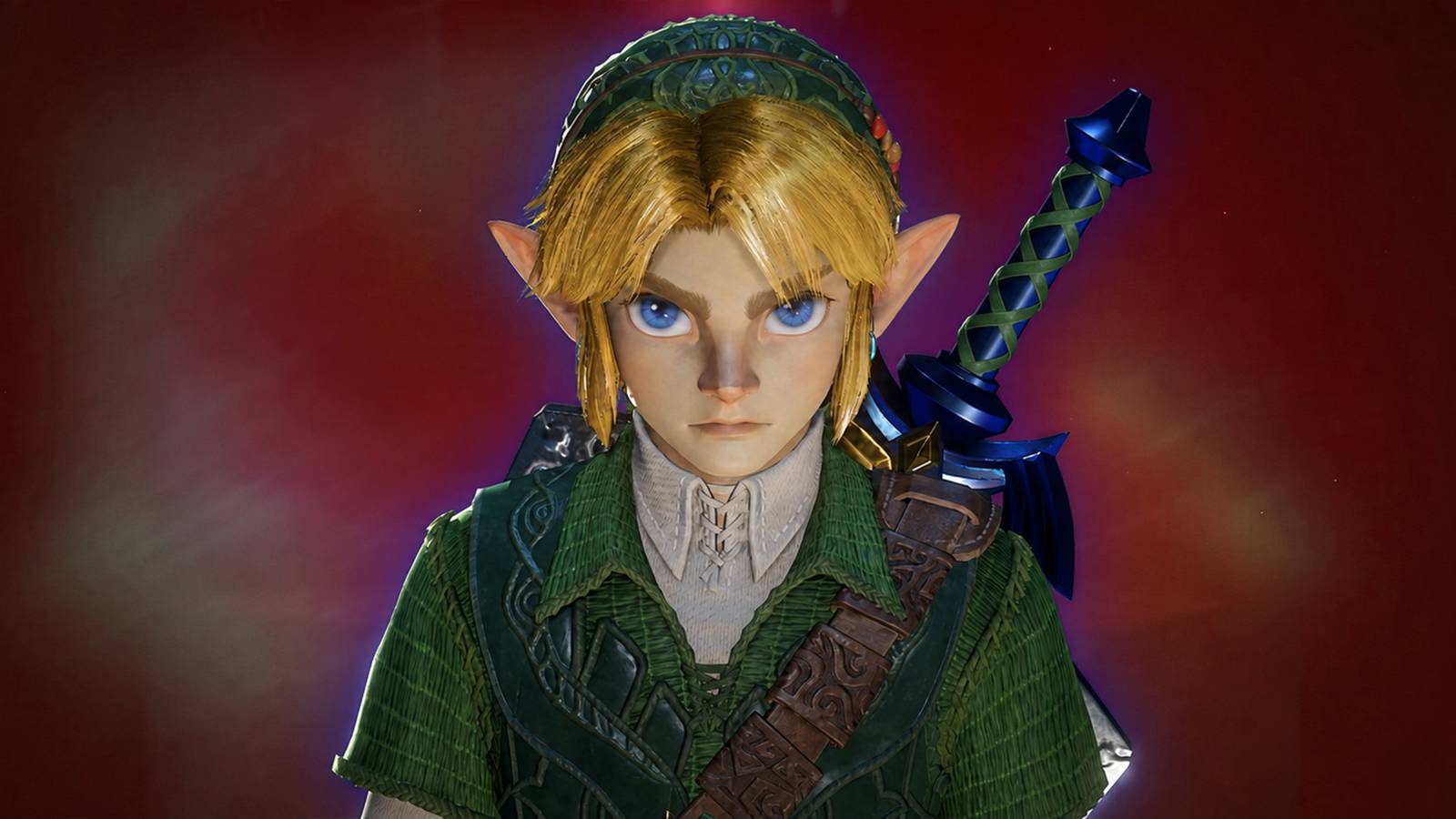



With The Legend of Zelda: Ocarina of Time remake currently sitting at a remarkable 96 on Metacritic, Nintendo has found itself in a pretty interesting position heading into The Game Awards 2026. Not only is the remake currently the highest-rated game of the year, but it has also managed to come remarkably close to the original N64 release’s legendary 99 Metascore, which remains the highest ever recorded on the platform. As someone who has considered Ocarina of Time one of my favorite games since I first played it in 1998, I’m obviously pretty happy to see the remake receiving the kind of recognition I believe it deserves. But with The Game Awards approaching on December 10, I’m becoming increasingly interested in whether all that critical acclaim will actually translate into a Game of the Year win.
Of course, there’s a pretty significant obstacle standing in Ocarina of Time‘s way, and I’m not just talking about Grand Theft Auto 6, which is finally scheduled to launch on November 19 and makes the Game Awards deadline, albeit just barely. There’s also the matter of whether a remake of a game that was originally released almost three decades ago deserves to win Game of the Year over something entirely new, even if it’s technically the highest-rated release of 2026. Personally, I think Ocarina of Time deserves the award, regardless of what score GTA 6 eventually receives, but I also understand why some players might feel differently. And considering how The Game Awards has treated remakes in the past, I think Nintendo has a pretty interesting challenge ahead of it.
Ocarina of Time Is Eligible for Game of the Year, But Winning Is Another Matter
First of all, there’s no rule preventing Ocarina of Time from winning Game of the Year simply because it’s a remake. According to The Game Awards’ official eligibility guidelines, remakes, remasters, expansions, and even DLC can compete in every category, provided the voting jury believes the new creative and technical work deserves recognition. The guidelines also specifically mention that factors such as how much new content a release includes and whether it offers good value should be considered, which is where I imagine the point of judgment for Ocarina of Time will become particularly interesting. After all, Nintendo has rebuilt practically every aspect of the original game’s presentation, but it has also gone to extraordinary lengths to preserve the experience people remember.

Put the consoles in the correct order.
And while there’s certainly an argument that the remake plays things a little too safe, I think that criticism overlooks just how difficult Nintendo’s job actually was. In a recent Ask the Developer interview, Nintendo explained that the team essentially had to rebuild the game from scratch while carefully studying the original to ensure its controls and mechanics still felt familiar. That meant introducing improvements like manual jumping, modern camera controls, and updated movement without dramatically changing the game’s original design. Considering how many of us have spent decades playing Ocarina of Time, I think preserving that familiarity while making the game feel substantially better on modern hardware is an accomplishment worth recognizing, even if the remake isn’t necessarily an entirely different experience.
Still, there’s an interesting precedent here, because The Game Awards has nominated several major remakes for Game of the Year without actually giving them the top prize. Final Fantasy 7 Remake received a nomination in 2020 before losing to The Last of Us Part 2, while Resident Evil 4 was nominated in 2023, the same year Baldur’s Gate 3 took home the award. More recently, Final Fantasy 7 Rebirth competed for Game of the Year in 2024, ultimately losing to Astro Bot, even though Square Enix had substantially expanded and reimagined the original game’s story and mechanics. None of those results proves that voters are unwilling to give a remake the award, but I do think they demonstrate how difficult it can be for an established game to compete against an experience players have never had before.
There’s no rule preventing Ocarina of Time from winning Game of the Year simply because it’s a remake.
What makes Ocarina of Time particularly interesting, though, is that Nintendo hasn’t attempted to reinvent the original game in the same way Square Enix approached Final Fantasy 7. In fact, the remake’s familiarity has been one of its most common criticisms, though I do hesitate to even call that a criticism when I believe it’s actually the reason the game has been so well received. Still, I can understand that perspective, especially since I’d love to have a few more unexpected discoveries waiting for me after spending so many years with the original. However, I also think there’s something impressive about a game designed in 1998 still being enjoyable enough to earn a 96 Metascore in 2026, especially when so much of what made it revolutionary has since become standard practice throughout the industry.
GTA 6 Could Be Ocarina of Time’s Biggest Competition, Regardless of Its Score
Of course, we can’t really discuss Ocarina of Time‘s Game of the Year chances without addressing Grand Theft Auto 6, which Rockstar has confirmed will launch on November 19. Interestingly, that puts it just one day before The Game Awards’ November 20 eligibility cutoff, meaning it can compete for this year’s awards despite arriving so late in the year. Whether the voting jury will have enough time to properly evaluate it is another matter, although the awards’ rules do allow publishers to provide advance review copies to participating outlets. And considering how much anticipation there is surrounding Rockstar’s next game, I imagine it will have a pretty significant presence in the Game of the Year conversation regardless of whether it manages to surpass Ocarina of Time‘s Metascore.
But even if GTA 6 receives a higher score, I don’t think that automatically makes it more deserving of Game of the Year, just as I don’t think Ocarina of Time should win simply because it currently holds the highest score. I’ve always believed these awards should recognize the games that deliver the most exceptional experiences, and in my opinion, Nintendo has accomplished something pretty extraordinary by taking one of the most beloved games ever made and making it feel new all over again. I certainly wouldn’t argue that nostalgia should be enough to earn it the award, but having played Ocarina of Time for nearly three decades, I can appreciate just how carefully Nintendo has handled a game that means an awful lot to people like me. And if the remake ultimately loses to GTA 6 or another original release, I won’t necessarily consider that unfair, but I do hope voters are willing to judge it on the quality of what Nintendo created in 2026 rather than the fact that its foundation was already established in 1998.


- Released
-
November 5, 2026
- ESRB
-
Everyone 10+ / Animated Blood, Fantasy Violence
- Developer(s)
-
Nintendo
- Publisher(s)
-
Nintendo